A power outage at NIST in Boulder caused a disruption in atomic clock operations, affecting internet time servers globally. Backup systems were activated, restoring accurate time within nanoseconds, but the incident highlights the critical role of atomic clocks in modern technology like GPS and financial systems.
A power outage caused by preemptive shutdowns in Boulder temporarily affected the NIST F-4 atomic clock, resulting in a minimal 4 microsecond drift in time measurement, but the system's redundancies ensure no significant impact on global timekeeping or critical industries.
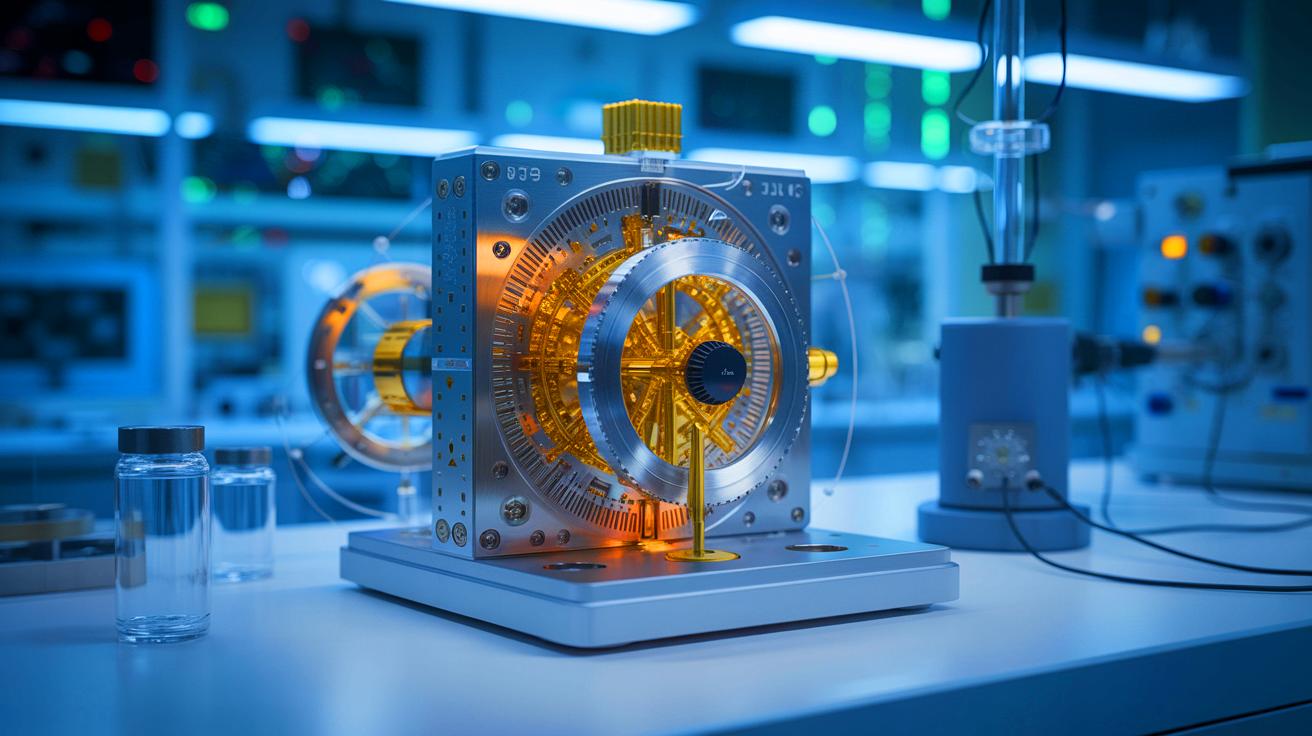
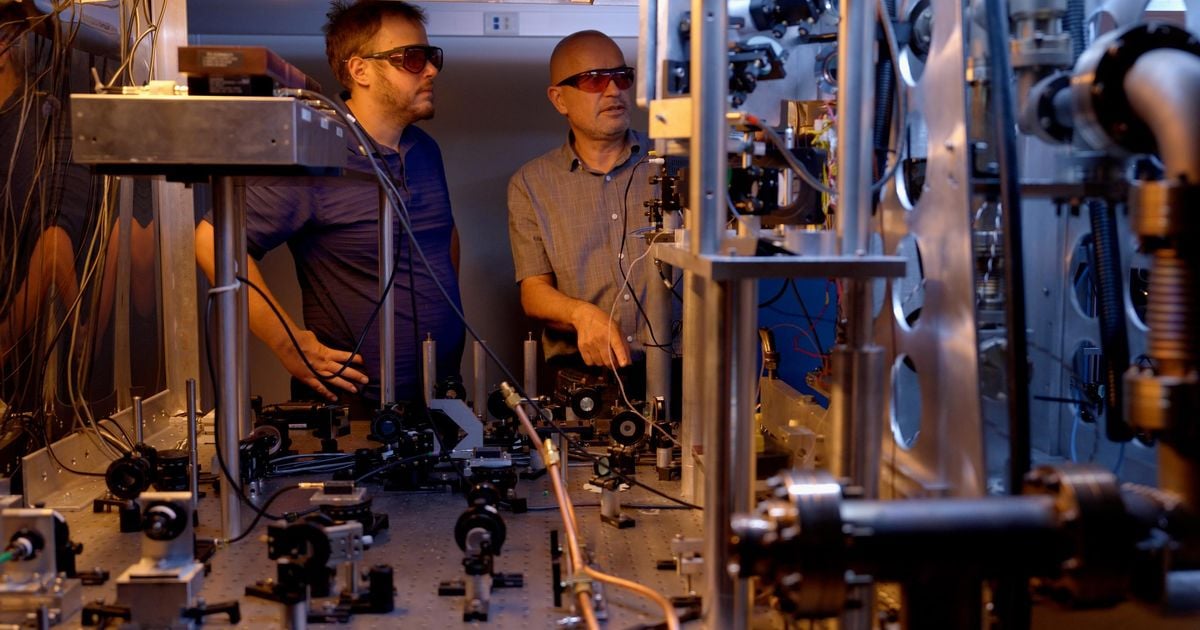
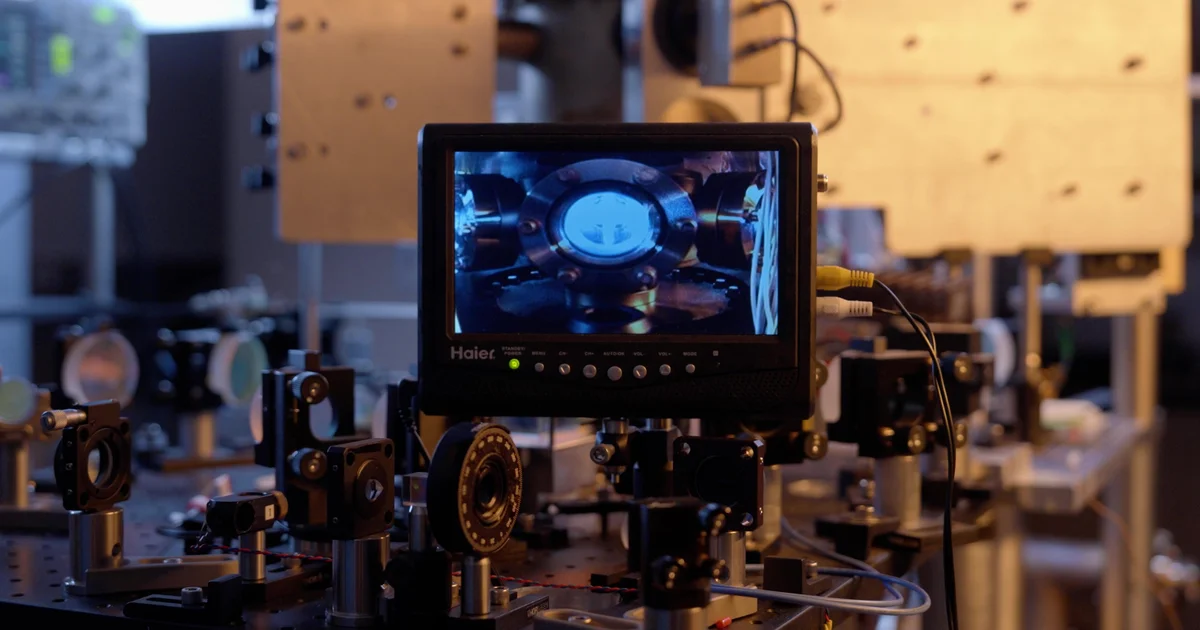
NIST has developed the most precise atomic clock using aluminum ions, measuring time with unprecedented accuracy to the 19th decimal place, which could revolutionize scientific research, quantum technology, and geodesy.
Researchers at NIST have developed the most precise atomic clock using aluminum ion technology, achieving 19-decimal accuracy and surpassing previous records in stability and accuracy, with potential applications in redefining the second, geodesy, and quantum physics research.
A leading time scientist, Judah Levine, suggests introducing a leap minute to align the Earth's two official clocks, the Universal Time clock and the atomic clock, which currently require leap seconds to stay synchronized. Levine believes that allowing a slight deviation between the clocks could enable the addition of a leap minute every 50 years, providing a more manageable solution. However, industries relying on precise time, such as flight control and stock trading, may face challenges. Some tech companies have already developed their own methods to manage time variations, while a planned 100-year pause on the leap second in 2035 requires global agreement.
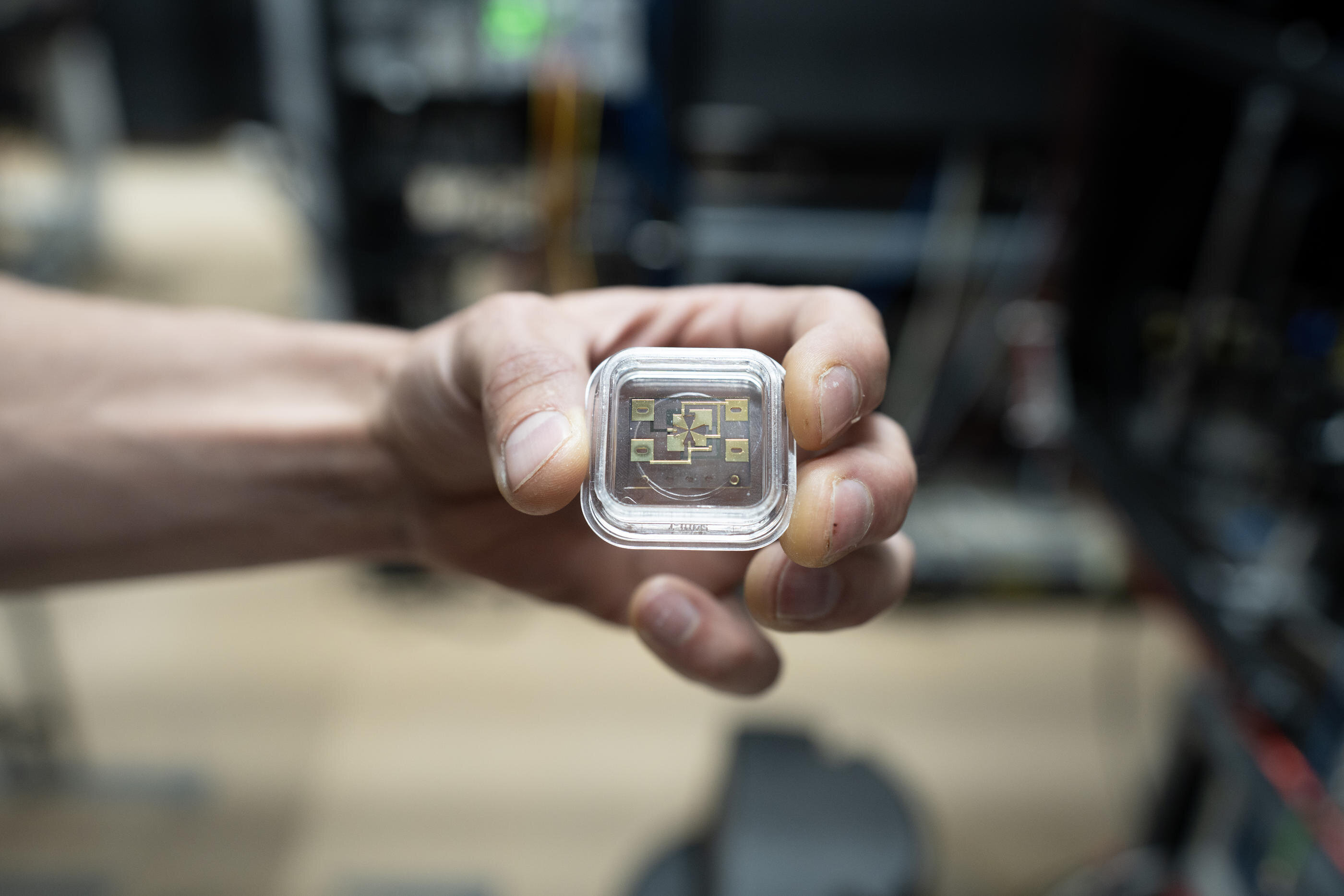
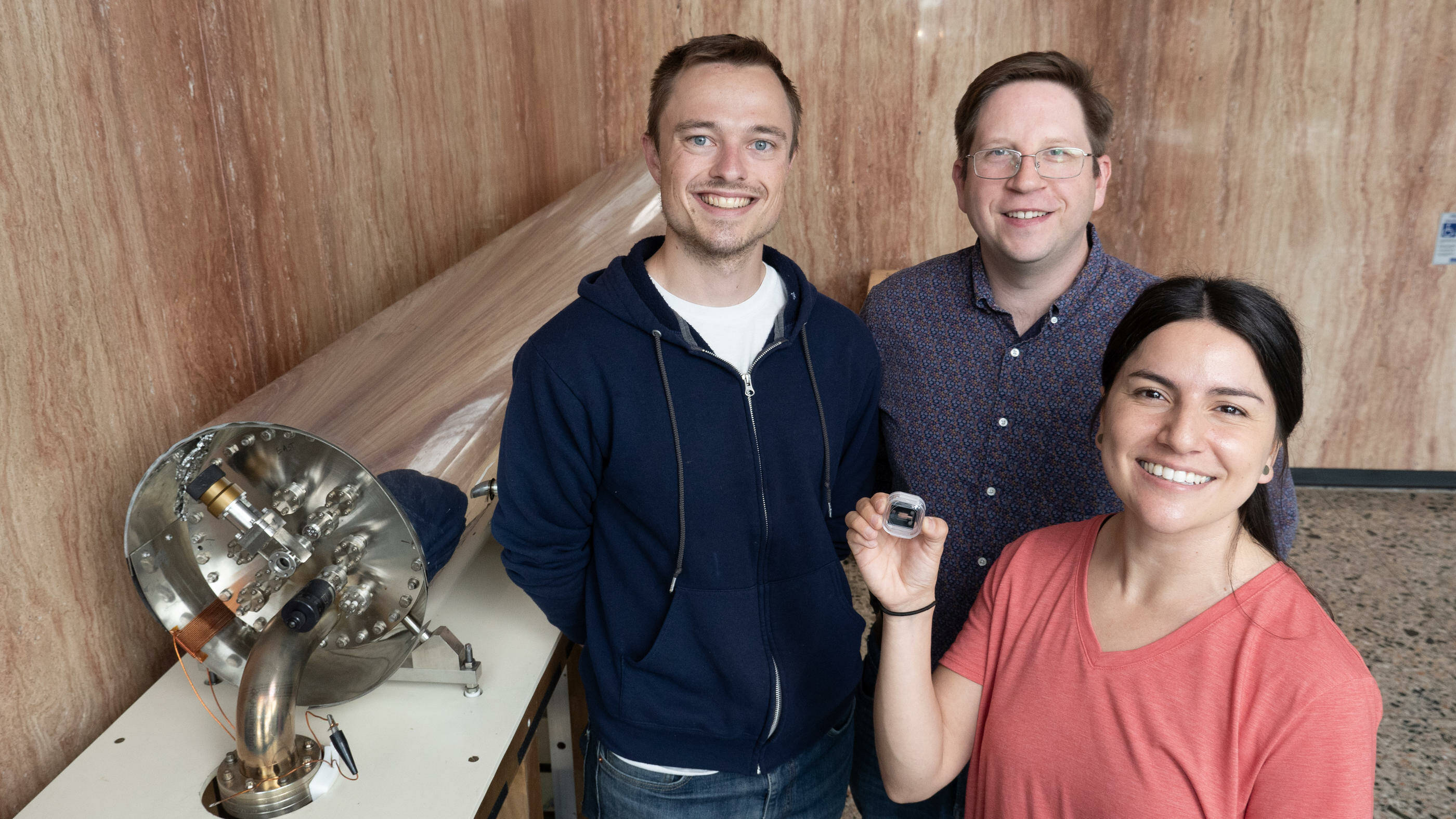
Scientists at the US National Institute of Standards and Technology (NIST) have developed a chip-scale beam clock (CSBC) that is small enough to fit in a pocket. The CSBC combines the technologies of chip-scale atomic clocks (CSACs) and atomic beam clocks to measure time via atoms. While the CSBC is not as accurate as its predecessors, it opens up possibilities for applications such as quantum sensing and the construction of higher-performance compact clocks. Further testing and improvements are needed to enhance stability and accuracy.