Tag

Digestive System

All articles tagged with #digestive system

4 Key Signs of an Unhealthy Gut and How to Heal It

Originally Published 29 days ago — by CNET

Featured image for 4 Key Signs of an Unhealthy Gut and How to Heal It
Source: CNET

An unhealthy gut can manifest through symptoms like bloating, fatigue, skin issues, sleep problems, and upset stomach. To improve gut health, focus on eating fiber-rich and fermented foods, monitor medication use, consider strain-specific probiotics, and maintain regular exercise and sleep routines. Since everyone's microbiome is unique, personalized approaches and medical consultation are recommended.


Fibermaxxing: The TikTok Trend That Could Improve Your Gut Health

Originally Published 6 months ago — by BuzzFeed

Featured image for Fibermaxxing: The TikTok Trend That Could Improve Your Gut Health
Source: BuzzFeed

Increasing fiber intake can improve digestion and overall health, but it should be done gradually, with proper hydration and a balanced diet to avoid digestive issues. Experts recommend a varied intake of different fiber types from whole foods, and caution against sudden increases, especially for those with existing digestive conditions.

"Ensuring the Safety of Colonoscopy for Patients with Irritable Bowel Syndrome (IBS)"

Originally Published 1 year ago — by Verywell Health

Featured image for "Ensuring the Safety of Colonoscopy for Patients with Irritable Bowel Syndrome (IBS)"
Source: Verywell Health

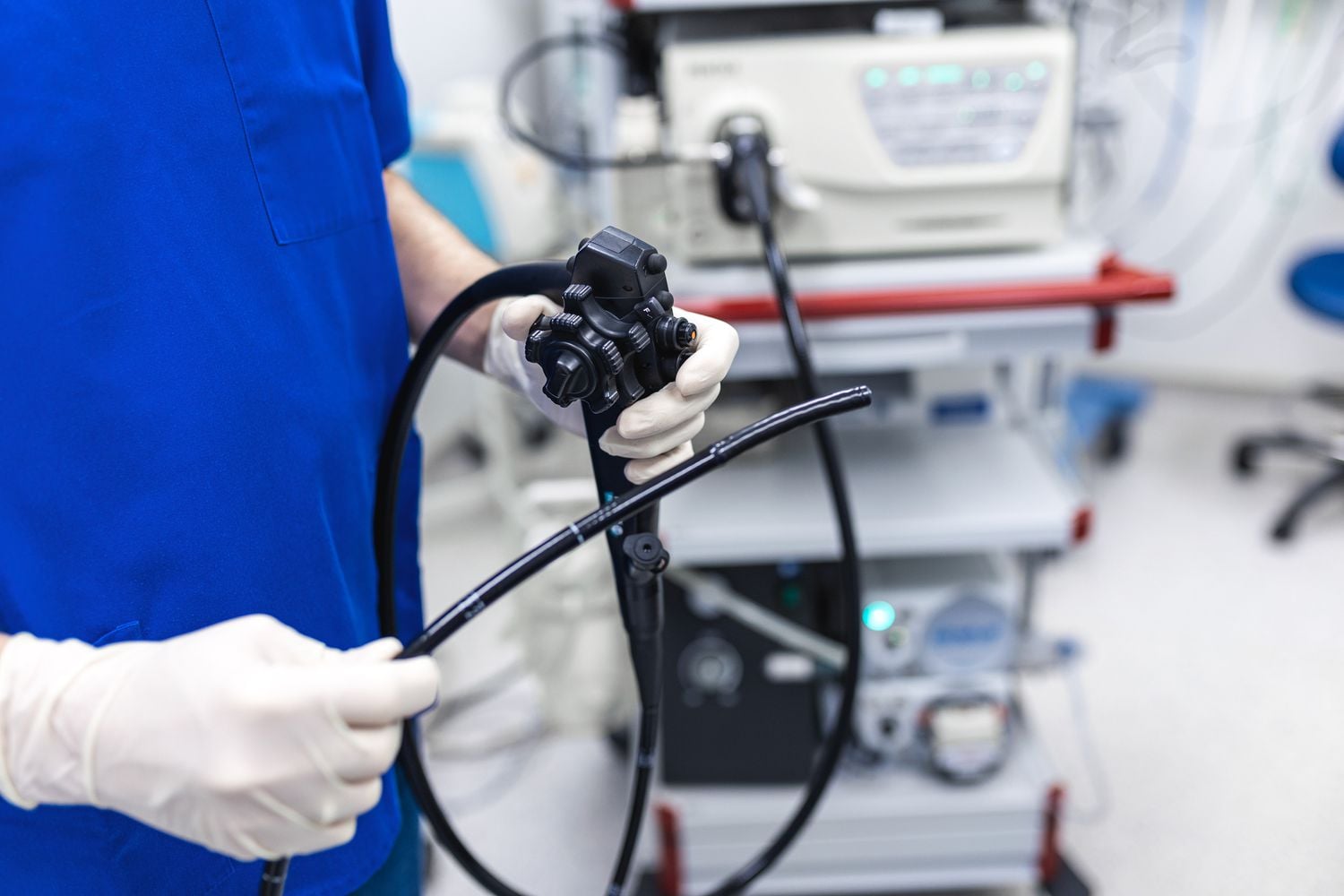
A colonoscopy is not routinely used to diagnose irritable bowel syndrome (IBS), as there are no changes inside the colon that could be detected by it. The American College of Gastroenterology recommends against using a colonoscopy for the diagnosis or management of IBS for most people, unless certain red flag symptoms or risk factors are present. IBS is diagnosed through the Rome IV criteria, and other tests such as endoscopy may be used to rule out other conditions. While there is little data on how a colonoscopy might affect IBS symptoms, managing stress levels before the procedure is important for individuals with IBS.

"The Spicy Journey: Exploring the Effects of Hot Wings on Your Body"

Originally Published 1 year ago — by The Washington Post

Featured image for "The Spicy Journey: Exploring the Effects of Hot Wings on Your Body"
Source: The Washington Post

The experience of eating spicy food involves a complex journey through the body, triggering reactions from the nervous system, digestive system, and more. Capsaicin, the oil in chile peppers, activates TRPV1 receptors, leading to sensations of heat, salivation, and even euphoria for some. The body's response includes increased saliva, sweating, and a rush of endorphins to alleviate the perceived pain. While eating spicy food is usually harmless, extreme amounts can lead to serious health issues. Additionally, a diet rich in hot peppers may have protective effects on the cardiovascular system, although the exact reasons remain a mystery.

"Unveiling the Truth About Ultra-Processed Foods and Their Impact on Your Health"

Originally Published 1 year ago — by KSL.com

Featured image for "Unveiling the Truth About Ultra-Processed Foods and Their Impact on Your Health"
Source: KSL.com

Ultraprocessed foods are created through manufacturing processes that "predigest" raw food ingredients, bypassing the body's signals of fullness and leading to overeating. These foods, which make up a large portion of the US food supply, have been linked to weight gain and various health risks. The process of breaking down and reassembling food may also lead to a loss of essential nutrients. While some food processing can be beneficial, the extensive processing involved in ultraprocessed foods poses challenges for individuals trying to control their weight and maintain a healthy diet.

"The Surprising Truth About Predigested Food Consumption"

Originally Published 1 year ago — by WTOP

Featured image for "The Surprising Truth About Predigested Food Consumption"
Source: WTOP

Ultraprocessed foods are created through manufacturing processes that "predigest" raw food ingredients, bypassing the body's signals of fullness and leading to overeating. These foods are quick and easy to digest, causing people to consume more calories and gain weight. Additionally, the breakdown and reassembly of food during manufacturing may result in a loss of essential nutrients, contributing to various health risks. While some food processing can be beneficial, the extensive processing of ultraprocessed foods poses challenges for individuals trying to maintain a healthy diet in today's food environment.

"Unveiling the Dangers of Ultra-Processed Foods: Understanding Definitions and Health Risks"

Originally Published 1 year ago — by CNN

Featured image for "Unveiling the Dangers of Ultra-Processed Foods: Understanding Definitions and Health Risks"
Source: CNN

Ultraprocessed foods are created by breaking down raw food ingredients into molecules and reassembling them, bypassing the body's signals of fullness and potentially leading to overeating. This "predigested" food lacks the nutrients our bodies need and may contribute to health issues such as obesity, diabetes, and cardiovascular disease. Research suggests that ultraprocessed foods cause people to consume more calories and gain weight, while also being less satiating and contributing to a rise in blood sugar levels. The manufacturing processes used to create these foods may be detrimental to human health, and individuals trying to control their weight are facing challenges in today's food environment.

"Everyday Foods Causing Serious Harm to Your Gut Health"

Originally Published 2 years ago — by Daily Mail

Featured image for "Everyday Foods Causing Serious Harm to Your Gut Health"
Source: Daily Mail

Alayna Hutchinson, a registered dietitian nutritionist, shared five foods that can improve gut health, including bone broth, pomegranate, black beans, arugula, and oysters, while advising against artificial sweeteners, fried foods, and processed meats. She also highlighted signs of healthy and unhealthy gut health, such as bowel movements, energy levels, blood sugar levels, abdominal discomfort, skin health, and immune system function.

"Boost Your Fiber Intake with These 5 Delicious Winter Foods"

Originally Published 2 years ago — by GQ

Featured image for "Boost Your Fiber Intake with These 5 Delicious Winter Foods"
Source: GQ

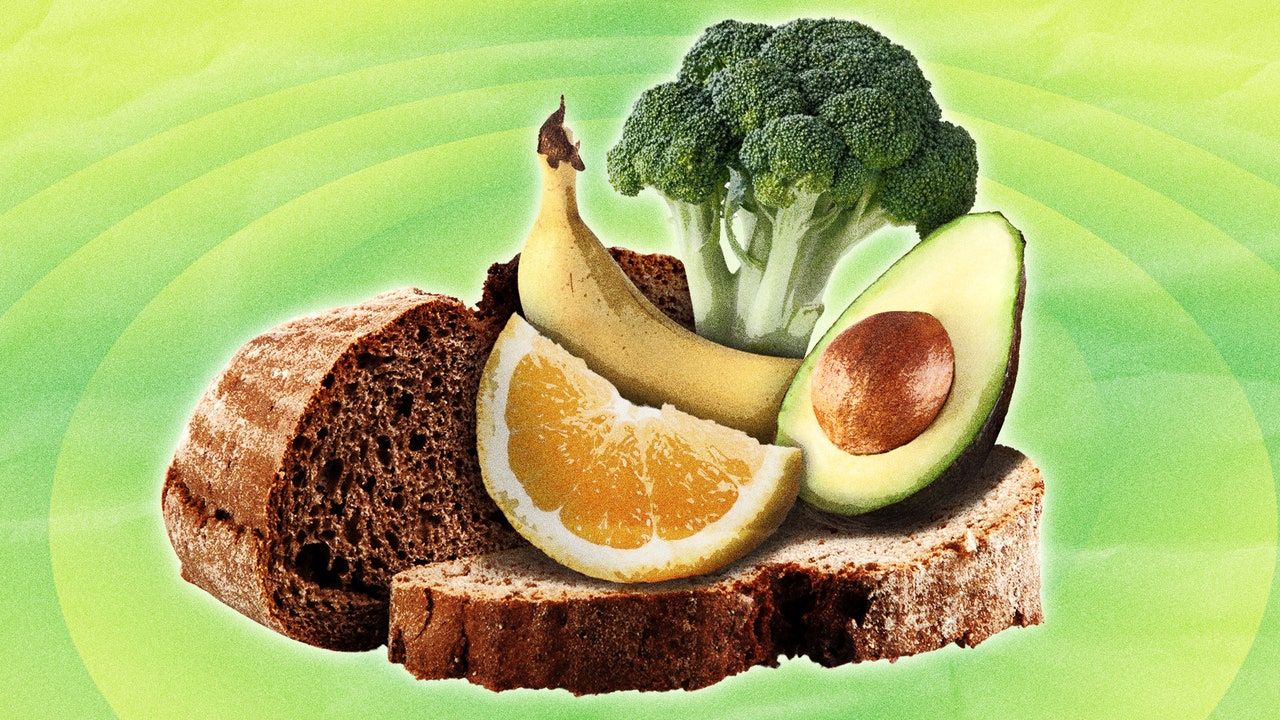
Recent research shows that only 5 percent of Americans are getting the recommended amount of fiber in their diets daily, despite its numerous health benefits such as normalizing bowel movements, maintaining bowel health, lowering cholesterol levels, reducing inflammation and blood pressure, controlling blood sugar levels, and increasing satiety to manage weight and hunger. Fiber, a type of carbohydrate found in plant foods, acts as a prebiotic, promoting the growth and health of good bacteria in the gut, and comes in two types: soluble and insoluble, each with its own role in digestion. Incorporating high-fiber foods like beans, lentils, nuts, fruits, vegetables, and whole grains into your diet can help improve gut health and prevent digestive discomfort.

Man Discovers Live Fly Inside His Intestines, Sparking Horror

Originally Published 2 years ago — by The Independent

Featured image for Man Discovers Live Fly Inside His Intestines, Sparking Horror
Source: The Independent

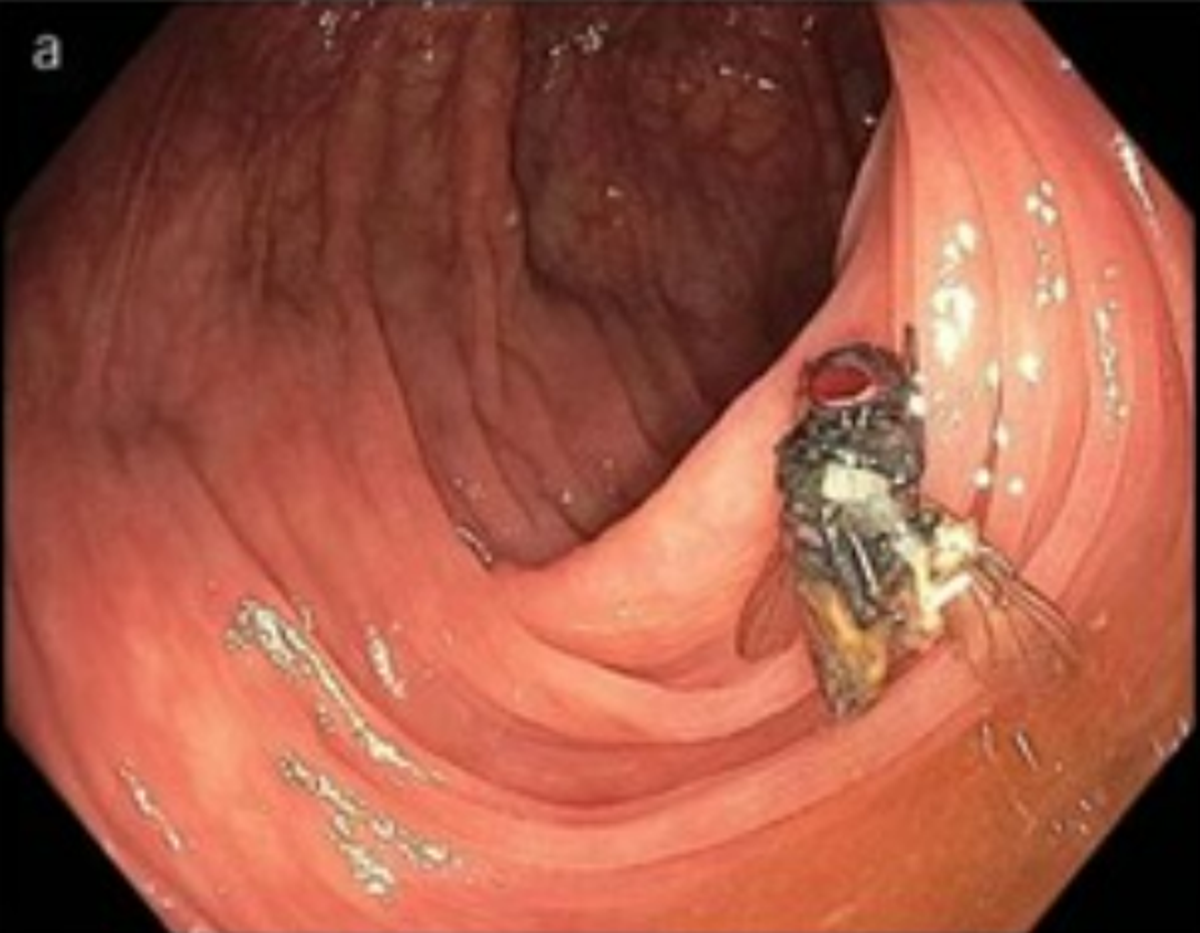
A 63-year-old man in Missouri discovered a fully intact fly inside his transverse colon during a routine colon screening. The patient had no symptoms and was unsure how the insect got into his body. Doctors speculate that the fly may have entered through consumption or through the rectum, but remain uncertain. In rare cases, insects can survive stomach acid and the gastrointestinal environment, causing intestinal myiasis. The incident represents a very rare colonoscopy finding and a medical mystery.

"Gastroenterologists' Surprising Alcohol Consumption Habits Unveiled"

Originally Published 2 years ago — by Newsweek

Featured image for "Gastroenterologists' Surprising Alcohol Consumption Habits Unveiled"
Source: Newsweek

Gastroenterologists have revealed that alcohol consumption can have negative effects on the digestive system, including stomach pain, nausea, and acid reflux. While there is no "safe" alcohol for the gut, some types are considered safer than others, such as dry wine. Prolonged, high alcohol consumption can also lead to long-term health issues like high blood pressure, heart disease, and liver disease. Gastroenterologists recommend minimizing alcohol consumption and opting for moderation, with a maximum of one glass per sitting.

"Gastroenterologists' Top Fast Food No-Gos"

Originally Published 2 years ago — by Newsweek

Featured image for "Gastroenterologists' Top Fast Food No-Gos"
Source: Newsweek

Gastroenterologists caution against consuming fast foods that are high in salt, sugar, and fat, as they can be detrimental to health if consumed too often. These foods can lead to gastrointestinal issues such as constipation and diverticular disease. Gastroenterologists also advise avoiding burgers and chips due to their high processed and animal-derived fat content, which can be harmful to the gut. Fast food consumption has been associated with higher caloric intake, poor diet quality, and digestive problems. Additionally, gastroenterologists recommend avoiding undercooked or charred meat due to infection risk and the potential formation of cancer-causing chemicals.

Digestion Time: Unveiling the Speed of Food Breakdown

Originally Published 2 years ago — by Livescience.com

Featured image for Digestion Time: Unveiling the Speed of Food Breakdown
Source: Livescience.com

The time it takes to digest food varies depending on factors such as the composition of one's diet, age, stress levels, and lifestyle. Studies suggest that food can take anywhere from 0.4 to 15.3 hours to leave the stomach and from 3.3 to 7 hours to pass through the entire small intestine. The indigestible parts of food can remain in the large intestine for approximately 15.9 to 28.9 hours. Foods rich in dietary fiber, protein, complex carbohydrates, and fats tend to take longer to digest. Lifestyle factors such as thorough chewing, hydration, and exercise can speed up digestion, while age, stress, certain medical conditions, and medications can affect digestion.

"Supercharge Your Gut Health for a Happier, Healthier Life"

Originally Published 2 years ago — by The News International

Featured image for "Supercharge Your Gut Health for a Happier, Healthier Life"
Source: The News International

There is currently a shortage of widely used laxatives, such as Miralax and Dulcolax, due to an aging population and increased awareness of gut health. However, misusing laxatives for weight loss can be dangerous, leading to dehydration, electrolyte imbalances, and nutrient deficiencies. Instead, focus on hydration, fiber-rich foods, probiotics, and exercise for a healthier digestive system. It is important to consult a healthcare professional for personalized advice and to prioritize overall well-being over quick fixes.