Tag

Cognitive Processing

All articles tagged with #cognitive processing

Scientists Unveil Detailed Brain Map from Movie Watching Study

Originally Published 1 year ago — by Neuroscience News

Featured image for Scientists Unveil Detailed Brain Map from Movie Watching Study
Source: Neuroscience News

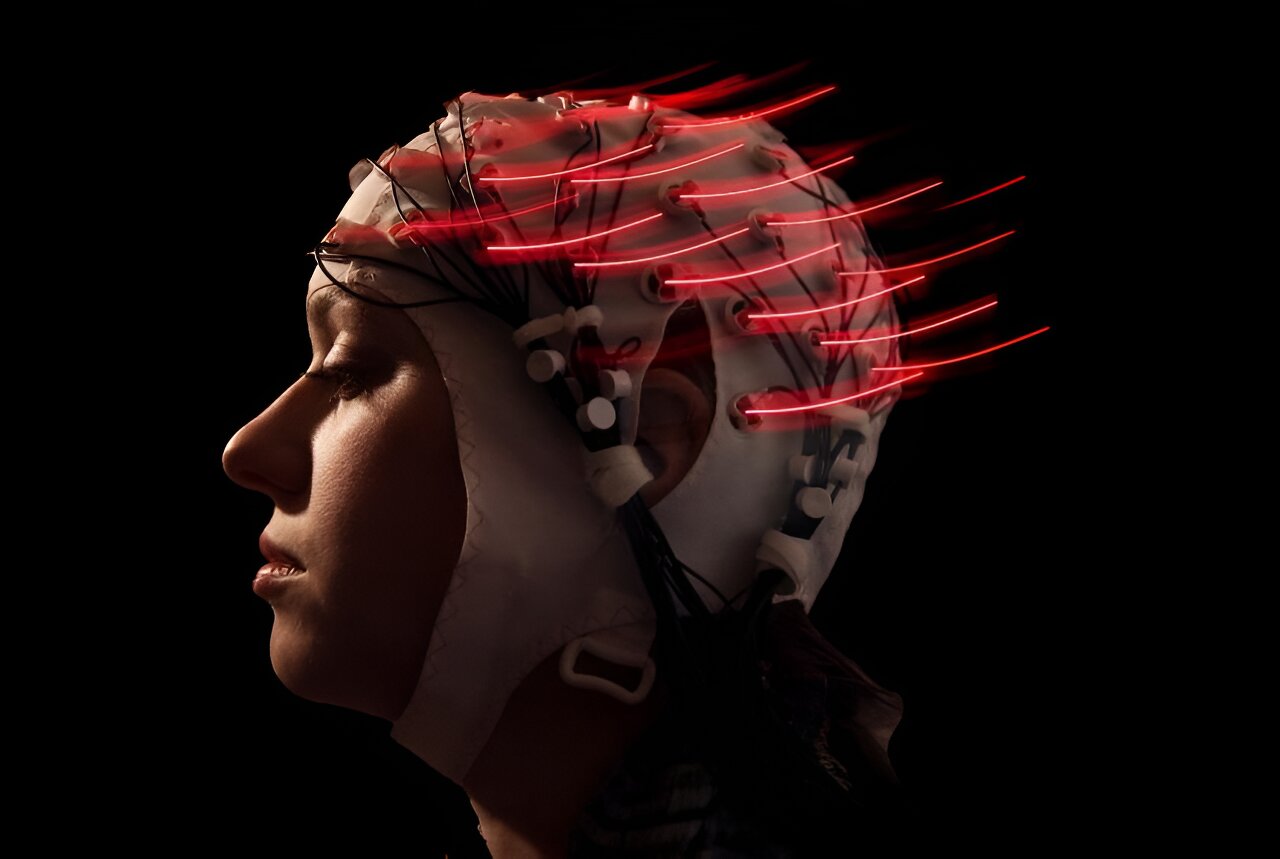
Neuroscientists have developed a detailed functional map of the brain by analyzing fMRI scans of individuals watching films, identifying 24 distinct networks that process various aspects like faces, speech, and movement. This study, using data from the Human Connectome Project, reveals how executive functions shift between easy and challenging scenes, providing insights into brain responses to complex audio-visual stimuli. The findings could aid future research on individual brain responses related to age or cognitive disorders.

"Middle-Aged People Show Early Signs of Positive Attitude Shift: Study"

Originally Published 1 year ago — by Medical Xpress

Featured image for "Middle-Aged People Show Early Signs of Positive Attitude Shift: Study"
Source: Medical Xpress

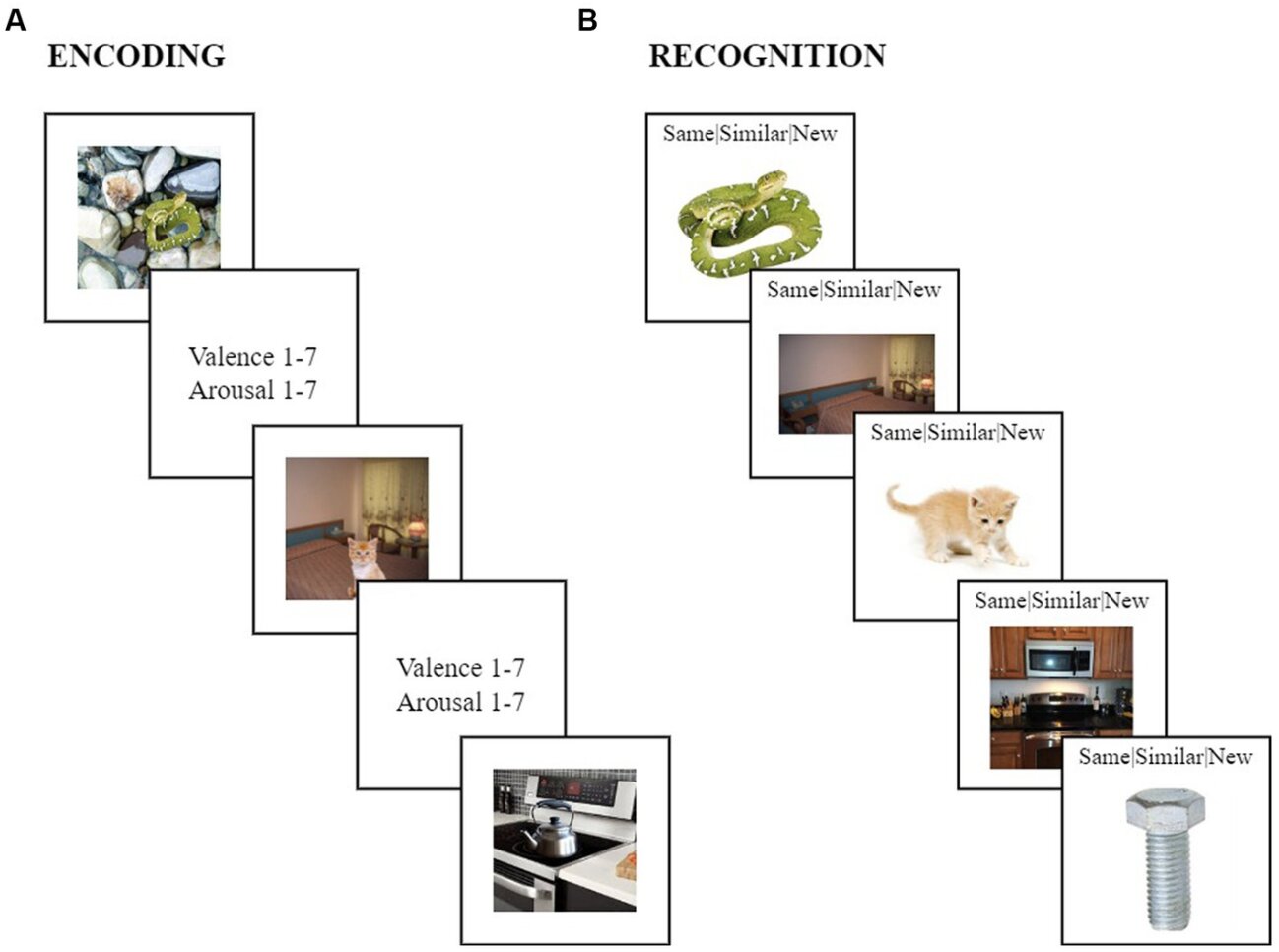
A study published in Frontiers in Behavioral Neuroscience suggests that the shift towards a more positive attitude, commonly observed in older adults, may begin as early as late middle age (48-59 years old). The research found that late middle-aged individuals displayed a greater preference for positive and neutral scenes compared to early middle-aged adults, indicating a potential early emergence of a positivity bias. These findings could inspire further studies on emotional processing at different life stages and provide insight into how aging impacts cognitive and emotional well-being.

"Decoding Neural Navigation: Insights from Insect Brain Studies"

Originally Published 1 year ago — by Neuroscience News

Featured image for "Decoding Neural Navigation: Insights from Insect Brain Studies"
Source: Neuroscience News

A study on fruit flies has revealed the neural pathways involved in navigation, showing how three distinct groups of neurons translate directional signals into corrective actions. This research not only deepens our understanding of navigation in simpler organisms but also lays the groundwork for future studies on the neural basis of behavior in more complex species, including humans. The findings provide insights into how internal cognitive states like direction sense are converted into tangible actions, offering a detailed look at how directional sensing is functionally connected to the brain’s steering mechanisms, guiding navigation.

"The Cognitive Process of Assigning Blame and Learning from Mistakes"

Originally Published 2 years ago — by Medical Xpress

Featured image for "The Cognitive Process of Assigning Blame and Learning from Mistakes"
Source: Medical Xpress

University of Iowa researchers have discovered that the human brain can quickly distinguish between outcomes caused by human error and those that are blameless. In just one second, the brain can differentiate between the two, and in cases of human error, it takes additional time to catalog the mistake and inform the rest of the body to avoid repeating it. This study provides evidence that the brain has genuine error-specific systems that trigger adaptive responses, such as slowing down ongoing actions.

Unraveling the Mysteries of Cognition: Insights from Newly Discovered Brain Activity Spirals

Originally Published 2 years ago — by Singularity Hub

Featured image for Unraveling the Mysteries of Cognition: Insights from Newly Discovered Brain Activity Spirals
Source: Singularity Hub

Researchers have discovered spiraling wave activity patterns in the brain that correlate with cognition. Using brain scans from the Human Connectome Project, the team found that these spirals organize the flow of brain activity and are dedicated to specific cognitive tasks. By analyzing these spiral wave fingerprints, the researchers were able to classify different stages of cognitive processing. The findings provide insights into how the brain coordinates its activity and could have implications for understanding neurological disorders.

The Impact of Depression on Perception and TV Preferences

Originally Published 2 years ago — by Neuroscience News

Featured image for The Impact of Depression on Perception and TV Preferences
Source: Neuroscience News

Individuals who have recovered from a major depressive episode exhibit a cognitive pattern characterized by a heightened focus on negative information and reduced attention to positive information, putting them at a higher risk for relapse. A meta-analysis of 44 studies involving over 4,000 participants revealed that those with a history of depression displayed a stronger bias towards processing negative stimuli compared to healthy controls. This cognitive imbalance suggests a decreased control over information processing and a predisposition towards negativity. The findings highlight the need for strategies to increase the processing of positive information in the treatment of depression.

The Power of Breath: Synchronizing Neural Activity in the Waking Brain

Originally Published 2 years ago — by PsyPost

Featured image for The Power of Breath: Synchronizing Neural Activity in the Waking Brain
Source: PsyPost

Breathing plays a crucial role in coordinating brain activity in the prefrontal brain network during wakefulness, according to a study published in Scientific Reports. The research suggests that respiration can synchronize neural activity, particularly in the gamma rhythm frequency range, in cognitive areas of the brain. This finding provides new insights into the relationship between breathing and cognitive processing and could have implications for meditative practices that involve controlled breathing. The study also highlights the importance of understanding the connection between body and mind in cognitive experiences.

Spiral Brain Waves and Cognitive Function: A Correlation

Originally Published 2 years ago — by Neuroscience News

Featured image for Spiral Brain Waves and Cognitive Function: A Correlation
Source: Neuroscience News

Researchers have discovered swirling spiral patterns of brain signals on the human cortex that play a crucial role in organizing brain activity and cognitive processing. These spirals facilitate intricate interactions for computational efficiency and allow for flexible reconfiguration of brain activity during various tasks involving natural language processing and working memory. The study's findings were obtained from functional magnetic resonance imaging (fMRI) brain scans of 100 young adults, which the researchers analyzed using methods typically employed to understand complex wave patterns in turbulence.

Spiral Brain Waves Linked to Cognitive Processing

Originally Published 2 years ago — by Nature.com

Featured image for Spiral Brain Waves Linked to Cognitive Processing
Source: Nature.com

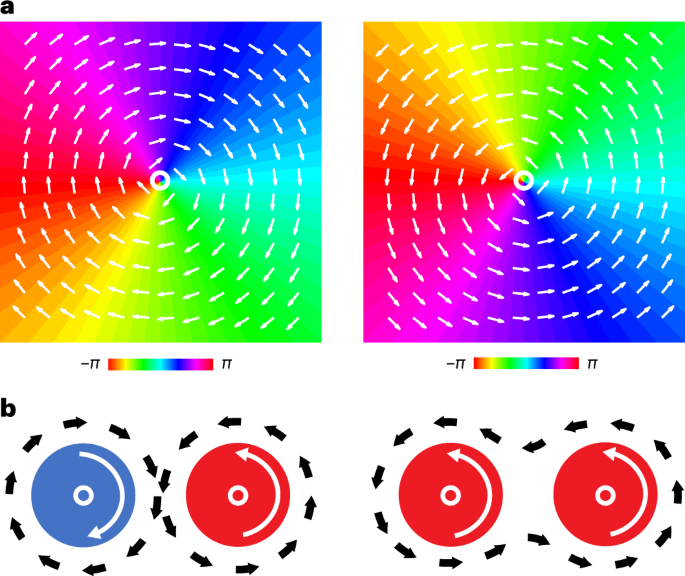
Researchers have discovered that interacting spiral wave patterns underlie complex brain dynamics and are related to cognitive processing. The study used fMRI data to identify these patterns and found that they propagate across the cortex in a hierarchical manner. The findings suggest that these patterns may play a role in the organization of resting-state networks and could provide insight into the neural basis of cognition. The data and code used in the study are publicly available.