
The Changing Definition of Time: Earth's Leap Minute and the Future of Seconds
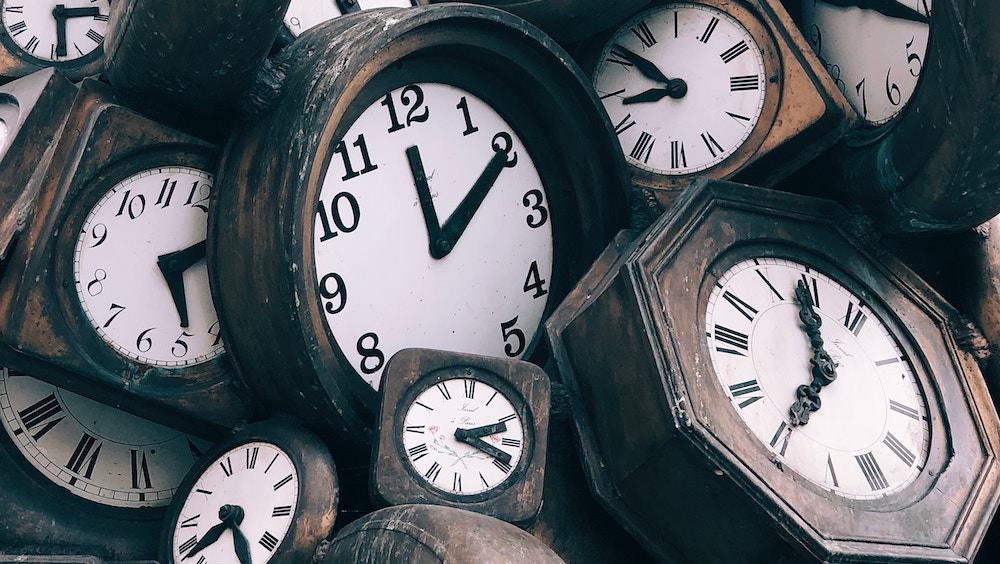
A leading time scientist, Judah Levine, suggests introducing a leap minute to align the Earth's two official clocks, the Universal Time clock and the atomic clock, which currently require leap seconds to stay synchronized. Levine believes that allowing a slight deviation between the clocks could enable the addition of a leap minute every 50 years, providing a more manageable solution. However, industries relying on precise time, such as flight control and stock trading, may face challenges. Some tech companies have already developed their own methods to manage time variations, while a planned 100-year pause on the leap second in 2035 requires global agreement.
Reading Insights
0
1
2 min
vs 3 min read
81%
534 → 103 words
Want the full story? Read the original article
Read on Giant Freakin Robot