

Lisa Kaltenegger, director of the Carl Sagan Institute at Cornell University, discusses her new book "Alien Earths: The New Science of Planet Hunting in the Cosmos," which chronicles her insights and adventures in the search for signs of extraterrestrial life. She emphasizes the excitement and inspiration surrounding the hunt for alien life, especially with the James Webb Space Telescope's ability to observe potentially Earth-like planets.
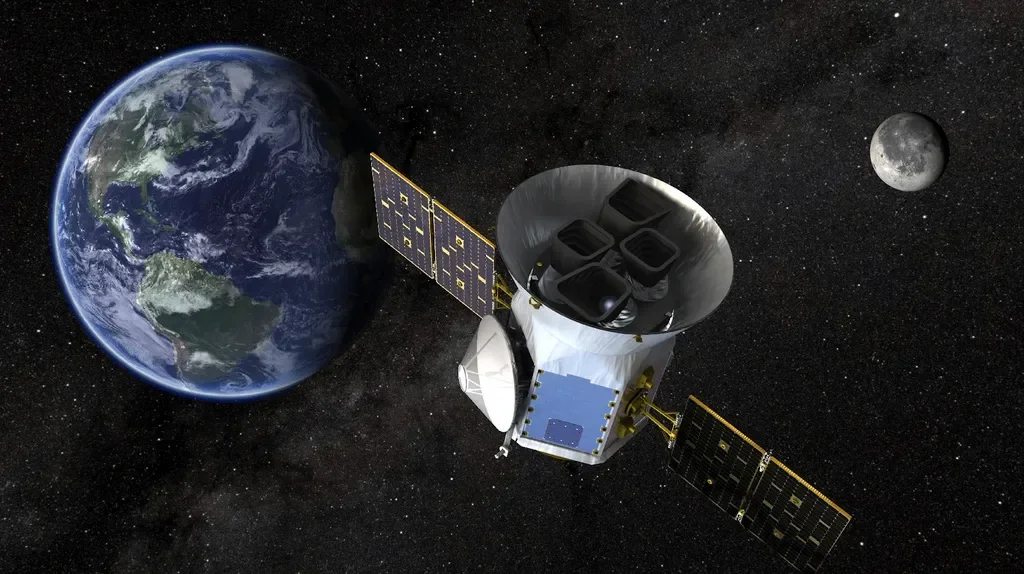
Astronomers have discovered a rare solar system with six planets in perfect synchrony, moving like a grand cosmic orchestra. Located 100 light-years away in the constellation Coma Berenices, this unique system provides insights into the formation of solar systems in the Milky Way. The planets, roughly two to three times the size of Earth, have densities similar to gas giants and are too hot to support life. The orbits of the planets exhibit precise resonance, with the innermost planet completing three orbits for every two by its closest neighbor. This discovery sheds light on the rarity of such synchronized systems and the factors that can disrupt their harmony.