Tag

Synapses

All articles tagged with #synapses

Innovative Imaging Techniques Unveil Brain Cell Activity and Learning Processes

Originally Published 26 days ago — by ScienceAlert

Featured image for Innovative Imaging Techniques Unveil Brain Cell Activity and Learning Processes
Source: ScienceAlert

Researchers developed a new 'zap-and-freeze' technique to rapidly freeze and study brain cell activity, revealing ultrafast endocytosis processes in both mice and human brain tissues, which could provide insights into the mechanisms of Parkinson's disease and aid in developing targeted treatments.

Key Brain Protein Could Unlock Treatments for Memory Loss and Neurodegenerative Diseases

Originally Published 6 months ago — by Medical Xpress

Featured image for Key Brain Protein Could Unlock Treatments for Memory Loss and Neurodegenerative Diseases
Source: Medical Xpress

Scientists have discovered a key role for the brain protein cypin in maintaining neuron connections, which could lead to new treatments for memory loss, brain injuries, and neurodegenerative diseases like Alzheimer's and Parkinson's by improving synaptic function and plasticity.

Molecular Binding in the Brain Forms Long-Lasting Memories

Originally Published 6 months ago — by WIRED

Featured image for Molecular Binding in the Brain Forms Long-Lasting Memories
Source: WIRED

Neuroscientists, including Todd Sacktor, have discovered that a persistent bond between two proteins in brain synapses is crucial for long-term memory storage, providing a molecular explanation for how memories last a lifetime despite molecular turnover, addressing a longstanding question in neuroscience.

Decoding Memory: Molecular Signals in the Hippocampus

Originally Published 1 year ago — by Neuroscience News

Featured image for Decoding Memory: Molecular Signals in the Hippocampus
Source: Neuroscience News

A study by ISTA and the Max Planck Institute reveals molecular mechanisms of memory formation in the hippocampus, focusing on mossy fiber synapses. Researchers found that proteins Cav2.1 and Munc13 rearrange during memory processing, enhancing synapse precision and power. Using live mouse brain tissue and advanced imaging, the study provides real-time insights into how neurotransmitters and synaptic plasticity enable the hippocampus to encode experiences, offering a foundation for understanding memory-related disorders.

New Imaging Technique Unveils Brain Differences in Autism and Schizophrenia

Originally Published 1 year ago — by SciTechDaily

Featured image for New Imaging Technique Unveils Brain Differences in Autism and Schizophrenia
Source: SciTechDaily

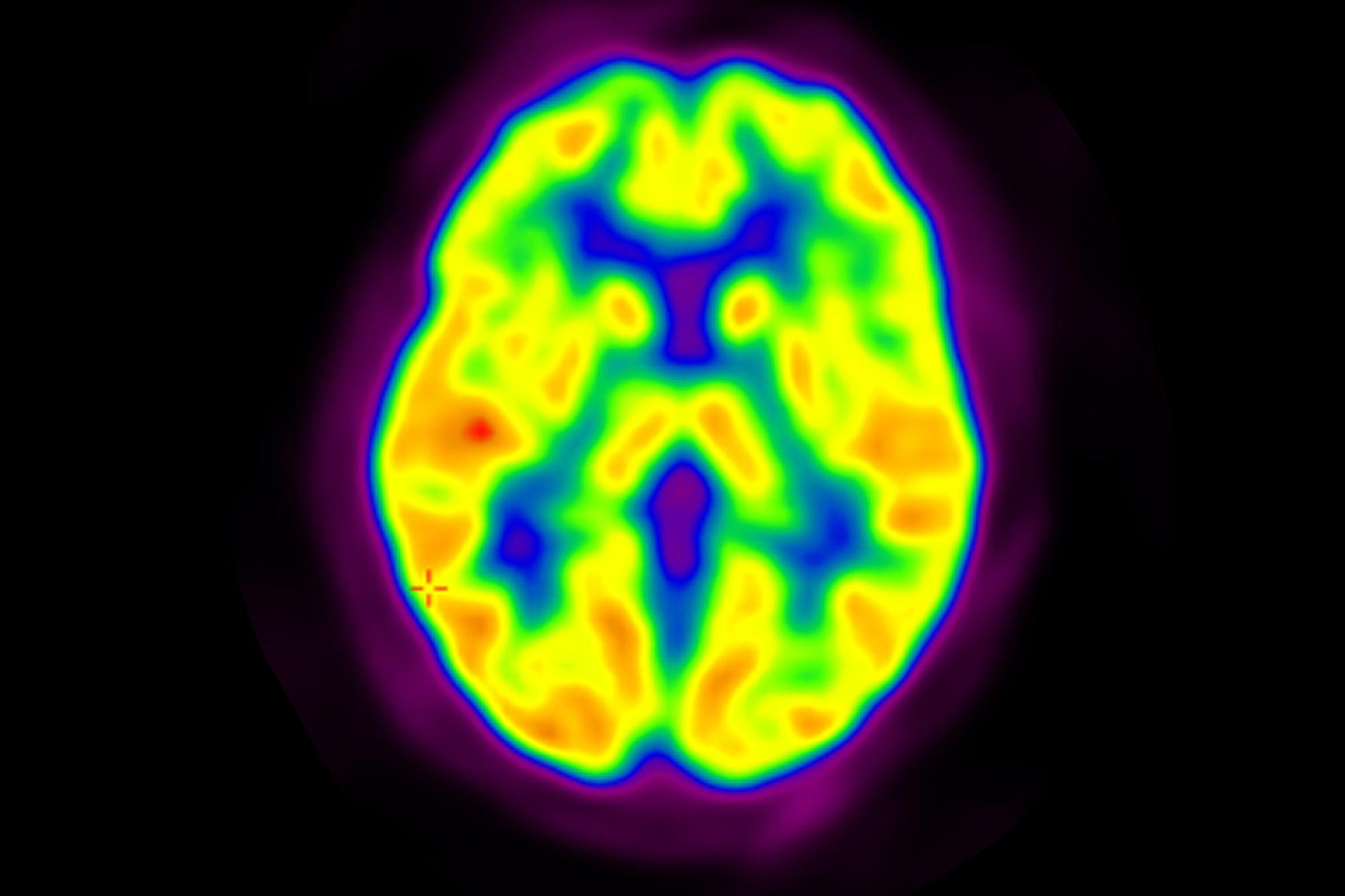
A new study using PET scans has found that autistic individuals have fewer synapses in their brains, which correlates with more pronounced autism traits such as social and communication difficulties. This discovery marks the first time synaptic density has been measured in living autistic individuals and could revolutionize diagnostic and treatment approaches, potentially leading to more targeted interventions. The research highlights the importance of understanding the biological underpinnings of autism to improve support and quality of life for those on the spectrum.

Study Reveals Brain's Data Storage Capacity is 10x Greater Than Believed

Originally Published 1 year ago — by Livescience.com

Featured image for Study Reveals Brain's Data Storage Capacity is 10x Greater Than Believed
Source: Livescience.com

A new study reveals that the brain can store nearly 10 times more information than previously thought, thanks to a more precise method of measuring synaptic strength and plasticity. This finding, based on research in rat hippocampus, suggests that synapses can store between 4.1 and 4.6 bits of information, challenging earlier assumptions and potentially enhancing our understanding of learning, aging, and neurological diseases.

"Unlocking Brain Storage: Measuring Synaptic Information Capacity"

Originally Published 1 year ago — by Medical Xpress

Featured image for "Unlocking Brain Storage: Measuring Synaptic Information Capacity"
Source: Medical Xpress

Researchers at the Salk Institute have developed a new method using information theory to measure synaptic strength, plasticity, and information storage in the brain, revealing that synapses can store 10 times more information than previously thought. This breakthrough could significantly advance our understanding of learning, memory, and neurological diseases.

"Protein Discovery Offers Potential Alzheimer's Synapse Repair Solution"

Originally Published 1 year ago — by Medical Xpress

Featured image for "Protein Discovery Offers Potential Alzheimer's Synapse Repair Solution"
Source: Medical Xpress

Scientists have discovered a potential way to repair synapses damaged in Alzheimer's disease by focusing on the protein KIBRA, which is found in the brain and is crucial for synaptic function. The study proposes an alternate strategy for reversing the memory problems associated with Alzheimer's disease and related dementias, aiming to restore memory by targeting the damage caused by the disease rather than reducing toxic proteins in the brain. The research suggests that KIBRA could be used as a biomarker of synaptic dysfunction and cognitive decline, and a therapy based on this protein has shown promise in reversing memory impairment in laboratory mice with a condition mimicking human Alzheimer's disease. This approach could complement existing and future treatments by repairing synapses and improving their function.

"Consistent Neural Wiring Process Found Across Species"

Originally Published 2 years ago — by Livescience.com

Featured image for "Consistent Neural Wiring Process Found Across Species"
Source: Livescience.com

A new study has found that strong connections between neurons in the brains of various animal species form in the same way, indicating a universal mechanism underlying brain network formation. The research suggests that regardless of species, a principle known as Hebbian plasticity, where neurons that fire together wire together, guides the formation of these super strong connections. This finding may improve our understanding of brain structure and function in different animals, including humans.

"Sisters' Genetic Discovery Unlocks Parkinson's Disease Breakthrough"

Originally Published 2 years ago — by PsyPost

Featured image for "Sisters' Genetic Discovery Unlocks Parkinson's Disease Breakthrough"
Source: PsyPost

Scientists have made a groundbreaking discovery about the origins of Parkinson's disease, challenging the long-held belief that the death of neurons is the initial event. Instead, their research suggests that dysfunction in synapses, the communication hubs between neurons, may be a trigger for the disease. This finding opens up new possibilities for potential therapies that could significantly impact the lives of those affected by Parkinson's. The study was based on the case of two sisters with a genetic predisposition to the disease, and it revealed a previously unknown role of the parkin gene in Parkinson's. While further research is needed, this discovery offers hope for targeted therapeutic strategies that address synaptic dysfunction in the early stages of the disease.

Unveiling a Revolutionary Trigger for Parkinson's Disease

Originally Published 2 years ago — by Medical Xpress

Featured image for Unveiling a Revolutionary Trigger for Parkinson's Disease
Source: Medical Xpress

A new study challenges the common belief that the degeneration of dopaminergic neurons is the first event that triggers Parkinson's disease. The study suggests that dysfunction in the synapses of these neurons precedes neurodegeneration and leads to deficits in dopamine. This finding opens up a new avenue for therapies, as targeting dysfunctional synapses before neuronal death may be a more effective therapeutic strategy. The study also discovered a new mechanism involving the gene Parkin, which controls dopamine release and presents an opportunity to prevent the degeneration of dopamine neurons.

The Crucial Protein for Neuron Survival.

Originally Published 2 years ago — by SciTechDaily

Featured image for The Crucial Protein for Neuron Survival.
Source: SciTechDaily

MIT scientists found that the protein perlecan is vital for maintaining the structural integrity of neuronal axons. Without it, axons can break, leading to the death of synapses. Perlecan is part of the extracellular matrix that surrounds cells and helps them develop in a supportive, yet non-rigid environment. Humans need at least some perlecan to survive after birth. Mutations that reduce, but don’t eliminate, perlecan can cause Schwartz-Jampel syndrome, in which patients experience neuromuscular problems and skeletal abnormalities.

"Boosting Memory: Insights from Sleep and Brain Stimulation Research"

Originally Published 2 years ago — by Nature.com

Featured image for "Boosting Memory: Insights from Sleep and Brain Stimulation Research"
Source: Nature.com

A study on C. elegans worms shows that sleep is essential for maintaining memories associated with particular smells. The worms have a critical sleep window of 1-2 hours after odour training, during which they solidify their memories. Disturbing their sleep prevents crucial changes to their nervous system that are involved in forming long-lasting memories. The research paves the way for scientists to delve more into the processes that occur at the cellular and molecular level during sleep.

Proteasome's New Role in Brain Synapses Unveiled.

Originally Published 2 years ago — by Neuroscience News

Featured image for Proteasome's New Role in Brain Synapses Unveiled.
Source: Neuroscience News

The 19S regulatory particle, a component of the cellular proteasome machinery, has been found to have an independent role in regulating synaptic proteins at the synapses in the brain, according to a study published in Science. Using super-resolution imaging technique DNA PAINT, researchers discovered an abundance of free 19S particles interacting with synaptic proteins, suggesting a novel regulatory mechanism. This discovery may provide new targets for understanding and treating neurological diseases with dysfunctional synapses like dementia and Parkinson’s disease.