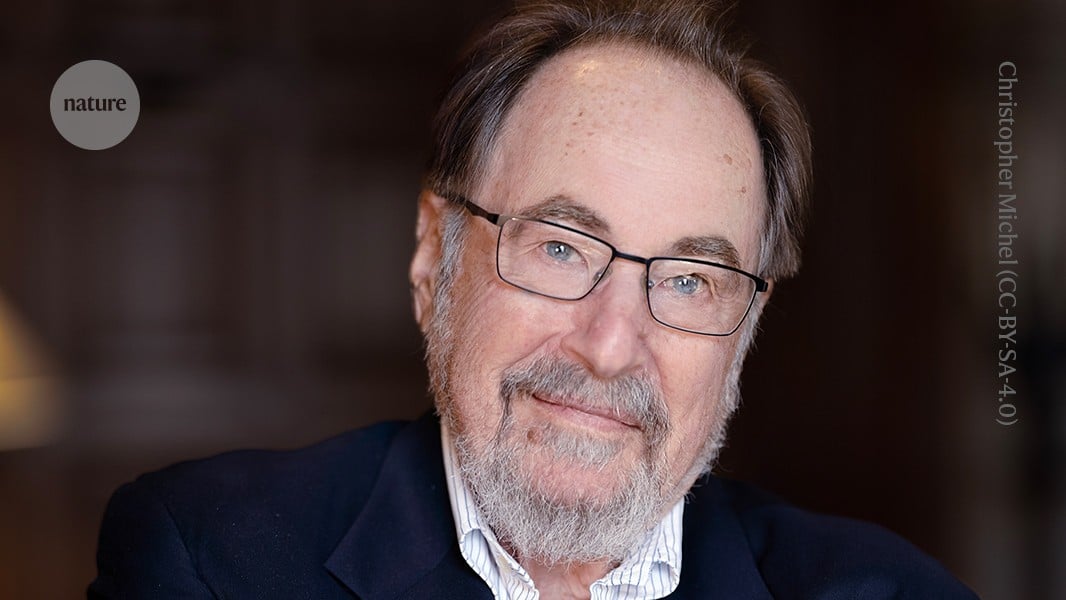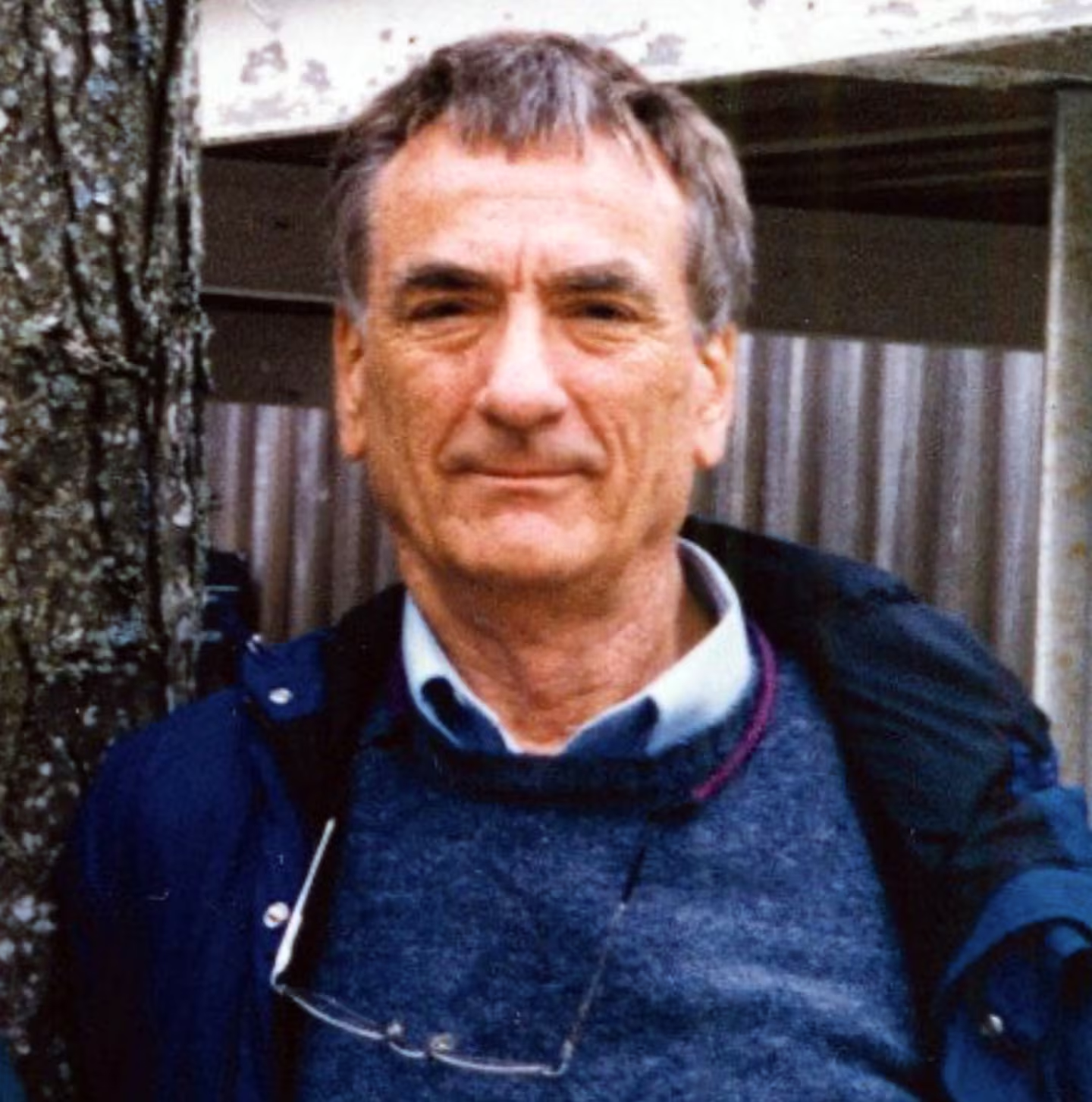
David Baltimore, a pioneering virologist whose discovery of reverse transcriptase revolutionized understanding of retroviruses and contributed significantly to cancer and HIV/AIDS research, has passed away at age 87. His work challenged the central dogma of molecular biology and provided essential tools for modern genetic research.
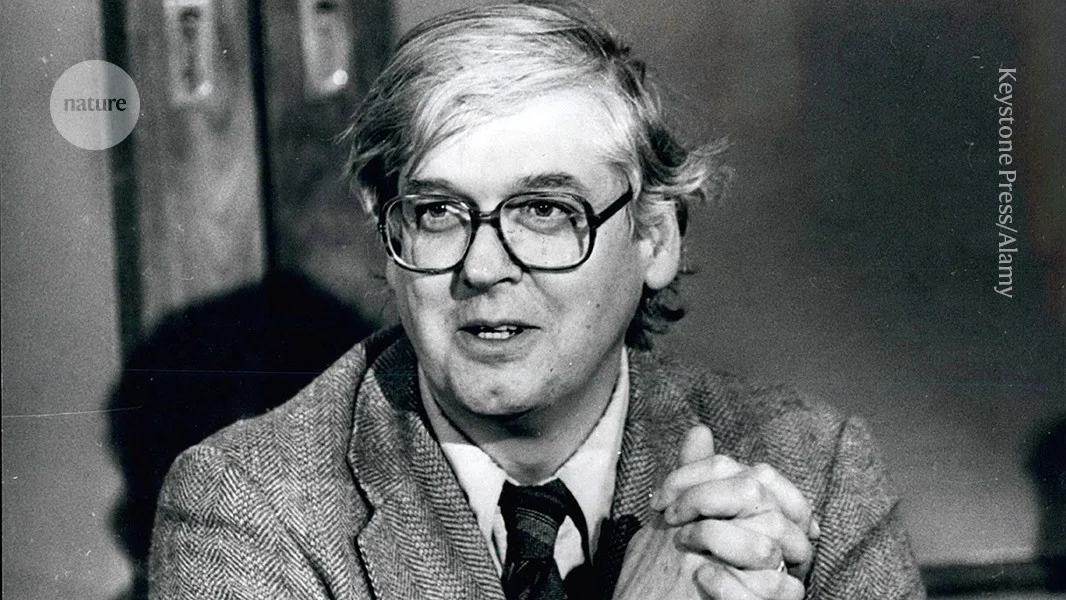
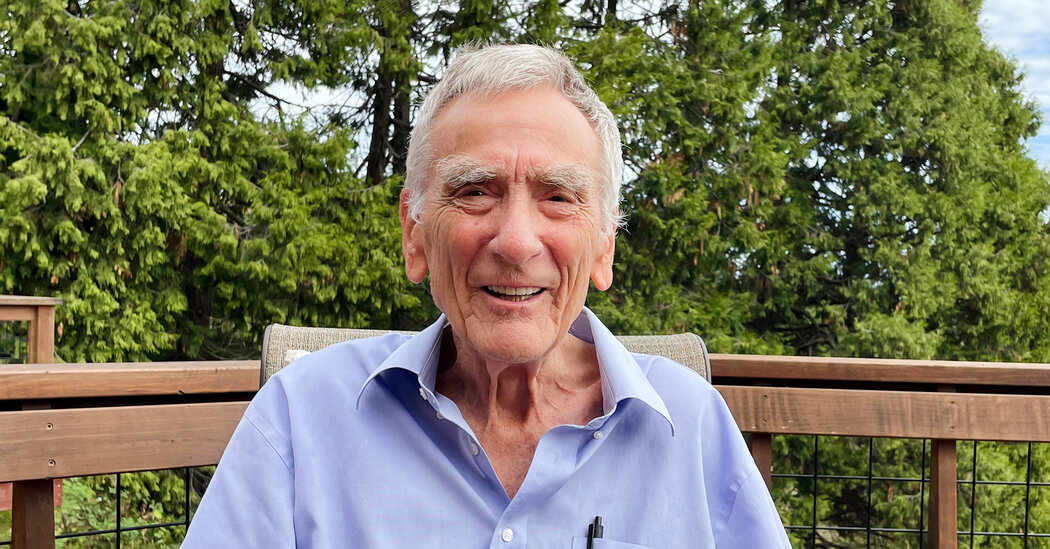
Hamilton Smith, a Nobel laureate and molecular biologist, co-discovered type II restriction enzymes that revolutionized DNA analysis, and later contributed to sequencing the first complete genome of a bacterium and the human genome, significantly advancing molecular biology and genomics.
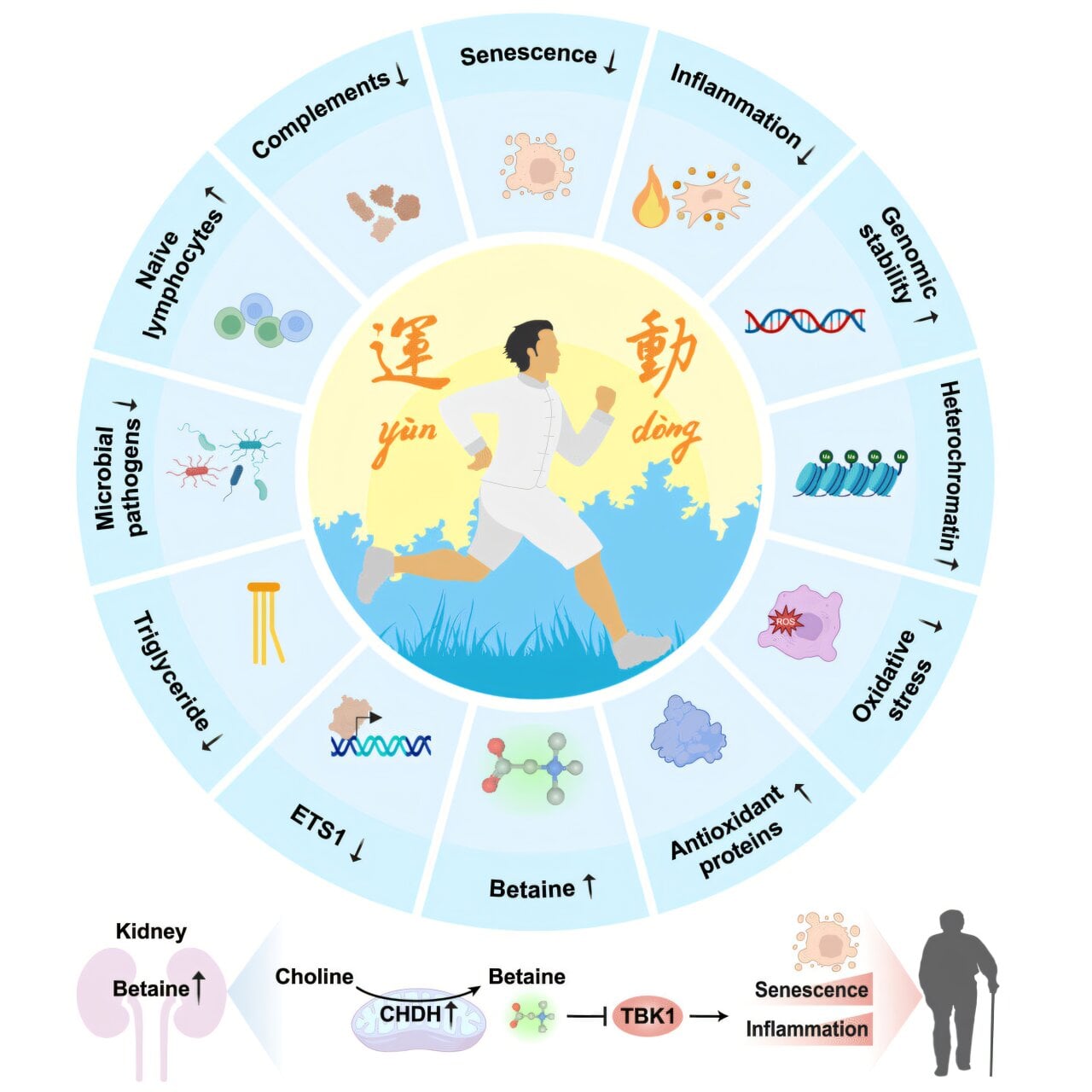
New research reveals that exercise rewires the body at a molecular level, influencing biological pathways and potentially serving as a powerful form of preventive medicine for chronic diseases, with future prospects for personalized exercise therapies based on molecular biomarkers.
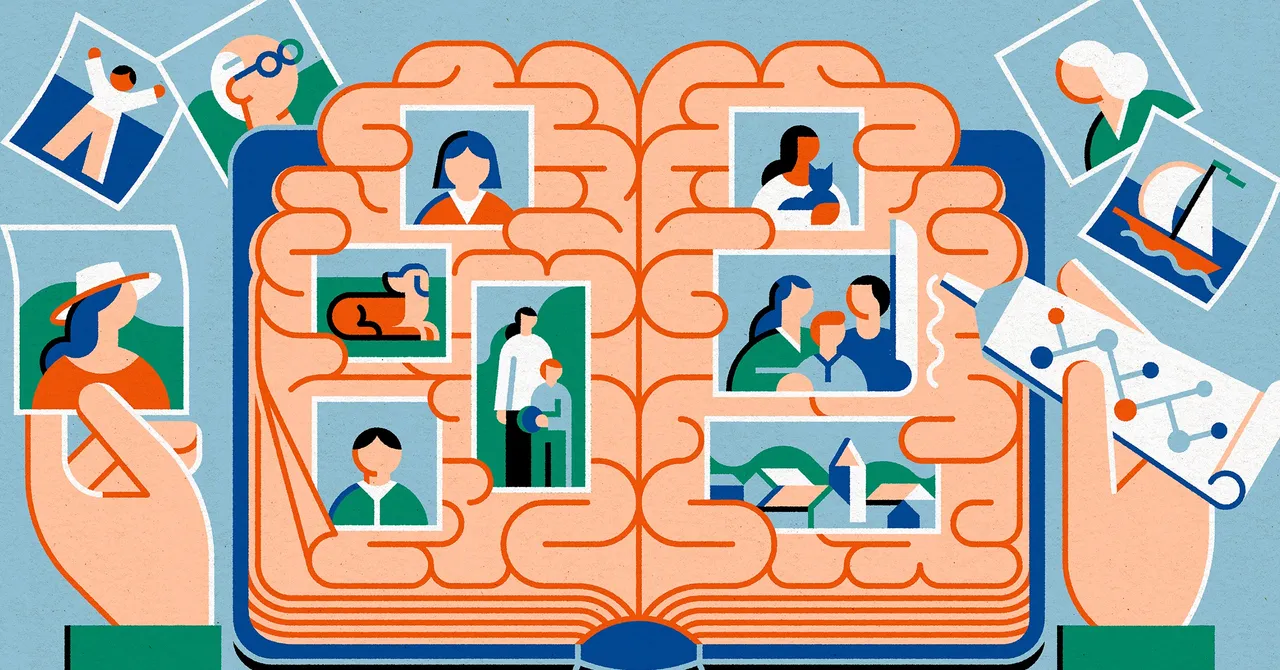
Scientists discovered that memories are stored not only in the brain but also in other body cells, with spaced chemical signals enhancing and prolonging cellular responses, suggesting that learning principles like timing and pattern are fundamental to all cells, not just neurons.
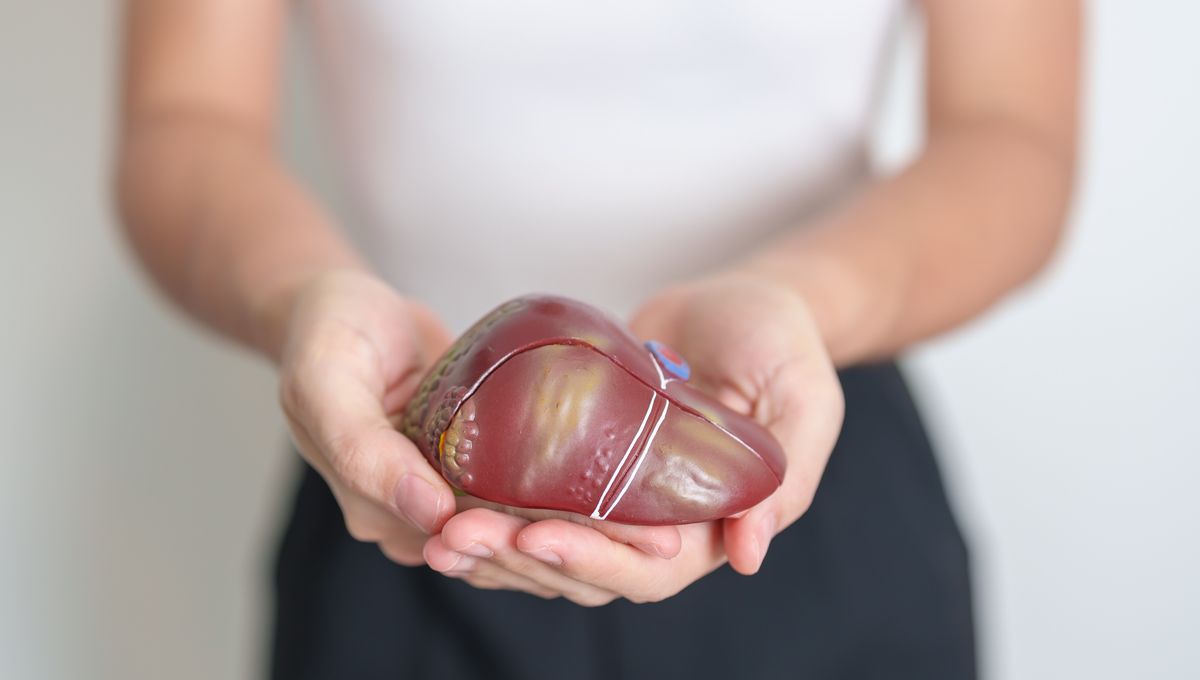
Excessive alcohol use impairs liver regeneration by causing splicing errors in key proteins, trapping damaged cells in a non-functional state even after sobriety, but understanding this mechanism opens avenues for new treatments.
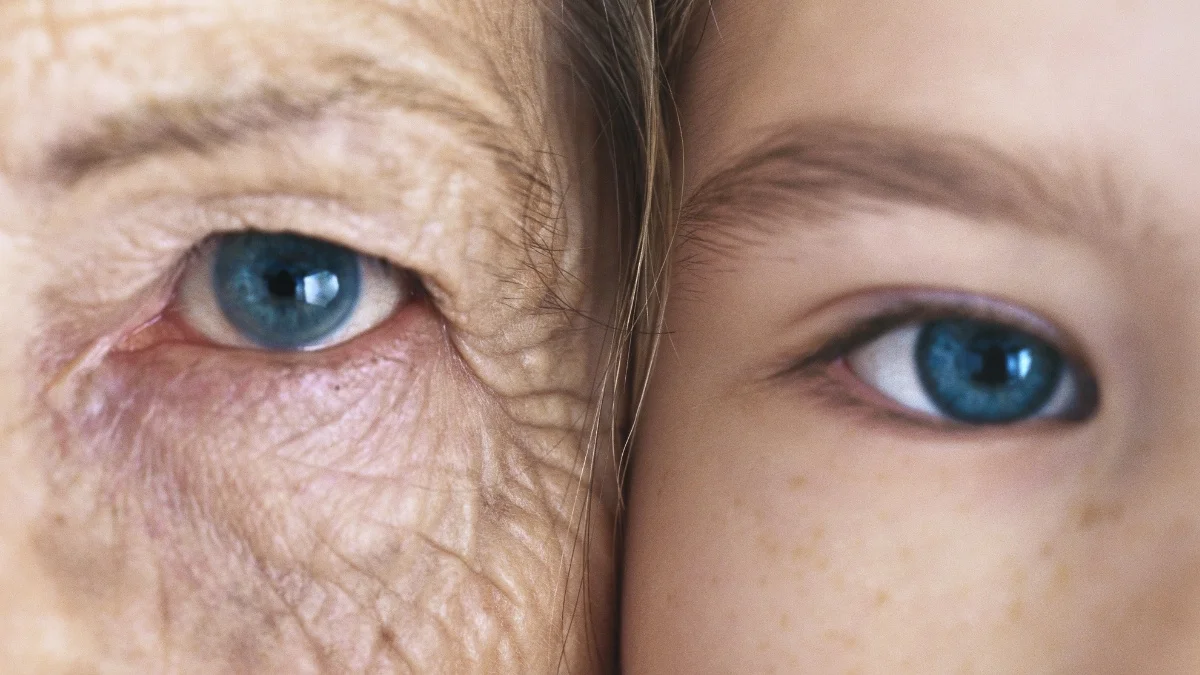
Scientists discovered that the protein HMGB1, in its reduced form, acts as a 'redox switch' that promotes aging by signaling healthy cells to become senescent, and blocking this protein in mice improved aging-related functions, suggesting new avenues for anti-aging therapies.
Franklin Stahl, a pioneering molecular biologist known for his crucial 1957-58 experiment with Matthew Meselson that elucidated DNA replication, passed away at 95 due to congestive heart failure, having spent most of his career at the University of Oregon.
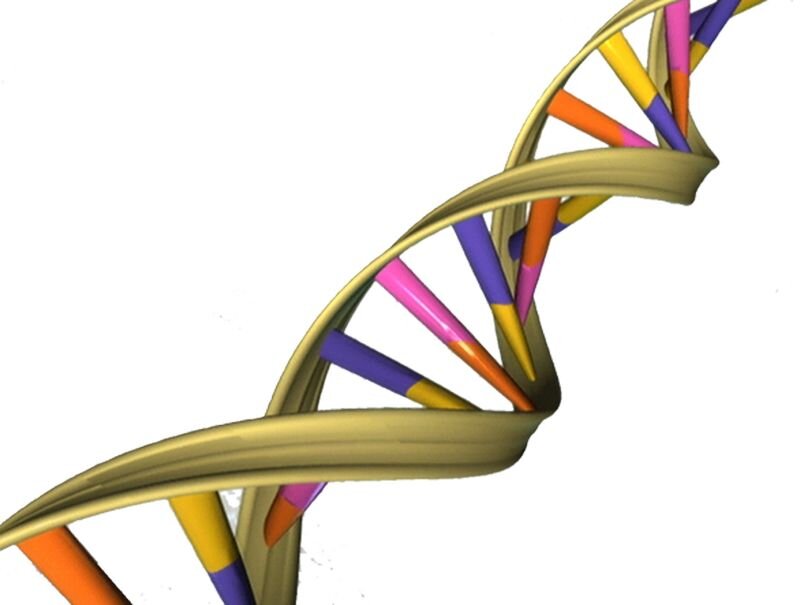
Franklin W. Stahl, a renowned molecular biologist, co-created the famous Meselson-Stahl experiment that proved DNA replicates semi-conservatively, a landmark discovery in genetics, and passed away at age 95 in Oregon.
Neuroscientists, including Todd Sacktor, have discovered that a persistent bond between two proteins in brain synapses is crucial for long-term memory storage, providing a molecular explanation for how memories last a lifetime despite molecular turnover, addressing a longstanding question in neuroscience.
Researchers have identified betaine, a molecule increased through sustained exercise, as a potential exercise mimetic that inhibits inflammation and aging-related pathways, offering prospects for healthy aging and therapeutic interventions without physical activity.
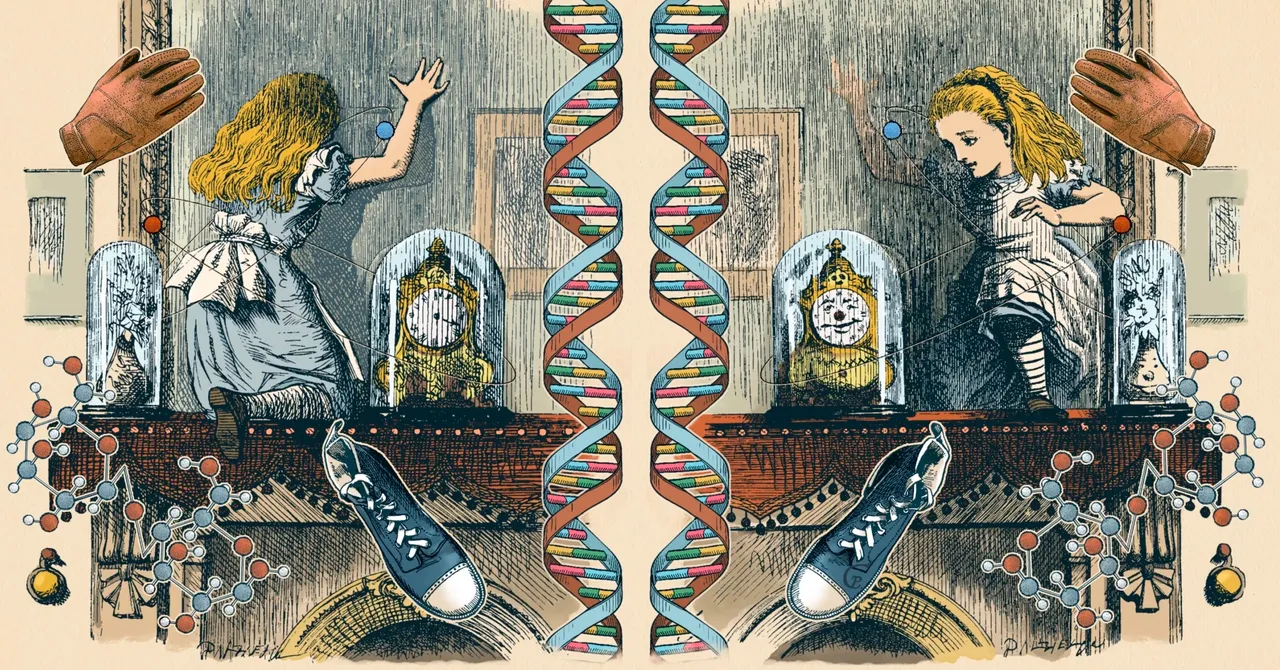
The article explores how the concept of mirror images, or chirality, influences various aspects of the universe, from molecules like sugars in our bodies to fundamental particles, highlighting differences between our universe and its mirror counterpart, and discussing implications for understanding the origins of life and particle physics.
Scientists from UCL have made progress in replicating RNA in laboratory conditions similar to early Earth by preventing the RNA double helix from zipping together, providing insights into how the first living organisms might have formed during the Earth's ancient 'RNA World' era. Although they have only achieved partial replication so far, this research marks a significant step toward understanding the origins of life.
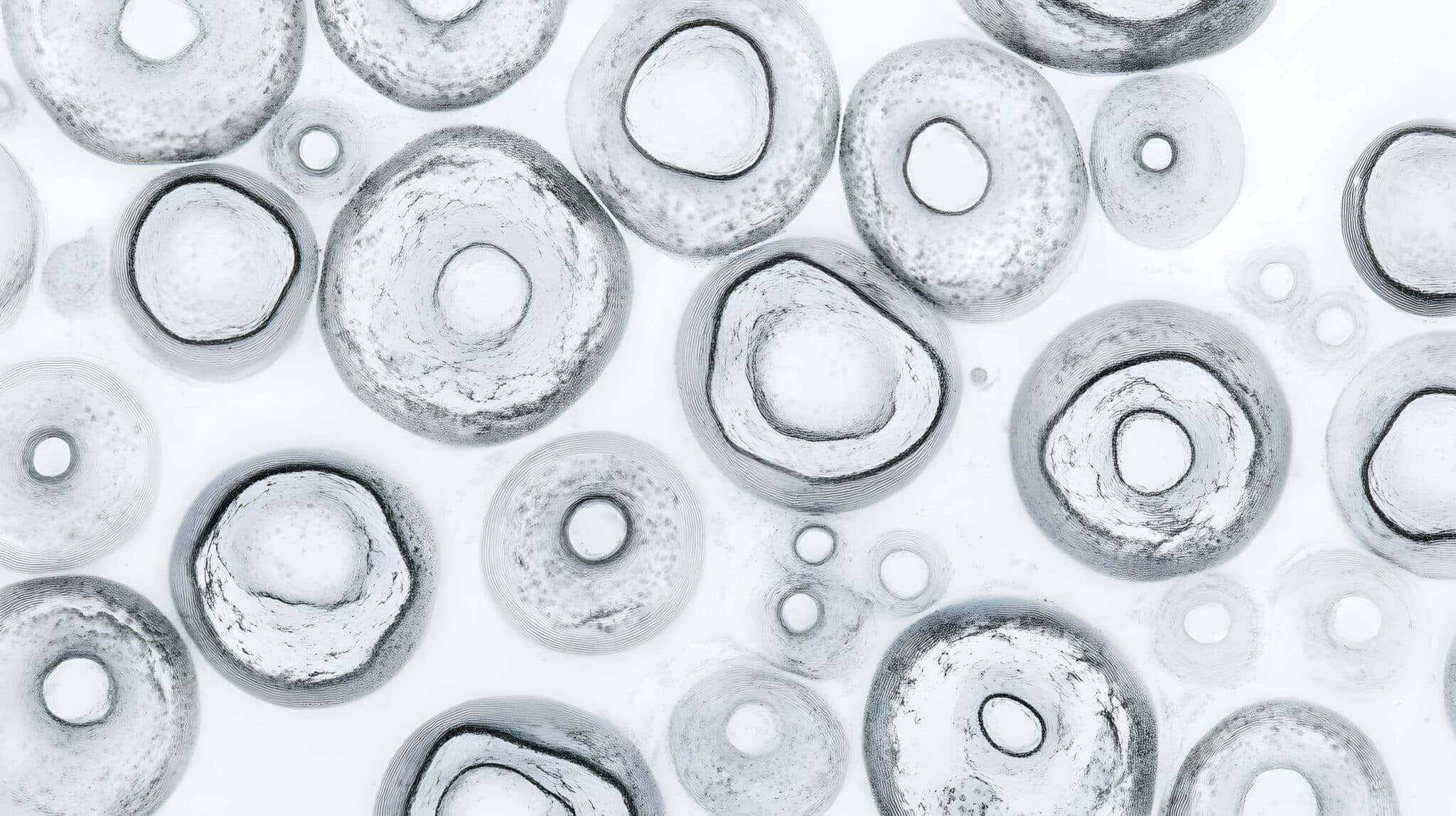
Scientists have discovered preserved blood cell-like structures in a 70-million-year-old dinosaur fossil, suggesting that ancient creatures could provide insights into human cancer, potentially aiding future treatments by studying the molecular building blocks of cancer from the distant past.
Researchers from the Kavli Institute and IMP Vienna Biocenter have discovered that SMC motor proteins, which form loops in DNA, also twist the DNA by 0.6 turns per loop. This finding, published in Science Advances, enhances our understanding of chromosome structure and function, and has implications for diseases like cohesinopathies. The study shows that this twisting mechanism is conserved across species, including humans and yeast, highlighting its evolutionary significance.
Google DeepMind has open-sourced AlphaFold 3, a significant advancement in protein structure prediction that can model complex interactions between proteins, DNA, RNA, and small molecules. This release, following the creators' Nobel Prize win, aims to accelerate drug discovery and molecular biology research. While the code is freely available, access to model weights requires permission, balancing open science with commercial interests. AlphaFold 3's diffusion-based approach enhances accuracy in predicting molecular interactions, promising substantial impacts on scientific discovery and medicine, despite some limitations.