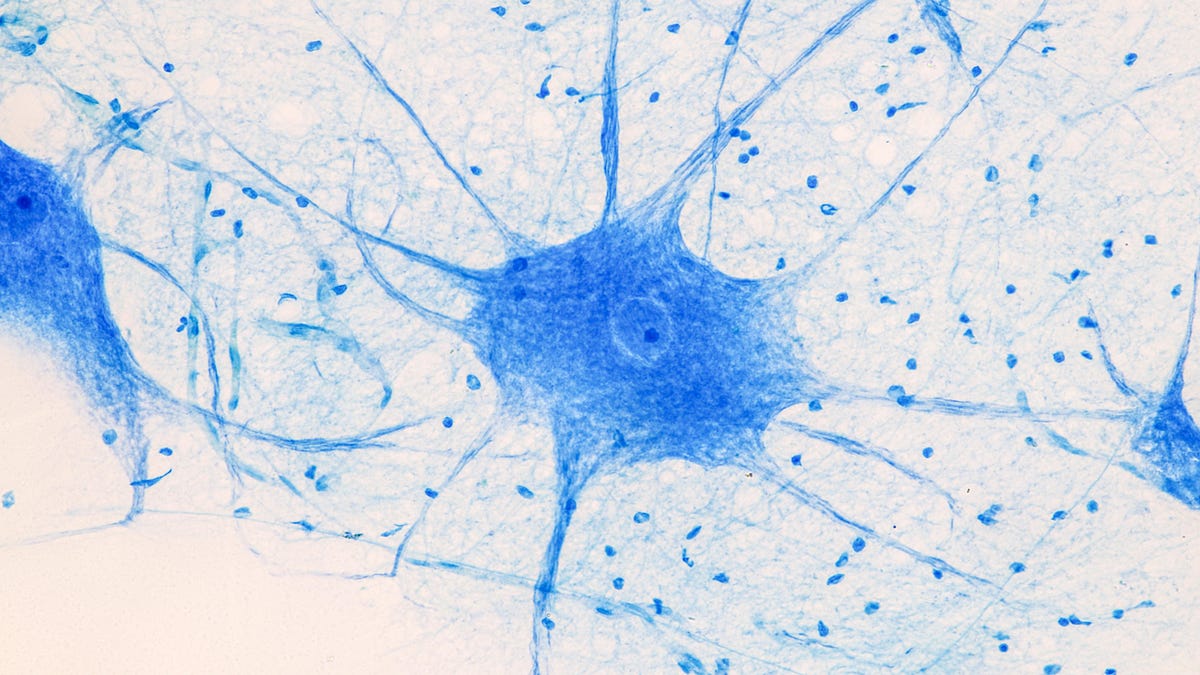
Actress Isabelle Tate, known for her role in '9-1-1: Nashville,' died at 23 due to a rare form of Charcot-Marie-Tooth disease, a hereditary neurological disorder that causes nerve damage and muscle weakness. Her family and agency highlighted her resilience and the importance of awareness and research for the disease, which currently has no cure but can be managed with treatment.
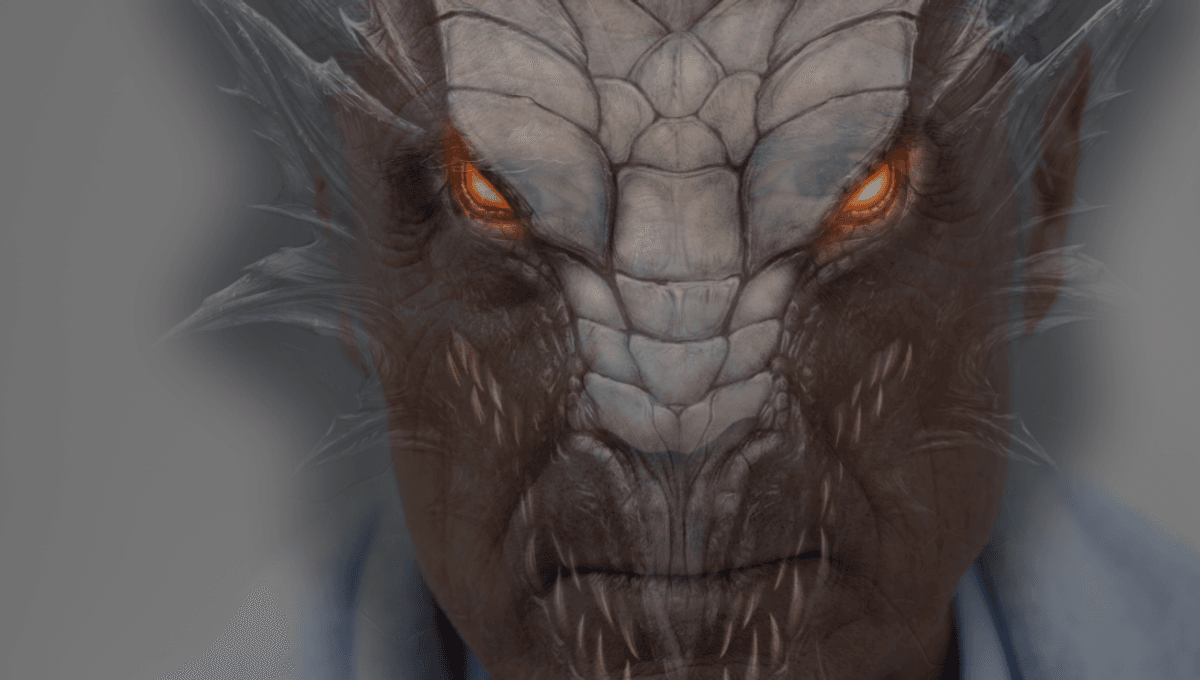
Prosopometamorphopsia, also known as 'Demon Face Syndrome,' is a rare neurological disorder where individuals see faces as distorted or transformed into other images, such as dragons or zombies, often caused by brain damage affecting visual processing. The condition is extremely rare, with only around 75 reported cases, and can significantly impact perception and quality of life.
Country music star Alan Jackson has announced his farewell tour, "Last Call: One More for the Road," after revealing he has been living with Charcot-Marie-Tooth disease, a genetic neurological condition that affects peripheral nerves. The disease, which Jackson inherited and has been managing for over a decade, causes muscle weakness and mobility issues. While there is no cure, research is ongoing for potential genetic treatments.
Country music star Alan Jackson has announced his farewell tour, "Last Call: One More for the Road," after more than a decade of performing with Charcot-Marie-Tooth disease, a genetic neurological condition that causes muscle weakness and damage to peripheral nerves. The disease, which Jackson inherited, has been progressively affecting his mobility, though he remains committed to giving fans the best show possible. There is currently no cure for CMT, but research is ongoing for potential genetic treatments.
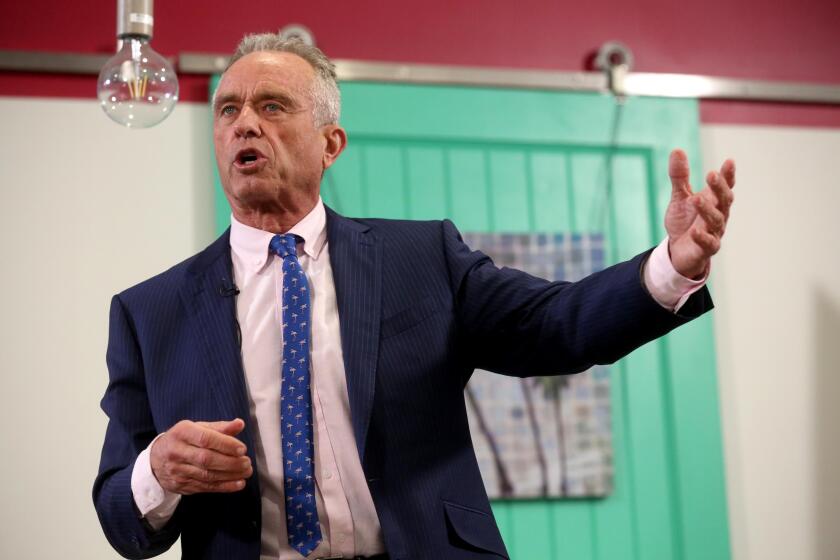
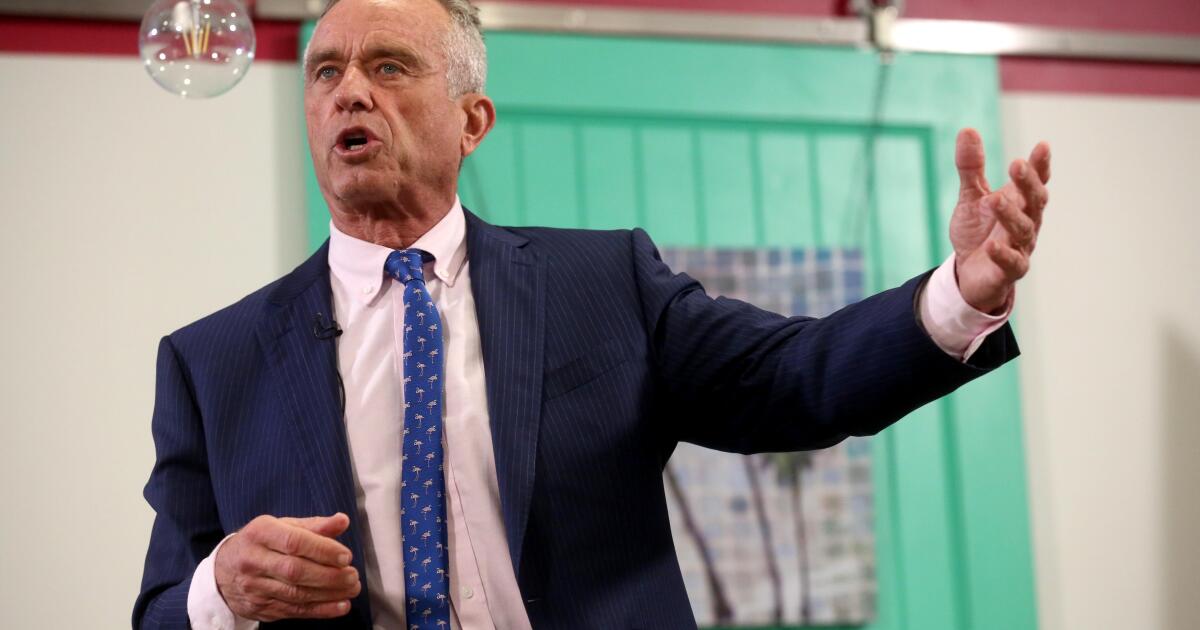
Robert F. Kennedy Jr. discusses his struggle with spasmodic dysphonia, a rare neurological condition causing his voice to sound strained and tremulous. The disorder, affecting about 50,000 people in North America, results in involuntary spasms of the vocal cords. Kennedy, an independent presidential candidate, speculates about a possible link between his condition and flu vaccines, although public health experts have dismissed these claims. He has undergone Botox injections and a titanium bridge implant to alleviate his symptoms, but researchers are exploring deep brain stimulation as a potential treatment for the primary neural condition.
Robert F. Kennedy Jr. has been dealing with spasmodic dysphonia, a rare neurological condition that causes involuntary spasms of the muscles that open or close the vocal cords, resulting in a strained and tremulous voice. Kennedy's vocal distress has been attributed to this condition, which affects about 50,000 people in North America. While he has tried treatments such as Botox injections and a titanium bridge implant, researchers are now focusing on finding the neural centers in the brain that send faulty signals to the larynx, with the hope of using deep brain stimulation to block these abnormal signals. Kennedy has also speculated about a possible link between his condition and flu vaccines, although public health experts have criticized these claims.
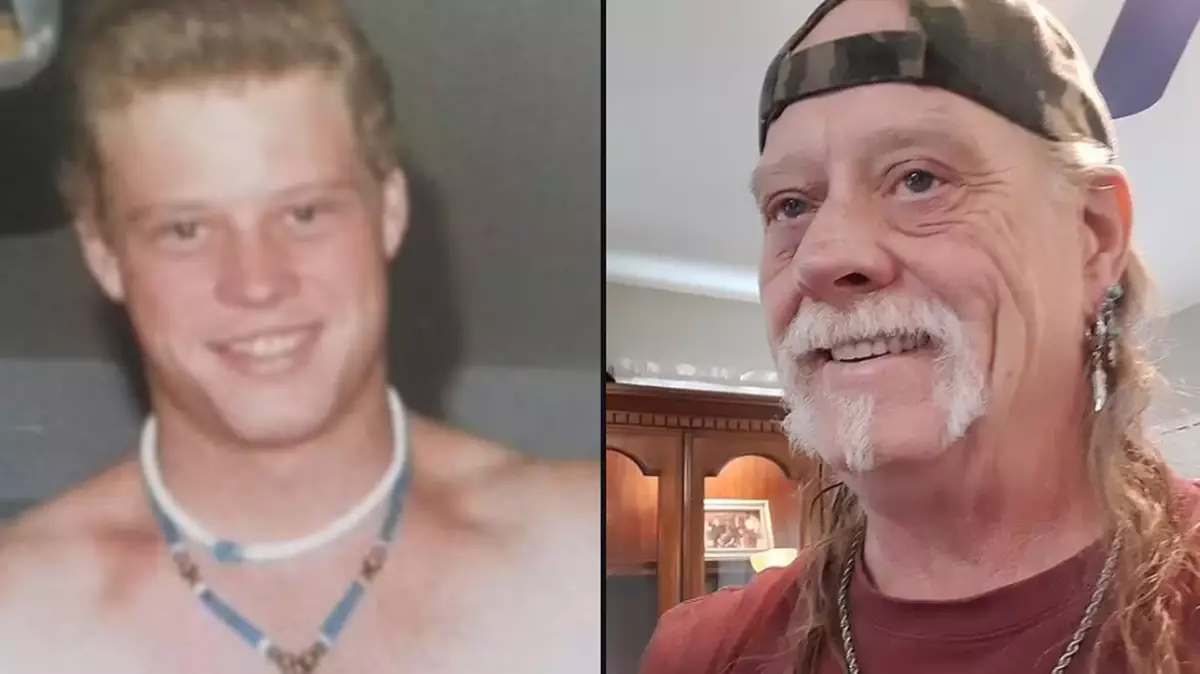
Only 75 people worldwide are known to experience 'demon face syndrome', a rare neurological condition causing faces to appear warped, with potential causes including head injuries, strokes, epilepsy, and migraines. Victor Sharrah, a sufferer of this condition, described the experience as living in a "horror movie" and hopes for better understanding and treatment to prevent others from enduring the trauma he has faced.
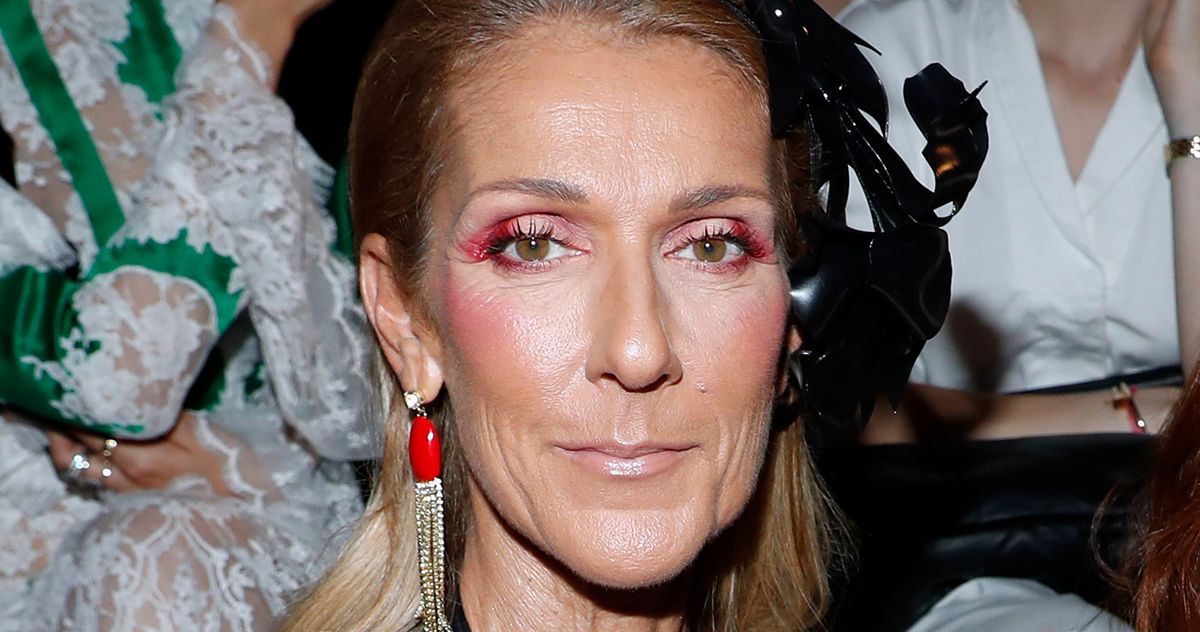
Celine Dion made a surprise appearance at the Grammy awards to present the album of the year award amid her battle with Stiff Person Syndrome, receiving a standing ovation and emphasizing the joy that music brings. The 55-year-old singer, who has been rarely seen in public since her diagnosis, spoke about her condition and the challenges she has faced, while also expressing her desire to raise awareness and document her journey. Despite criticism for her brief appearance, she highlighted the importance of not taking the Grammy experience for granted.
Celine Dion's sister has revealed that the singer's rare neurological condition, stiff-person syndrome (SPS), has progressed, leaving her unable to control her muscles. Dion shared her diagnosis in 2022 and has been receiving specialized care while living with her sister. Despite the challenges, Dion remains hopeful of returning to the stage, as singing requires the use of muscles, including the vocal cords.
A new study suggests that idiopathic hypersomnia, a sleep disorder characterized by excessive sleepiness during the day despite getting enough sleep at night, may be more common than previously thought. The study found that 1.5% of the participants likely had the condition, a rate significantly higher than previous estimates. The researchers believe that the condition is underrecognized due to a lack of awareness and the need for expensive and time-consuming sleep testing for diagnosis. The findings highlight the need for increased efforts to identify, diagnose, and treat individuals with idiopathic hypersomnia.
A minor change in signature on a bank cheque led to the diagnosis of a neurological condition called essential tremors in a 30-year-old patient. The patient visited a doctor after experiencing hand tremors and difficulty holding objects. The doctor observed that the tremors occurred during voluntary movements, which is characteristic of essential tremors, rather than Parkinson's disease. Essential tremors are a progressive neurological disorder that can impact daily activities and quality of life. Treatment options include medications, lifestyle modifications, and therapy to manage symptoms. Early diagnosis and appropriate management strategies can help individuals lead fulfilling lives despite the condition.
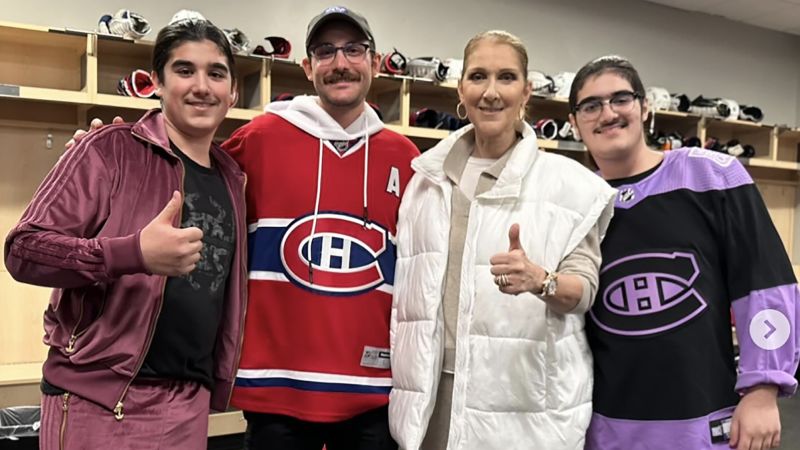
Celine Dion, who has been battling a rare neurological condition called stiff-person syndrome, made a rare public appearance at an ice hockey game in Las Vegas. It was her first public outing in over three years. Dion visited the Montreal Canadiens in the locker room after the game, where she laughed, joked, and imparted some wisdom to the players. She thanked the team for the memorable meeting and wished them a great season.
Scientists have made a groundbreaking discovery about the origins of Parkinson's disease, challenging the long-held belief that the death of neurons is the initial event. Instead, their research suggests that dysfunction in synapses, the communication hubs between neurons, may be a trigger for the disease. This finding opens up new possibilities for potential therapies that could significantly impact the lives of those affected by Parkinson's. The study was based on the case of two sisters with a genetic predisposition to the disease, and it revealed a previously unknown role of the parkin gene in Parkinson's. While further research is needed, this discovery offers hope for targeted therapeutic strategies that address synaptic dysfunction in the early stages of the disease.
New research from Israel suggests that Covid-19 infection is associated with an increased risk of developing Guillain-Barré syndrome (GBS), a rare neurological condition. The study found that individuals with a recent history of Covid-19 infection were more likely to develop GBS compared to those without an infection. Conversely, Covid-19 vaccination, particularly with the Pfizer-BioNTech vaccine, appeared to reduce the risk of GBS. While GBS is a rare complication, establishing this connection is important as Covid-19 continues to be a part of our lives. The researchers hope that their findings will provide reassurance about the safety and efficacy of Covid-19 vaccination. Further research is needed to understand the mechanisms behind the reduced risk of GBS with mRNA vaccines.
Many Taylor Swift fans, known as Swifties, are reporting memory loss after attending her Eras Tour concerts. Researchers have linked this phenomenon to a neurological condition called transient global amnesia (TGA), which can be triggered by factors such as elevated blood pressure, physical exertion, and emotional excitement. The memory loss is limited and typically lasts about a day, with concertgoers only recognizing it after the event. Lack of sleep, poor hydration, anticipation, pre-existing anxiety or depression, and environmental factors like the intensity of the concert and engagement with the music may make attendees more susceptible to TGA. Similar reports of amnesia have been observed in concertgoers of other artists like Beyoncé and Harry Styles. The emotional connection to the music and the release of hormones during intense experiences may contribute to this memory loss. While there are no specific prevention methods, getting enough sleep, staying hydrated, and limiting cell phone use during events may help reduce the risk.