Bell Labs, AT&T's research arm, helped forge modern technology through breakthroughs like information theory, the transistor, satellite communications (Telstar), and early cellular/mobile tech, shaping the devices and networks that power today’s smartphones, the internet, and AI hardware.
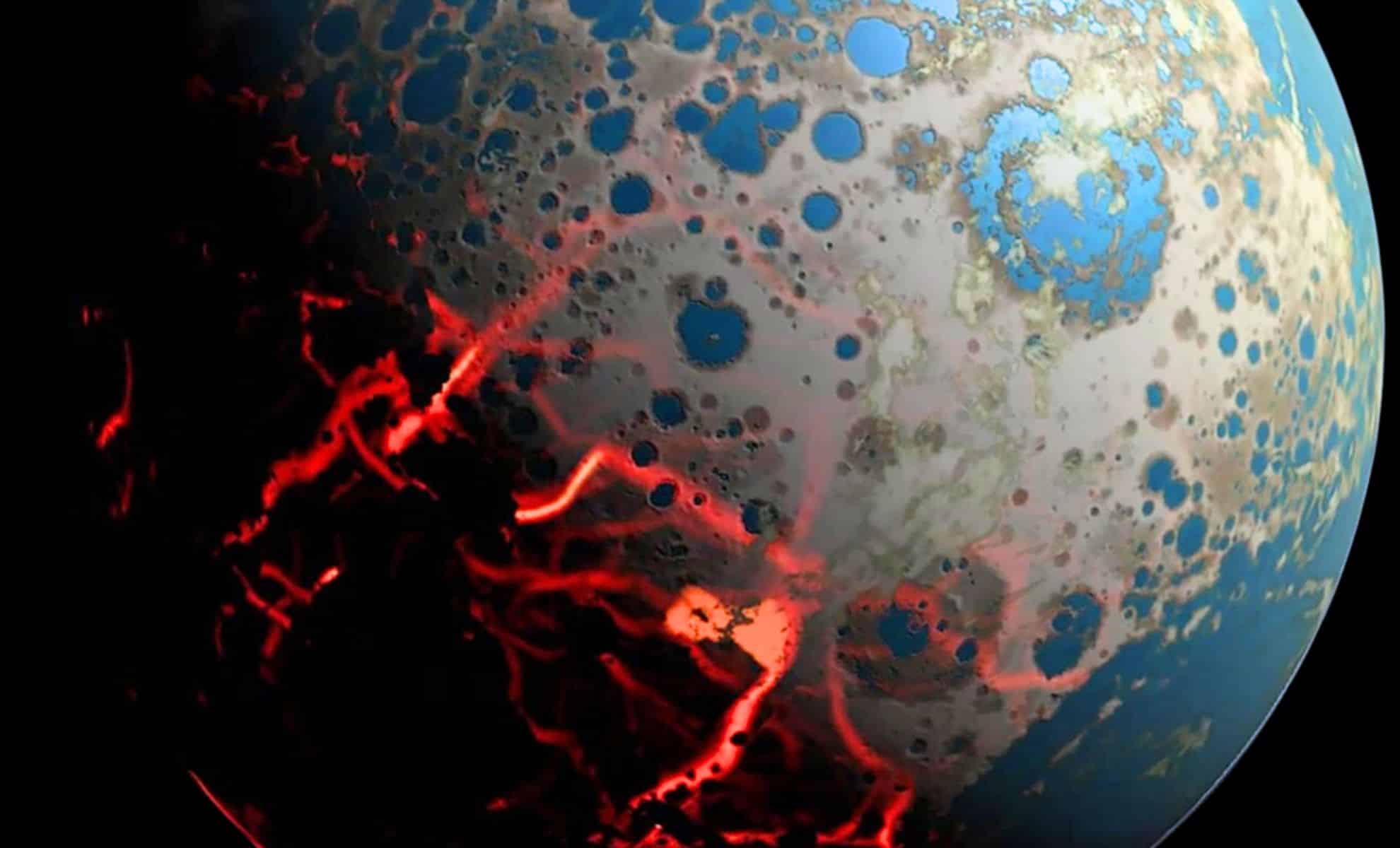
A 2025 study by Robert G. Endres proposes that the emergence of life on Earth is far more complex than previously thought, highlighting significant mathematical and informational barriers to spontaneous life formation, and considering the possibility of extraterrestrial seeding as an alternative explanation.
Entropy, a concept introduced 200 years ago, measures disorder and reflects our ignorance about the universe. Initially linked to thermodynamics, it now spans various fields, highlighting the relationship between information and energy. Modern interpretations view entropy as observer-dependent, challenging traditional notions of objectivity in science. This evolving understanding is influencing areas like decision-making and machine efficiency, and is being explored through experiments with information engines and quantum systems, suggesting a new industrial revolution focused on harnessing uncertainty and information as resources.
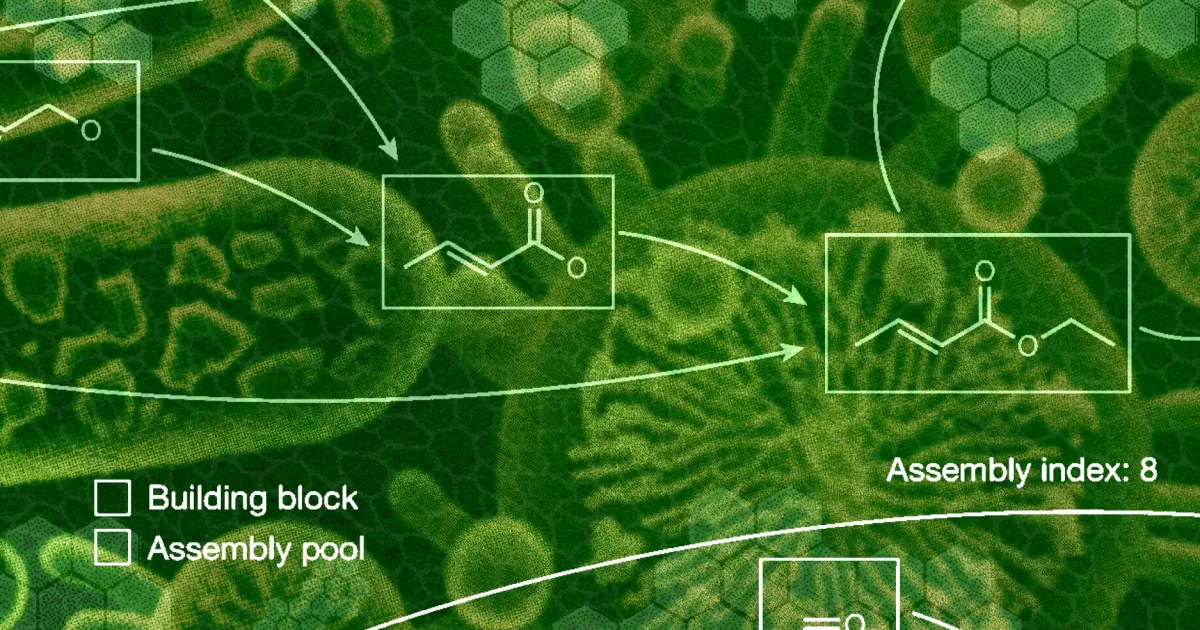
The article discusses theoretical physicist Sara Imari Walker's work on Assembly Theory, a framework exploring the rise of complexity in lifeless systems and the fundamental differences between living and non-living matter. Walker's theory emphasizes the role of information and complexity in understanding life's unique properties, focusing on how complex structures emerge and persist. The conversation highlights the importance of measuring complexity and information in physical terms, and the potential of Assembly Theory to offer new insights into life's evolution and existence in the universe.
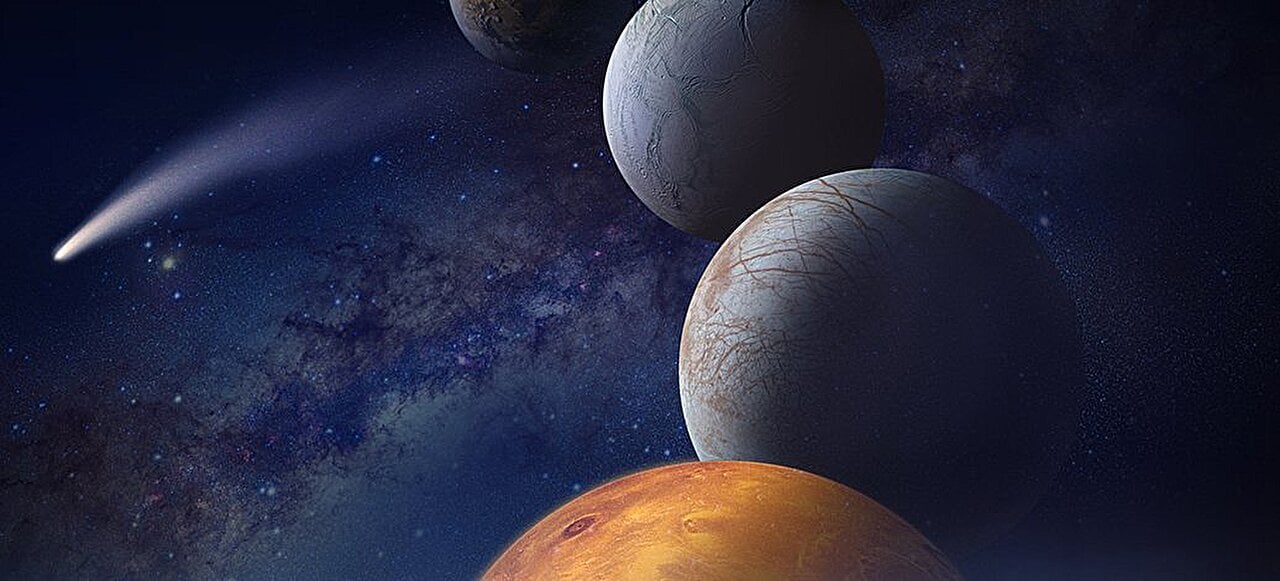
Researchers at the University of Rochester are exploring the use of information theory to detect "daisy worlds," planets with self-regulating biospheres that maintain habitability. By extending the daisy world model through Semantic Information Theory, they aim to identify agnostic biosignatures—planetary patterns indicating life without relying on specific chemical markers. This approach could help differentiate life-supporting exoplanets by analyzing the information flow between biospheres and their environments, offering a new perspective on the Gaia Hypothesis.
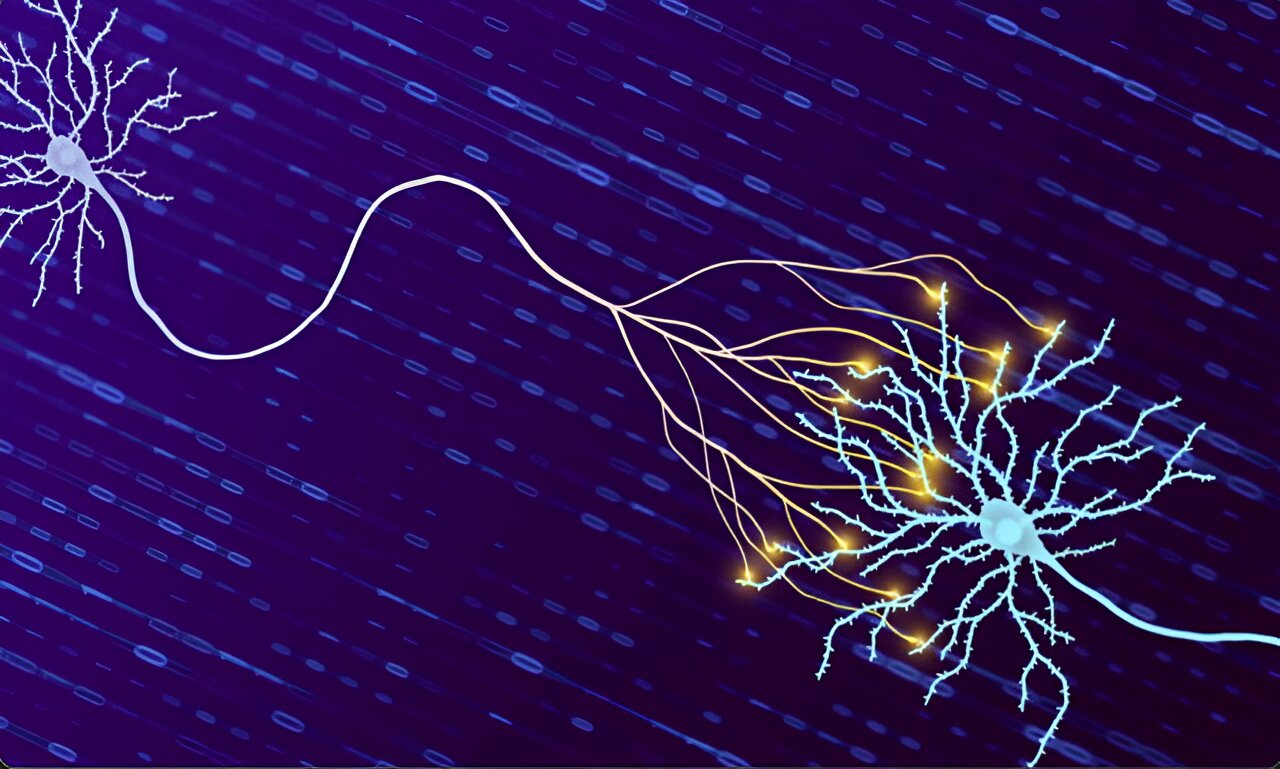
Researchers at the Salk Institute have developed a new method using information theory to measure synaptic strength, plasticity, and information storage in the brain, revealing that synapses can store 10 times more information than previously thought. This breakthrough could significantly advance our understanding of learning, memory, and neurological diseases.
Geroscientist David Sinclair presents his "Information Theory of Aging," which argues that epigenetic changes, rather than DNA mutations, are the underlying cause of aging. The theory suggests that the loss of regulatory epigenetic information leads to cellular confusion and dysfunction, contributing to the manifestations of aging. Sinclair highlights the potential of cellular reprogramming techniques to reverse epigenetic dysregulation and rejuvenate cells. The theory draws inspiration from Claude Shannon's information theory of communication and proposes the existence of "passive" and "active" observer molecules that could preserve and correct epigenetic changes.
Researchers at AMOLF have developed a novel simulation technique that can accurately compute the information transmission rate for any stochastic system. By representing complex physical systems as interconnected networks and analyzing the different paths through which information flows, the researchers were able to calculate the information rate exactly, even for complex systems like bacterial chemotaxis. This technique has the potential to deepen our understanding of information transmission in various fields, from biology to quantum systems, and may pave the way for the development of new computing devices.
A proposed new law of physics, called the second law of infodynamics, supports the idea that our universe may be a computer simulation. The law, based on information theory, states that information entropy must remain constant or decrease over time. This contradicts the second law of thermodynamics, which states that entropy always increases. The researcher argues that the existence of a second law of infodynamics suggests the presence of another entropy, information entropy, which balances the increase in entropy. If confirmed, this law could have significant implications for genetic research, evolutionary biology, physics, and cosmology, and provide scientific evidence for the simulated universe theory.
A new study proposes a possible experiment to scientifically prove the simulated universe theory, which suggests that our reality is a meticulously programmed computer simulation. The study introduces the second law of infodynamics, a new law of physics that supports the simulated universe theory. This law states that information entropy must remain constant or decrease over time, in opposition to the second law of thermodynamics. The research indicates that the second law of infodynamics is a cosmological necessity and has implications for genetic research, evolutionary biology, physics, and cosmology. If further studies confirm the validity of this law and the simulated universe hypothesis, it could provide scientific evidence for the theory.
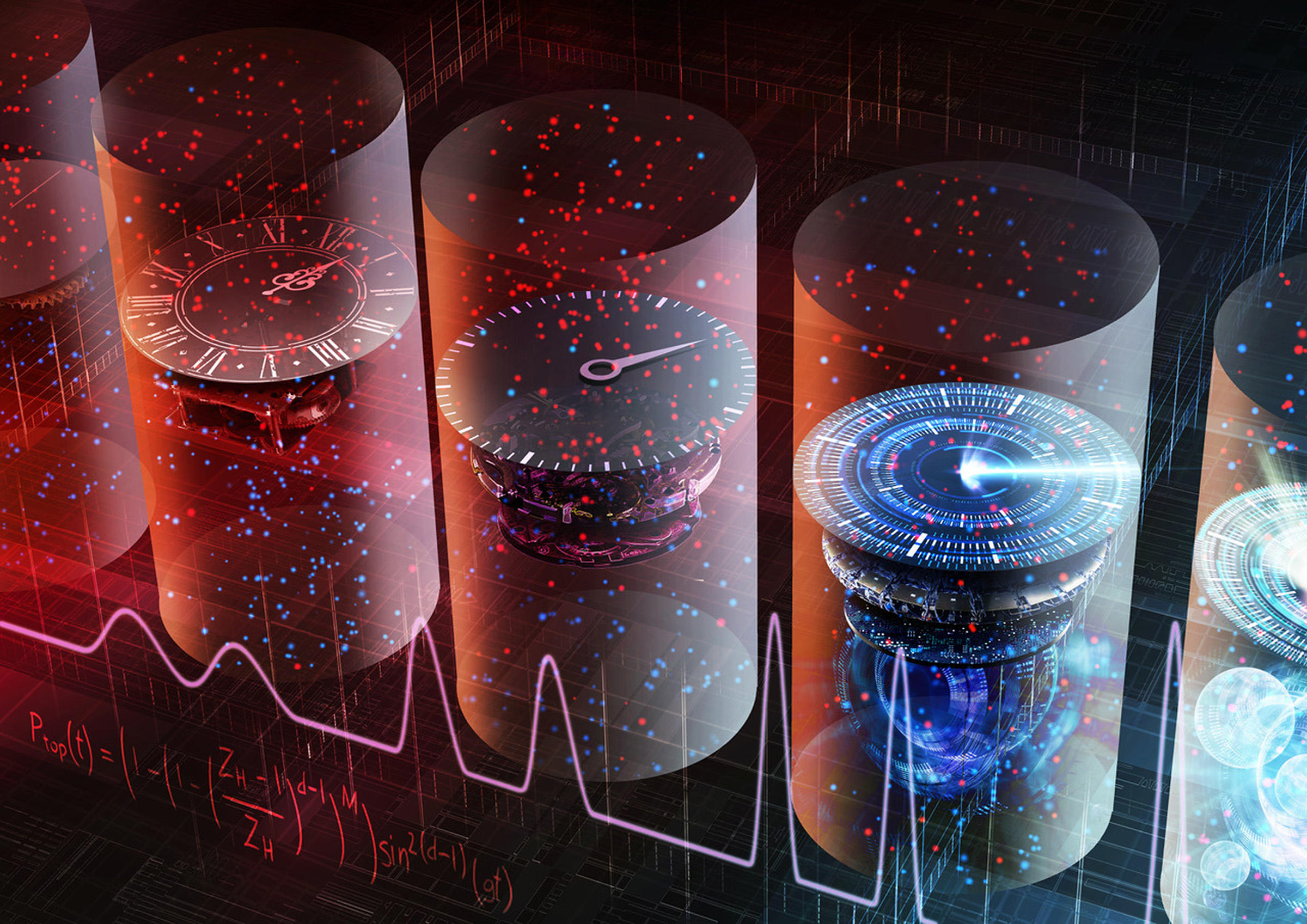
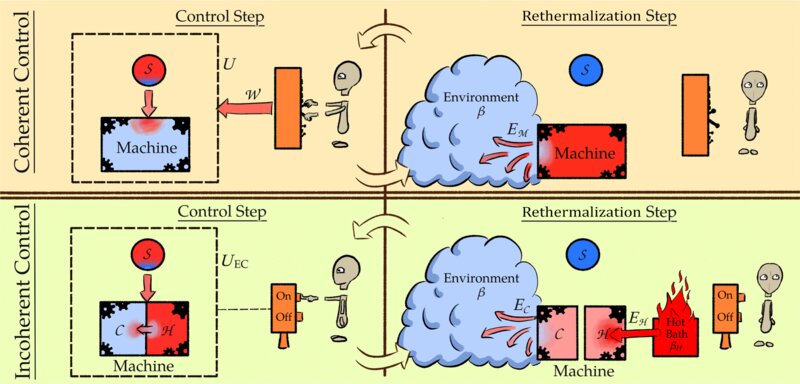
Researchers at TU Wien have discovered a quantum formulation for the third law of thermodynamics, which posits that reaching absolute zero is theoretically possible. However, any viable method for achieving this requires three components: energy, time, and complexity. Absolute zero can only be attained if one of these elements is available in infinite supply. The researchers found that quantum systems can be defined that allow the absolute ground state to be reached even at finite energy and in finite time, but these special quantum systems are infinitely complex.
Physicists are using quantum biology to understand how living matter is different from inanimate matter, while astrobiologists are trying to create a new physical theory of life based on information theory. Living systems have low entropy, which seems to contradict the second law of thermodynamics. Quantum mechanics may be used by living systems to promote or halt quantum processes. Information seems to be crucial to life, and living organisms have an inbuilt set of instructions, DNA, which non-living things simply don’t have.
A research team at TU Wien has developed a "quantum version" of the third law of thermodynamics, which theoretically allows for the attainment of absolute zero. However, this requires an infinite amount of energy, time, or complexity. The team found that special quantum systems can reach the absolute ground state even at finite energy and in finite time, but they are infinitely complex. This research is important for understanding the connection between quantum theory and thermodynamics, which is crucial for practical applications of quantum technologies.