Tag

Glutamate

All articles tagged with #glutamate

science16 days ago

Scientists Decode the Brain's Hidden Chemical Language

Scientists developed a protein called iGluSnFR4 that can detect incoming chemical signals in the brain, specifically glutamate, allowing researchers to observe how neurons process information in real time. This breakthrough enhances understanding of brain functions like learning and memory, and could advance research into neurological disorders and drug development.

neuroscience1 year ago

"Unlocking Young Women's Anxiety: The Role of Brain Chemistry Balance"

A study from the University of Surrey suggests that the development of anxiety in young women may be linked to an imbalance between the brain chemicals GABA and glutamate. As young women mature, the levels of GABA increase while those of glutamate decrease, potentially indicating anxiety levels. This discovery offers promising insights into potential treatment avenues for girls and women dealing with anxiety, with the aim of empowering them to lead healthier, more fulfilling lives.

neuroscience1 year ago

Chemical Shifts in Bullied Teens' Brains Linked to Psychosis

A study found that adolescents who experience bullying show lower levels of glutamate in the brain's anterior cingulate cortex, which is linked to early signs of psychosis. This suggests that glutamate could be a potential target for interventions to prevent psychotic disorders in bullied youths. The research highlights the importance of anti-bullying programs and mental health support for reducing the risk of psychosis and promoting well-being among adolescents.

neuroscience2 years ago

"Non-neuronal Cells Generating Brain Electricity: A Surprising Discovery"

Astrocytes, a type of glial cell in the brain, have long been thought to only serve supportive roles and not propagate electrical signals like neurons. However, a new study published in Nature presents evidence that certain astrocytes, called glutamatergic astrocytes, can indeed signal by releasing glutamate, a neurotransmitter. The study used genetic data and imaging techniques to demonstrate that these astrocytes have the cellular machinery to use glutamate in a similar way to neurons. This discovery challenges the traditional understanding of brain communication and raises new questions about the role of astrocytes in brain function.

neuroscience2 years ago

Unraveling Schizophrenia Mysteries: Insights from Gene Mutation

Scientists have developed a mouse model lacking the Grin2a gene, which closely mimics a rare genetic mutation associated with an increased risk of schizophrenia in humans. By studying this model, researchers have discovered significant changes in gene expression, brain cell activity, and neurotransmitter signaling, providing experimental evidence supporting the role of glutamate and dopamine in schizophrenia. The findings align with observed neurophysiological features in human patients and open up new avenues for therapeutic research and a deeper understanding of this debilitating mental disorder.

health2 years ago

"Uncovering the Brain Chemical Imbalance in Obsessive-Compulsive Disorder"

Researchers have discovered an imbalance in brain chemicals in individuals with obsessive-compulsive disorder (OCD), which could lead to improved treatments. OCD is a severe and disabling disorder characterized by obsessions and compulsions. While cognitive behavioral therapy and antidepressant drugs are commonly used treatments, many patients do not respond fully to medication. The study found that individuals with OCD had increased levels of glutamate and lower levels of Gaba in certain brain regions, potentially making those areas hyperactive. This finding raises hopes for better treatments that focus on re-balancing glutamate and Gaba levels in key brain regions, offering hope for improved quality of life for OCD patients.

health2 years ago

Uncovering the Chemical Imbalance Behind OCD: A Potential Treatment Breakthrough

Researchers have discovered an imbalance in brain chemicals, specifically glutamate and Gaba, in patients with obsessive-compulsive disorder (OCD). The study found that OCD patients had increased levels of glutamate and lower levels of Gaba in certain brain regions, potentially making those areas hyperactive. The severity of compulsive symptoms correlated with glutamate levels, suggesting a potential target for treatment. Future treatments could focus on re-balancing glutamate and Gaba levels, such as using drugs that reduce glutamate release or deep brain stimulation. Early diagnosis and detection of the chemical imbalance could lead to improved treatments and quality of life for OCD patients.

neuroscience2 years ago

OCD Linked to Brain Chemical Imbalance.

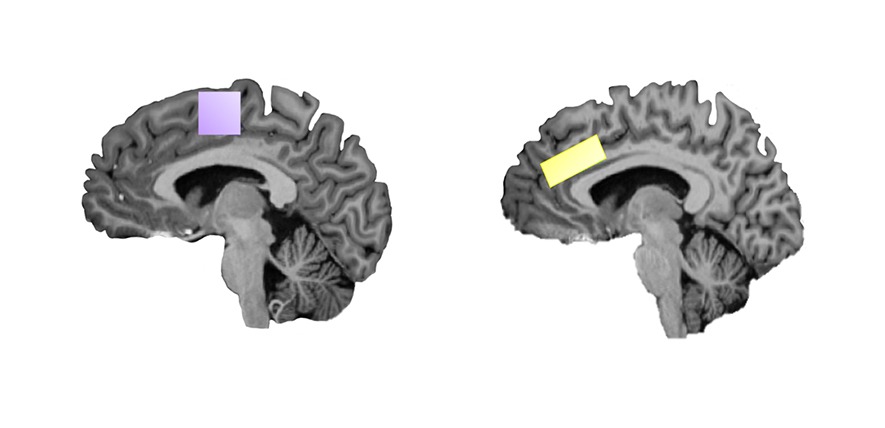
Researchers have discovered a neurochemical imbalance in the brains of patients with Obsessive-Compulsive Disorder (OCD), using magnetic resonance spectroscopy, they found a disrupted balance between neurotransmitters glutamate and GABA in two specific regions of the frontal lobes. The imbalance was linked to both the severity of OCD symptoms and tendencies towards habitual behavior. This groundbreaking research could provide avenues for better treatment strategies.

health2 years ago

Uncovering the Chemical Imbalance Behind OCD

Researchers at the University of Cambridge have discovered a neurochemical imbalance in the frontal lobes of patients with obsessive-compulsive disorder (OCD). The study found that the balance between glutamate and GABA, two major neurotransmitters, is disrupted in OCD patients. Additionally, individuals prone to habitual and compulsive behavior, even without OCD, showed increased glutamate levels in one of these brain regions. The findings provide new insights into the mechanisms behind OCD and may lead to the development of new treatment strategies targeting glutamate regulation.

neuroscience2 years ago

Uncovering the Competitive Nature of Synaptic Pruning in Brain Development.

Researchers at Kyushu University have uncovered the mechanisms of synaptic pruning in brain development, using mouse mitral cells, a neuron type in the olfactory system. The study reveals that neurons receiving a neurotransmitter signal are protected via specific chemical pathways while other dendrites in the same cell are triggered to undergo pruning. The neurotransmitter glutamate is crucial in synaptic pruning. Understanding this process could help in comprehending neurophysiological disorders like schizophrenia and autism.

neuroscience2 years ago

Glutamate Imbalance Linked to Psychotic Disorders in Meta-Analysis.

People with a genetic risk for psychosis have an imbalance of glutamate and GABA neurotransmitters in their brains, specifically in the hippocampus, which is associated with hippocampal atrophy and may lead to the development of psychotic symptoms. The study suggests that changes in the hippocampus may drive downstream pathology and that preventing excitatory-inhibitory imbalance and volume loss could potentially mitigate the cognitive decline typically observed in psychotic patients.

health2 years ago

Ketamine offers hope for depression in borderline personality disorder patients.

Ketamine therapy may be a suitable option for adults with borderline personality disorder and treatment-resistant depression, according to new research. The study found that patients who had depression and BPD experienced a significant improvement in their depression symptoms after receiving ketamine. The improvement was similar to that seen in patients with depression but without BPD. The study also found that patients who had borderline personality disorder experienced a significant improvement in their symptoms after receiving ketamine treatment.