A study reveals that sea urchins possess a complex, brain-like nervous system spread throughout their bodies, including light-sensitive cells, challenging previous notions of their simplicity and offering new insights into nervous system evolution.
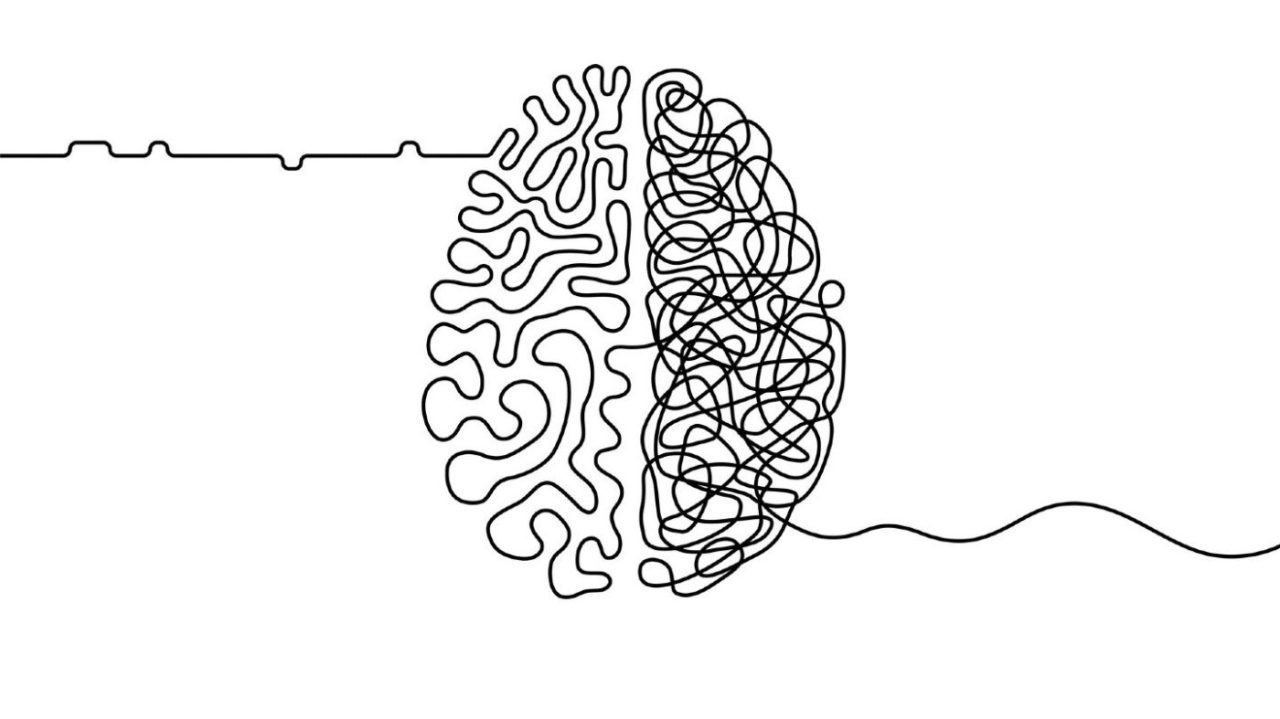
Recent research reveals that sea urchins possess a complex, integrated nervous system resembling an 'all-body brain,' challenging previous beliefs that echinoderms lack centralized brains and prompting a reevaluation of animal intelligence and nervous system evolution.
Engaging in simple hobbies like gardening, journaling, yoga, knitting, walking in nature, painting, playing music, cooking, and meditation can significantly soothe the nervous system and reduce stress, offering natural and accessible ways to improve mental well-being.
A new study suggests that Tylenol's active byproduct, AM404, may block pain signals at the nerve level by inhibiting sodium channels, challenging previous beliefs about its mechanism and opening avenues for safer painkillers, though further research in humans is needed.
A study shows that finger wrinkles caused by water are consistent and follow blood vessel patterns, suggesting they are unique and stable over time, potentially useful for biometric identification, and are controlled by the nervous system rather than passive water absorption.
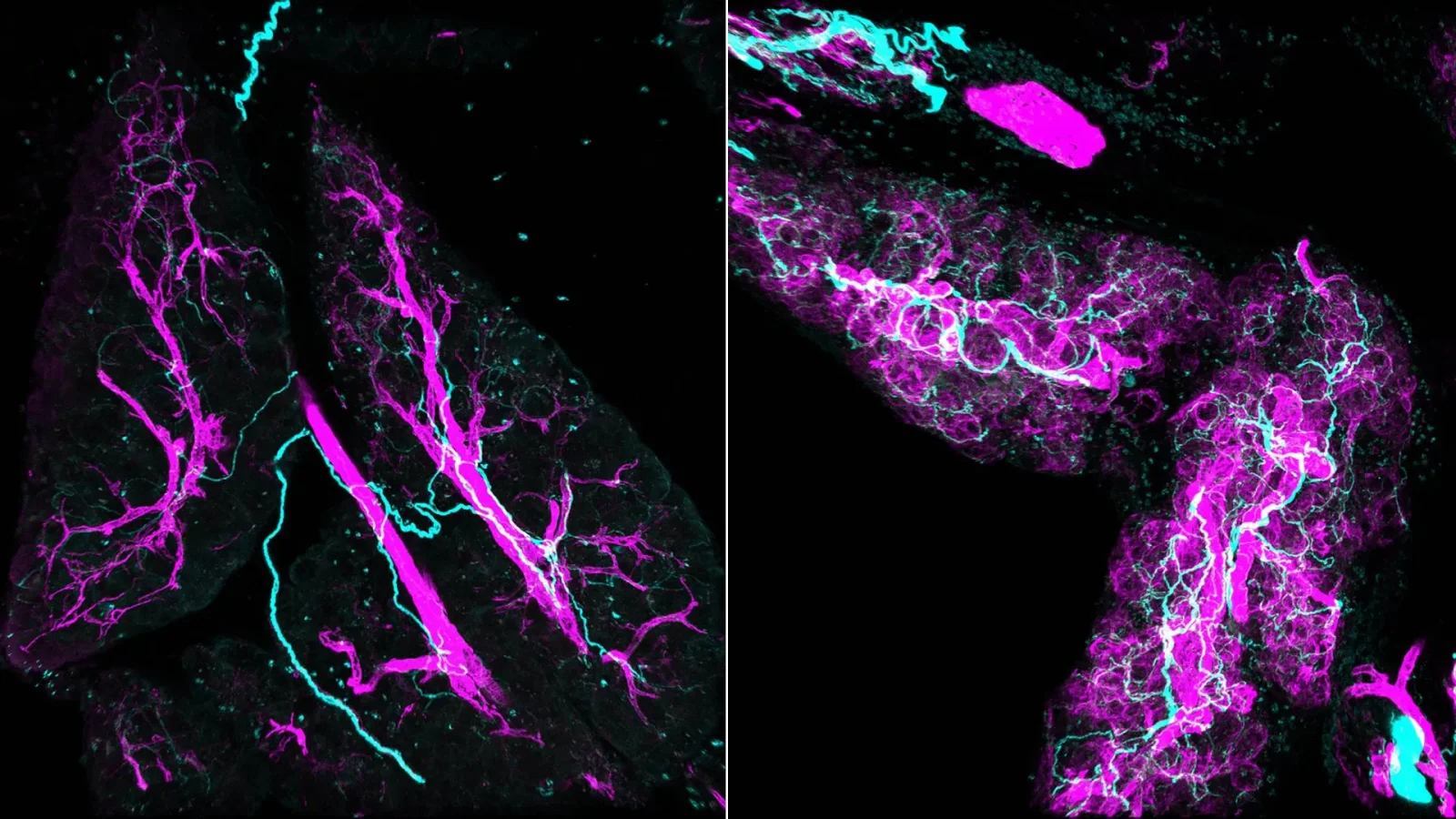
New research from Karolinska Institutet and Columbia University reveals that the heart has its own complex nervous system, or "mini-brain," capable of independently regulating the heartbeat. This discovery, made through studies on zebrafish, challenges traditional views and could lead to new treatments for heart diseases like arrhythmias. The study highlights the heart's neural network's complexity and its potential interaction with the brain during stress or disease, offering new therapeutic targets.
Researchers have discovered that a specific gene expressed in spinal nerves plays a crucial role in memorizing responses to potential threats, challenging the notion that motor learning and memory are solely confined to brain circuits. Through a study on transgenic mice, they found that inhibitory neurons in the spinal cord can learn novel responses long after the nerves have locked in place, shedding light on how the spinal cord can remain plastic throughout life. This understanding could inspire novel research into treatments for nervous system damage in humans, particularly in improving recovery after spinal cord injury.
A study published in Cell suggests that complex nervous systems in vertebrates, including humans, may have arisen from ancient viral infections that inserted genetic code into their genomes. The inserted code helped produce myelin, a protective sheath around nerve cells that speeds up signal transmission, enabling the evolution of complex neural networks. This viral DNA, comprising about 8% of the human genome, has been repurposed for various functions, including forming the placenta and regulating hormone levels. The process of infection, repurposing, and transformation continues, highlighting the dynamic nature of evolution.
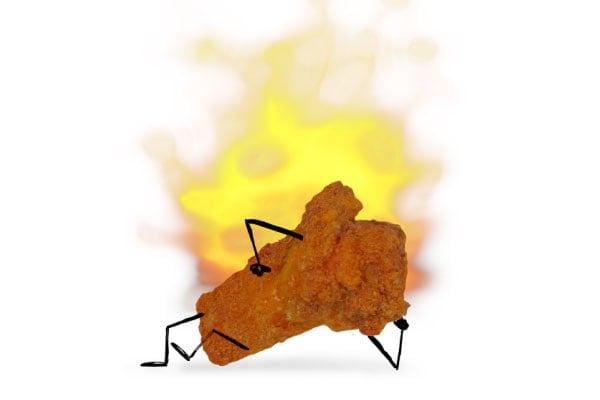
The experience of eating spicy food involves a complex journey through the body, triggering reactions from the nervous system, digestive system, and more. Capsaicin, the oil in chile peppers, activates TRPV1 receptors, leading to sensations of heat, salivation, and even euphoria for some. The body's response includes increased saliva, sweating, and a rush of endorphins to alleviate the perceived pain. While eating spicy food is usually harmless, extreme amounts can lead to serious health issues. Additionally, a diet rich in hot peppers may have protective effects on the cardiovascular system, although the exact reasons remain a mystery.
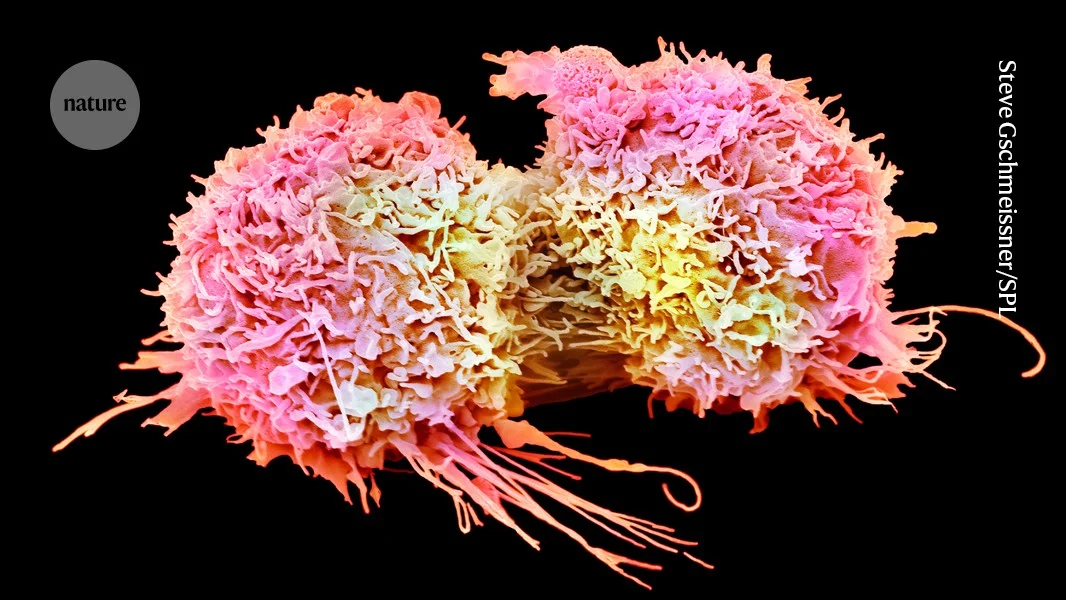
Cancer cells, including brain tumors, have been found to communicate and interact with the nervous system, using it to survive, grow, and spread. This emerging field of cancer neuroscience has revealed that cancer cells can form direct connections with neurons, influence the immune system, and even reshape functional circuits in the brain. Researchers are exploring therapies that target these interactions, including repurposing existing drugs to disrupt neuronal communication and potentially improve cancer treatment outcomes.
Hormesis, the concept of exposing the body to low-level stressors, has gained attention for its positive effects on health. These stressors, such as exercise, dietary restrictions, and exposure to cold and heat, can boost cellular resistance, enhance metabolic health, strengthen the immune system, and safeguard the nervous system. Activating hormesis involves engaging in physical activity, intermittent fasting, heat and cold exposure, and consuming phytochemical-rich foods.
Brittle stars, brainless marine creatures related to starfish, have been found to learn through experience, challenging our understanding of learning and intelligence. In a study, researchers demonstrated that brittle stars can associate darkness with feeding times through classical conditioning, similar to Pavlov's dogs. This learning capability was observed even without sensory cues like smell or taste. The findings suggest that even simple nervous systems can adapt and learn, expanding our understanding of intelligence in the animal kingdom.
Vitamin B12 deficiency can have a significant impact on the nervous system, leading to various symptoms. Neurological symptoms, such as paresthesia (tingling or numbness), ataxia (lack of coordination), myelopathy (spinal compression), tinnitus (ringing in the ears), and poor balance, are common signs of vitamin B12 deficiency. It is important to consult a doctor for proper diagnosis and treatment if experiencing these symptoms.
Two recent studies have revealed the existence of a 'wireless' nerve network in the worm Caenorhabditis elegans, challenging the traditional understanding that nerve cells communicate only through synapses. The studies mapped out the entire network of neuropeptide communication in C. elegans, showing that neuropeptides can pass messages between cells over longer distances. This wireless communication, which involves the release and interception of neuropeptides by different neurons, was found to directly activate neurons and contribute significantly to the propagation of signals in the worm's nervous system. The findings suggest that neuropeptide communication is equally important and complex as synaptic signaling, and understanding this network could have implications for the development of drugs and our understanding of neural dynamics in other organisms, including humans.
Glimmers are small moments of joy that activate the vagus nerve, helping to regulate our nervous system and promote feelings of calm and happiness. Unlike triggers, which stimulate survival responses, glimmers help us recall times of joy and happiness. Finding personal glimmers requires conscious attention to activities, people, and places that make us feel at ease. They can be self-regulating or co-regulating, and keeping note of them can help access or create more glimmers during times of unease. Seeking out awe-inspiring experiences can also shift our nervous system into a more regulated state.