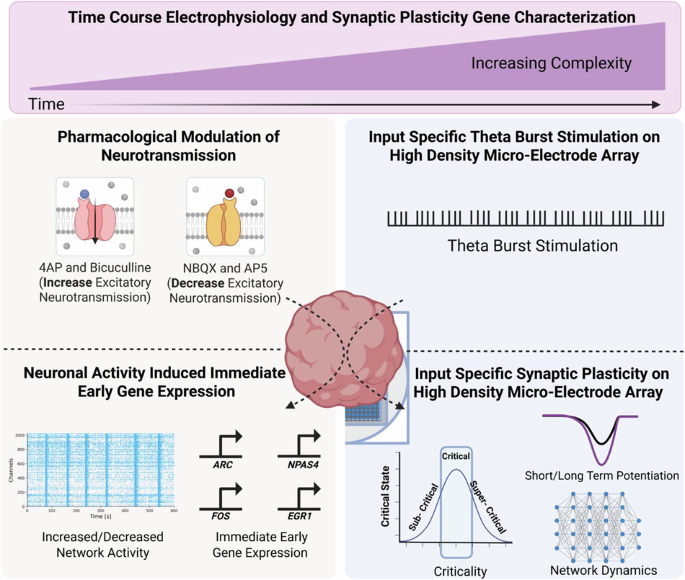
This study demonstrates that human neural organoids develop key features necessary for basic learning and memory, including synaptic plasticity, functional connectivity, and critical neural dynamics, making them promising models for studying brain function and disorders.
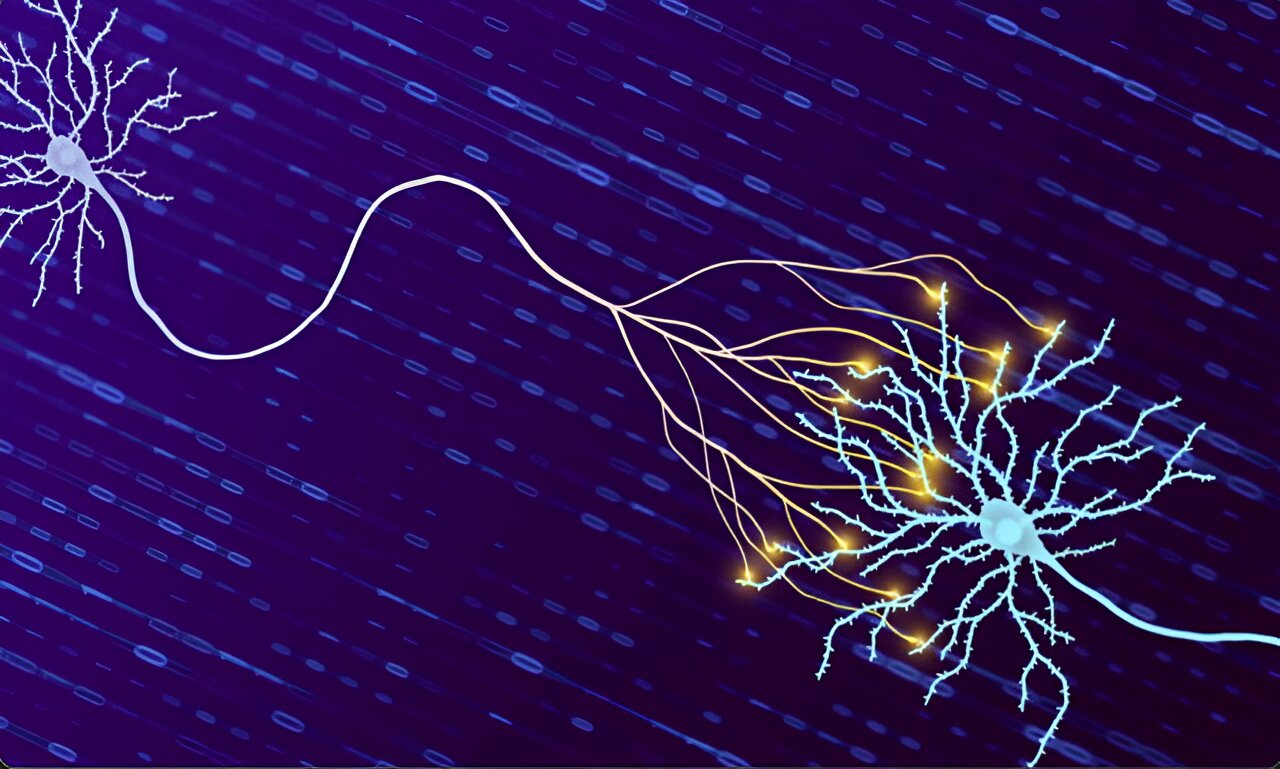
Researchers at the Salk Institute have discovered that synapses in the brain can store 10 times more information than previously thought, using a new method based on information theory. This breakthrough enhances understanding of learning, memory, and brain disorders, potentially advancing research on conditions like Alzheimer's disease.
Researchers at the Salk Institute have developed a new method using information theory to measure synaptic strength, plasticity, and information storage in the brain, revealing that synapses can store 10 times more information than previously thought. This breakthrough could significantly advance our understanding of learning, memory, and neurological diseases.
Researchers have discovered the pivotal role of RNA in fear-related learning and memory. Noncoding RNA Gas5 influences neuronal excitability, impacting learning and memory processes, while m6A-modified RNAs regulate synaptic plasticity crucial for fear extinction memory, a key factor in PTSD. These findings provide new insights into RNA's role in the brain and potential RNA-based therapies for PTSD and phobias.
Researchers have discovered a mechanism linking insulin-like growth factors (IGF) to brain plasticity, showing how IGF1 and IGF2 promote brain health and functionality, including learning and memory, through the activation of IGF1-Receptor during synaptic plasticity. The study reveals an autocrine mechanism in neurons that is crucial for brain plasticity, shedding light on the encoding of memories in the brain and potentially paving the way for future research in preventing cognitive decline and diseases such as Alzheimer's.