A new genetic study suggests that many individuals who die by suicide do not have depression or prior suicidal behaviors, indicating different underlying risk factors and challenging traditional screening methods. The research highlights the need for broader approaches to identify at-risk individuals beyond conventional psychiatric diagnoses.

CRISPR researchers have successfully resurrected an ancient gene that has the potential to prevent diseases, marking a significant advancement in genetic engineering and biotechnology.
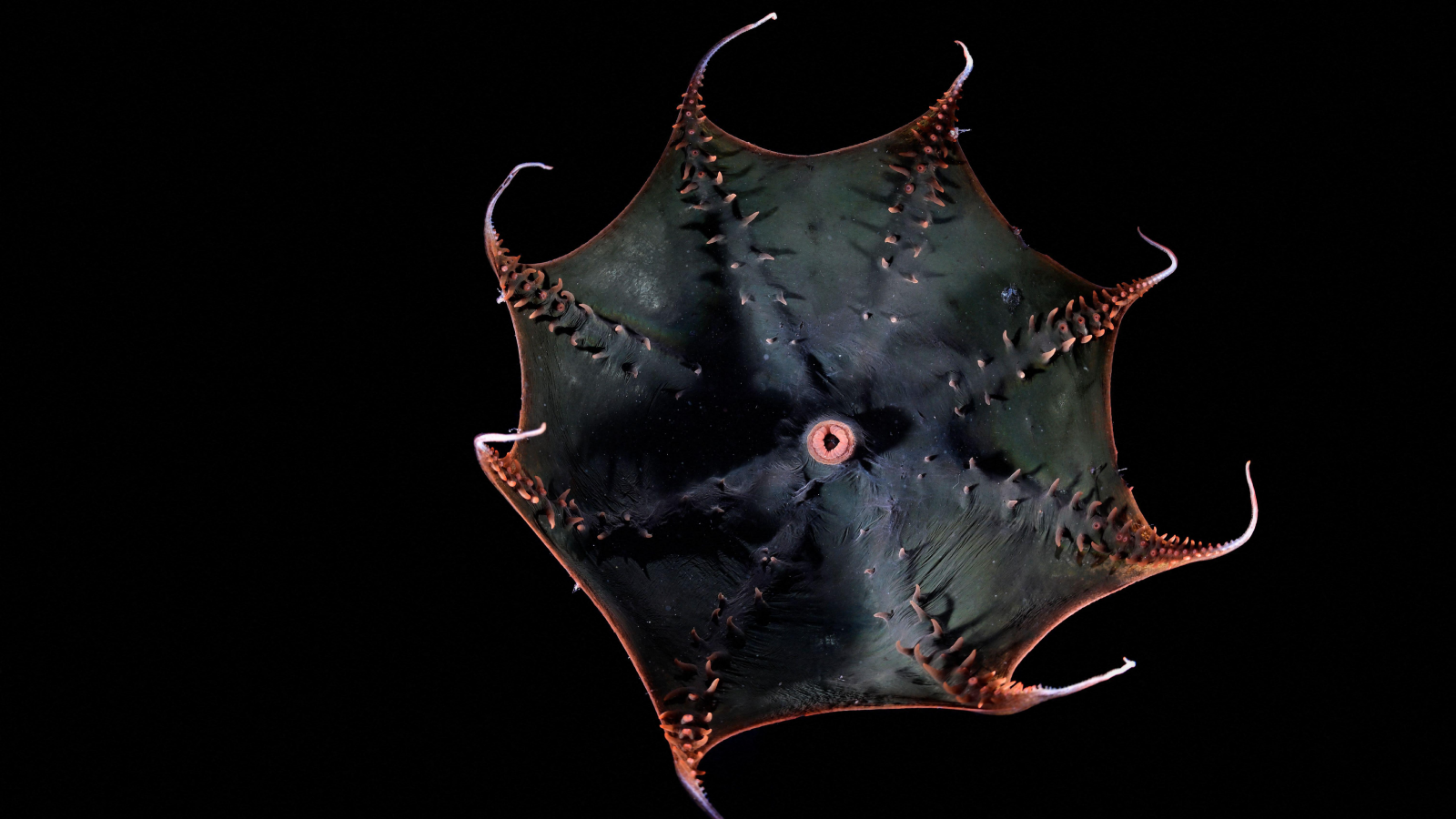
Scientists sequenced the genome of the vampire squid, revealing it has retained many ancient, squid-like chromosomal features despite belonging to the octopus group, making it a 'living fossil' that offers insights into cephalopod evolution.
Scientists at ETH Zurich have developed MetaGraph, a groundbreaking search engine that allows researchers to quickly search through vast DNA and RNA databases, functioning like a 'Google for DNA,' which could accelerate genetic research and pathogen analysis.
New Zealand is using advanced technology, including AI and genetic research, to combat invasive predators and save its rare native birds like the kākāpō and takahē, aiming for complete predator eradication by 2050 through innovative and costly methods.
A new study suggests that the Last Universal Common Ancestor (LUCA) of all life on Earth lived around 4.2 billion years ago, shortly after Earth's formation, and likely had an immune system fighting primordial viruses, indicating complex biological features early in life's history.
Scientists are studying the eye regeneration abilities of the golden apple snail, which can fully regrow its eyes within a month, to understand genetic mechanisms that could potentially be applied to human eye repair. Using gene editing techniques like CRISPR, researchers aim to identify key genes involved in regeneration, such as Pax6, with the hope of developing treatments for human eye conditions in the future.
Australian and American researchers identified 48 genes linked to stuttering through a genetic analysis of a million individuals, paving the way for early diagnosis and intervention that could significantly improve treatment outcomes for this speech disorder affecting 400 million people worldwide.
Originally Published 5 months ago — by Hacker News
Scientists may have discovered a method to eliminate the chromosome linked to Down syndrome, raising hopes for potential prevention but also sparking ethical debates about eugenics and genetic modification.
The article narrates a mother's journey to diagnose her daughter's rare genetic condition, highlighting the importance of online support groups and genetic research in understanding and managing rare diseases, ultimately fostering a sense of community and hope.
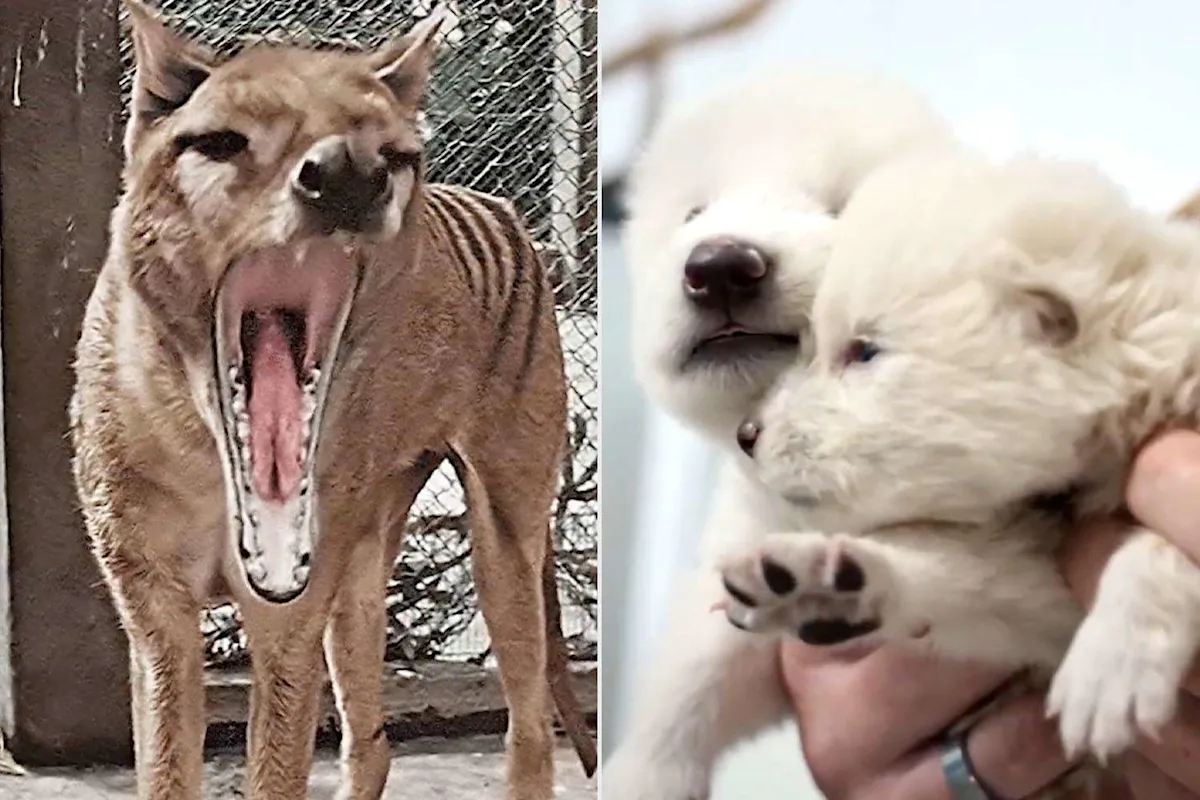
A new documentary, De-Extinction, explores the scientific advancements and ethical considerations of bringing extinct species like dire wolves, mammoths, and Tasmanian tigers back to life through genetic technology, highlighting both the potential benefits for biodiversity and the complex challenges involved.
Recent genetic and morphological studies reveal that the Portuguese Man O' War is actually four distinct species rather than one, with each having unique genetic makeup and specific geographic ranges, challenging previous assumptions of a single global species.
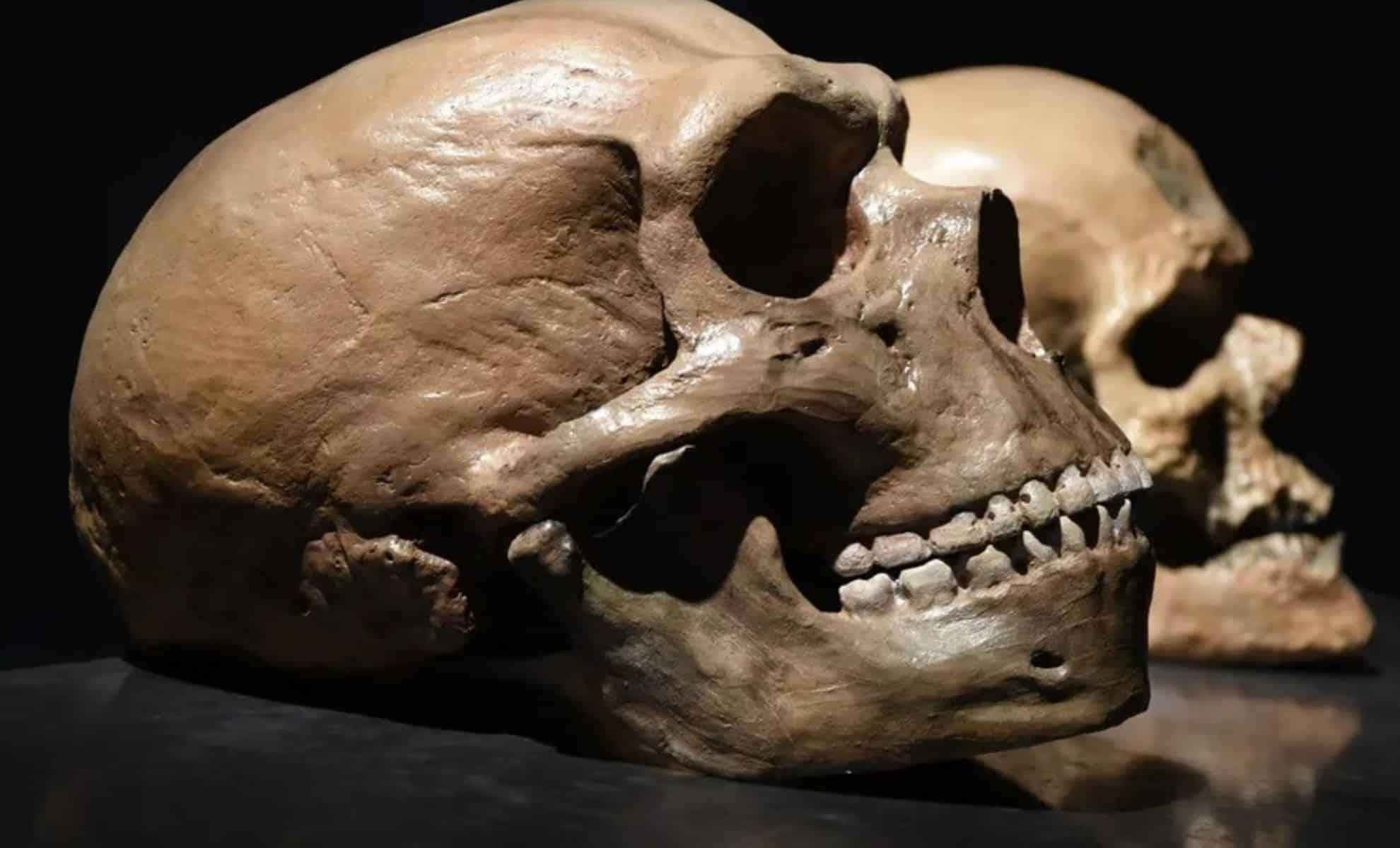
A recent discovery in the Zagros Mountains reveals the location where Homo sapiens and Neanderthals first met and interbred, challenging previous assumptions and highlighting the region's role as a key hub in human evolutionary history, with genetic evidence showing significant interbreeding that influences modern human biology.
Northwestern University researchers developed a generative AI tool called TWAVE that identifies gene combinations responsible for complex diseases like diabetes and cancer by analyzing gene expression data, paving the way for personalized treatments and better understanding of genetic influences on health.
A groundbreaking case of personalized gene therapy using CRISPR for a rare genetic disease offers hope for affected children and highlights the importance of fundamental scientific research, though challenges in diagnosis and global data diversity remain.