Tag

Solar Wind

All articles tagged with #solar wind

NASA's ESCAPADE Deploys Twin Probes to Decode Mars Space Weather
space18 hours ago

NASA's ESCAPADE Deploys Twin Probes to Decode Mars Space Weather

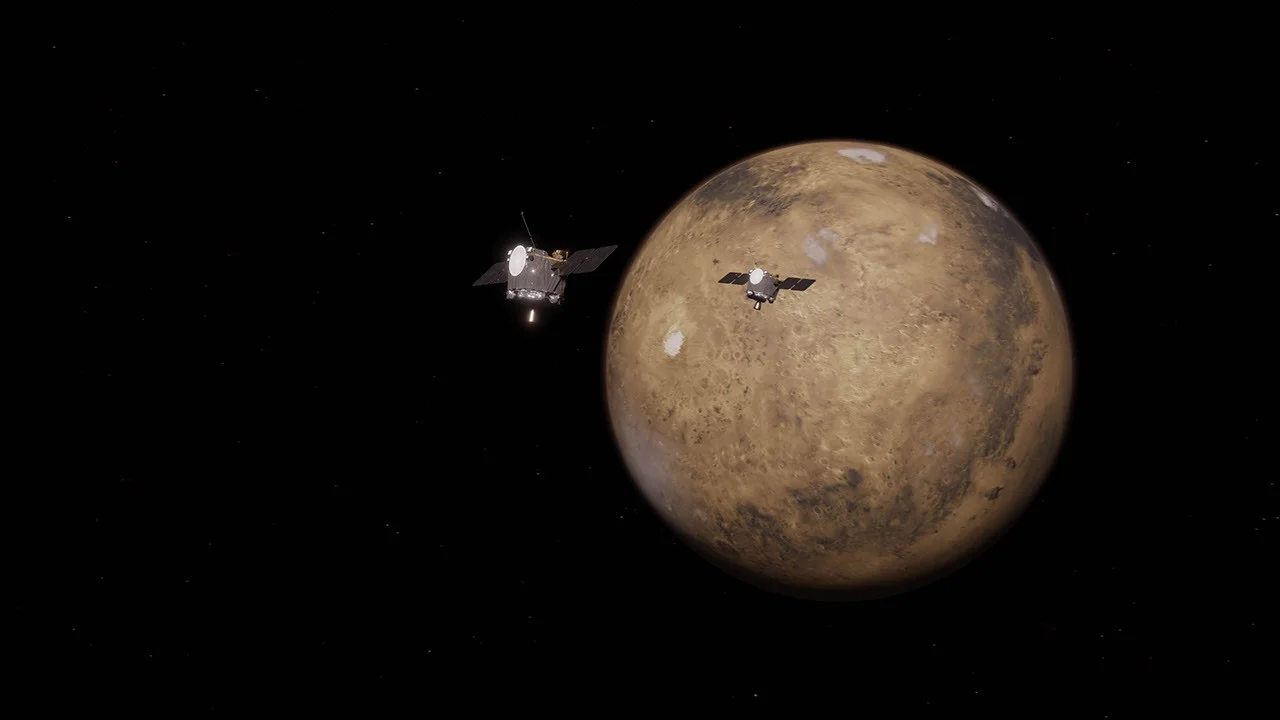
NASA’s ESCAPADE mission launched in 2025 with two orbiters to study how the solar wind and Mars’ magnetosphere interact, revealing real-time atmospheric escape from the Red Planet and providing stereo measurements. The twins will fly in tandem near Mars after looping through a distant Earth magnetotail en route to a Sept. 2027 Mars arrival, also doing discovery science in Earth’s magnetotail. Findings will help protect future astronauts and inform Mars communications and ionospheric understanding as humanity prepares to explore the Red Planet.
Deflated Crescent: Scientists Redraw the Shape of the Sun’s Protective Bubble
science2 days ago

Deflated Crescent: Scientists Redraw the Shape of the Sun’s Protective Bubble

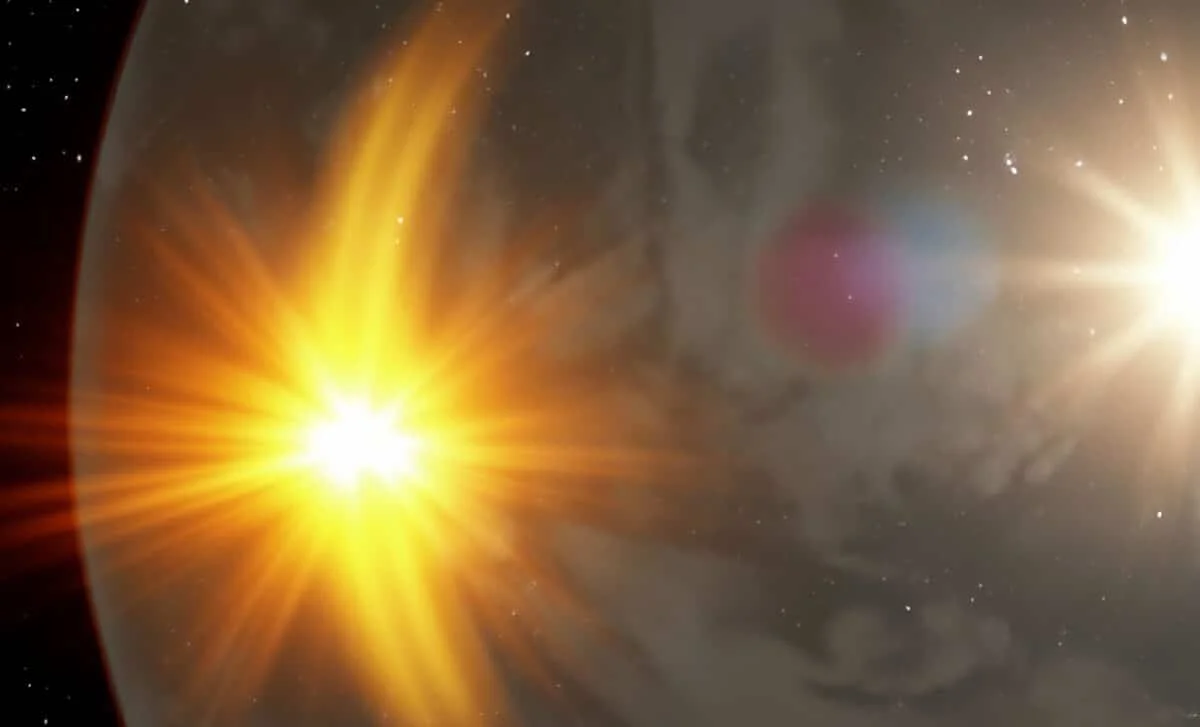
Researchers using ENA data from IBEX and a 3D mapping approach from Los Alamos reveal the heliosphere—our solar wind–generated shield—has a deflated crescent shape, not a sphere or oval, with the sun–heliopause distance around 120 AU in one direction and at least 350 AU in the opposite, indicating an asymmetric boundary shaped by solar and interstellar winds.

Parker Solar Probe Reveals the Hidden Heating of the Solar Wind
space12 days ago

Parker Solar Probe Reveals the Hidden Heating of the Solar Wind

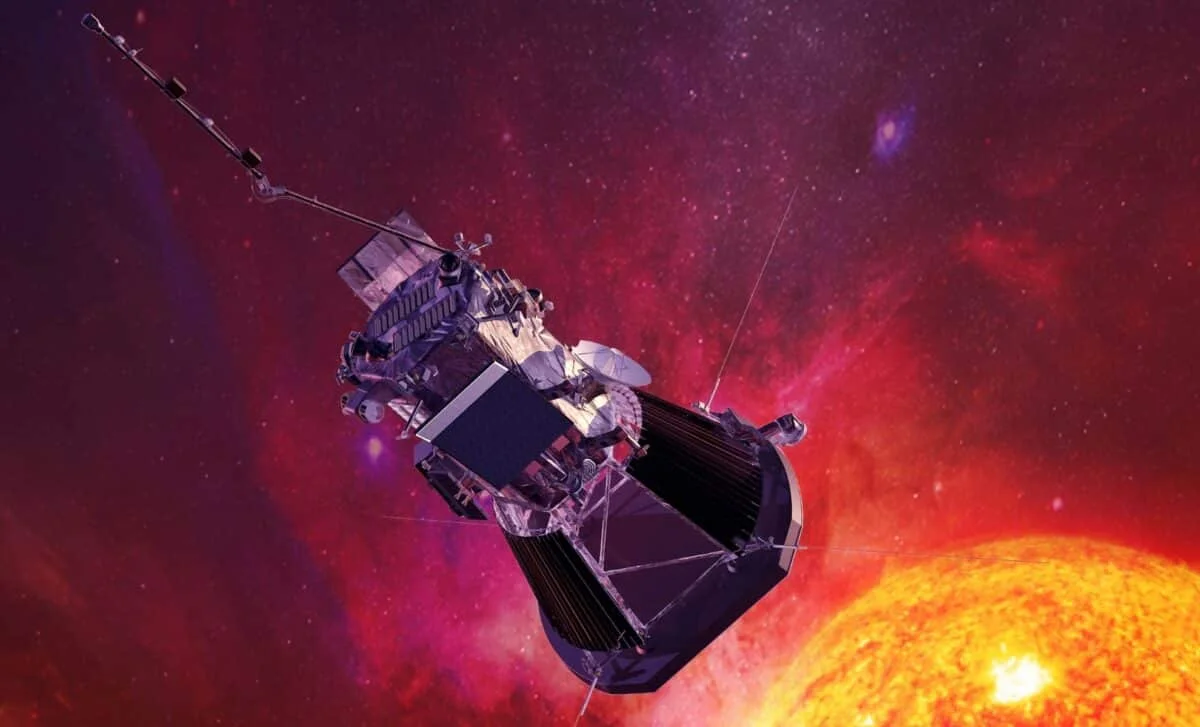
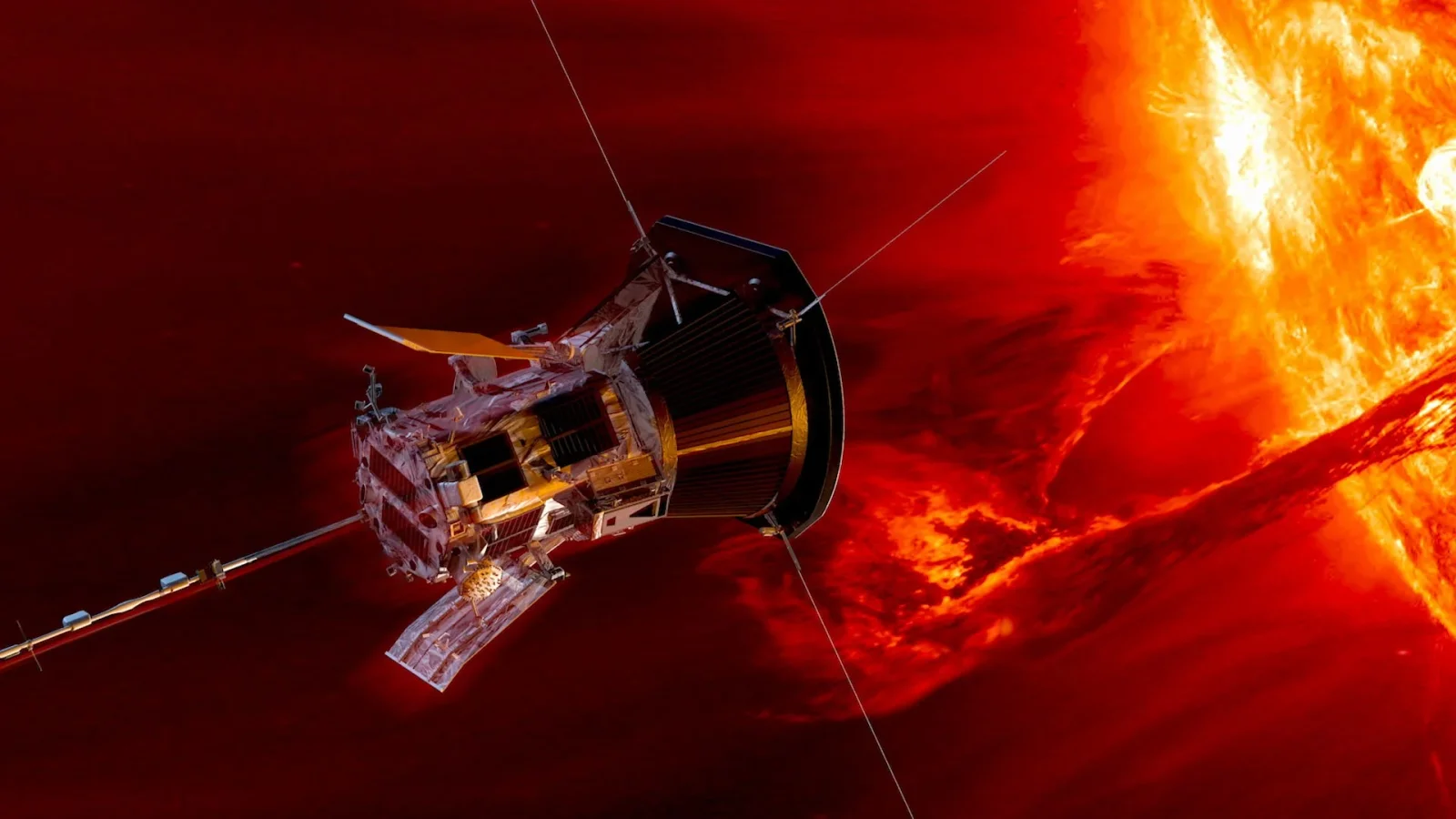
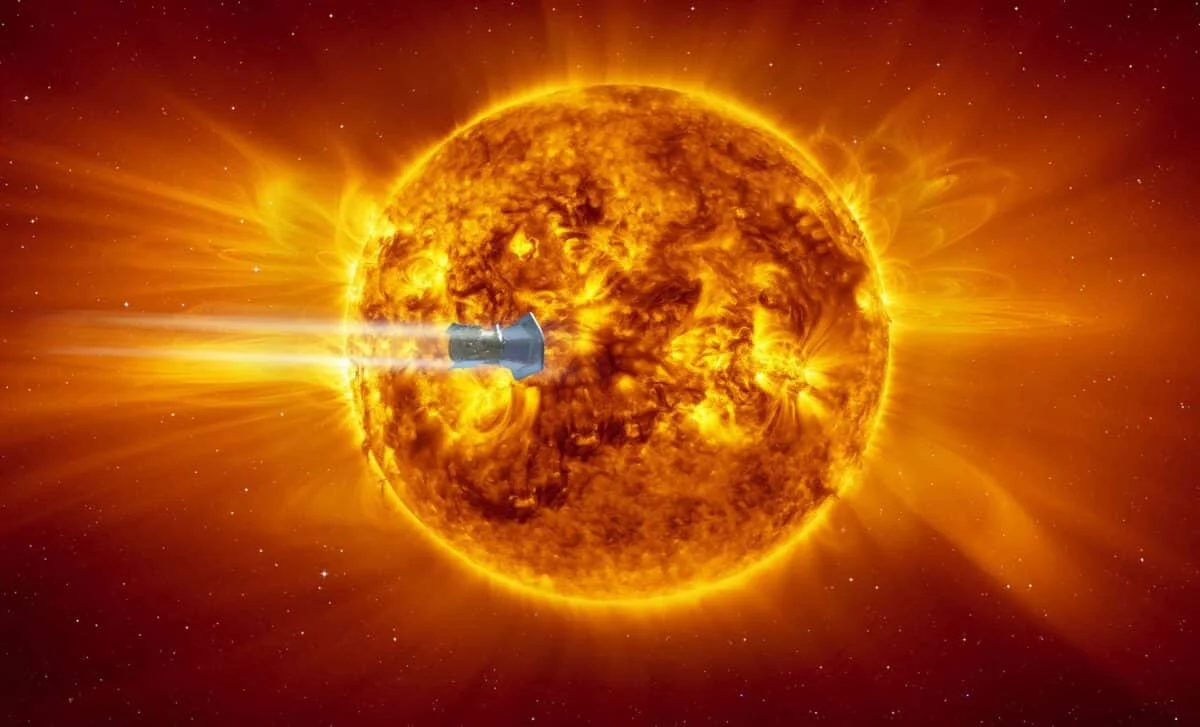
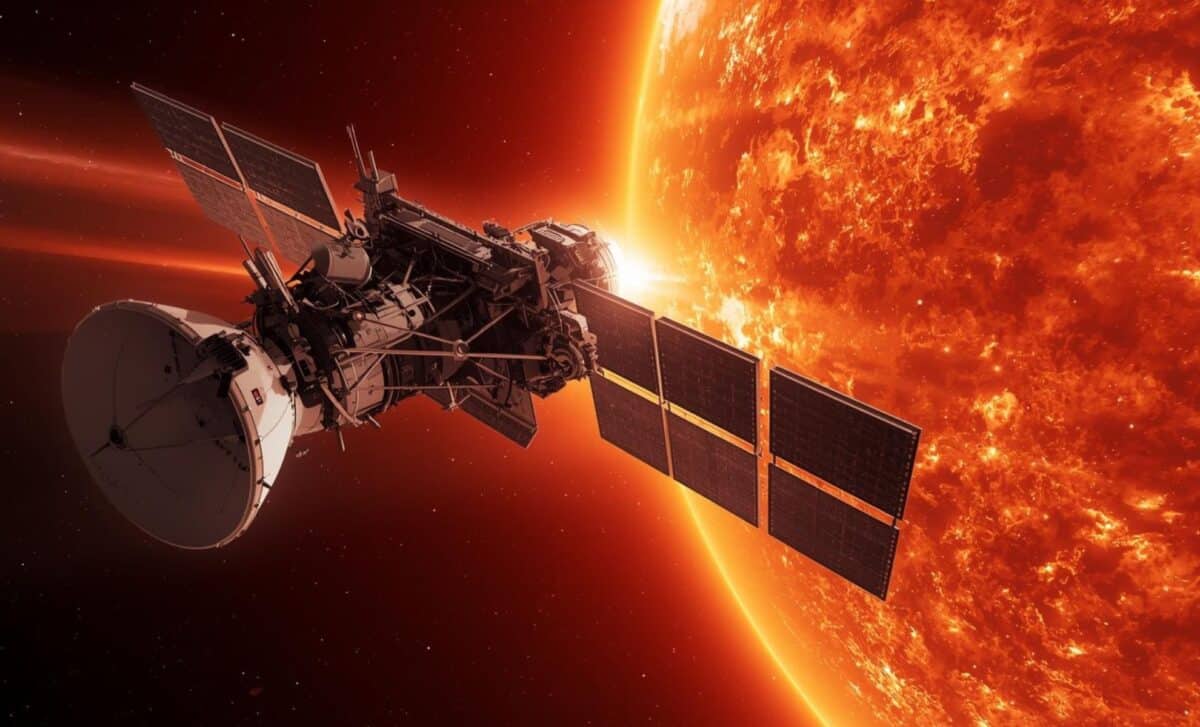
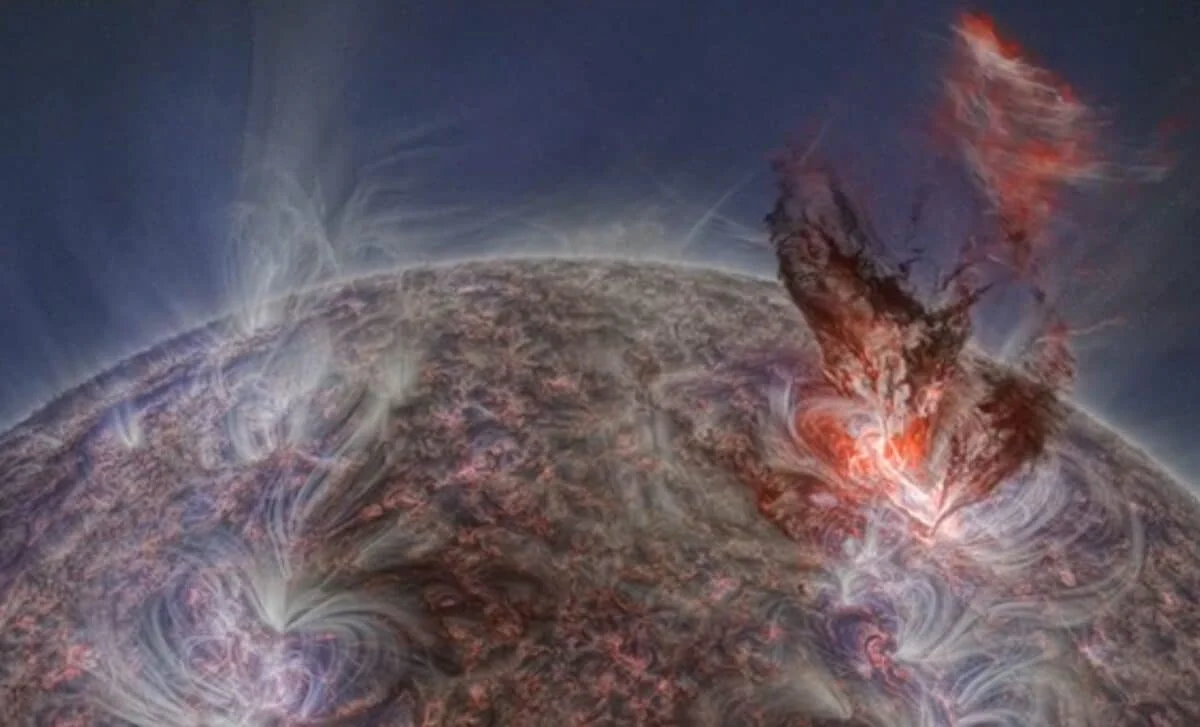
NASA’s Parker Solar Probe, flying closer to the Sun than any prior mission (within 3.8 million miles of the surface), uses a new ALPS analysis tool to map how energy heats and accelerates the solar wind, addressing the coronal heating puzzle and improving space-weather forecasts while providing insights into plasma behavior across the cosmos.

Parker Solar Probe Maps How the Sun Heats Its Solar Wind
space27 days ago

Parker Solar Probe Maps How the Sun Heats Its Solar Wind

NASA’s Parker Solar Probe delivered unprecedented close-up data from the Sun’s corona, enabling researchers to use the Arbitrary Linear Plasma Solver (ALPS) to analyze how particles respond to waves in the Sun’s plasma. The study shows how heating and damping shape the solar wind near the Sun, with cooling of particles occurring more gradually than expected as they stream outward—improving space weather forecasts and informing similar plasma processes in the universe.

Severe Solar Storm Sparks Auroras at Unusual Latitudes
science1 month ago

Severe Solar Storm Sparks Auroras at Unusual Latitudes

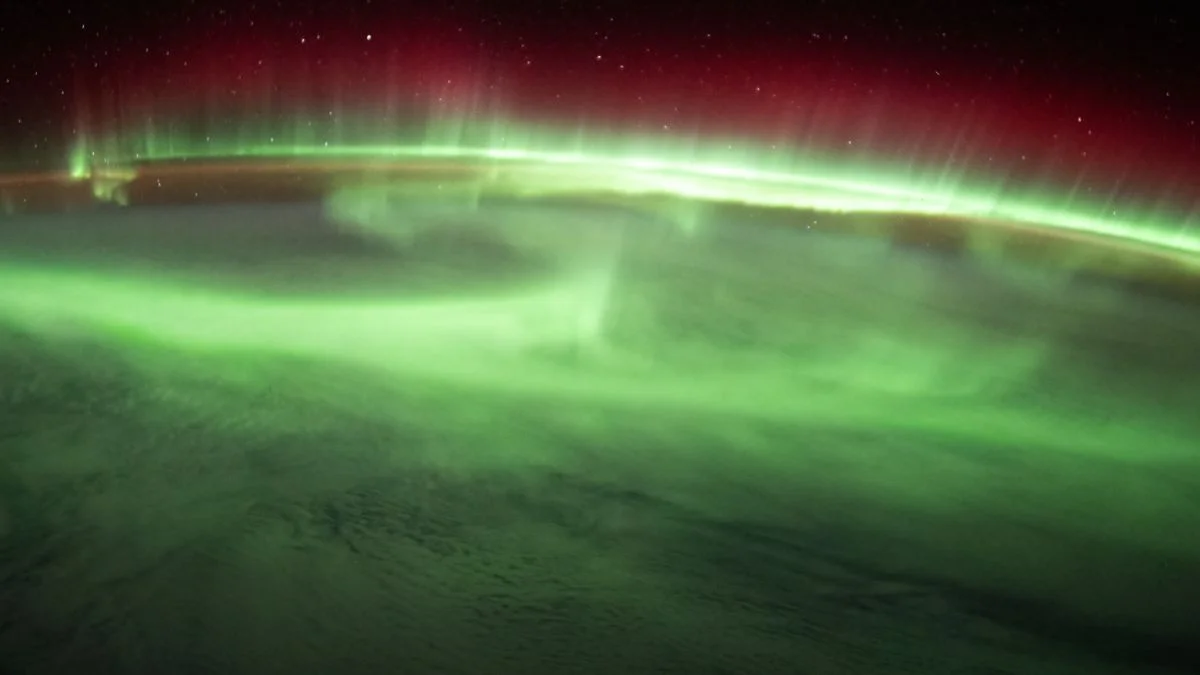
Earth is under a severe geomagnetic storm (G4, potentially reaching G5) triggered by a large coronal mass ejection and fast solar wind after an X1.9 flare, fueling strong auroras that could appear at unusually low latitudes; a radiation storm (S4, now subsiding to S2) also poses risks to spacecraft, aviation, and satellites, while power grids and communications may be affected as Earth's magnetic field responds to ongoing solar wind.

Earth’s Atmosphere Reaches the Moon via Solar Wind, Study Finds
science1 month ago

Earth’s Atmosphere Reaches the Moon via Solar Wind, Study Finds

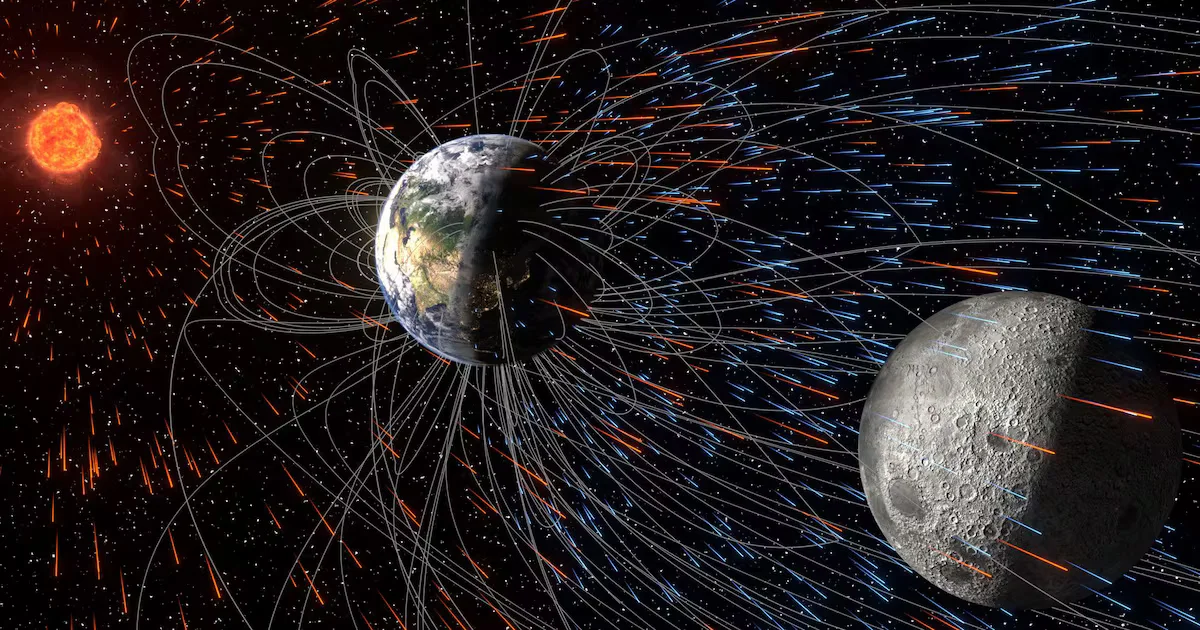
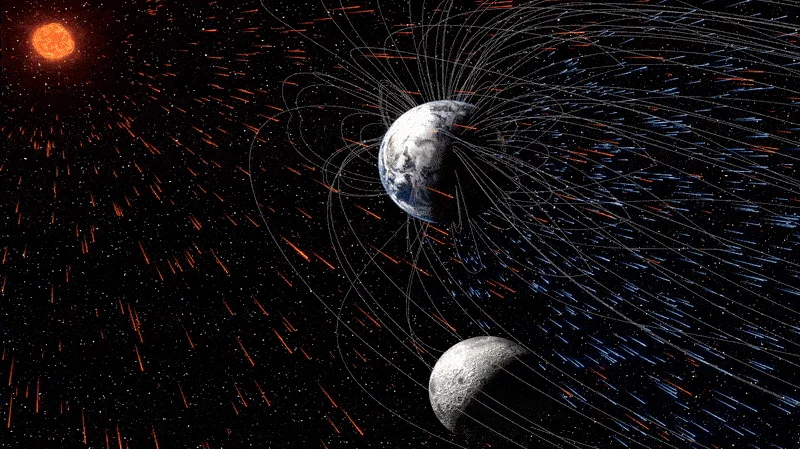
A new study, supported by Apollo samples, argues that particles from Earth’s atmosphere have been carried into space by the solar wind and embedded in the Moon’s soil for billions of years. Contrary to earlier ideas that Earth’s magnetic field blocked such transfer, the modern magnetosphere may aid it by expanding Earth’s atmospheric reach and by channeling material to the Moon through the magnetotail when the Moon is in certain orbital phases. This ongoing Earth–Moon material exchange could supply volatile elements like oxygen, hydrogen, and nitrogen for future lunar exploration and provides a chemical record of Earth’s ancient atmosphere, with the findings published in Nature Communications Earth & Environment.

Earth's air drifts to the Moon for billions of years, new study suggests
science1 month ago

Earth's air drifts to the Moon for billions of years, new study suggests

New simulations and Apollo lunar samples indicate Earth’s atmospheric particles (oxygen, nitrogen and other volatiles) have been transported to the Moon by the solar wind interacting with Earth’s magnetic field for billions of years, embedding in lunar soil. This challenges the idea that the Moon’s volatiles come mainly from the Sun or from its formation, suggesting a long‑running Earth–Moon chemical exchange with implications for understanding Earth’s ancient atmosphere and for future lunar resource use.

Interstellar Comet 3I/ATLAS Exhibits Unusual Jet Activity and No Technosignatures
science1 month ago

Interstellar Comet 3I/ATLAS Exhibits Unusual Jet Activity and No Technosignatures

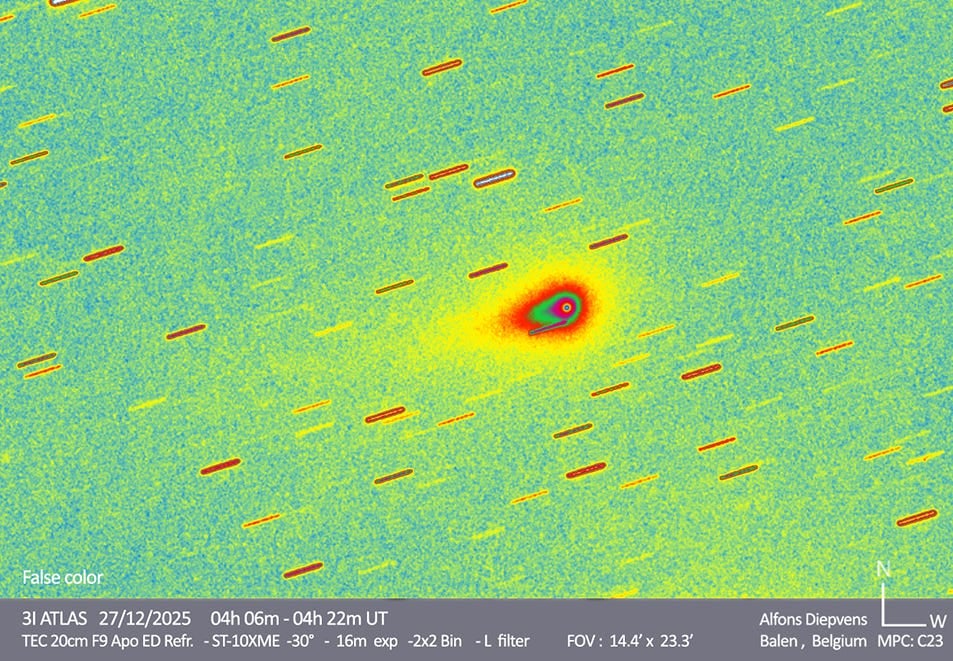
The article discusses whether the anti-tail jet of interstellar object 3I/ATLAS, observed to extend towards the Sun, contains streaming gas beyond approximately 5,000 km from the nucleus. If 3I/ATLAS is a natural comet, the jet should be gas-free beyond this distance, consisting mainly of dust particles. The presence or absence of streaming gas at larger scales could help determine whether 3I/ATLAS is a natural comet or a man-made object, with potential observations suggested using various telescopes.

Voyager Encounters Unexpected 50,000 Kelvin Boundary at Solar System's Edge
science2 months ago

Voyager Encounters Unexpected 50,000 Kelvin Boundary at Solar System's Edge

NASA's Voyager 1 and Voyager 2 spacecraft have detected a hot, energetic boundary at the edge of our solar system called the heliopause, where temperatures spike to 30,000-50,000 Kelvin, marking the transition from solar to interstellar space. The findings challenge previous assumptions about the magnetic field and permeability of this boundary, providing new insights into how our solar system interacts with the galaxy.