Tag

Space

All articles tagged with #space

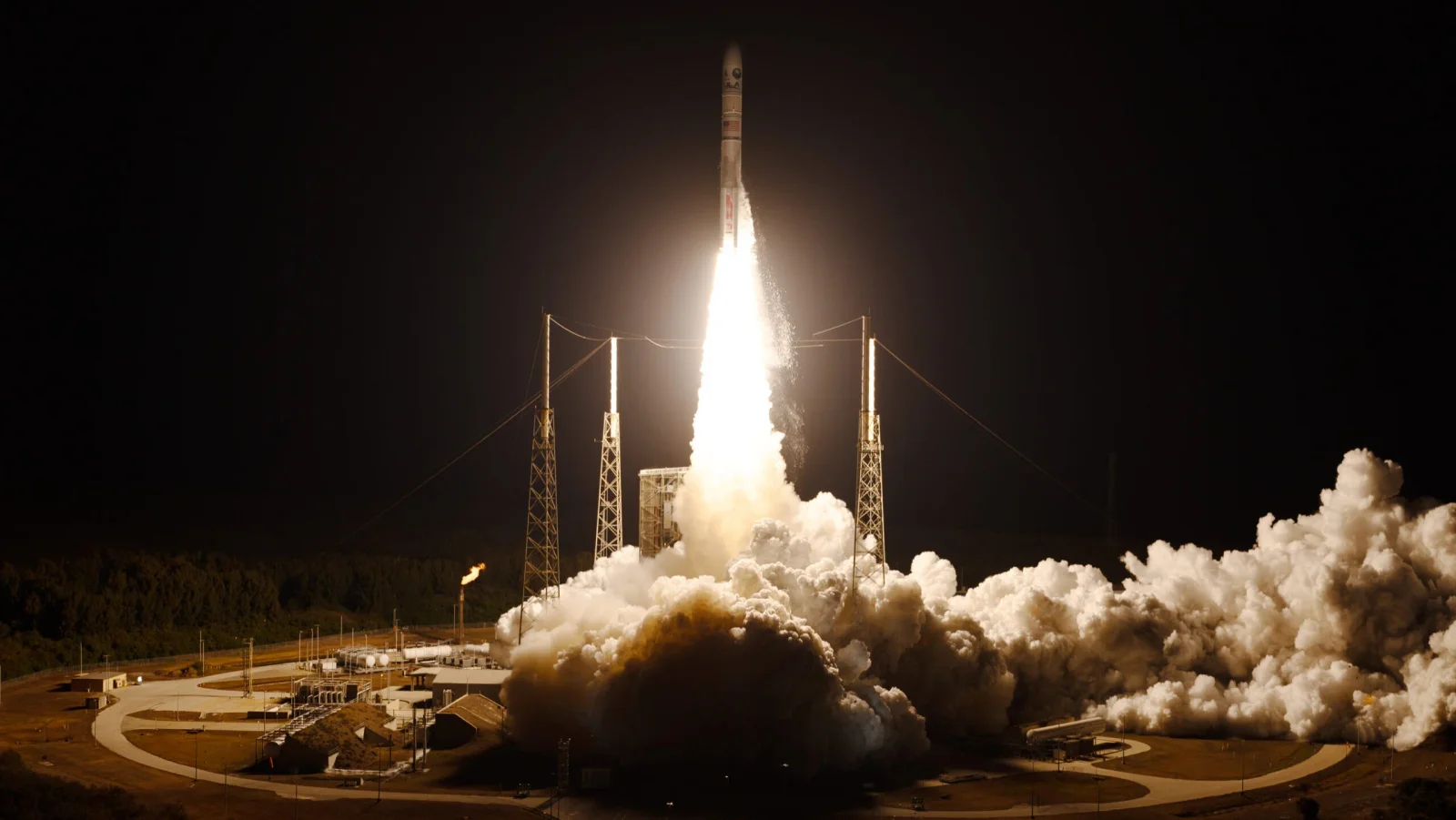
Space Force pauses Vulcan launches after booster anomaly
technology9 minutes ago

Space Force pauses Vulcan launches after booster anomaly

Space Force has halted Vulcan rocket launches after an anomaly with a solid-rocket booster was observed on the USSF-87 mission. Investigators will work with ULA and Northrop Grumman to determine corrective actions before resuming Vulcan flights, with no set resumption date and potential fallback options such as SpaceX if Vulcan remains grounded. GPS III SV-10 remains on the national security launch manifest for no later than next month as ULA addresses the booster issue while pursuing its cadence goals.
Fincke confirms illness triggered first ISS medical evacuation
space31 minutes ago

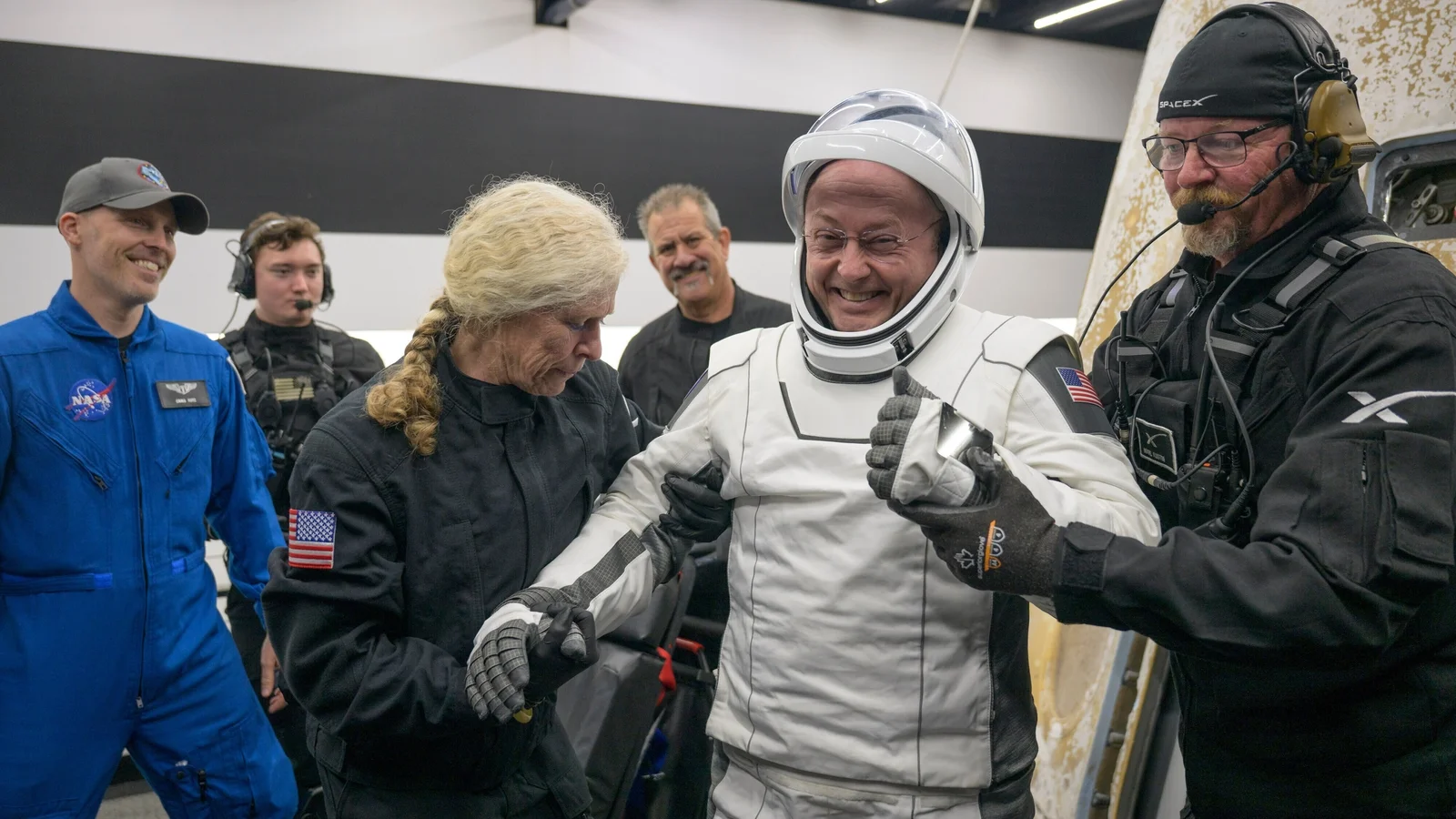
Fincke confirms illness triggered first ISS medical evacuation

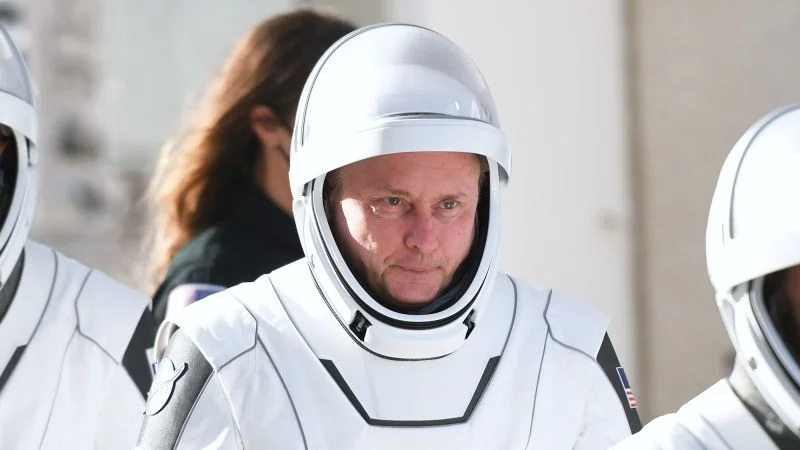
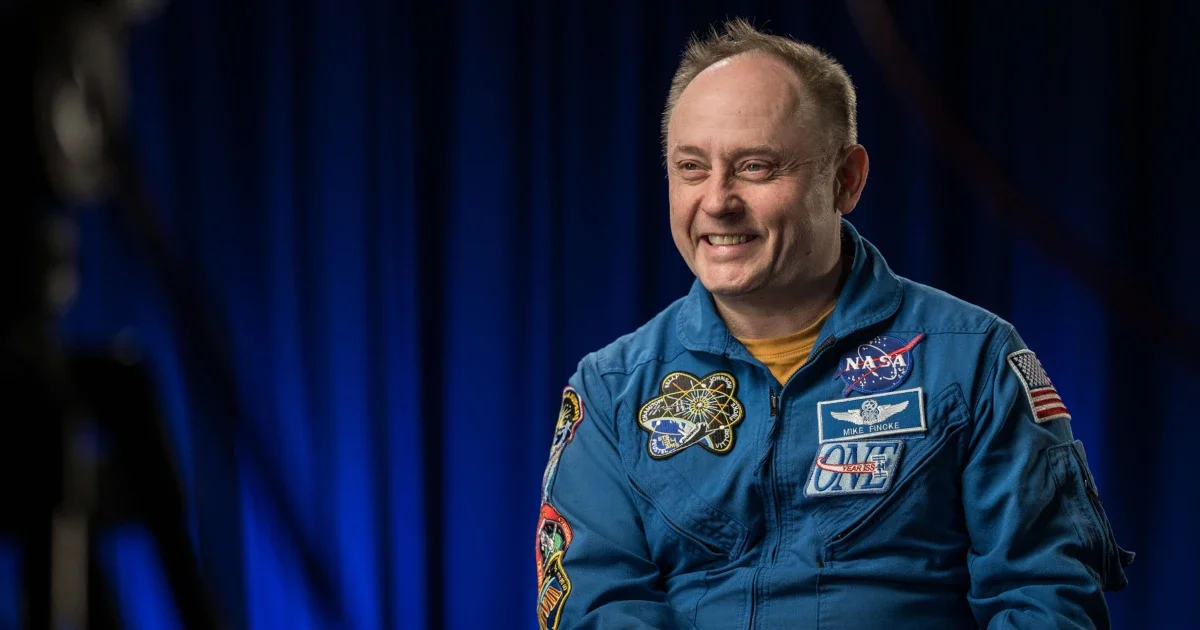
NASA astronaut Mike Fincke has publicly identified himself as the ailing crew member whose medical condition prompted the International Space Station’s first medical evacuation. His illness quickly stabilized thanks to crewmates and ground flight surgeons, the mission ended early, and he is doing well now. The station’s ultrasound and other imaging aided the assessment, though Fincke stressed it was not an emergency; the team chose to leverage advanced medical imaging not available on the station.

Cosmic water reservoir: distant quasar harbors trillions of oceans
science2 hours ago

Cosmic water reservoir: distant quasar harbors trillions of oceans

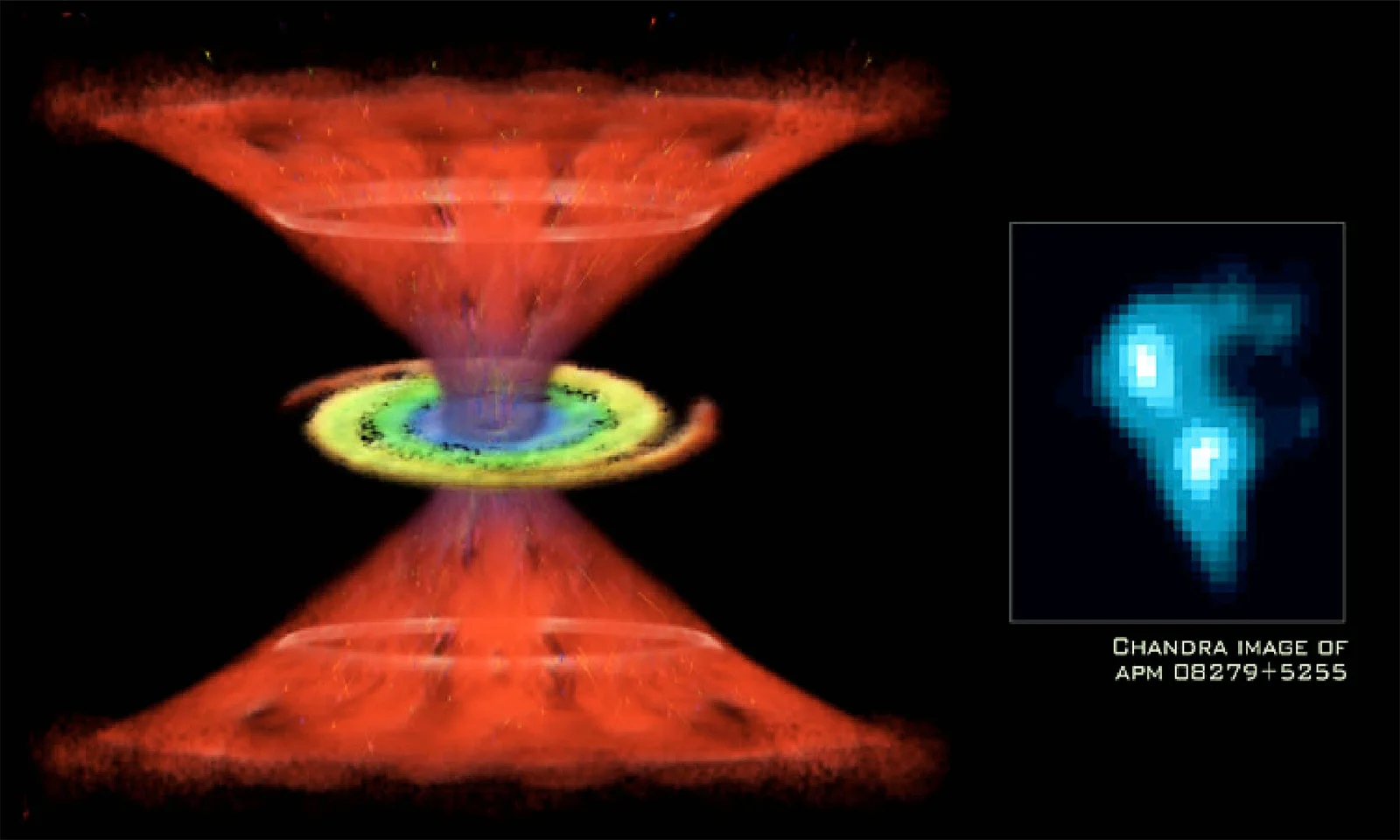
Astronomers report that the quasar APM 08279+5255, about 12 billion light-years away, contains roughly 140 trillion times the amount of water in Earth’s oceans, making it the largest known reservoir of water in the cosmos. Water was detected through multiple emission lines, aided by gravitational lensing that magnifies the source. The finding shows water is pervasive even in the early universe and helps illuminate how black holes grow and galaxies form, with lensing suggesting there may be more such water-rich systems hiding in existing catalogs.

Rubin Observatory Rolls Out Real-Time Sky Alerts to Track the Cosmos
science2 hours ago

Rubin Observatory Rolls Out Real-Time Sky Alerts to Track the Cosmos

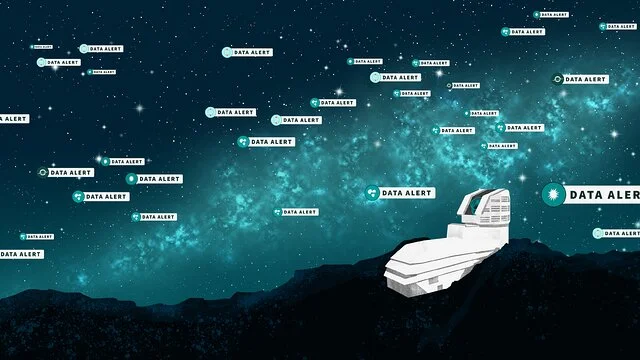
NSF–DOE Vera C. Rubin Observatory has issued its first public scientific alerts, kickstarting real-time monitoring of the night sky (800,000 alerts issued on Feb 24). The system is designed to scale to as many as seven million alerts per night once the LSST survey begins, flagging supernovae, variable stars, active galactic nuclei, and Solar System objects such as asteroids; alerts are produced within minutes and publicly accessible through a network of brokers to enable rapid, worldwide follow-up observations. Rubin's 3200-megapixel camera and automated image differencing enable this time-domain treasure trove, guiding studies of dark matter, dark energy, and other cosmic mysteries.

Taikonauts recount discovering window cracks on Shenzhou-20 during return prep
space2 hours ago

Taikonauts recount discovering window cracks on Shenzhou-20 during return prep

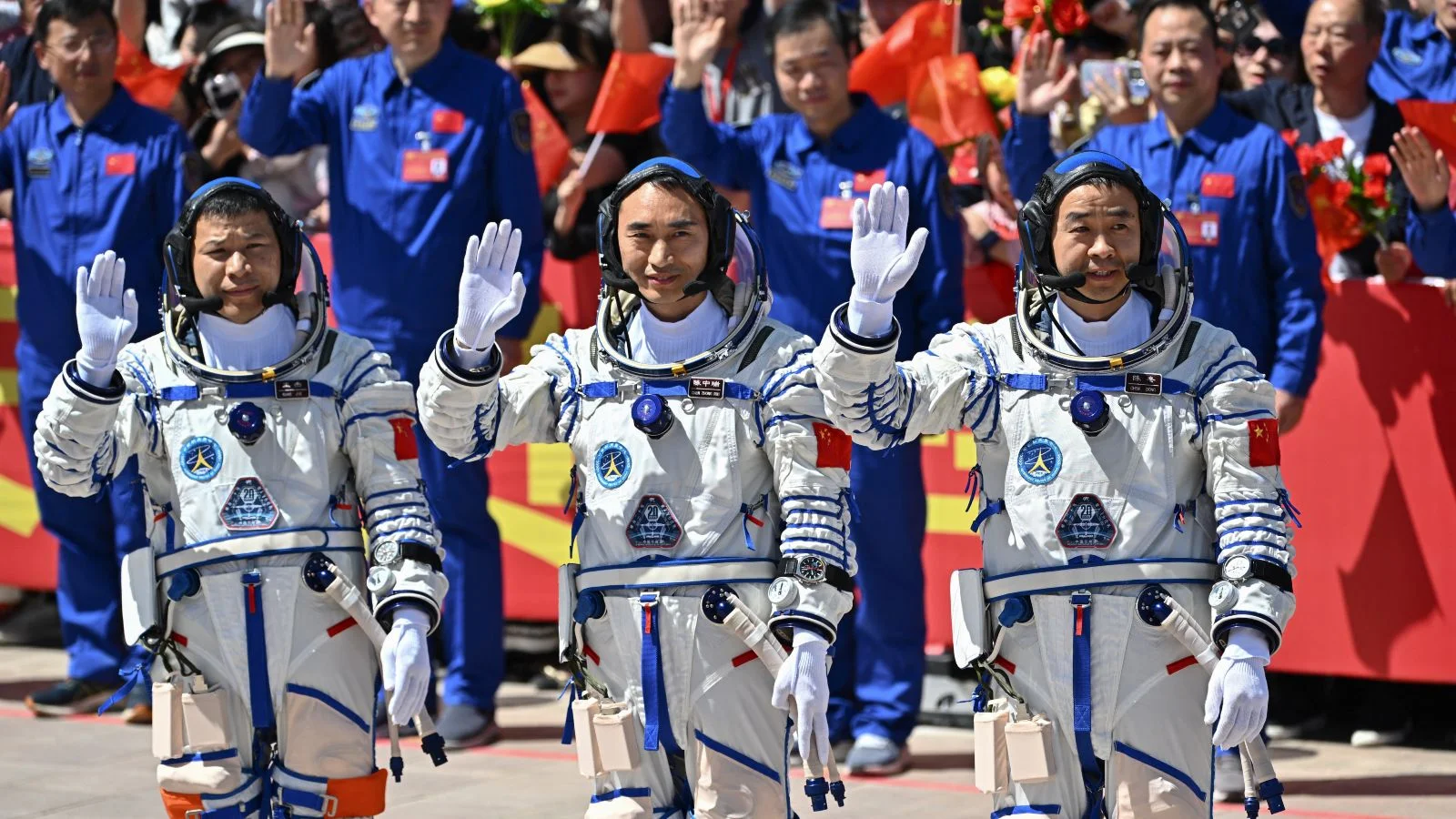
Chinese taikonauts aboard Shenzhou-20 described spotting a triangular mark on the return capsule’s window—suggesting cracks likely from a space‑debris impact—during routine checks at the Tiangong space station. The finding delayed their departure, with ground teams and the Shenzhou-21 relief crew working to assess the damage. The crew ultimately returned to Earth nine days later aboard Shenzhou-21 after a 204‑day in‑orbit stay, in what CCTV and officials describe as China’s first spaceflight emergency.

ALMA maps the Milky Way’s chaotic center in unprecedented detail
space4 hours ago

ALMA maps the Milky Way’s chaotic center in unprecedented detail

Scientists using the ALMA telescope have produced the largest, most detailed image of the Milky Way’s chaotic center—the Central Molecular Zone (CMZ)—covering about 650 light-years. The mosaic reveals massive streams of turbulent gas, fast-moving stars, and rare structures like the Millimeter Ultra-Broad Line Object (MUBLO), offering new insights into how extreme galactic centers form stars and resemble early-universe environments. The ACES survey, involving ~160 scientists across 70 institutions, aims to develop a 3D CMZ map to unravel how matter flows and shapes star birth near Sagittarius A*.

Fincke confirms medical issue prompted early Crew-11 return from the ISS
space11 hours ago

Fincke confirms medical issue prompted early Crew-11 return from the ISS

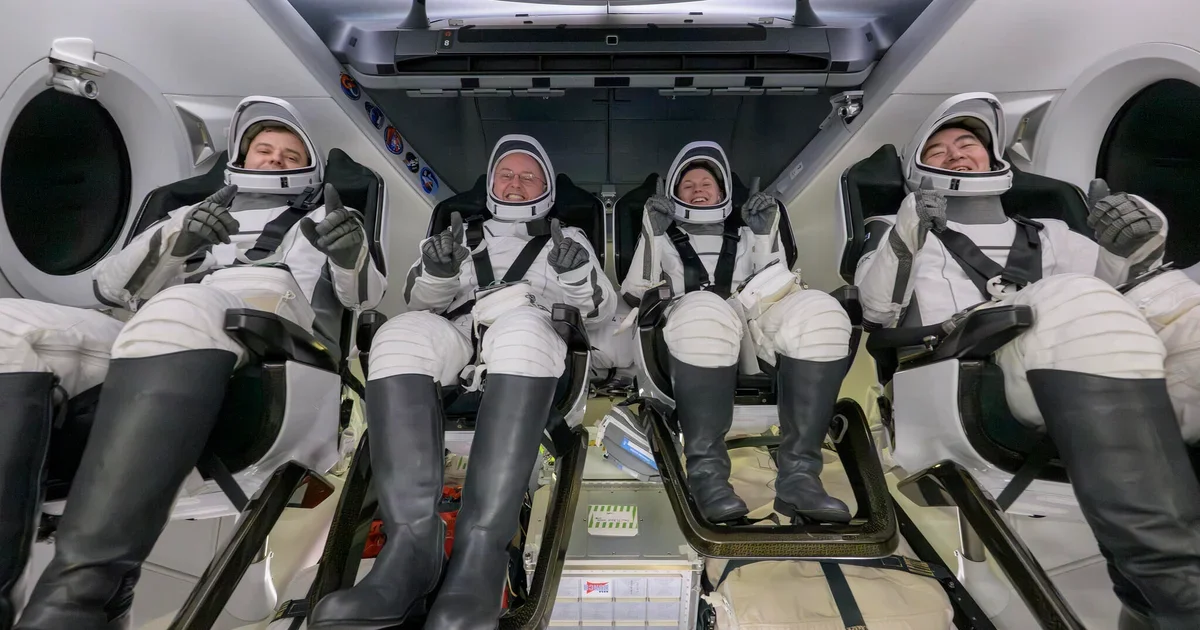
NASA astronaut Mike Fincke, ISS commander, disclosed he experienced a medical event in January that led to a carefully planned early return for Crew-11. NASA said the step was to use advanced medical imaging available on Earth rather than indicate an on-station emergency. Fincke and crewmates Zena Cardman, Kimiya Yui and Oleg Platonov landed Jan. 15 off San Diego; others remained on Earth for follow-up. Fincke is recovering at NASA’s Johnson Space Center with care from NASA, SpaceX and medical staff, including treatment at Scripps Memorial Hospital La Jolla.

Brain-like Nebula Revealed by Webb’s Infrared View
space11 hours ago

Brain-like Nebula Revealed by Webb’s Infrared View

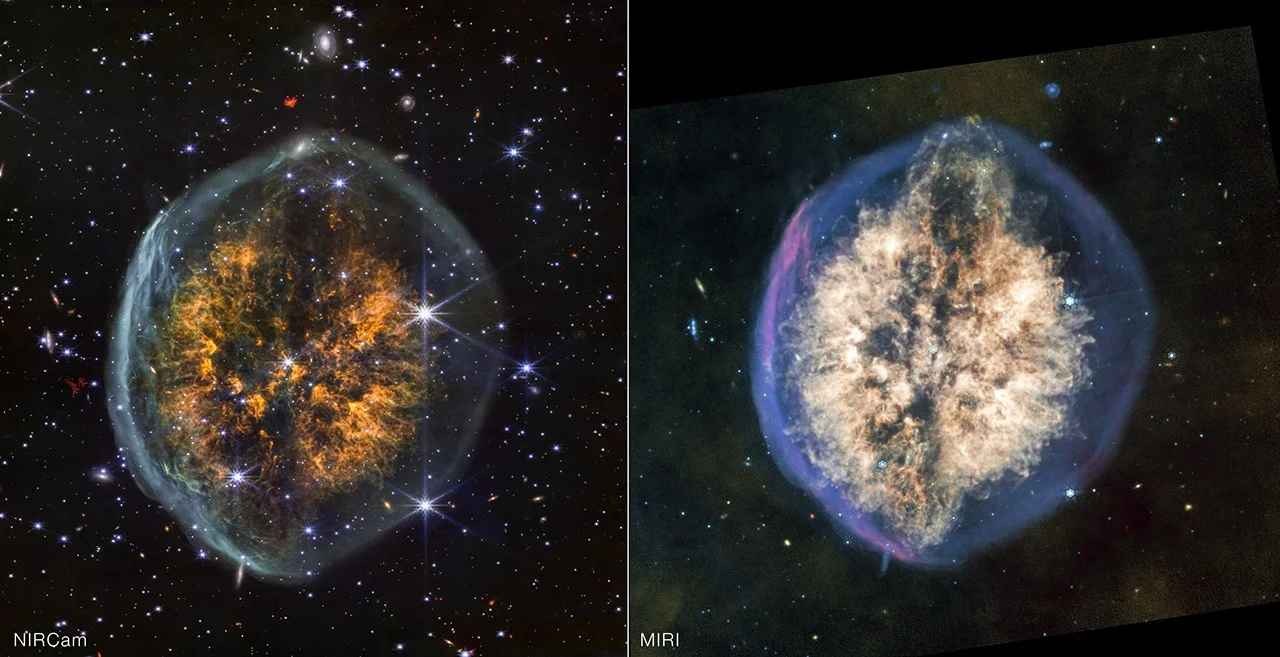
NASA’s James Webb Space Telescope has captured new infrared views of PMR 1, the Exposed Cranium nebula, revealing a brain-like structure around a dying star. Webb’s NIRCam and MIRI images show that near-infrared light reveals more stars and background galaxies while mid-infrared highlights glowing dust and a dark central lane that contributes to the nebula’s split-brain appearance. The features trace an outer hydrogen shell and a richer inner gas cloud, hinting at past outbursts or jets. The star’s ultimate fate—whether it becomes a white dwarf or a supernova—depends on its mass, and Webb’s observations help illuminate how dying stars shed their envelopes.

Artemis II delayed as Space Launch System rolls back for repairs
space18 hours ago

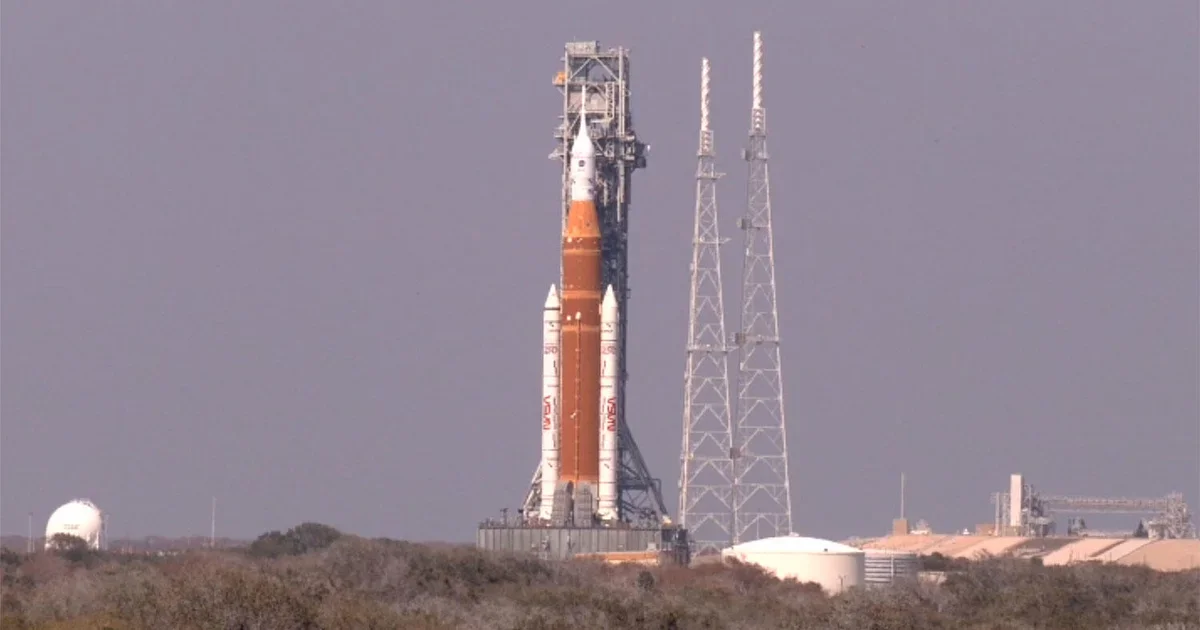
Artemis II delayed as Space Launch System rolls back for repairs

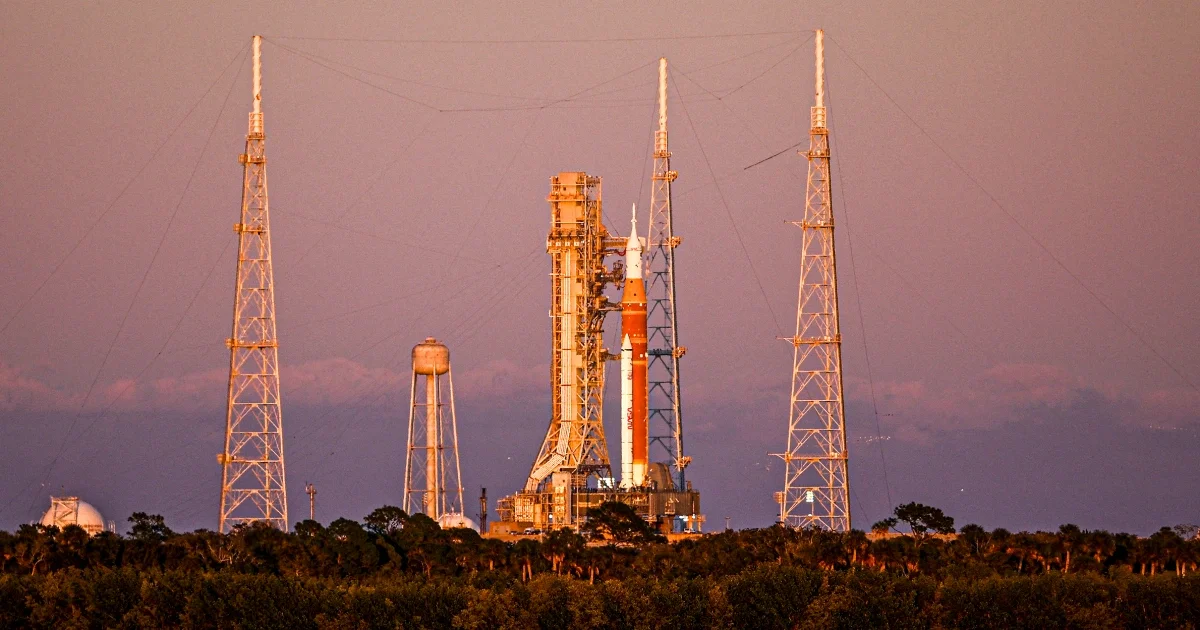
NASA will roll the Space Launch System and Orion back to the Vehicle Assembly Building for repairs after a helium-flow blockage was found in the upper stage, delaying Artemis II’s planned March moon mission to at least April; the 322-foot rocket will be transported slowly on a crawler-transporter, and engineers will replace batteries and the flight termination system as they investigate the issue following a wet dress rehearsal.