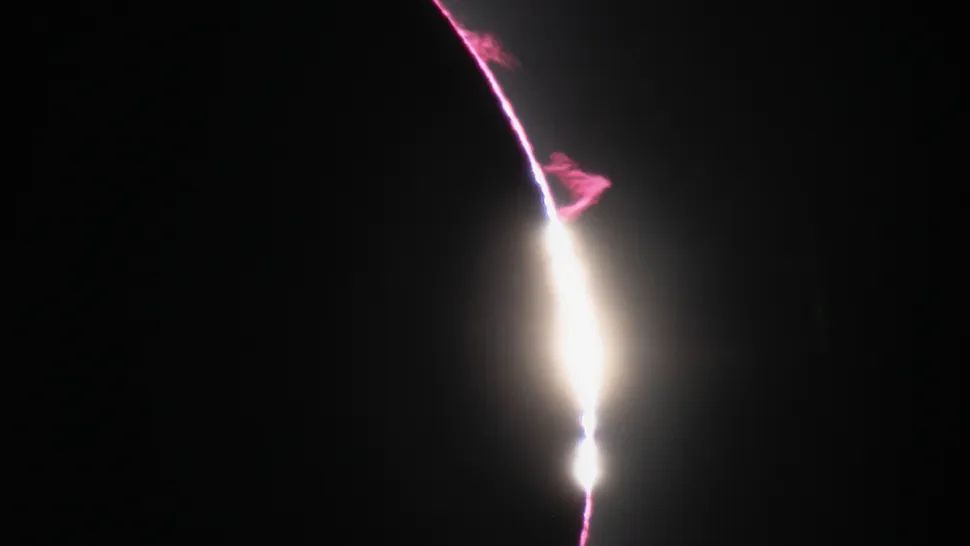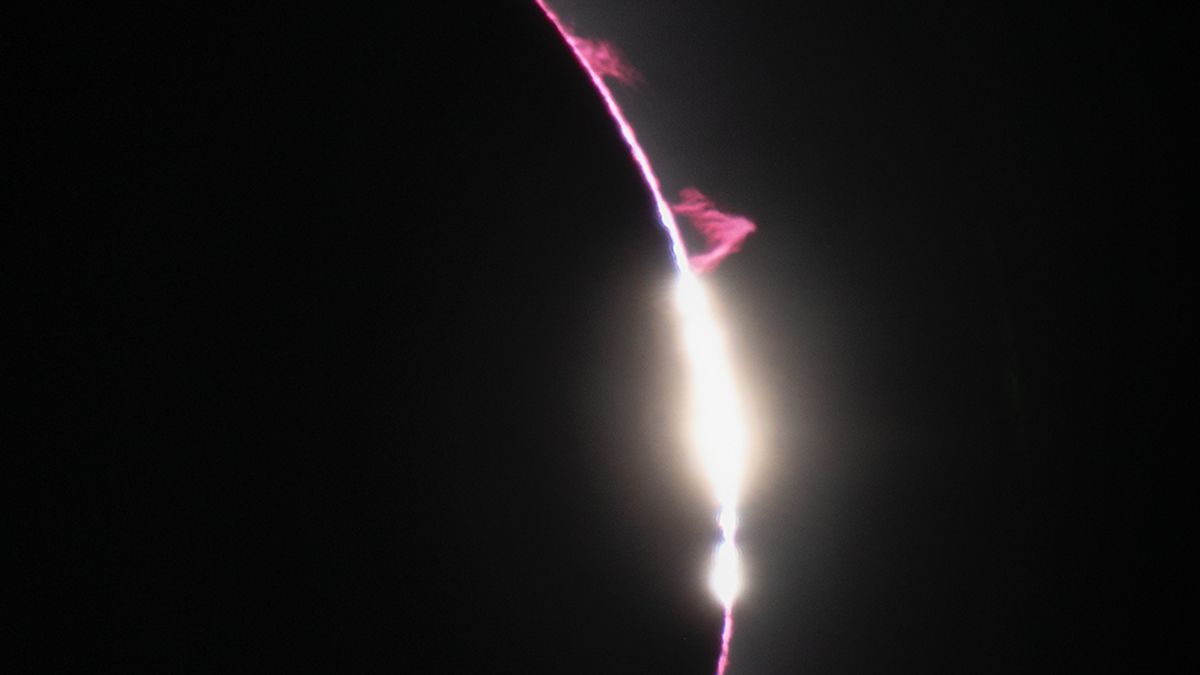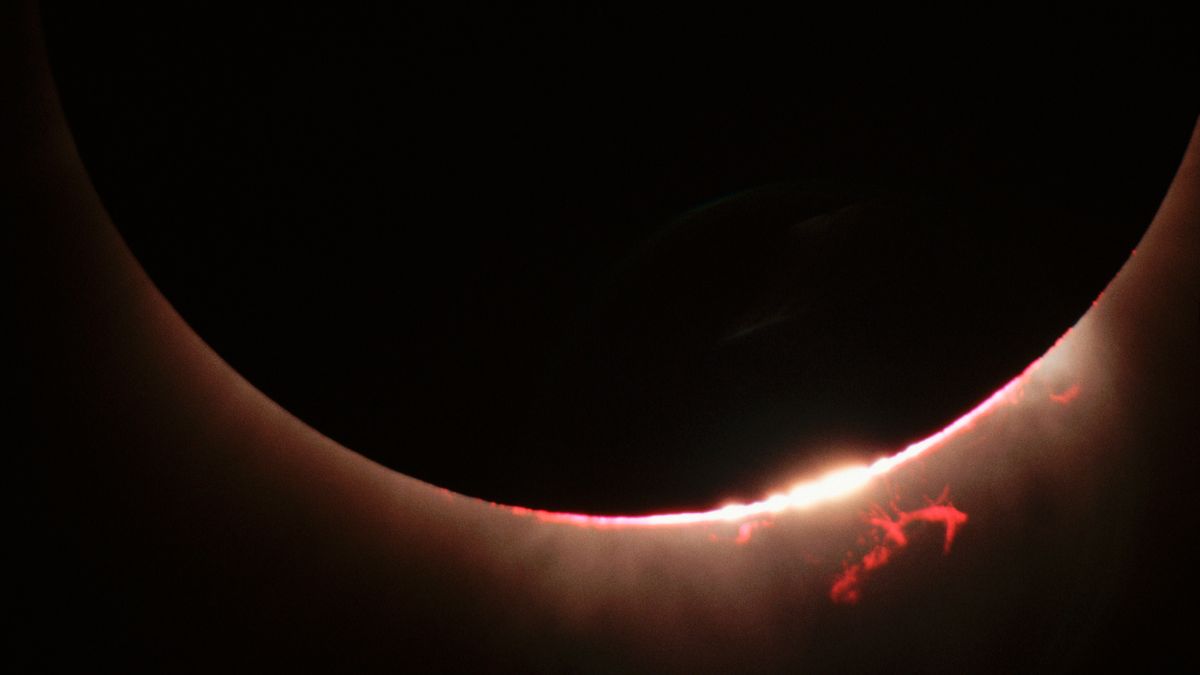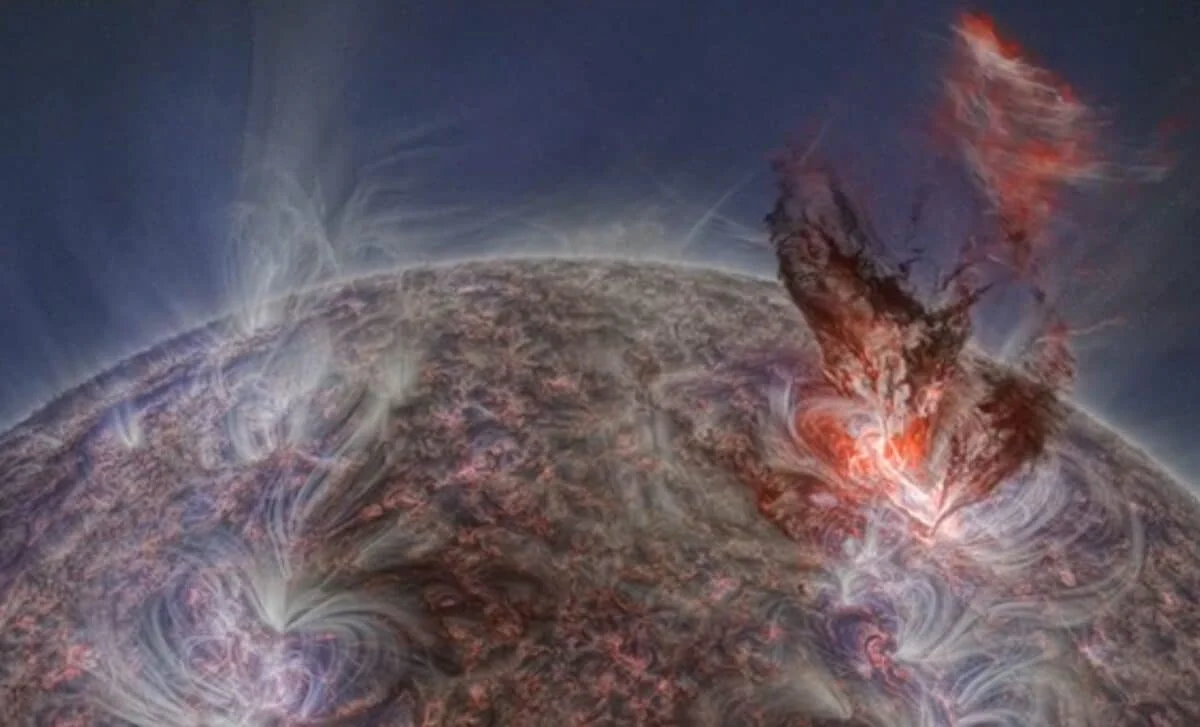
During the recent total solar eclipse, observers saw what appeared to be explosive solar flares, but experts clarified that these were actually plasma prominences, not caused by solar flares. The event was particularly special due to the lengthy period of totality, during which some observers saw red dots around the obscured sun. Solar activity data confirmed the absence of solar flares during the eclipse, attributed to the sun's current low activity despite being near the peak of its solar cycle.
During the recent total solar eclipse, observers saw large plasma plumes around the sun, which were initially mistaken for explosive solar flares. However, experts clarified that these were actually prominences, long-lived plasma structures, and not solar flares. Solar activity data confirmed that there was only one minor solar flare that did not produce a coronal mass ejection during the eclipse. The sun's unexpected inactivity with almost no sunspots reduced the chances of solar flares occurring during the eclipse, despite the sun being near the peak of its solar cycle.
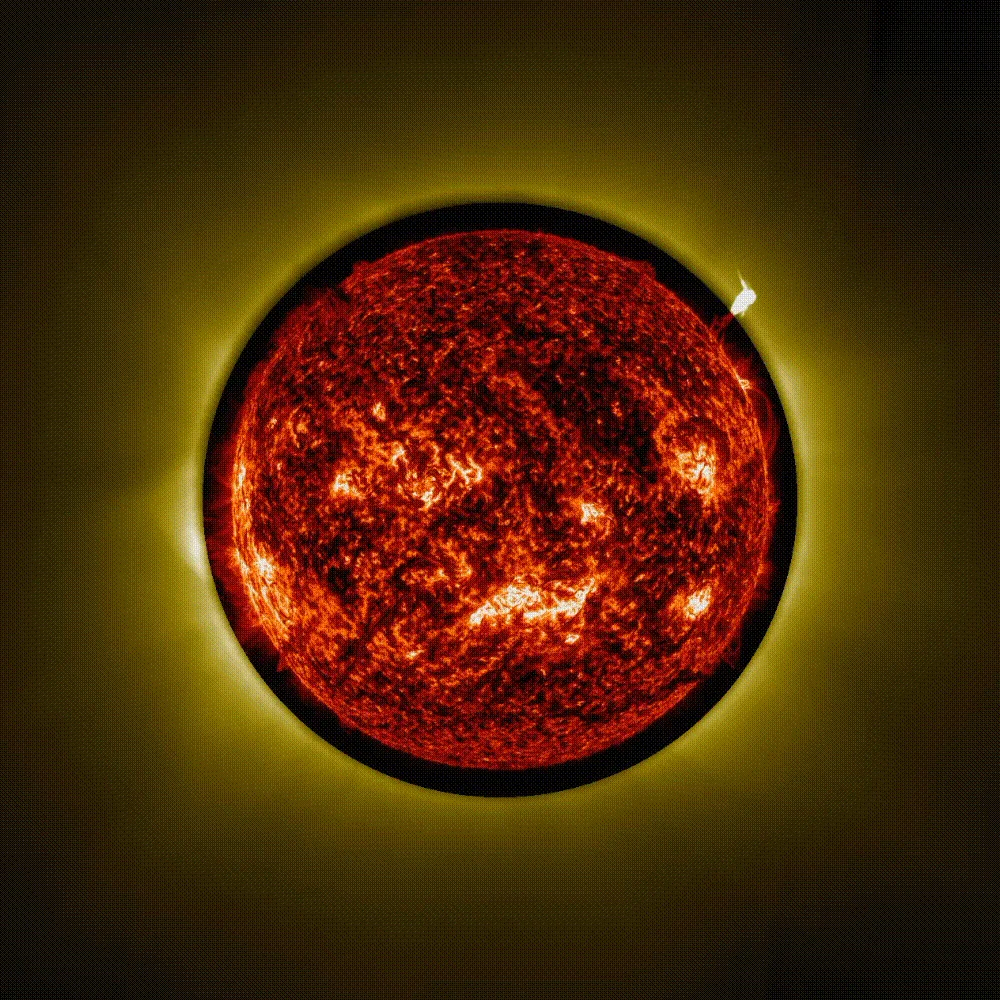
The upcoming total solar eclipse on April 8 may offer a rare opportunity to witness massive solar explosions, including solar prominences, coronal mass ejections, and solar flares. These phenomena, typically only visible with specialized equipment, could be observable during the brief period of totality. Scientists are working on projects to capture these events, including the Citizen Continental-America Telescopic Eclipse (CATE 2024) project, which aims to create a continuous 60-minute 3D movie of the sun's corona using standardized cameras and setups.
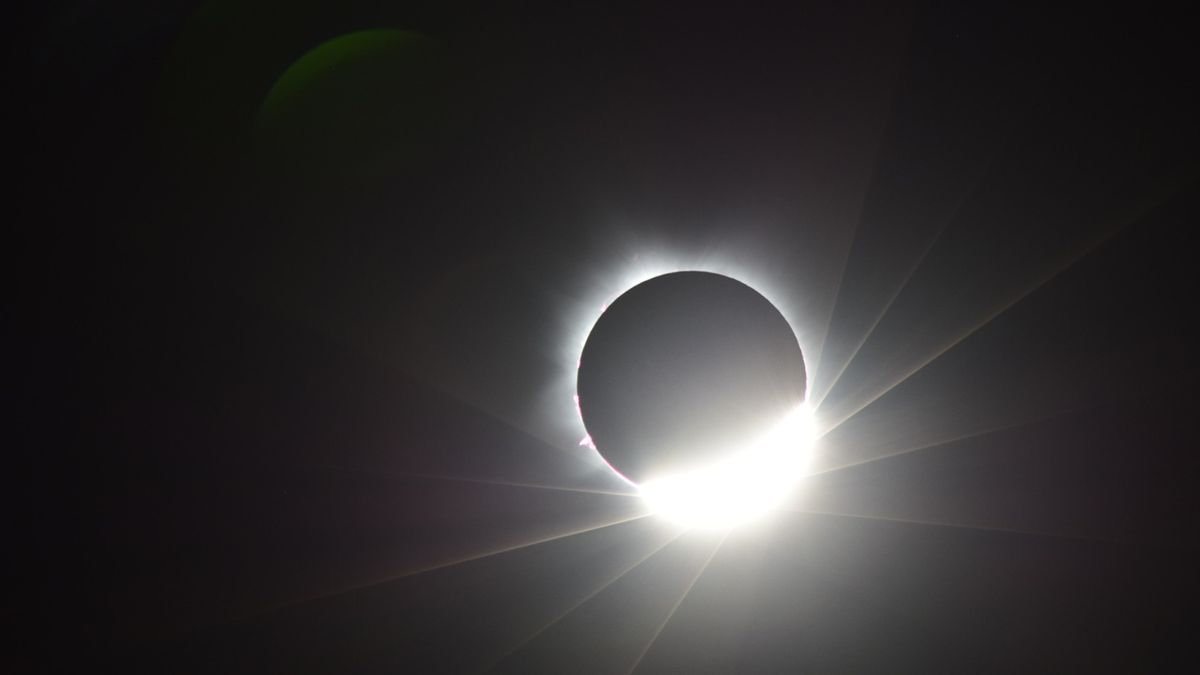
A rare "hybrid-total" solar eclipse was witnessed by 2,000 eclipse-chasers from the deck of a cruise ship off the coast of Australia. The event was a combination of a total solar eclipse and an annular solar eclipse, with a colossal corona, multiple prominences, and a drifting "diamond ring" visible. The totality lasted for just 60 seconds, but the display of solar explosions was one of the advantages of experiencing a total solar eclipse while the sun is so active. The next hybrid total solar eclipse will be on Nov. 14, 2031, visible from the Pacific Ocean.