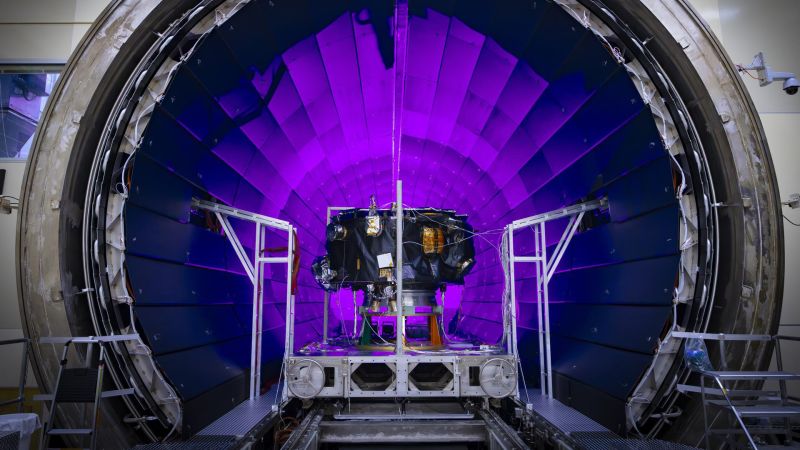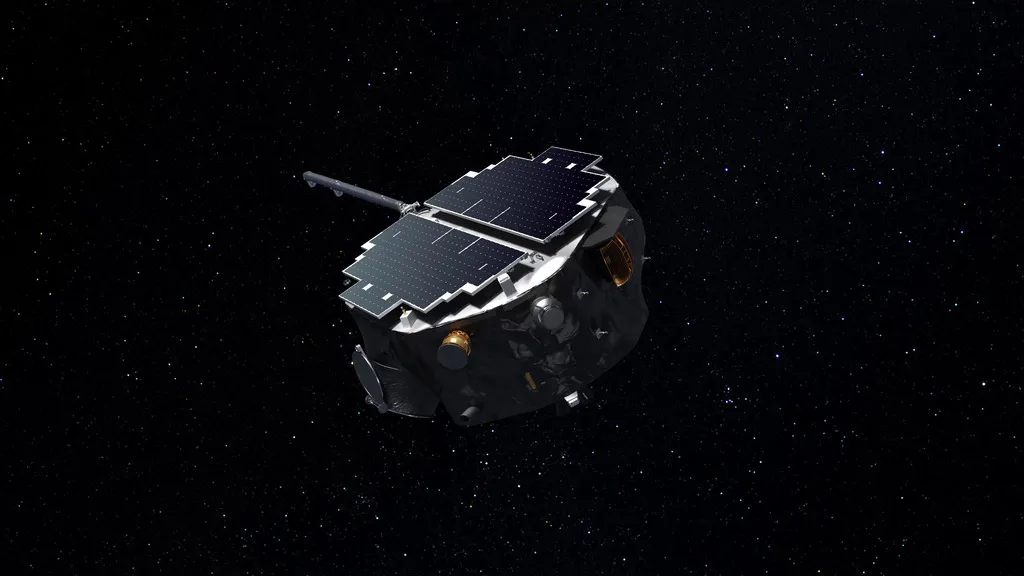
NASA's Interstellar Mapping and Acceleration Probe (IMAP) arrived at the Sun-Earth L1 point after a 3.5-month journey of roughly 1 million miles, setting up to map the heliosphere and provide real-time space-weather data to improve forecasts.
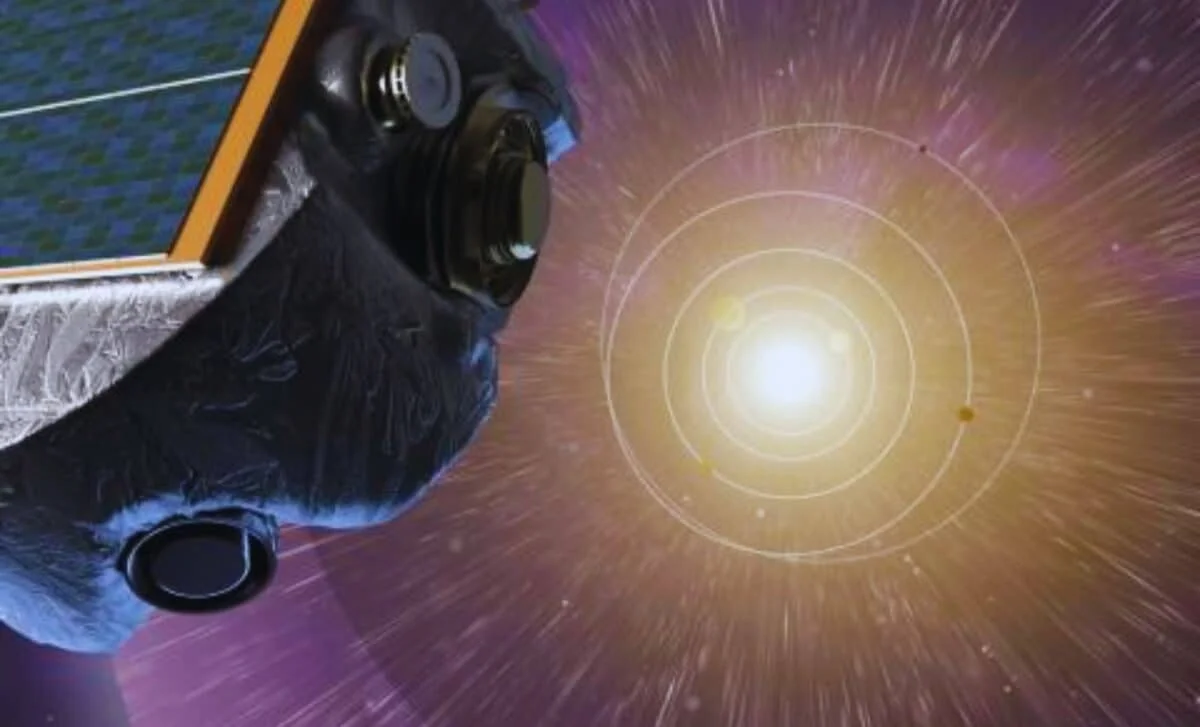
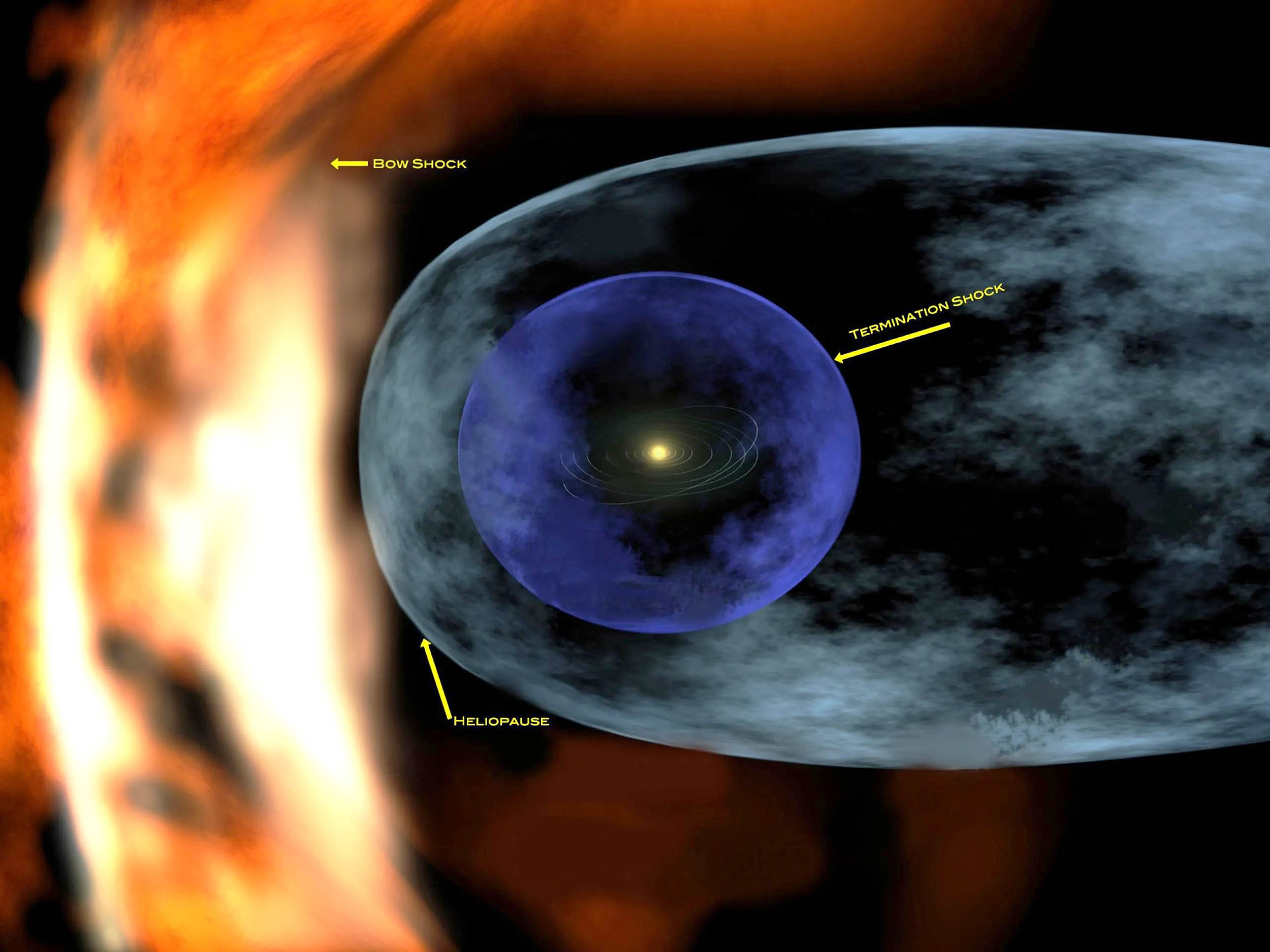
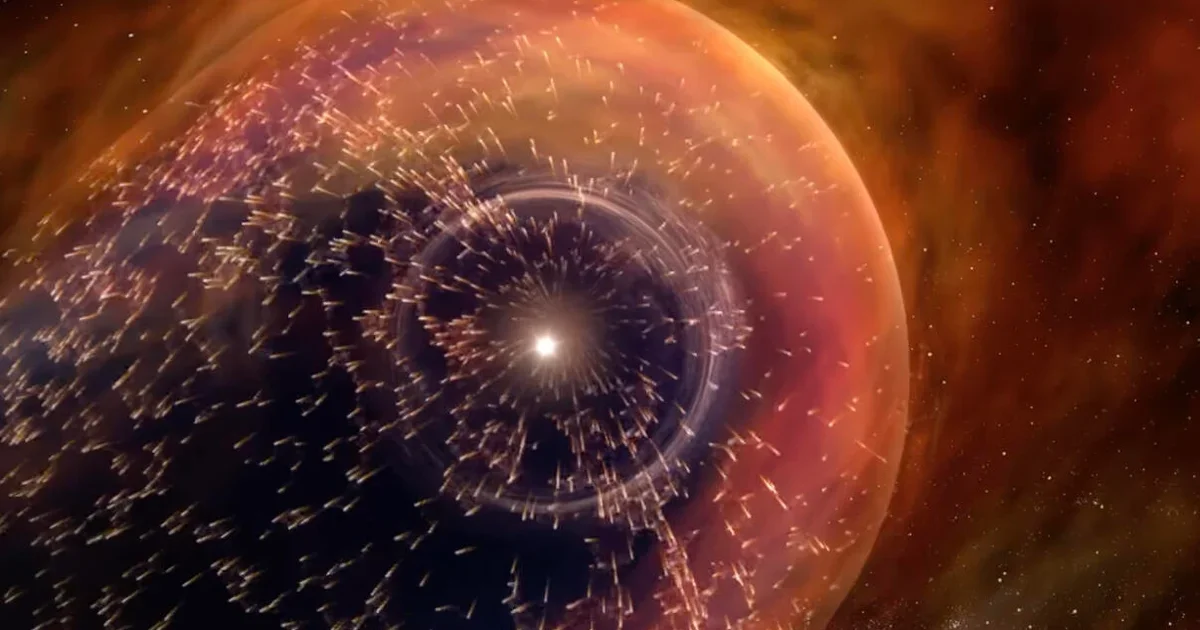
NASA's new IMAP mission will study the heliosphere, a protective bubble around the solar system created by the Sun's solar wind, to better understand space weather and its impact on Earth and future space exploration.
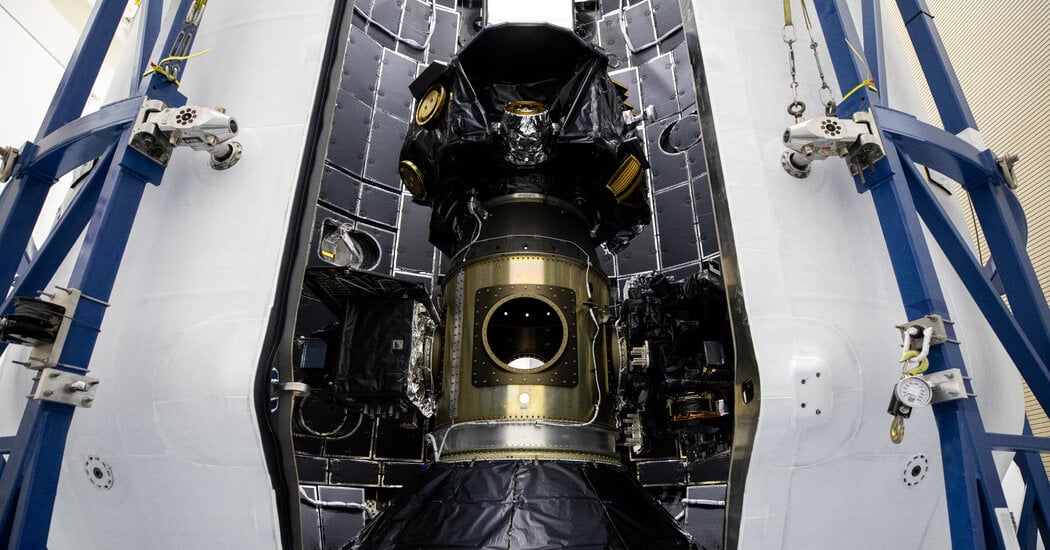
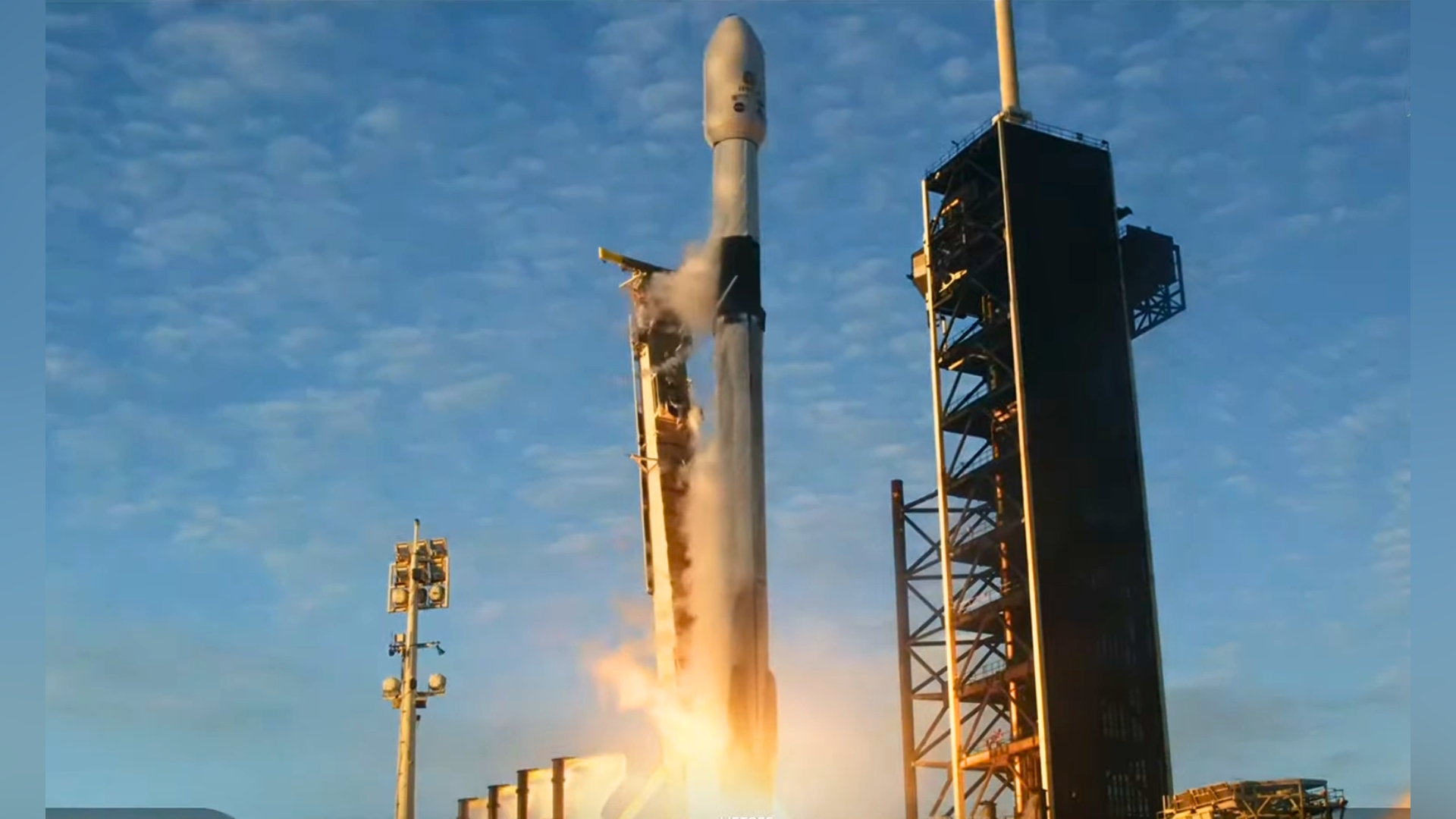
NASA launched the IMAP mission along with two other spacecraft on a SpaceX Falcon 9 rocket to study the solar wind and its impact on Earth and interstellar space, aiming to better understand the heliosphere and cosmic rays.
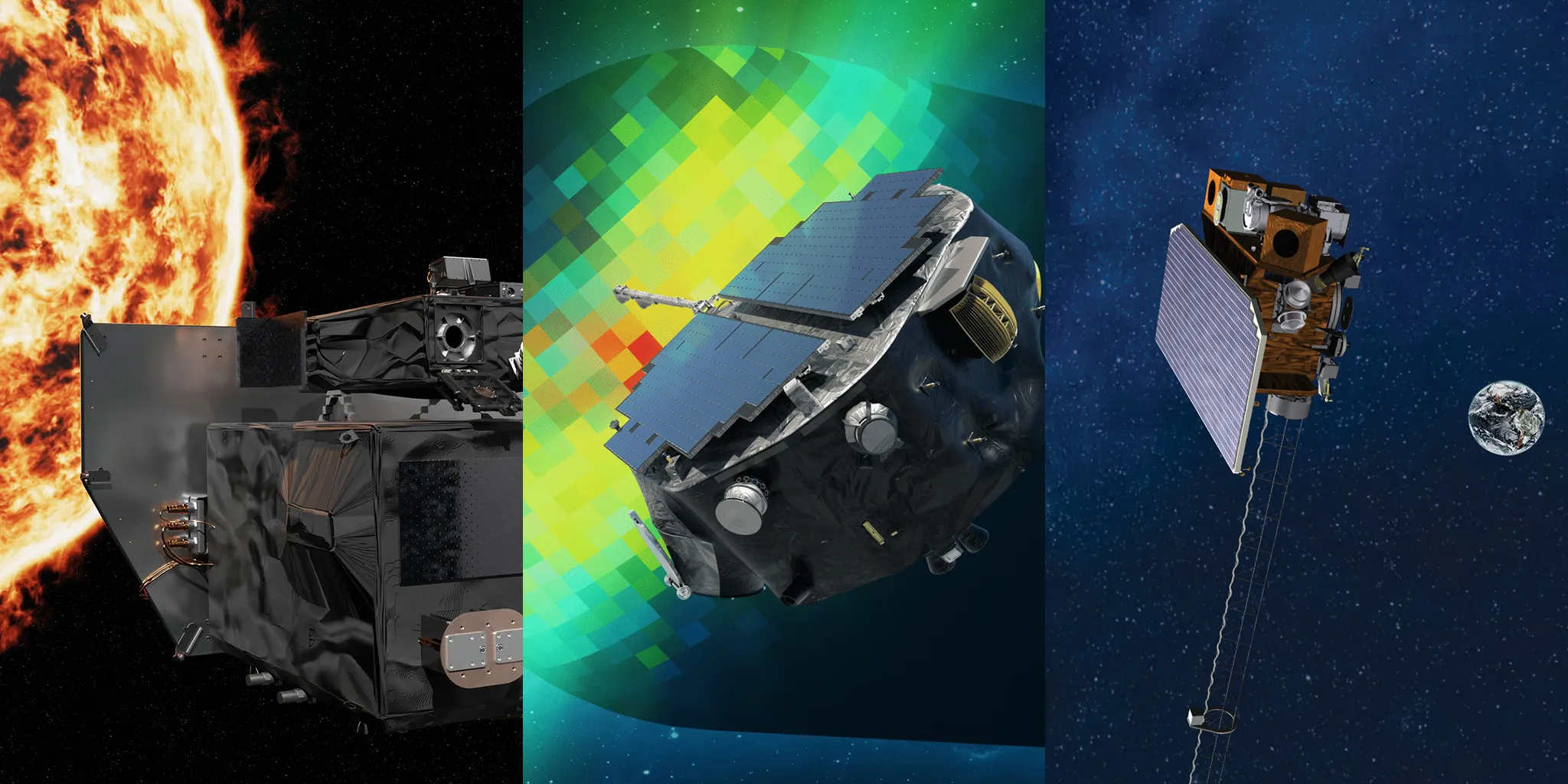
SpaceX launched three space weather probes, including NASA's IMAP, to study solar activity, space weather effects, and map the boundaries of our solar system, all positioned at the sun-Earth Lagrange Point 1 to enhance understanding and safety for future space missions.
A new NASA mission, IMAP, aims to better understand the heliosphere, the protective bubble created by solar wind around our solar system, by mapping its boundaries and studying its interaction with interstellar space, which could improve space weather predictions and our understanding of cosmic radiation shielding.
NASA is launching the Interstellar Mapping and Acceleration Probe (IMAP) along with two rideshare missions to study space weather and the solar environment, with coverage starting from prelaunch to liftoff on September 23, including live streams and media briefings.
SpaceX is preparing to launch three spacecraft, including NASA's IMAP mission, on September 23, 2025, to study the solar system's boundaries and space weather, with IMAP dedicated to mapping the heliosphere's outer boundary and providing early warnings of solar radiation storms, crucial for protecting future astronaut missions beyond low Earth orbit.
NASA's Interstellar Mapping and Acceleration Probe (IMAP) is set to launch in 2025 to study interstellar dust particles entering our solar system, with the goal of understanding the heliosphere's protective role. The spacecraft will carry 10 science instruments, including the Interstellar Dust Experiment (IDEX), designed to capture and analyze these tiny particles. Despite their small size and high speed, capturing these particles will provide valuable insights into the formation of galaxies, molecular clouds, and planets. IMAP is scheduled for launch in April or May next year.