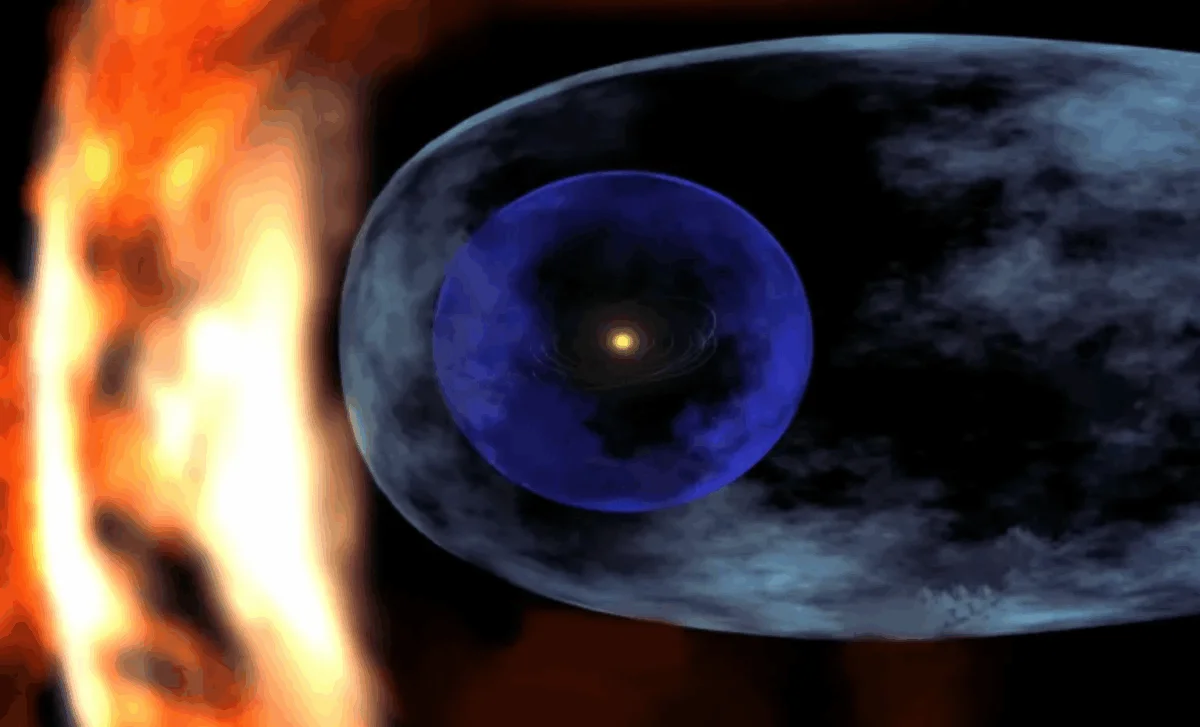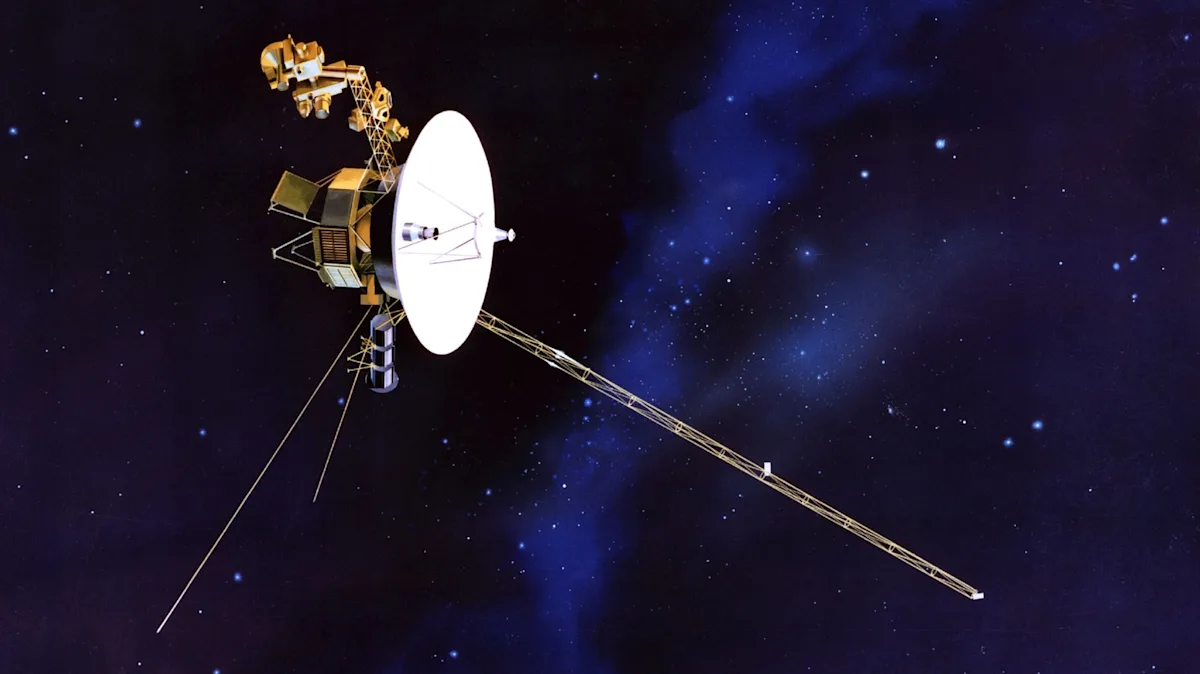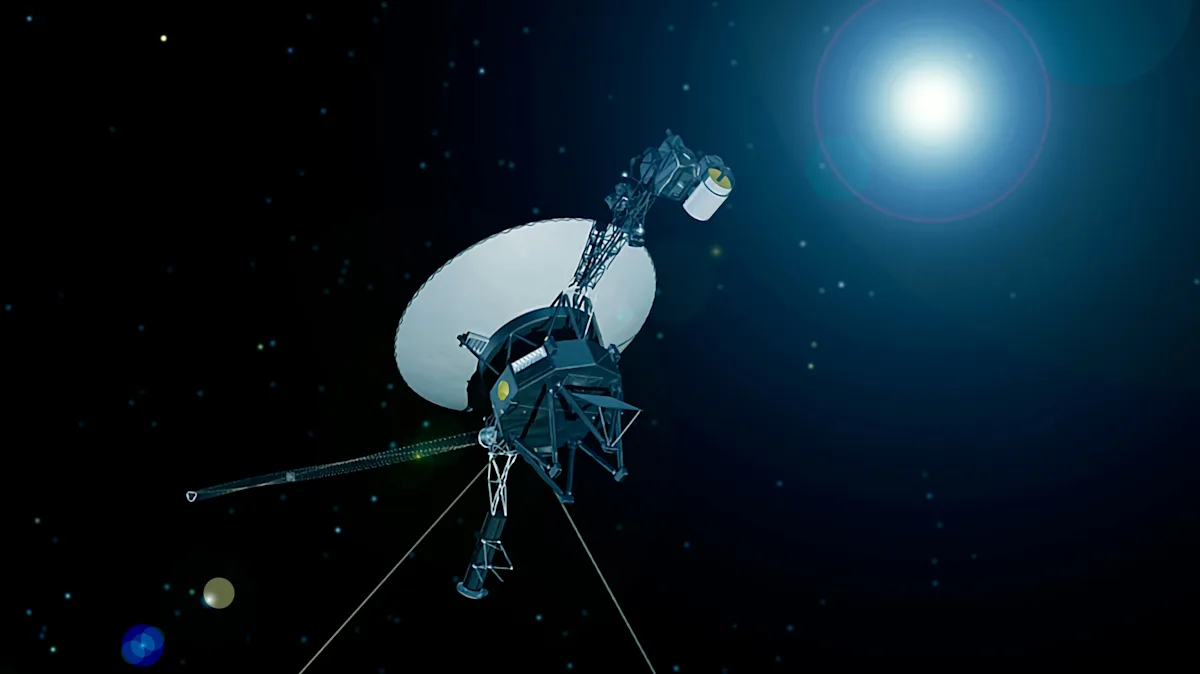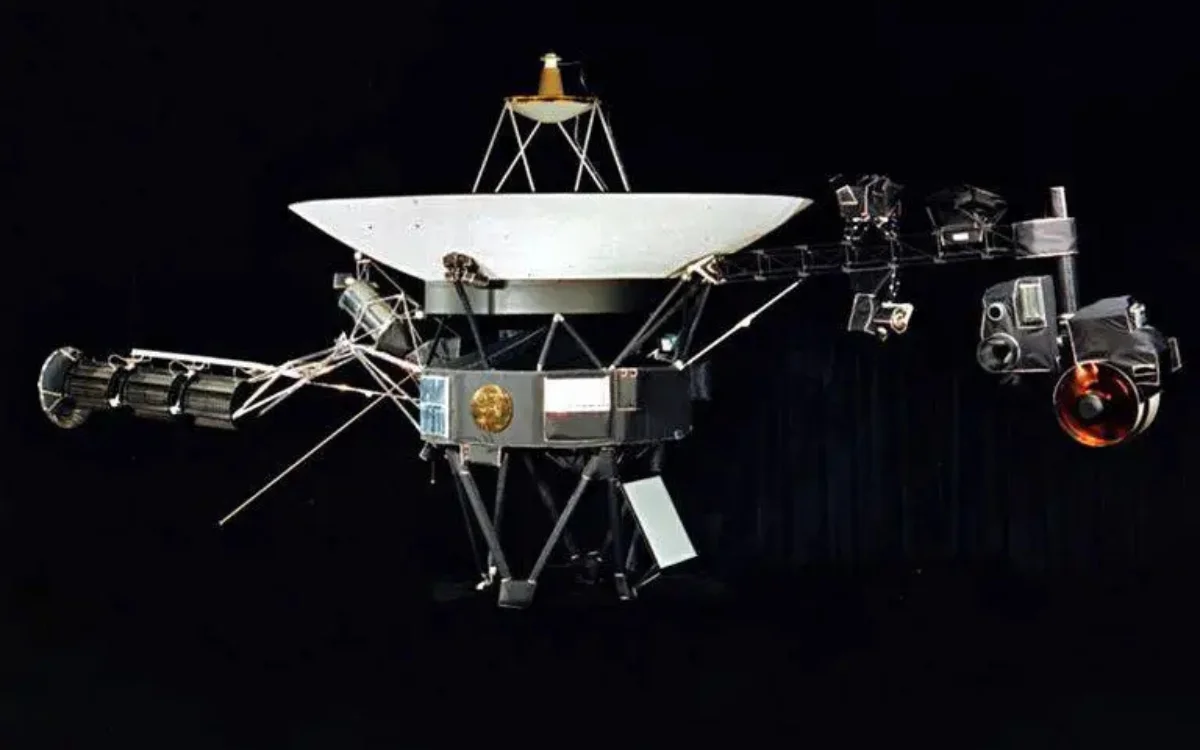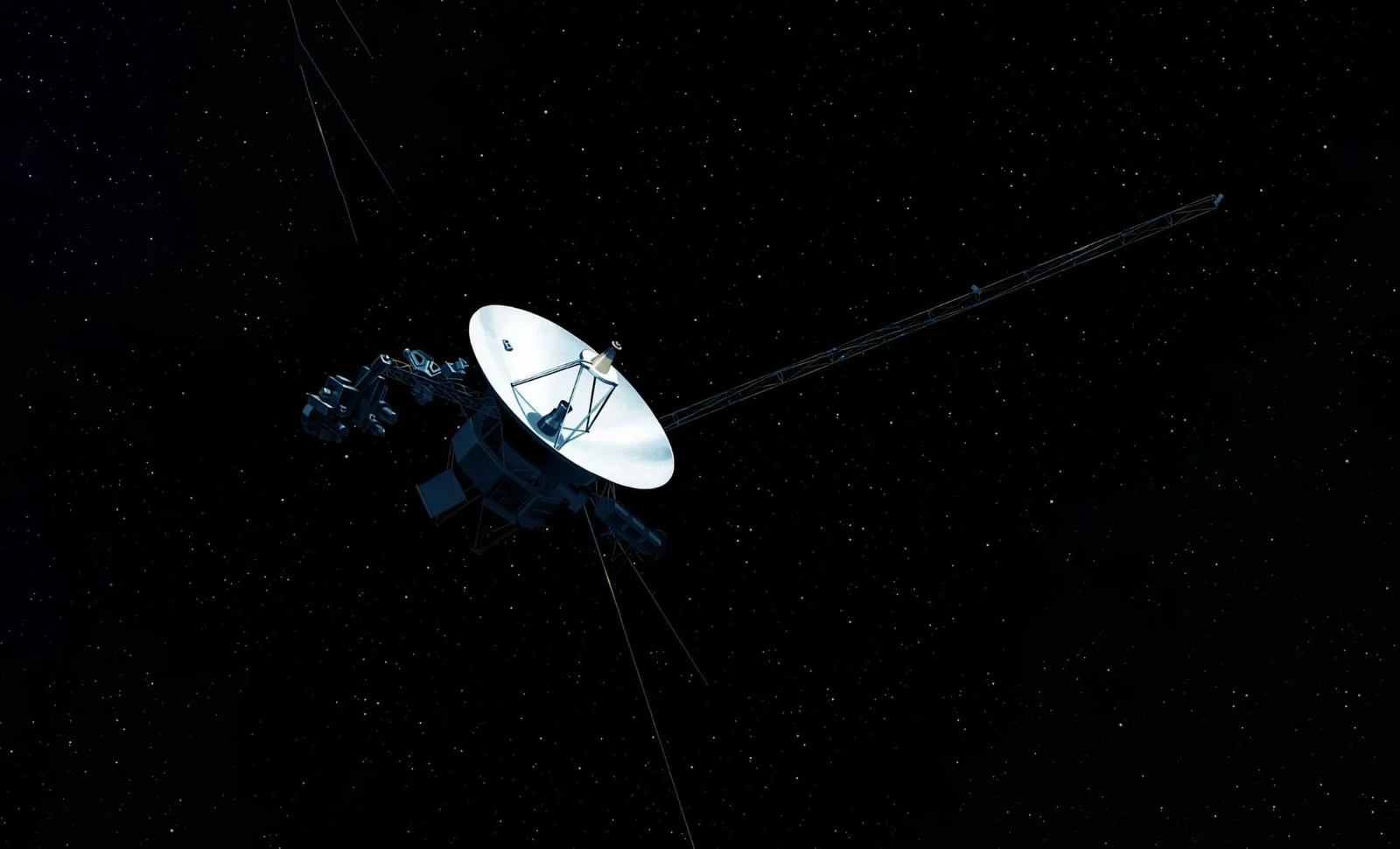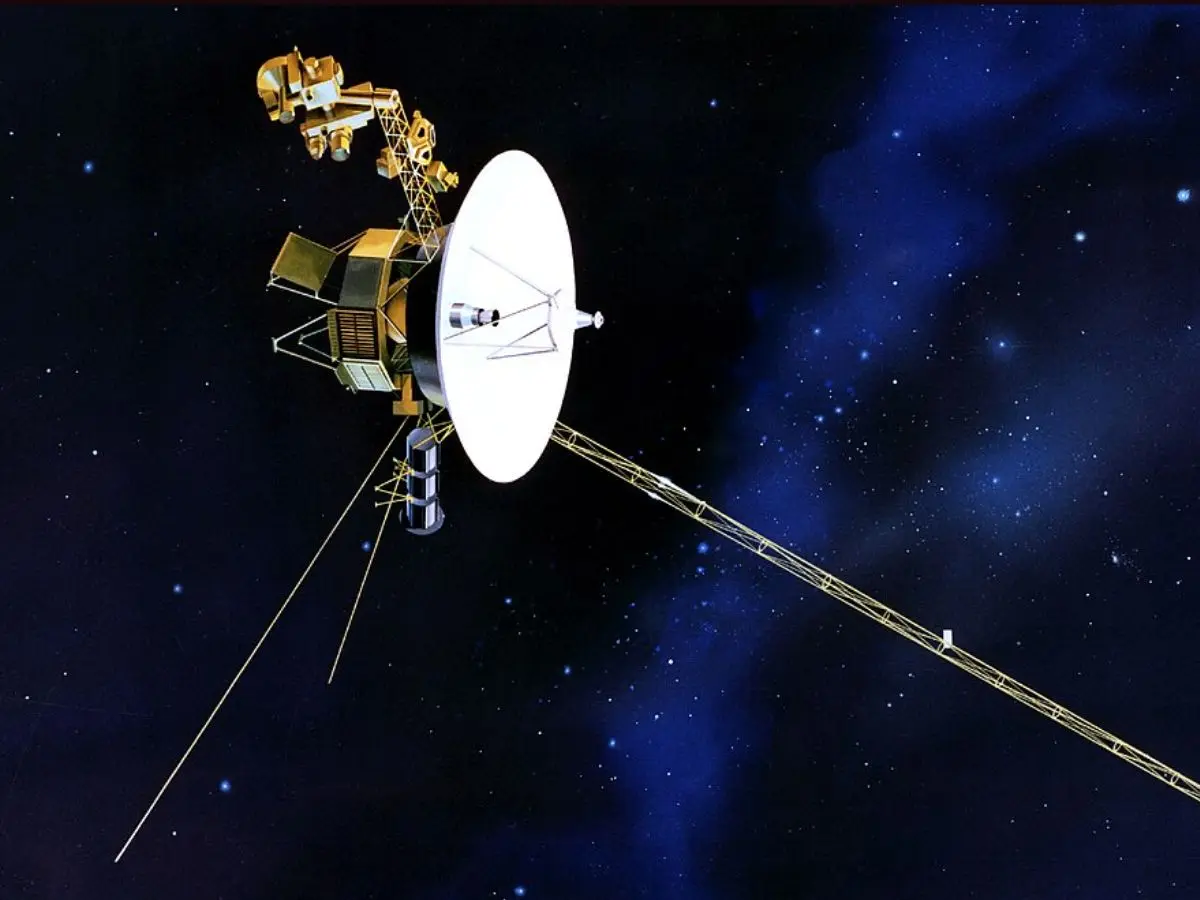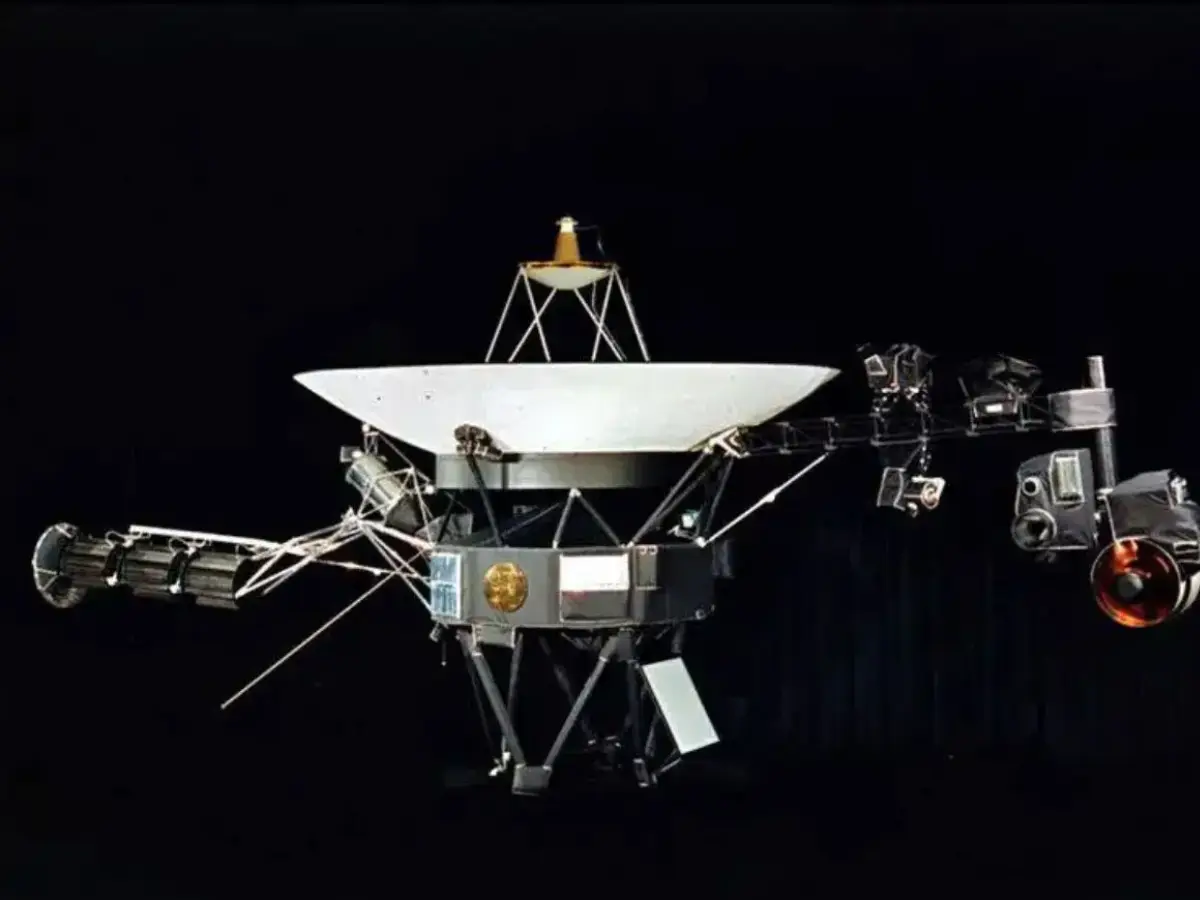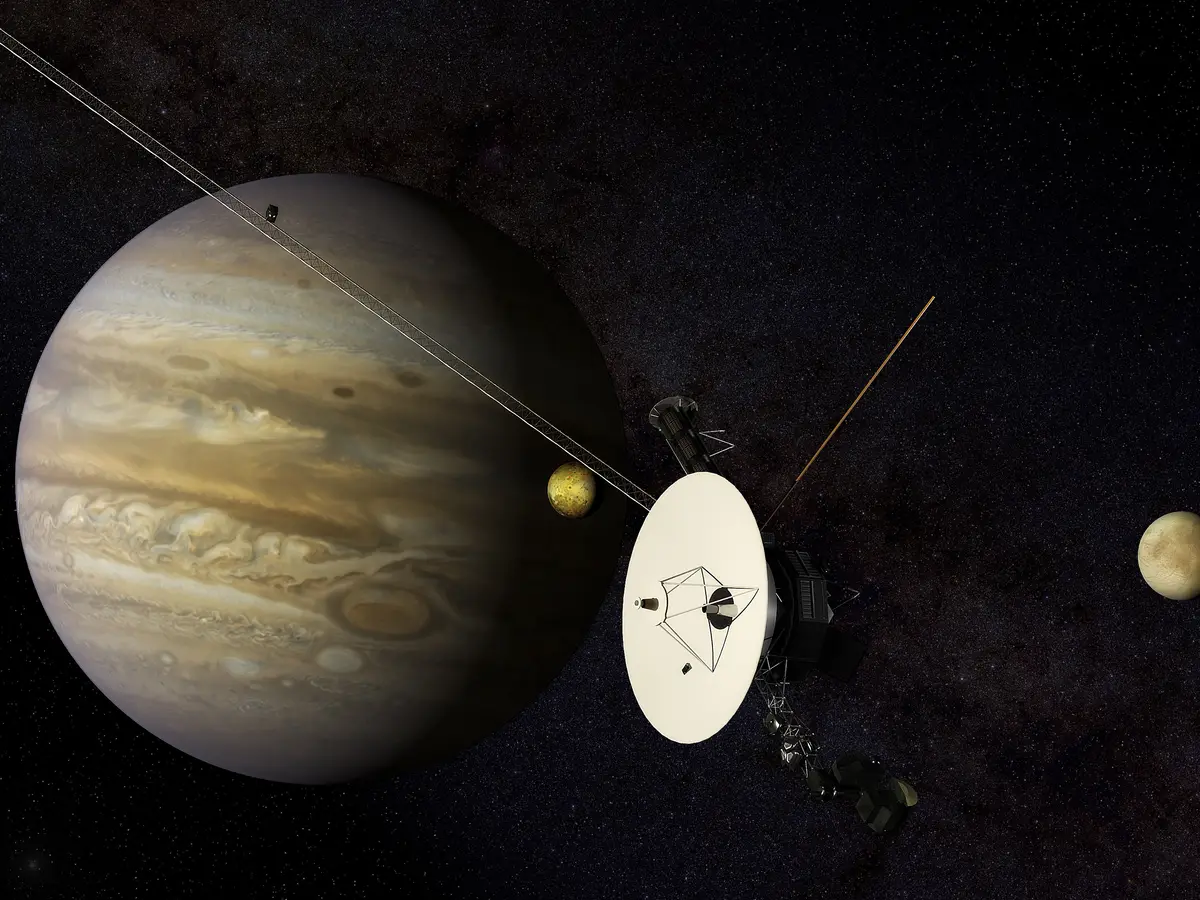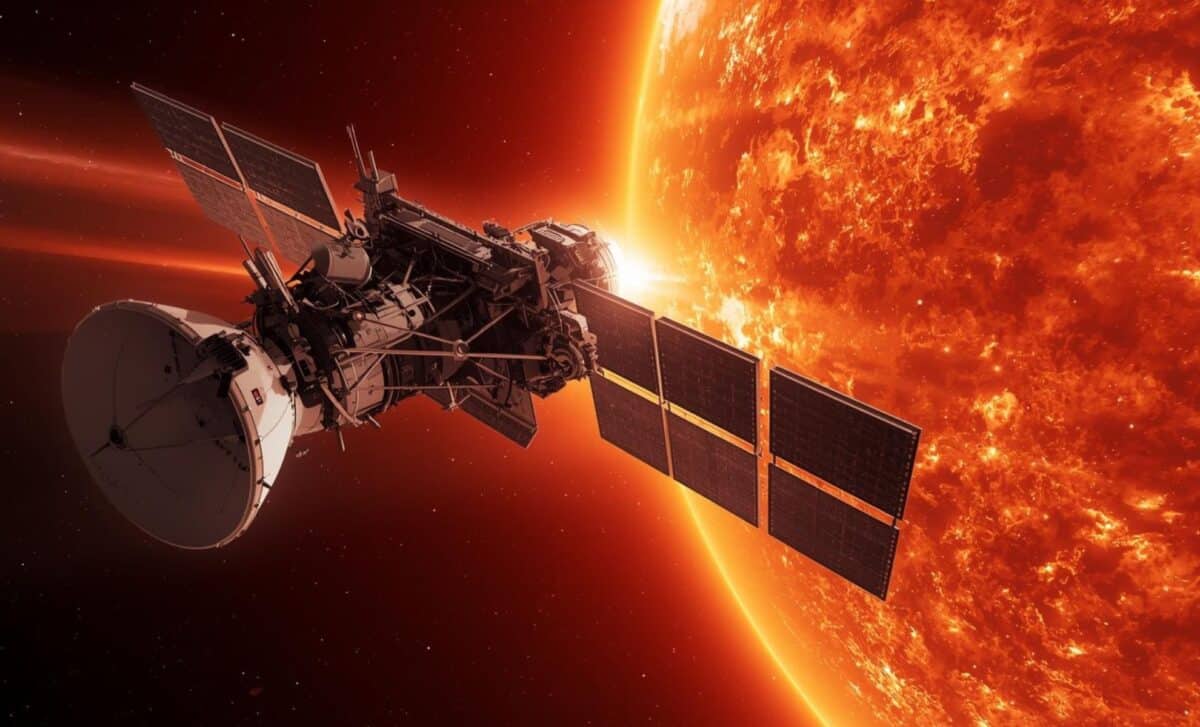
NASA's Voyager 1 and Voyager 2 spacecraft have detected a hot, energetic boundary at the edge of our solar system called the heliopause, where temperatures spike to 30,000-50,000 Kelvin, marking the transition from solar to interstellar space. The findings challenge previous assumptions about the magnetic field and permeability of this boundary, providing new insights into how our solar system interacts with the galaxy.
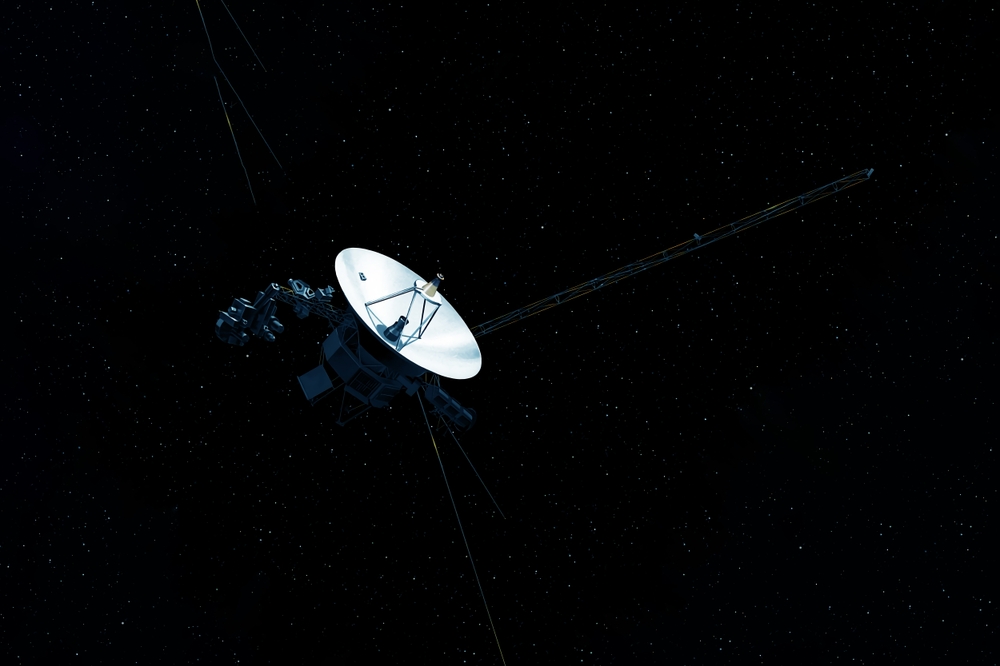
A comet from another star system, 3I/Atlas, is passing near Earth at its closest point of 167 million miles before heading back into interstellar space, providing a rare opportunity for observation and study.
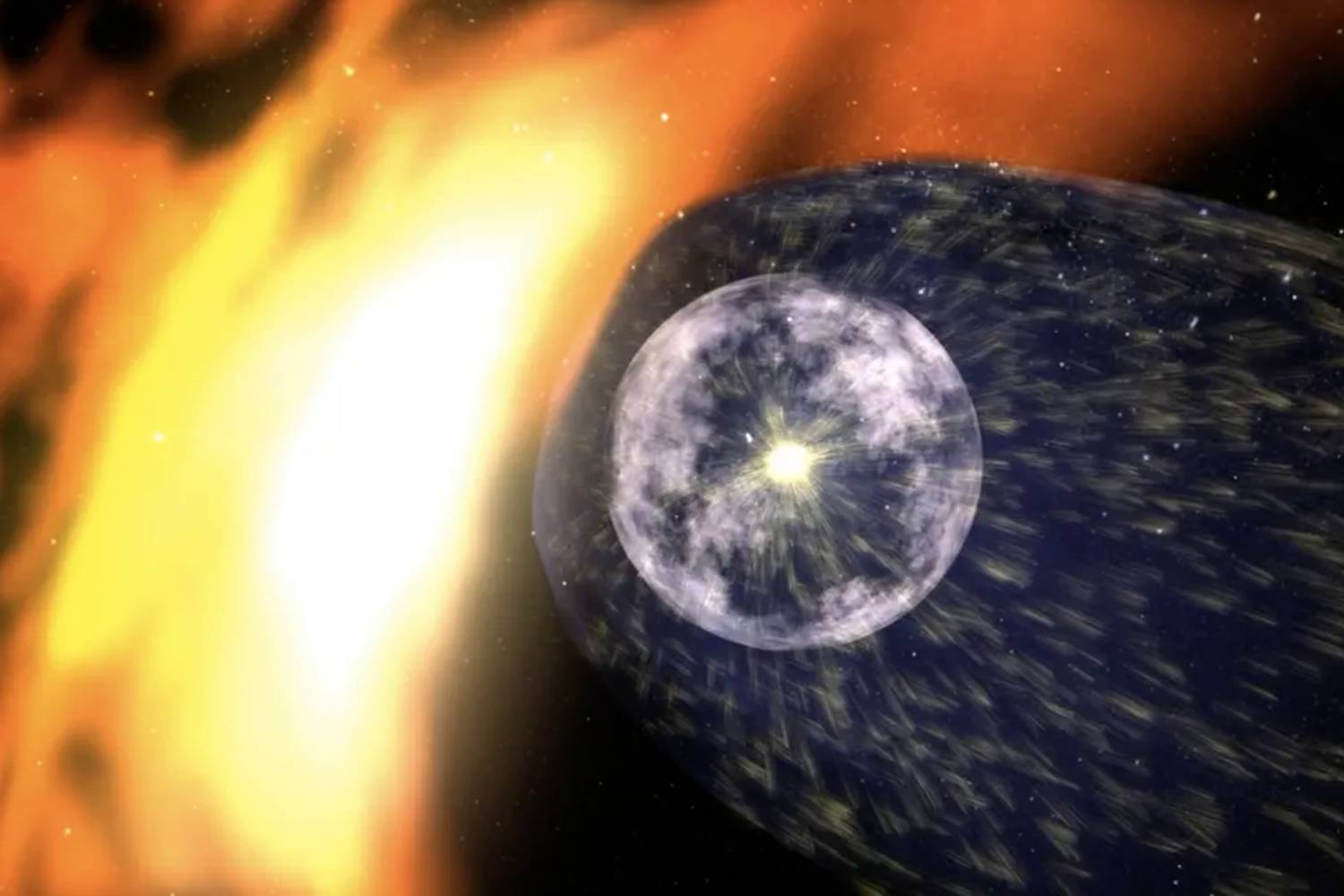
NASA's Voyager 1 has encountered a 'wall of fire' at the edge of the Solar System, a hot zone near the heliopause, which marks the boundary between our Solar System and interstellar space. Data from Voyager 1 and Voyager 2 reveal that beyond this boundary, magnetic fields are aligned parallel to those inside the heliosphere, providing new insights into the nature of this frontier.
Voyager 1 will become the first human-made object to reach a distance of one light-day from Earth on November 13, 2026, traveling through interstellar space after over 45 years since launch, highlighting the vastness of space and the speed of light.
NASA's Voyager spacecraft have discovered a blazing 'wall of fire' at the edge of the solar system, a boundary where solar wind meets interstellar space, with temperatures reaching up to 50,000 Kelvin, providing new insights into the solar system's boundary and its dynamic nature.
NASA's Voyager spacecraft discovered a 'wall of fire' at the edge of the solar system, with temperatures between 30,000 and 50,000 Kelvin, as they crossed the heliopause, marking the boundary where the solar wind meets interstellar space. Despite the extreme temperatures, the probes survived due to the sparse particle environment, providing valuable data about the solar system's outer limits and magnetic field alignment beyond the heliosphere.
NASA's Voyager probes have crossed the solar system's boundary, the heliopause, and discovered a mysterious 'firewall' region with extreme temperatures and unexpected magnetic field alignments, revealing new insights into the solar system's edge and our cosmic environment.
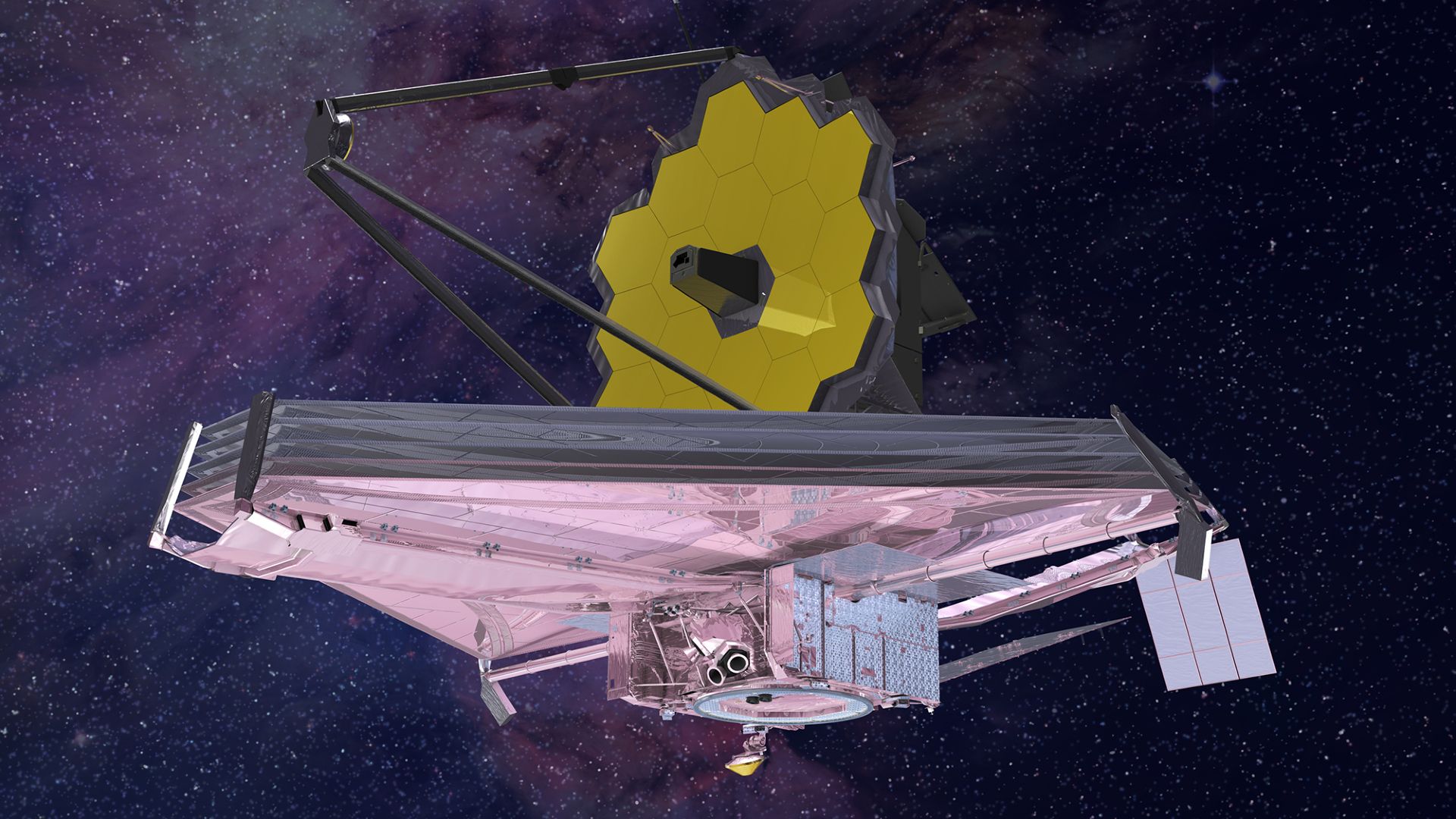
The article details the current positions of famous spacecraft like the James Webb Space Telescope, Parker Solar Probe, Juno, New Horizons, and Voyager 1 in the October night sky, providing skywatching tips and insights into their missions and distances from Earth.
NASA's Voyager 1, launched in 1977, is approaching a historic milestone in November 2026 by becoming the first manmade object to reach a distance of one light day from Earth, traveling at about 38,000 mph and continuing its journey into interstellar space, with its mission set to end around 2036.
NASA's Voyager 1 spacecraft has discovered a turbulent and fiery boundary at the edge of our solar system, known as the heliopause, where solar influence ends and interstellar space begins, revealing unexpected heat, magnetic activity, and turbulence that challenge previous assumptions about this frontier.
Voyager 1, launched in 1977, is set to reach a distance of one light-day from Earth in November 2026, marking a historic milestone as the farthest human-made object from Earth, and continuing its journey into interstellar space.
Voyager 1 has traveled beyond the heliopause into interstellar space, now just a light-day from Earth, marking a historic milestone in space exploration and human persistence, with ongoing data transmission that continues to expand our understanding of the solar system's boundaries.
The article discusses how the Voyager spacecraft is enduring extreme conditions at the edge of our solar system, facing temperatures of 50,000°C and speeds of 50,000 km/h, and highlights its resilience in the harsh environment of interstellar space.
If Voyager 2 were pulled into a new star system, its trajectory could be altered, potentially capturing it into orbit around a star, interacting with planets, or even colliding with celestial objects. It could also serve as a long-term artifact and a potential interstellar archive, providing valuable data and a lasting human legacy among alien worlds.
Voyager 2's crossing into interstellar space has revealed unexpected findings about the heliosphere's structure, magnetic field alignment, and cosmic ray behavior, raising new questions about the nature of our solar system's boundary and its future evolution.