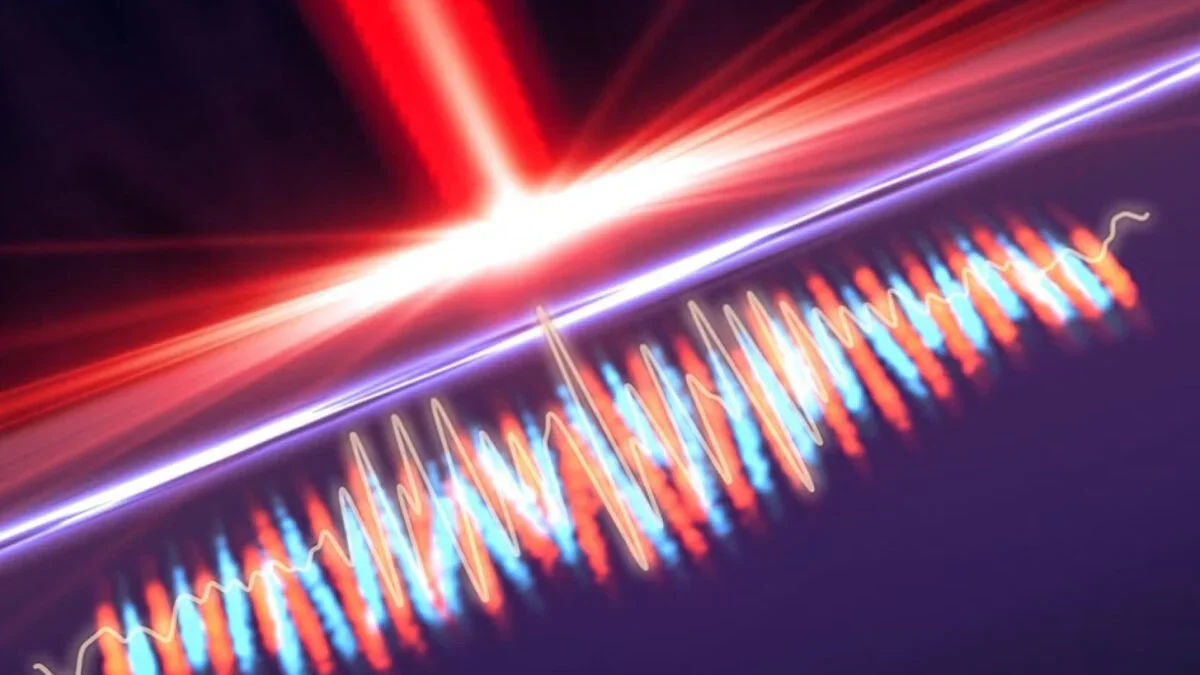
SLAC researchers used giant x-ray lasers to image current filamentation instabilities in dense fusion plasma, capturing 500-femtosecond-scale evolution and revealing magnetic fields near 1,000 teslas, aiding understanding and modeling of fusion reactor behavior.
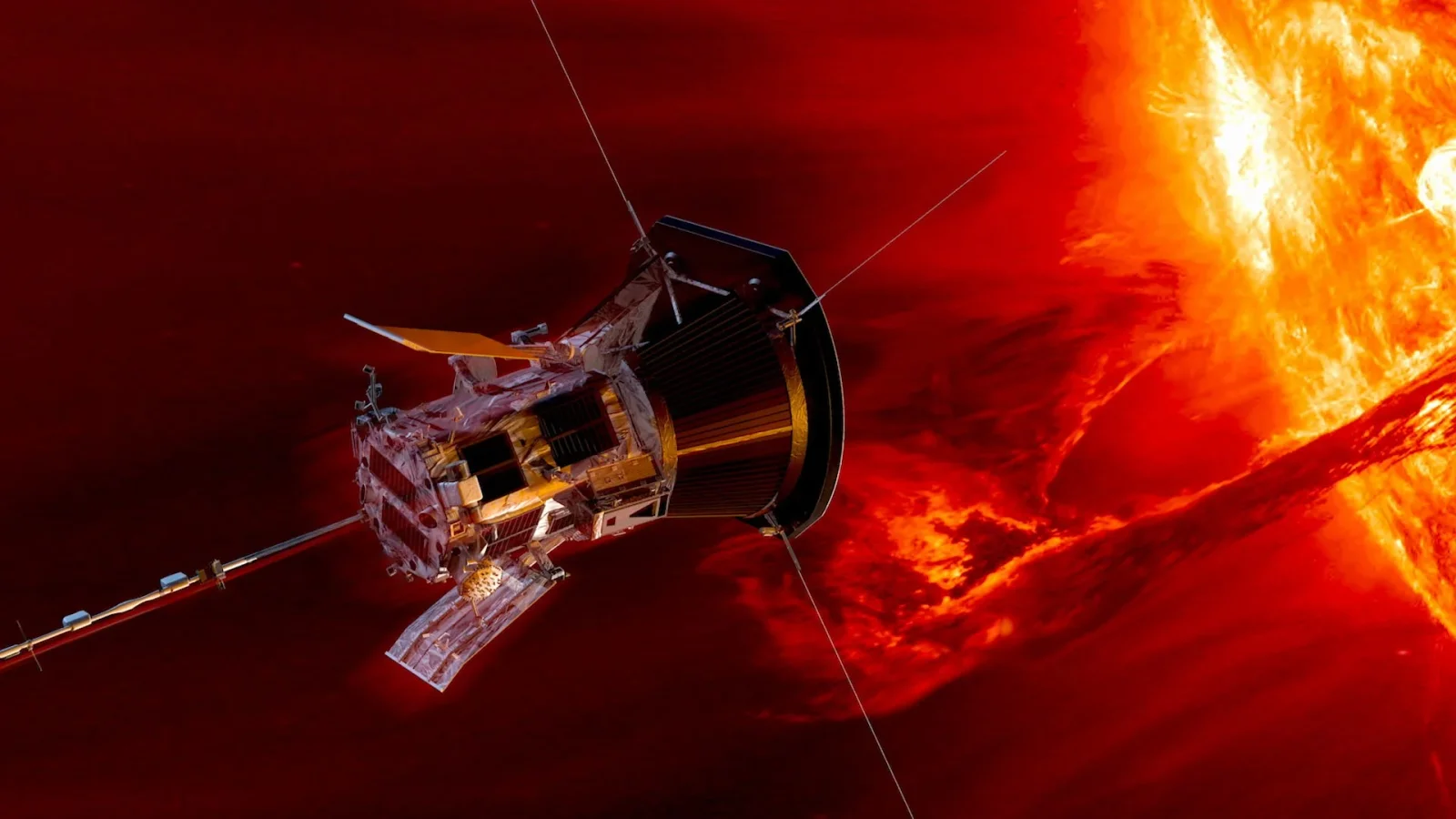
NASA’s Parker Solar Probe, flying closer to the Sun than any prior mission (within 3.8 million miles of the surface), uses a new ALPS analysis tool to map how energy heats and accelerates the solar wind, addressing the coronal heating puzzle and improving space-weather forecasts while providing insights into plasma behavior across the cosmos.
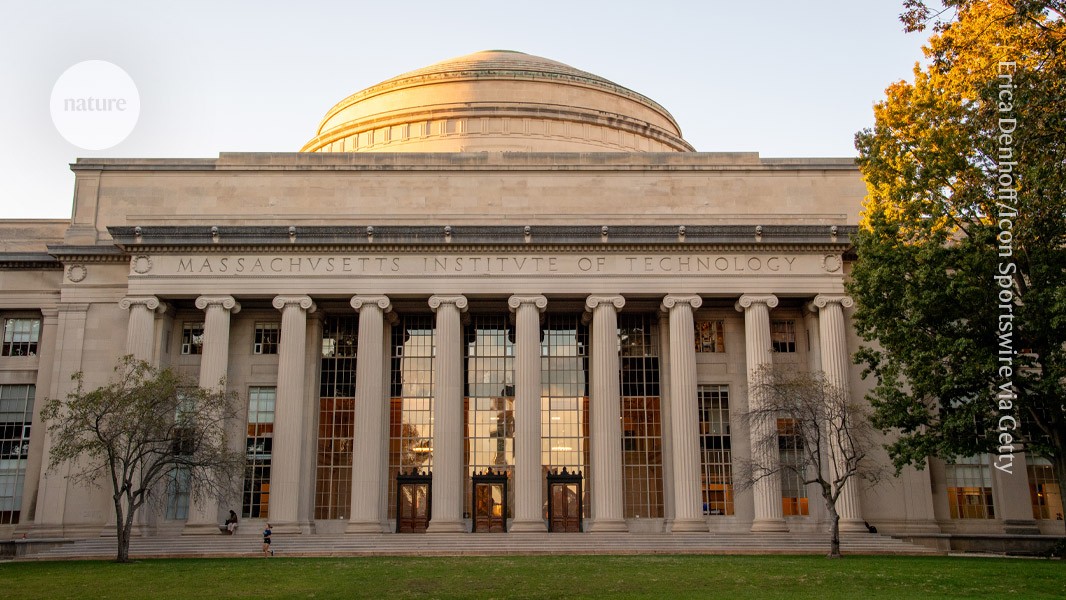
Nuno Loureiro, a prominent plasma physicist and head of MIT's Plasma Science and Fusion Center, was tragically shot and killed at his home in Brookline, Massachusetts, in an apparent homicide, shocking the scientific community and highlighting recent tragedies involving US universities.
Nuno Loureiro, a renowned MIT professor and director of the Plasma Science and Fusion Center, has passed away at 47. He made significant contributions to plasma physics and fusion research, advancing understanding of plasma behavior and astrophysical phenomena, and was highly regarded as a mentor and scientist. His work brought fusion energy closer to reality and influenced astrophysics, earning numerous awards and recognition.
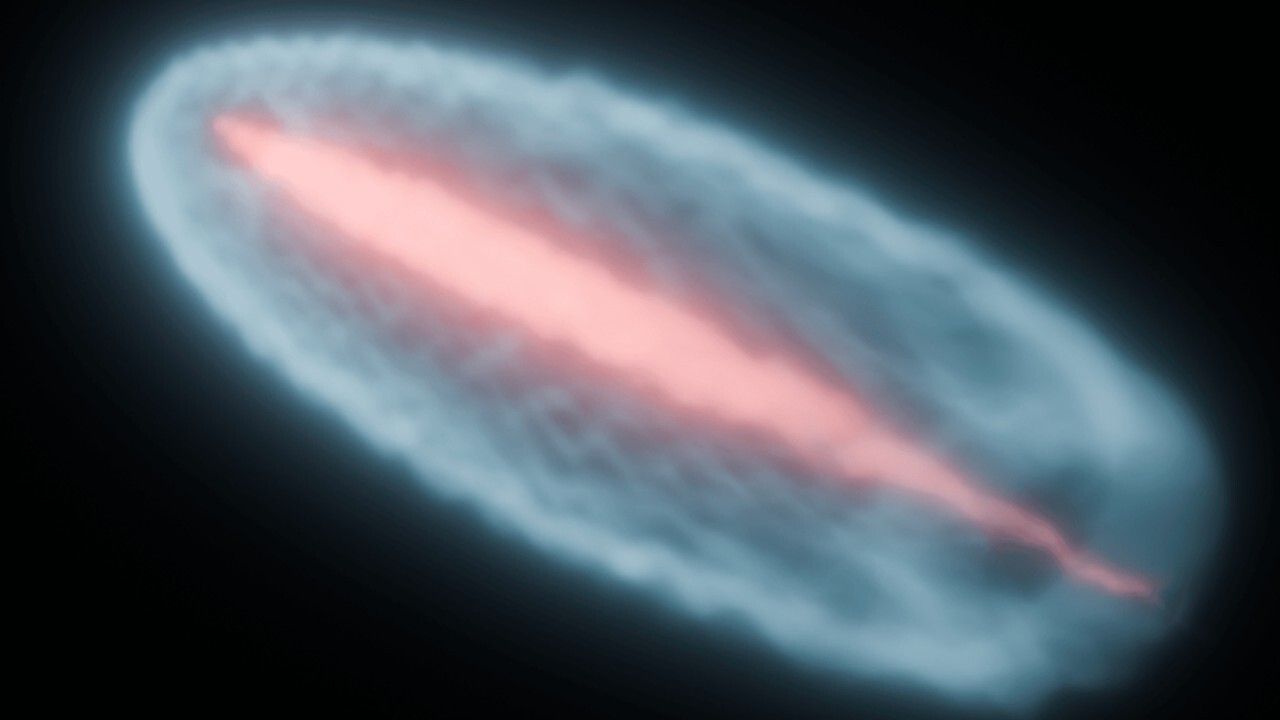
Scientists at CERN recreated cosmic jet conditions using particle accelerators to investigate missing gamma-rays from blazars, finding that plasma beam instabilities are too weak to explain the phenomenon, which supports the idea of relic magnetic fields in intergalactic space. This experiment provides new insights into cosmic jet physics and the universe's magnetic history.
Researchers at Seoul National University have demonstrated multiscale coupling in plasma, revealing how microscopic magnetic ripples can induce large-scale structural changes, with significant implications for fusion energy technology and understanding cosmic phenomena, marking a major breakthrough in plasma physics.
South Korean researchers have experimentally demonstrated how microscopic plasma turbulence can lead to large-scale structural changes, a breakthrough that could advance the development of stable, limitless fusion energy as a clean power source.
Researchers at Caltech have discovered a new stable equilibrium state of braided magnetic flux ropes, called a double helix, which applies to structures from solar prominences to nebulae, and developed a mathematical model that accurately describes their behavior across vastly different scales, from laboratory experiments to light-year-sized astrophysical phenomena.
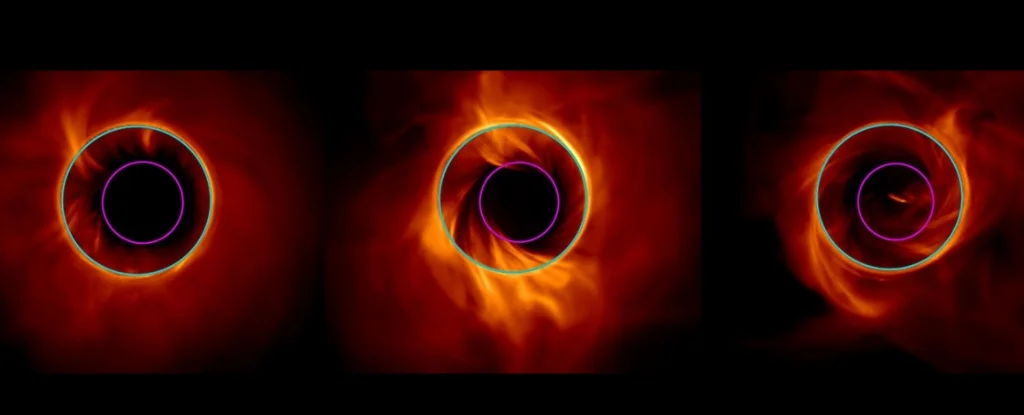
Scientists using supercomputer simulations, led by Andrew Chael, have modeled the environment around the supermassive black hole in M87, revealing new details about the plasma and magnetic fields near the event horizon, and showing that the black hole's shadow and photon ring can change over time due to chaotic plasma flows.
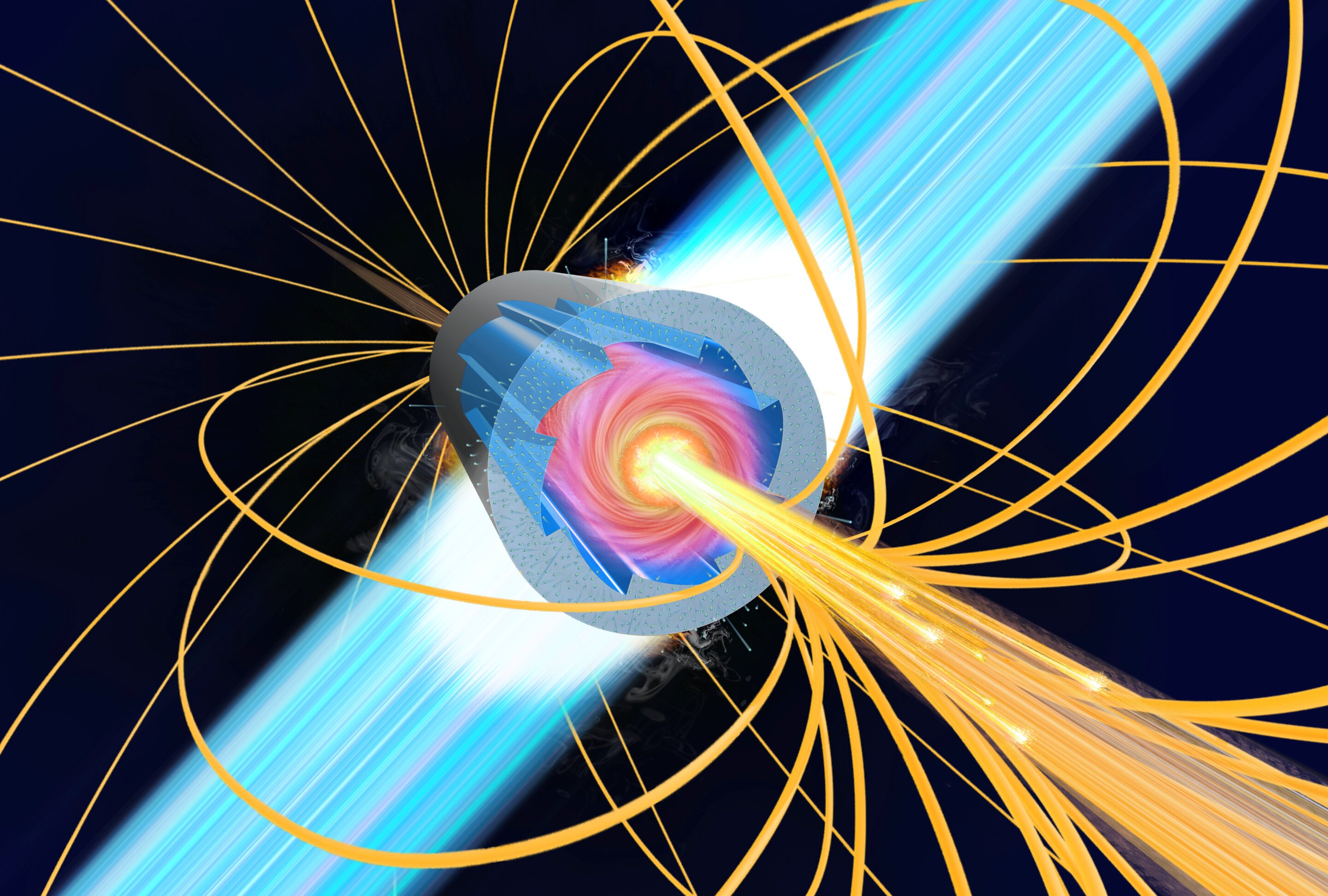
Researchers at The University of Osaka have developed a novel laser-driven method called bladed microtube implosion (BMI) to generate ultra-high magnetic fields approaching one megatesla, using microstructured targets to induce strong loop currents without external seed fields, opening new avenues in laboratory astrophysics and high-field physics.
Scientists have developed a new symmetry-based, non-perturbative modeling method that accurately predicts particle escape in fusion reactors, significantly improving speed and reliability over traditional techniques, and advancing the design of safer, more efficient fusion energy systems.
A new two-dimensional nanomaterial, tungsten semi-carbide, has been developed by researchers at Western University, demonstrating an unprecedented expansion behavior known as auxetics. The nanosheets can expand perpendicular to the applied force, setting a new world record of 40% expansion, surpassing the previous 10% record. This innovation was achieved through the use of remote plasma vapor deposition, a technique that relies on plasma physics to form single-atom layers. The material's potential applications include strain gauges, sensors, and stretchable electronics due to its enhanced electrical conductivity when subjected to stretching.
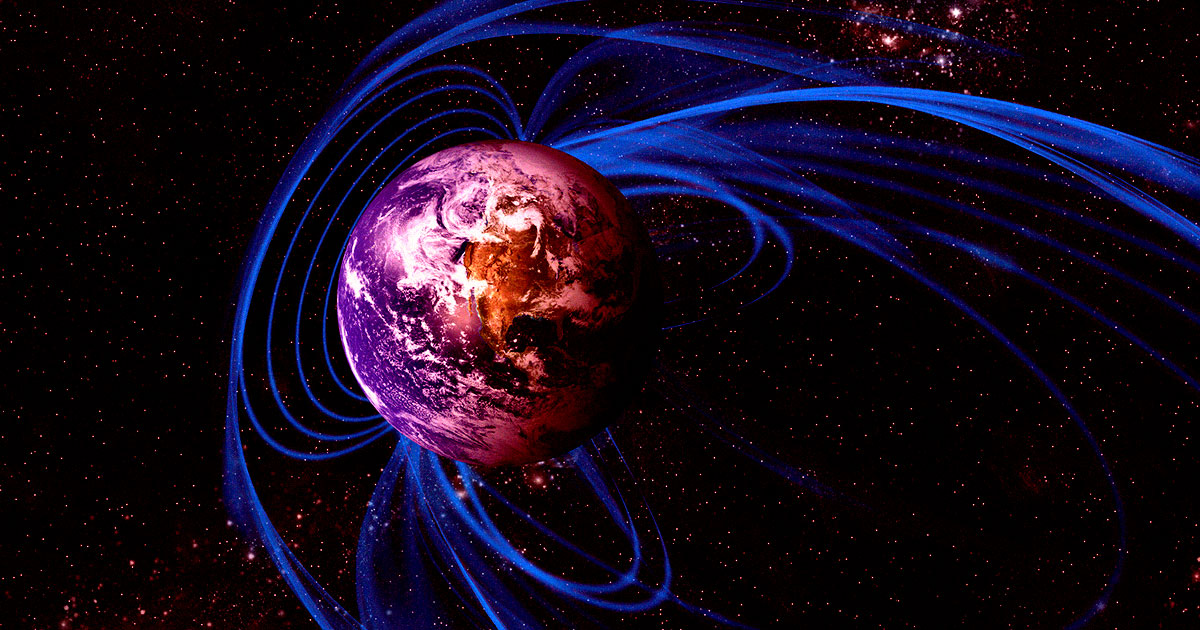
Plasma physicist Sierra Solter warns that the disposal of satellites, particularly by companies like SpaceX, may be damaging the Earth's magnetic field and protective plasma environment. She argues that the burning up of retired satellites in the atmosphere releases metallic ash, potentially disrupting the ionosphere and ozone layer, and even affecting the planet's magnetic field. Solter urges further study of this pollution and calls for a reconsideration of satellite internet until its potential impact is better understood.
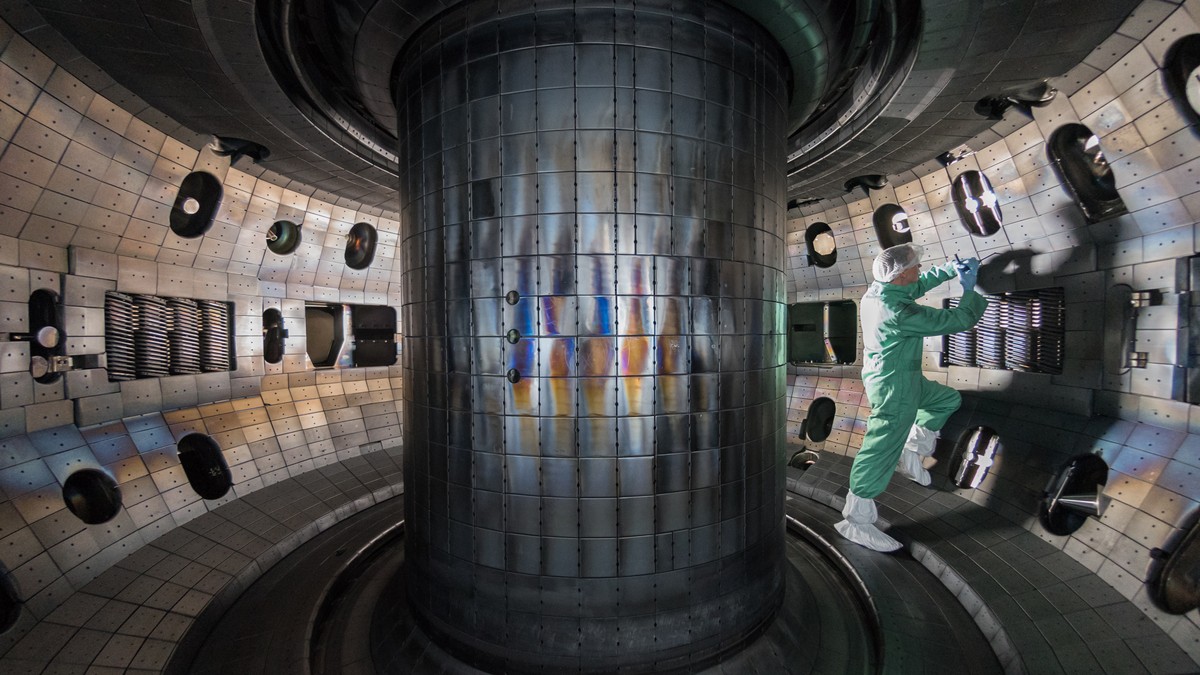
Scientists from Princeton University and its Princeton Plasma Physics Laboratory have developed an AI model that can predict and avoid plasma instabilities in donut-shaped tokamak reactors, a major hurdle in achieving nuclear fusion. The AI model was trained on real data from fusion experiments and can anticipate tearing mode instabilities 300 milliseconds before they occur, allowing for timely intervention to maintain a high-powered reaction. This breakthrough paves the way for better control and optimization of fusion reactions, offering hope for the future of clean, boundless fusion energy.
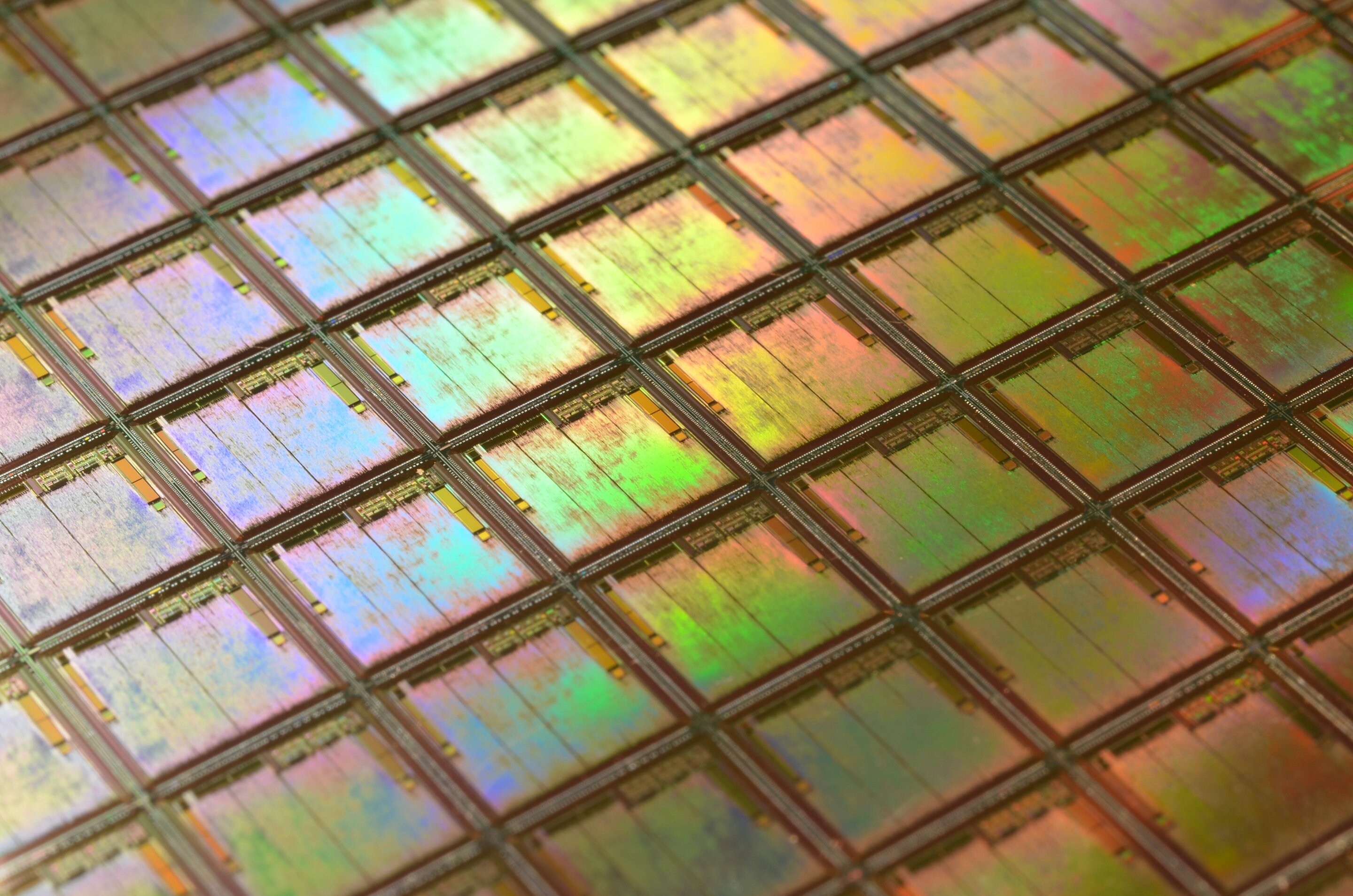
Scientists at the U.S. Department of Energy's Princeton Plasma Physics Laboratory are developing computer simulation codes to improve the production of microchips using plasma, aiming to reduce manufacturing costs and potentially revitalize the chip industry in the United States. By enhancing simulation techniques and addressing computational errors, the researchers hope to increase efficiency, lower costs, and stimulate innovation in microchip manufacturing.