Tag

Heliosphere

All articles tagged with #heliosphere

science17 days ago

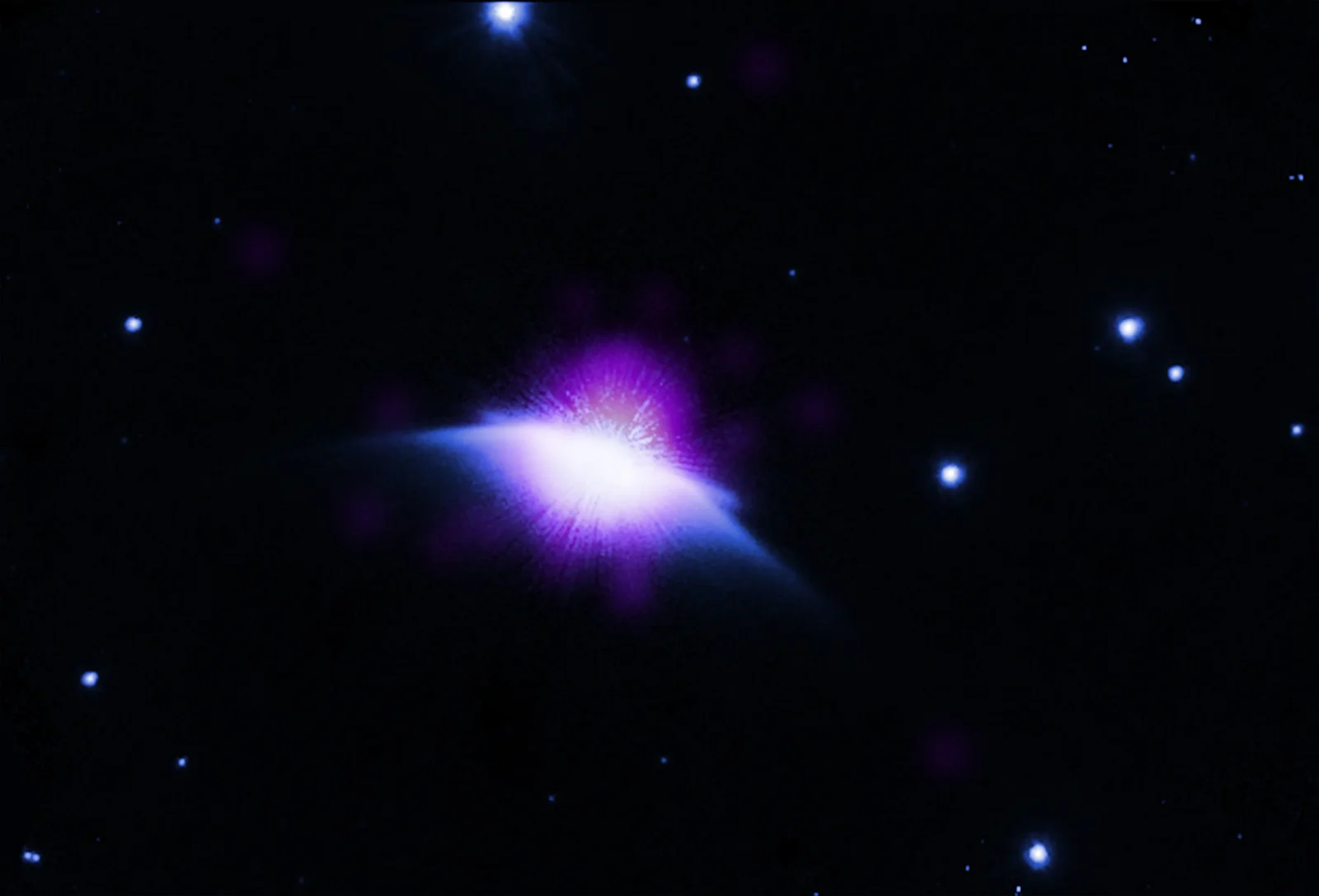
Voyager Encounters Unexpected 50,000 Kelvin Boundary at Solar System's Edge

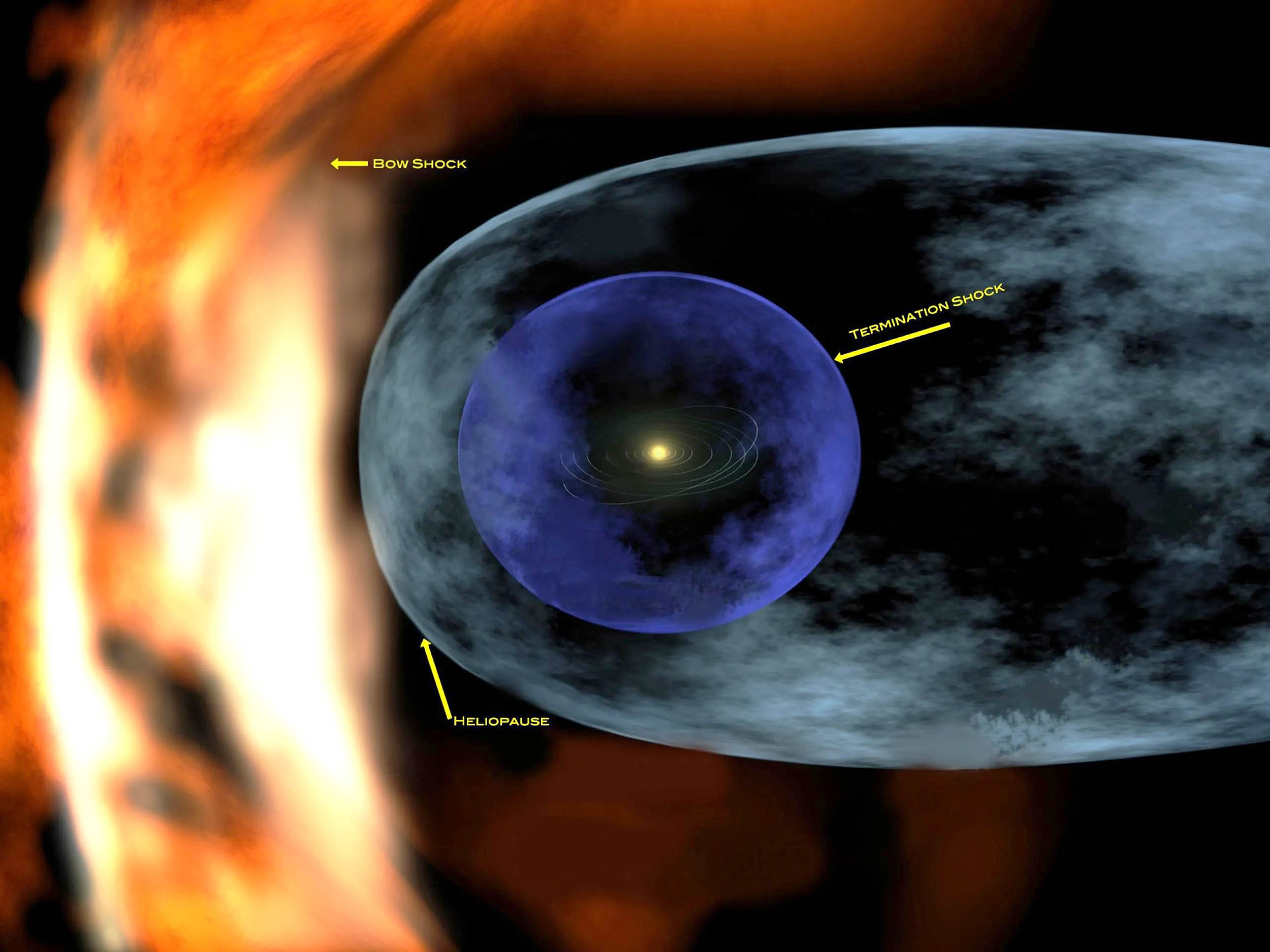
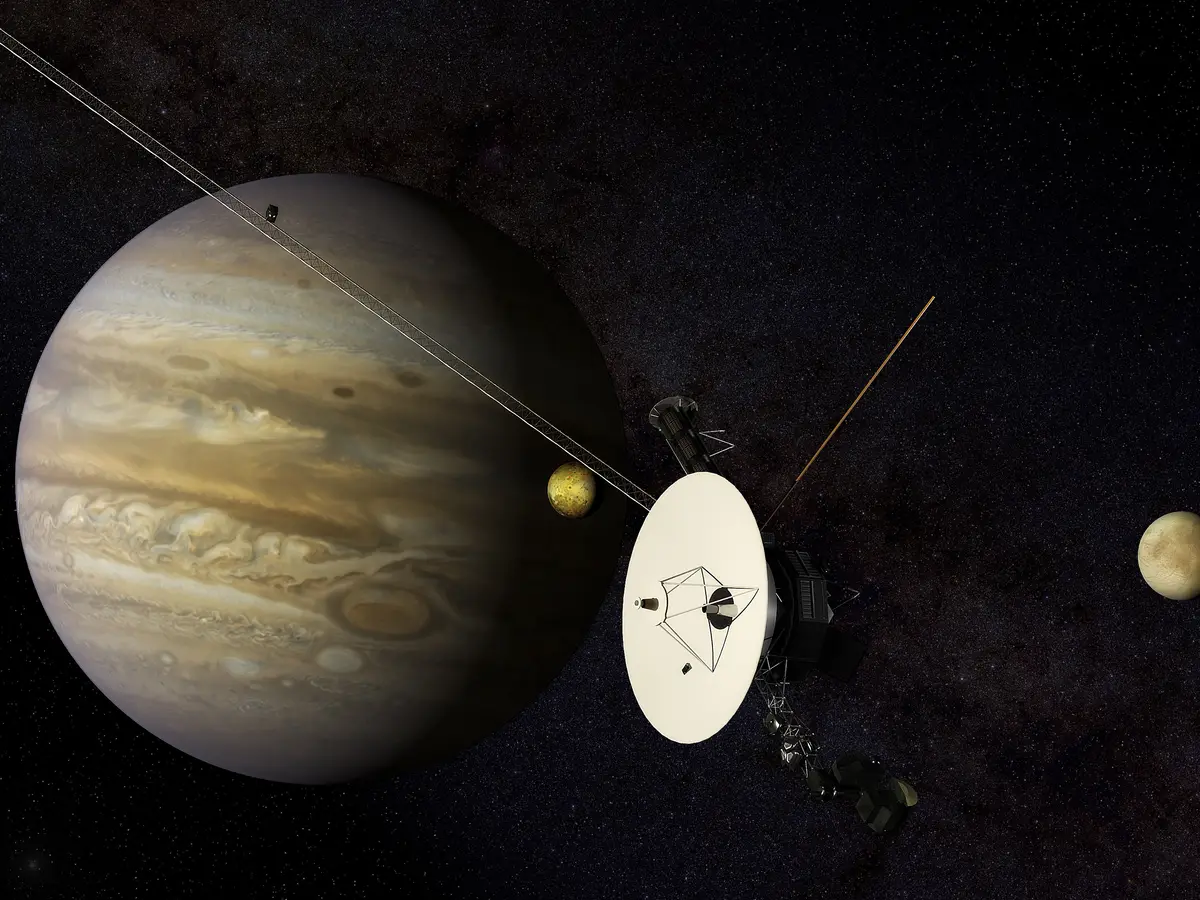
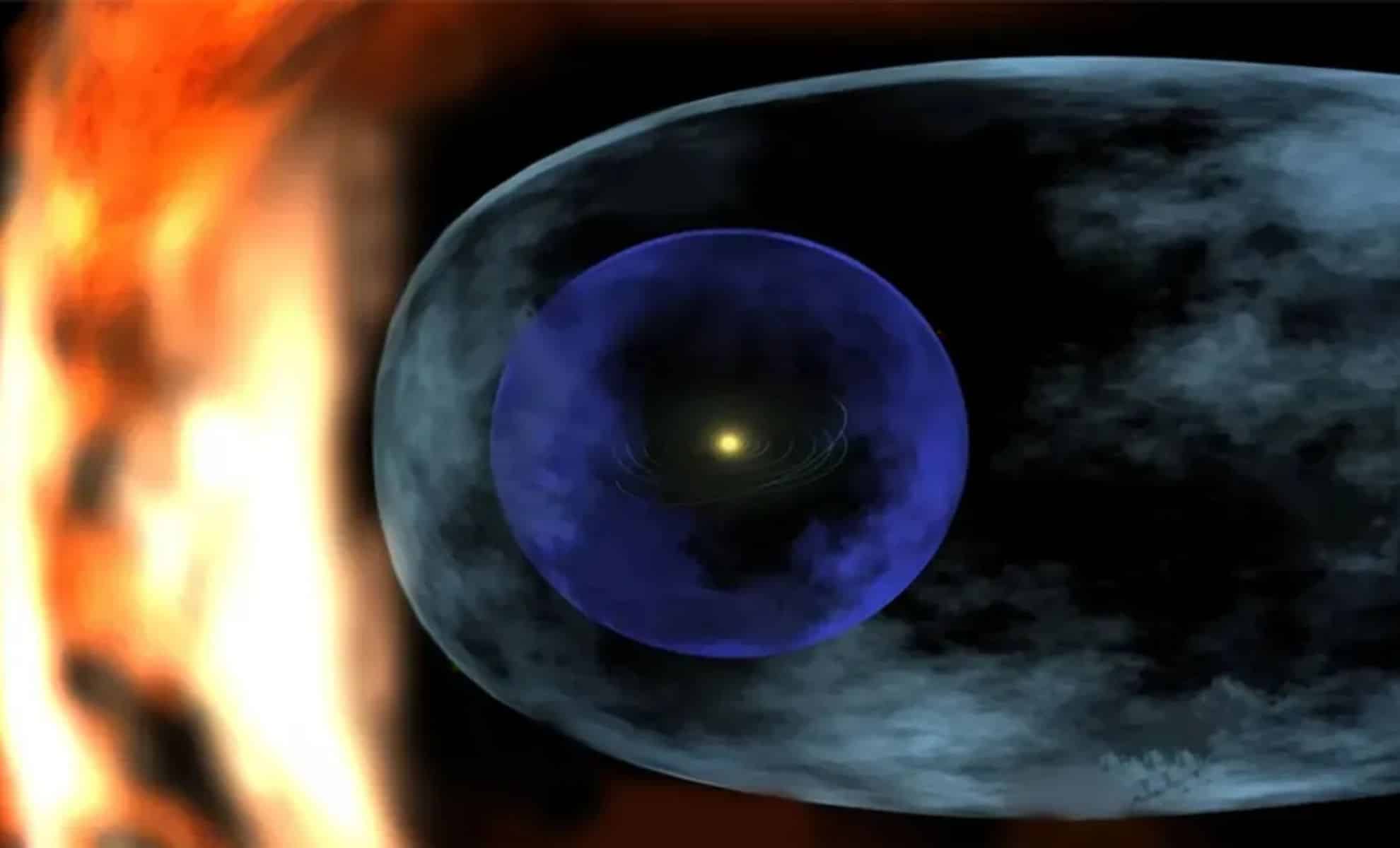
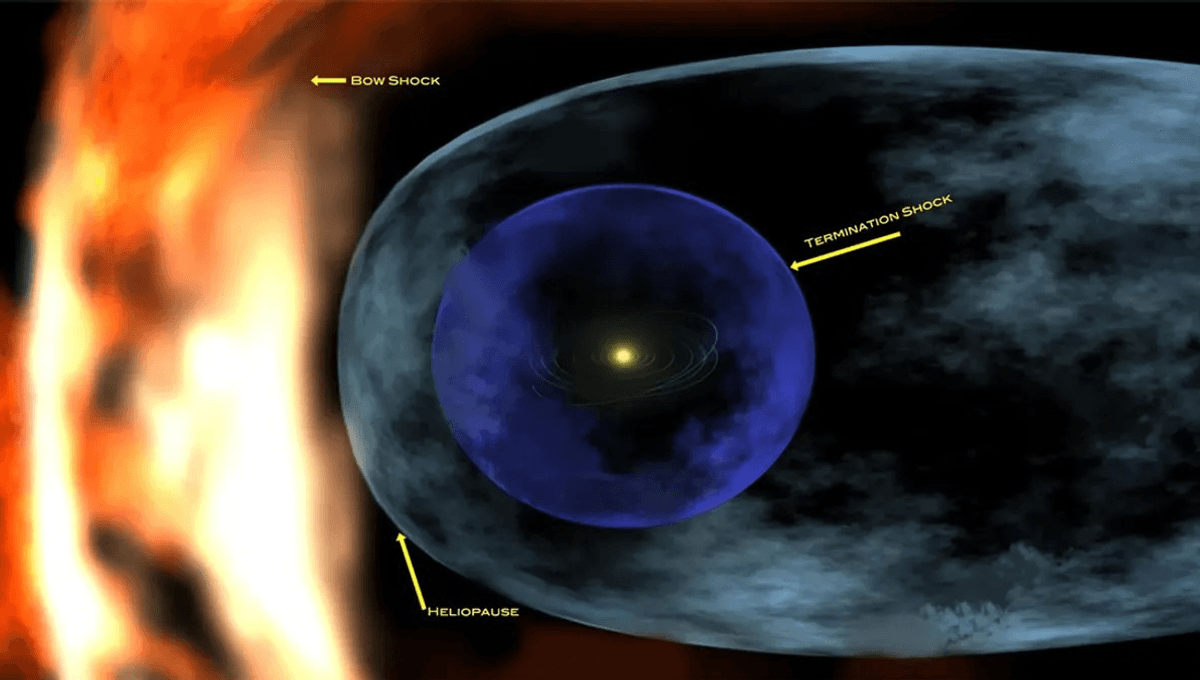
NASA's Voyager 1 and Voyager 2 spacecraft have detected a hot, energetic boundary at the edge of our solar system called the heliopause, where temperatures spike to 30,000-50,000 Kelvin, marking the transition from solar to interstellar space. The findings challenge previous assumptions about the magnetic field and permeability of this boundary, providing new insights into how our solar system interacts with the galaxy.

science5 months ago

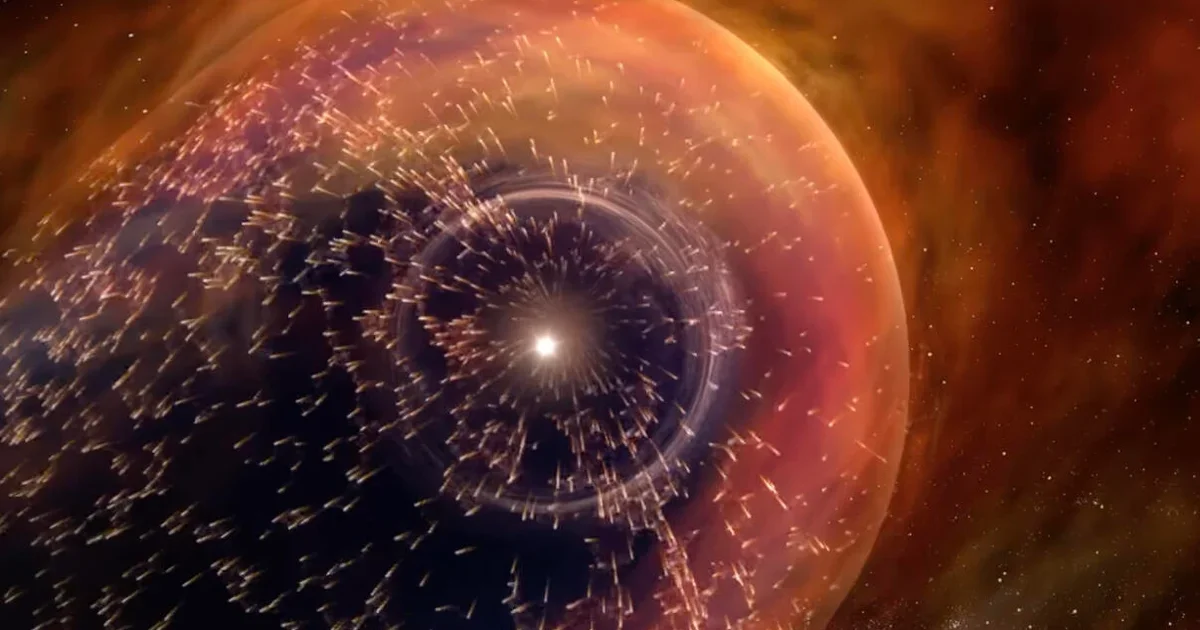
Alien Visitor From Beyond the Solar System Might Have Cooled Earth

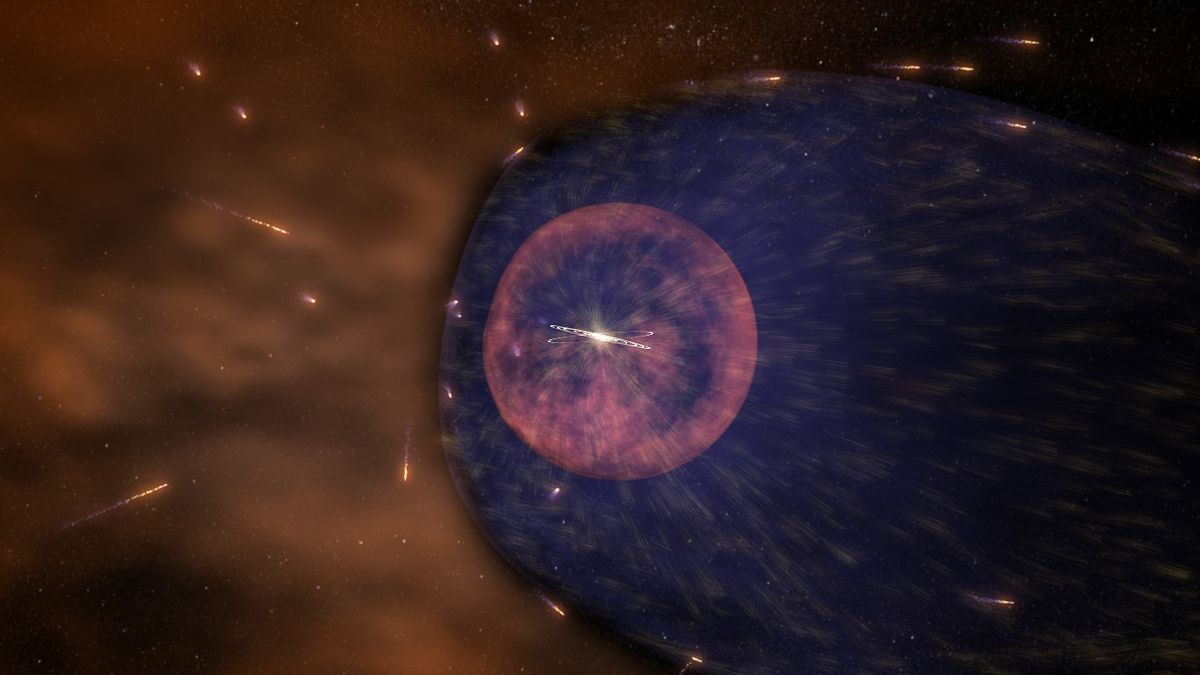
A 2024 study suggests that millions of years ago, the solar system's passage through a dense interstellar cloud compressed the heliosphere, exposing Earth to cosmic particles, which may have caused climate cooling and influenced human evolution. Future encounters with similar clouds are possible, highlighting the importance of space research.

science5 months ago

Extraterrestrial Encounter Could Have Significantly Cooled Earth

A study suggests that our solar system's passage through dense interstellar clouds may have contracted the heliosphere, allowing interstellar material to reach Earth and potentially causing significant climate cooling in the past, with evidence found in geological isotopes. This process could have influenced Earth's climate and even human evolution.

space-science1 year ago

"Scientists Seek Interstellar Probe to Unveil Heliopause Shape"

The heliosphere, the vast region of space influenced by the sun, acts as a shield against cosmic rays and interstellar particles. Scientists aim to understand its shape and interactions with the interstellar medium, but current probes like Voyager lack the necessary instruments. NASA is considering launching a new interstellar probe to study the heliosphere from the outside, which could provide invaluable data on its structure and behavior.

space-exploration1 year ago

"Optimal Trajectories for Interstellar Space Travel Revealed by Scientists"

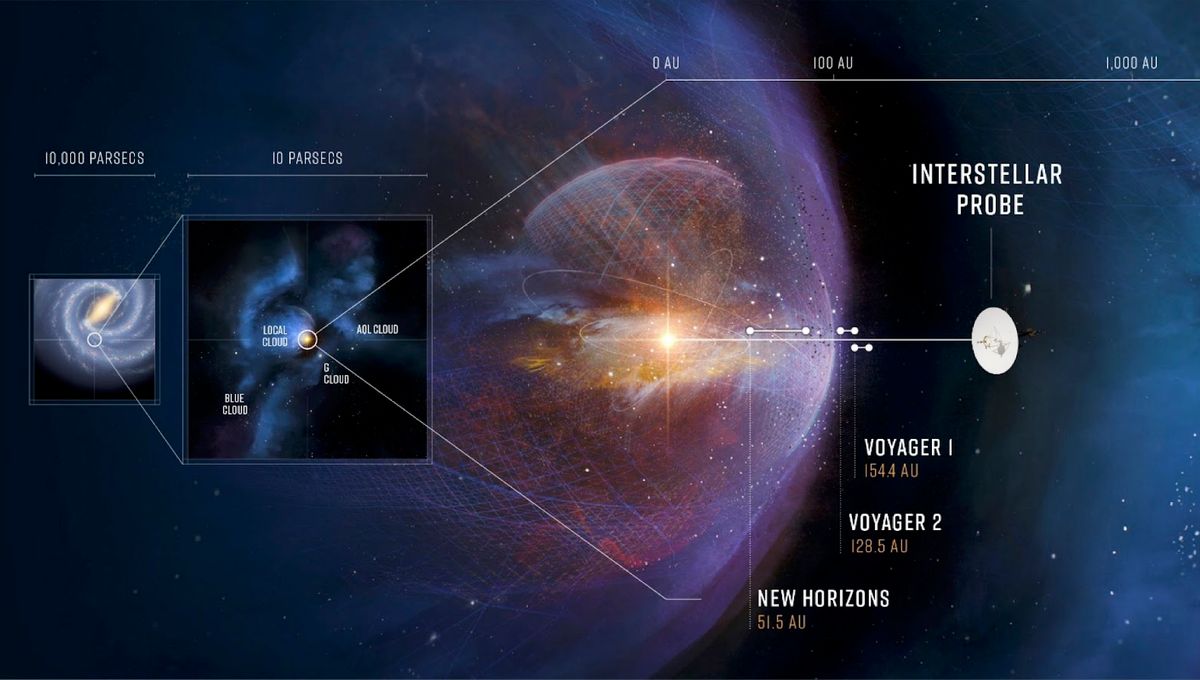
Scientists have identified the best routes for a spacecraft to escape the Solar System and reach interstellar space, aiming to gain a deeper understanding of the heliosphere's shape and its protective role against galactic radiation. By analyzing potential trajectories, researchers found that sending a probe through the flanks of the heliosphere would provide valuable scientific insights. This approach differs from previous assumptions and could lead to a mission traveling to 400-1,000 astronomical units from Earth. The study, published in Frontiers in Astronomy and Space Sciences, highlights the need for a future interstellar probe mission to explore and better comprehend our heliosphere from an external perspective.

space-exploration1 year ago

"Optimizing Trajectories for Interstellar Spacecraft"

Scientists are exploring mission concepts for an interstellar probe to travel beyond the sun's heliosphere and understand its boundaries and shape. A study recommends an exit route through the heliosphere's tail end to maximize scientific measurements. The mission aims to collect samples from the local interstellar medium and provide unprecedented insights into the heliosphere's interaction with the interstellar environment. This research challenges previous assumptions about the optimal trajectory for the interstellar probe and emphasizes the importance of additional measurements outside the heliosphere to determine its shape and boundaries.

space2 years ago

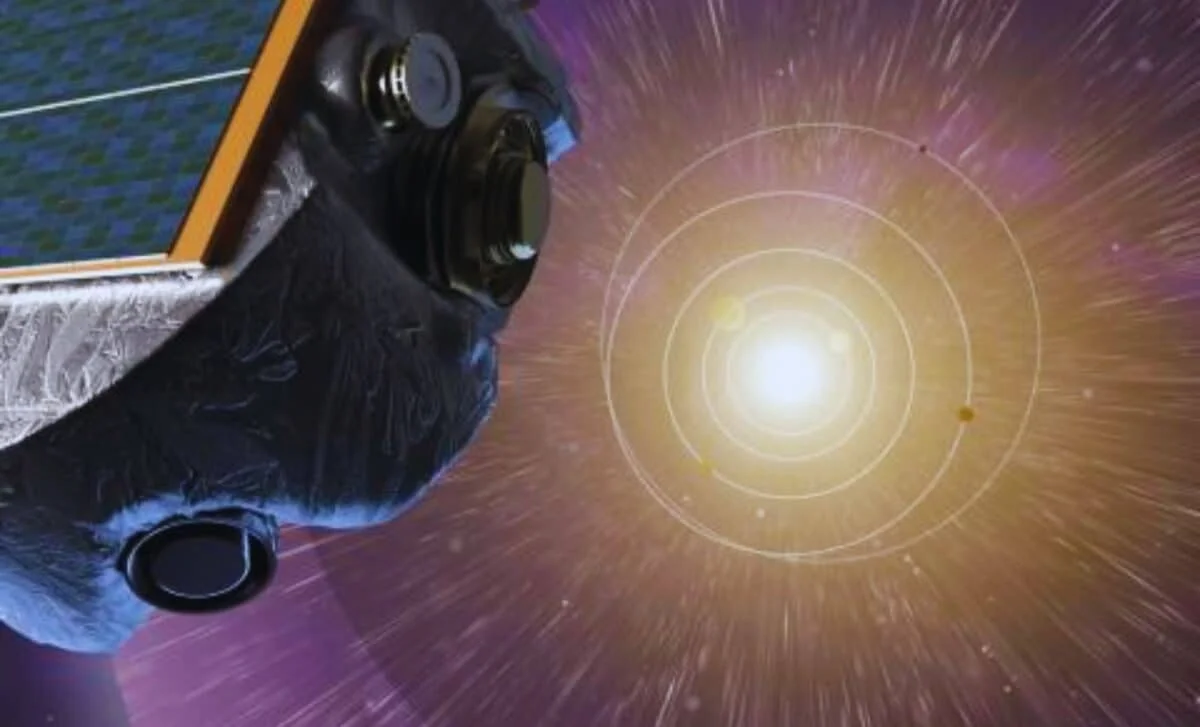
"NASA's IMAP Probe Set to Launch in 2025 to Capture Interstellar Dust"

NASA's Interstellar Mapping and Acceleration Probe (IMAP) is set to launch in 2025 to study interstellar dust particles entering our solar system, with the goal of understanding the heliosphere's protective role. The spacecraft will carry 10 science instruments, including the Interstellar Dust Experiment (IDEX), designed to capture and analyze these tiny particles. Despite their small size and high speed, capturing these particles will provide valuable insights into the formation of galaxies, molecular clouds, and planets. IMAP is scheduled for launch in April or May next year.

science2 years ago

"NASA's Interstellar Boundary Explorer Discovers Ripples in Heliosphere"

NASA's Interstellar Boundary Explorer (IBEX) mission has discovered that the heliosphere, the magnetic bubble created by the Sun that we live in, has ripples that change over time, likely due to influences from the Sun itself. These ripples could be caused by changes in the outward pressure of the solar wind, and the boundary of the heliosphere, called the heliopause, may change and oscillate over time. Future NASA missions will help us discover more about this mysterious bubble we live in.