Tag

Magnetosphere

All articles tagged with #magnetosphere

science1 day ago

Earth's air drifts to the Moon for billions of years, new study suggests

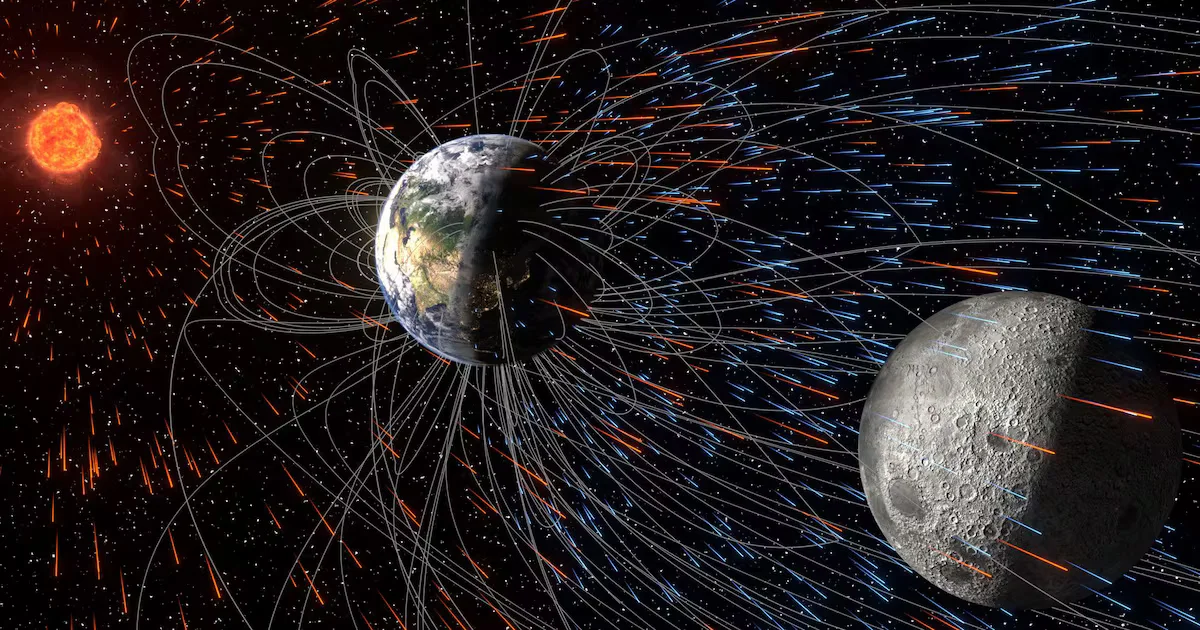
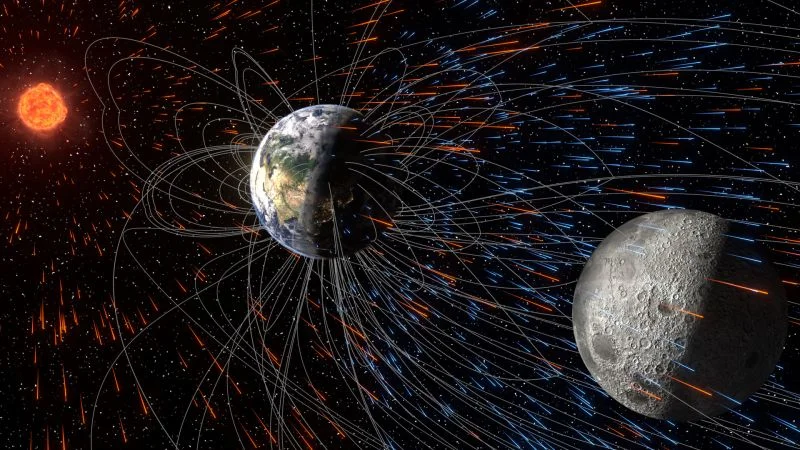
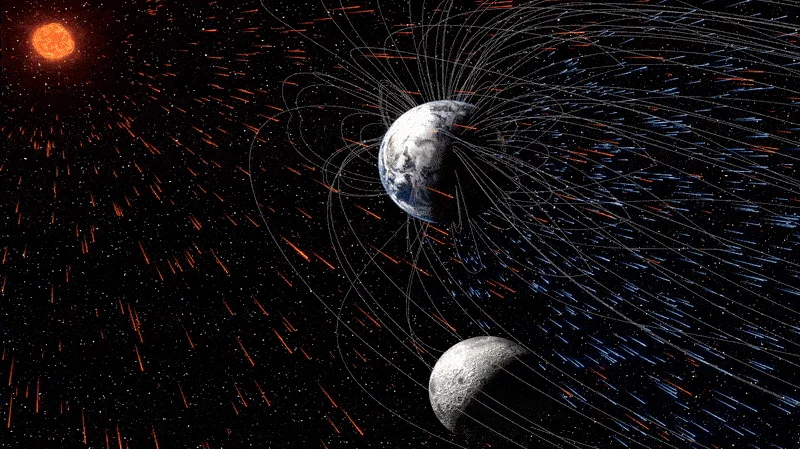
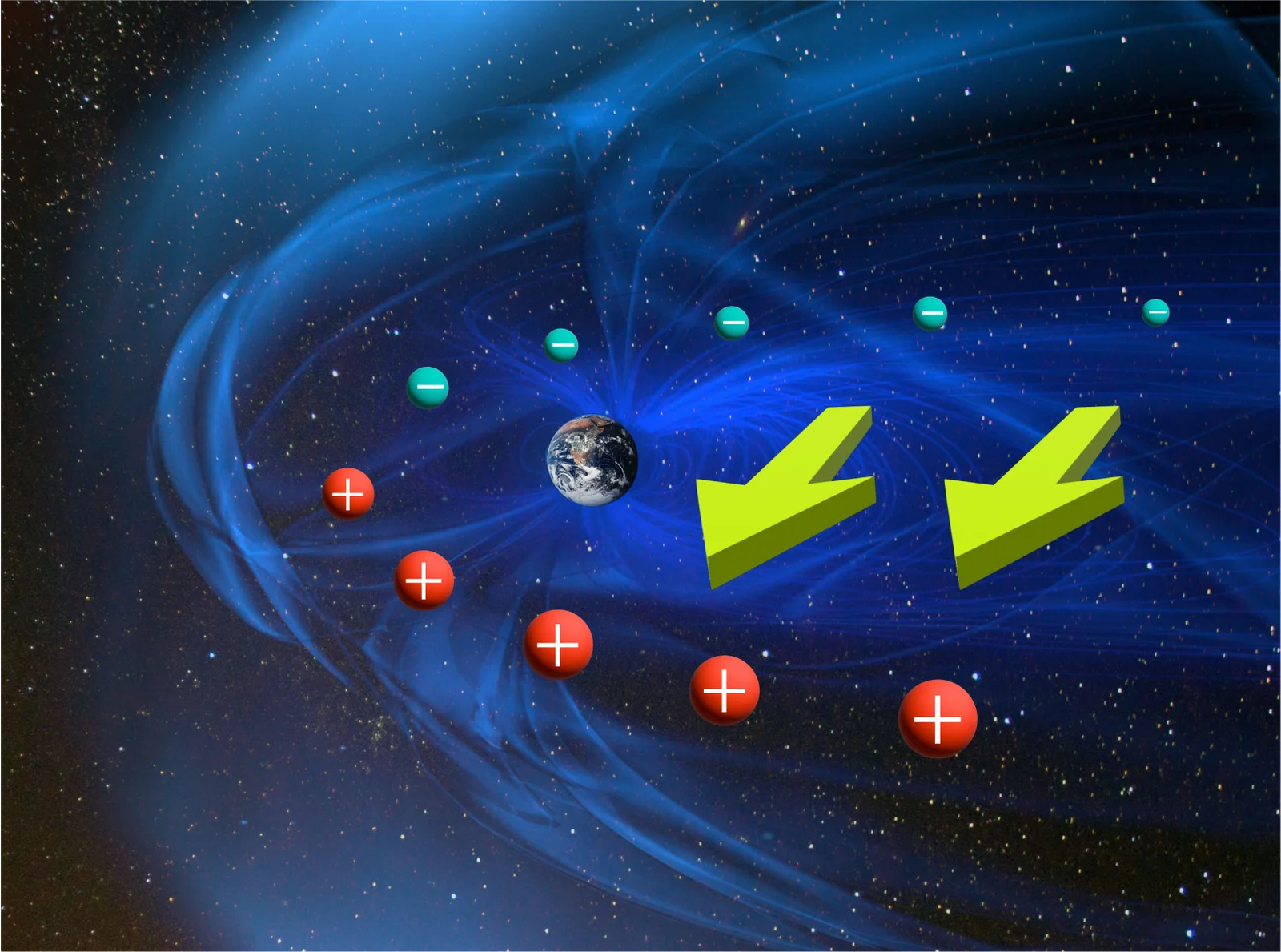
New simulations and Apollo lunar samples indicate Earth’s atmospheric particles (oxygen, nitrogen and other volatiles) have been transported to the Moon by the solar wind interacting with Earth’s magnetic field for billions of years, embedding in lunar soil. This challenges the idea that the Moon’s volatiles come mainly from the Sun or from its formation, suggesting a long‑running Earth–Moon chemical exchange with implications for understanding Earth’s ancient atmosphere and for future lunar resource use.

science23 days ago

Earth's Atmosphere Is Leaking to the Moon, Revealing a Hidden Connection

Scientists have discovered that Earth's magnetic field allows atmospheric particles to escape and be deposited on the Moon, turning lunar soil into a record of Earth's ancient atmosphere. This process occurs as the Moon passes through Earth's magnetotail, where charged particles from Earth's upper atmosphere are guided onto the lunar surface, providing valuable insights into Earth's atmospheric history and the dynamics of planetary magnetospheres.

science1 month ago

Scientists Observe First 'Switchback' Phenomenon in Earth's Magnetosphere

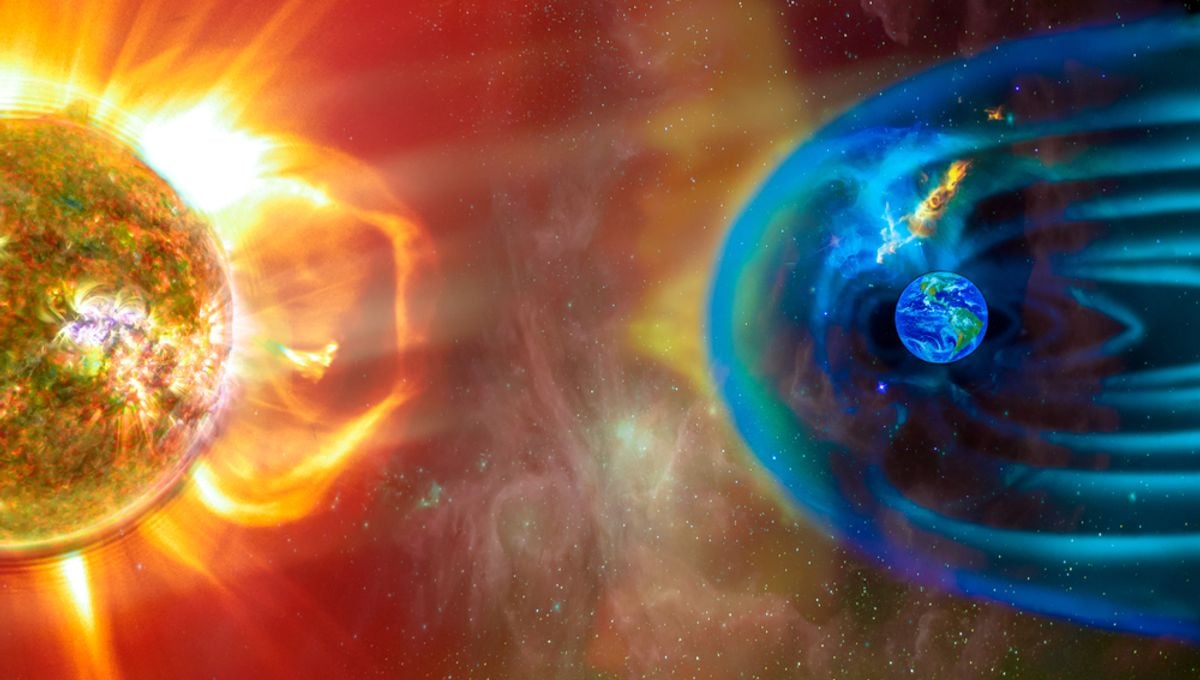
Scientists have for the first time detected a zigzag-like 'switchback' phenomenon in Earth's magnetosphere, a plasma structure associated with magnetic reconnection events that can influence space weather and potentially disrupt Earth's technological systems. The discovery was made by NASA's MMS spacecraft near the magnetosheath, providing new insights into how solar wind interacts with Earth's magnetic field and improving the ability to predict geomagnetic storms.

science7 months ago

Hubble Study Reveals Unexpected Moons of Uranus

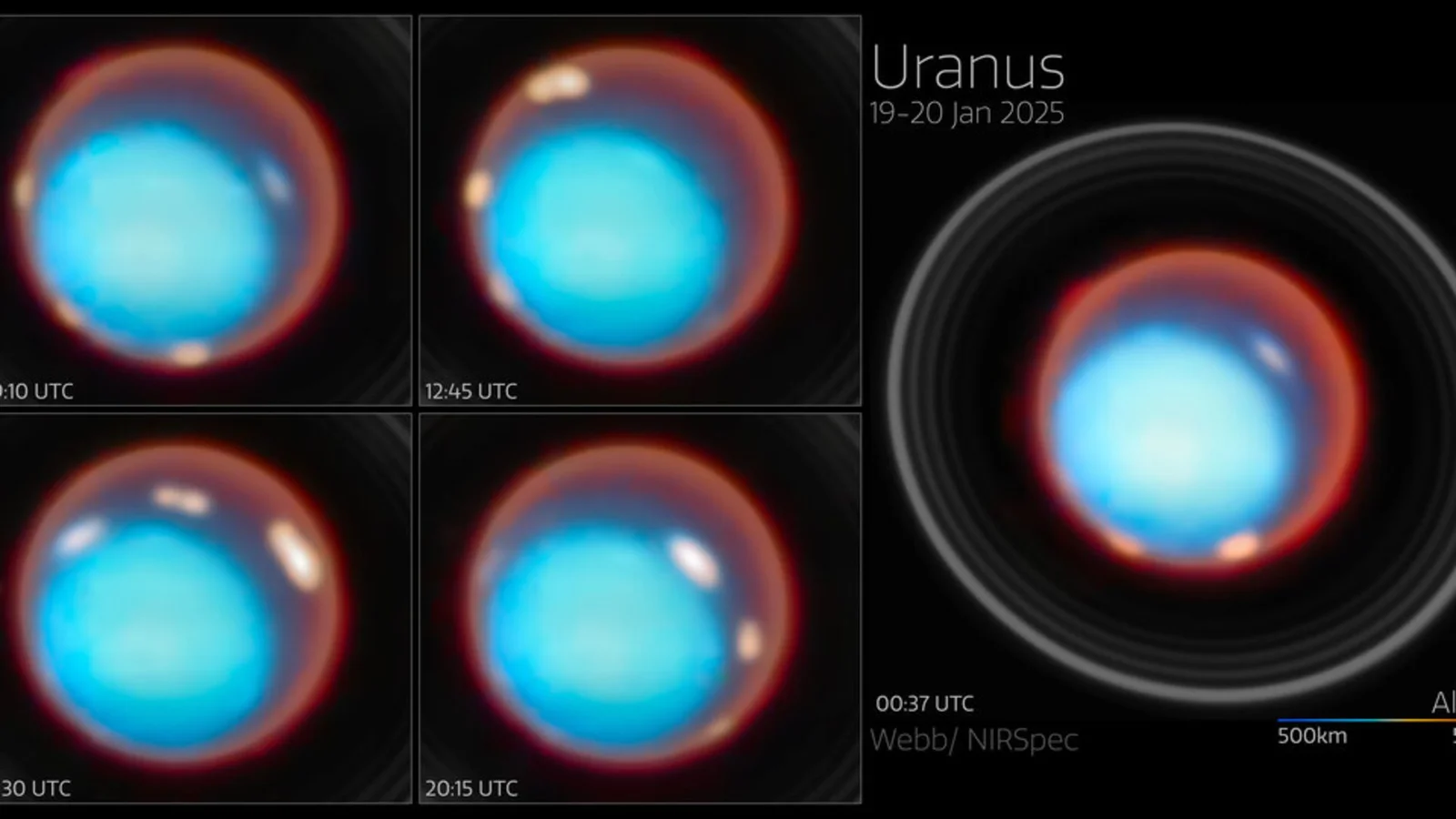
A Hubble study of Uranus's four largest moons revealed unexpected surface darkening patterns, suggesting the planet's magnetosphere interacts less with its moons than previously thought, and dust from irregular satellites may influence their surface brightness. The findings challenge existing models and highlight the need for further investigation into Uranus's magnetic environment.

science1 year ago

Alfvén Waves Linked to Magnetosphere Heating

Astrophysicists from UCLA, in collaboration with other universities, have found evidence that Alfvén waves in space plasmas accelerate ion beams, leading to the creation of small-scale acoustic waves that generate heat in the magnetosphere. Using data from NASA's Magnetospheric Multiscale Mission, the researchers confirmed theories about heat generation in the magnetosphere by showing that magnetic pressure variations in Alfvén waves are synchronized with ion density fluctuations and electric fields. Their findings, supported by simulations, provide new insights into energy transfer processes in space.

science1 year ago

Decoding Uranus: New Insights 40 Years After Voyager 2's Visit

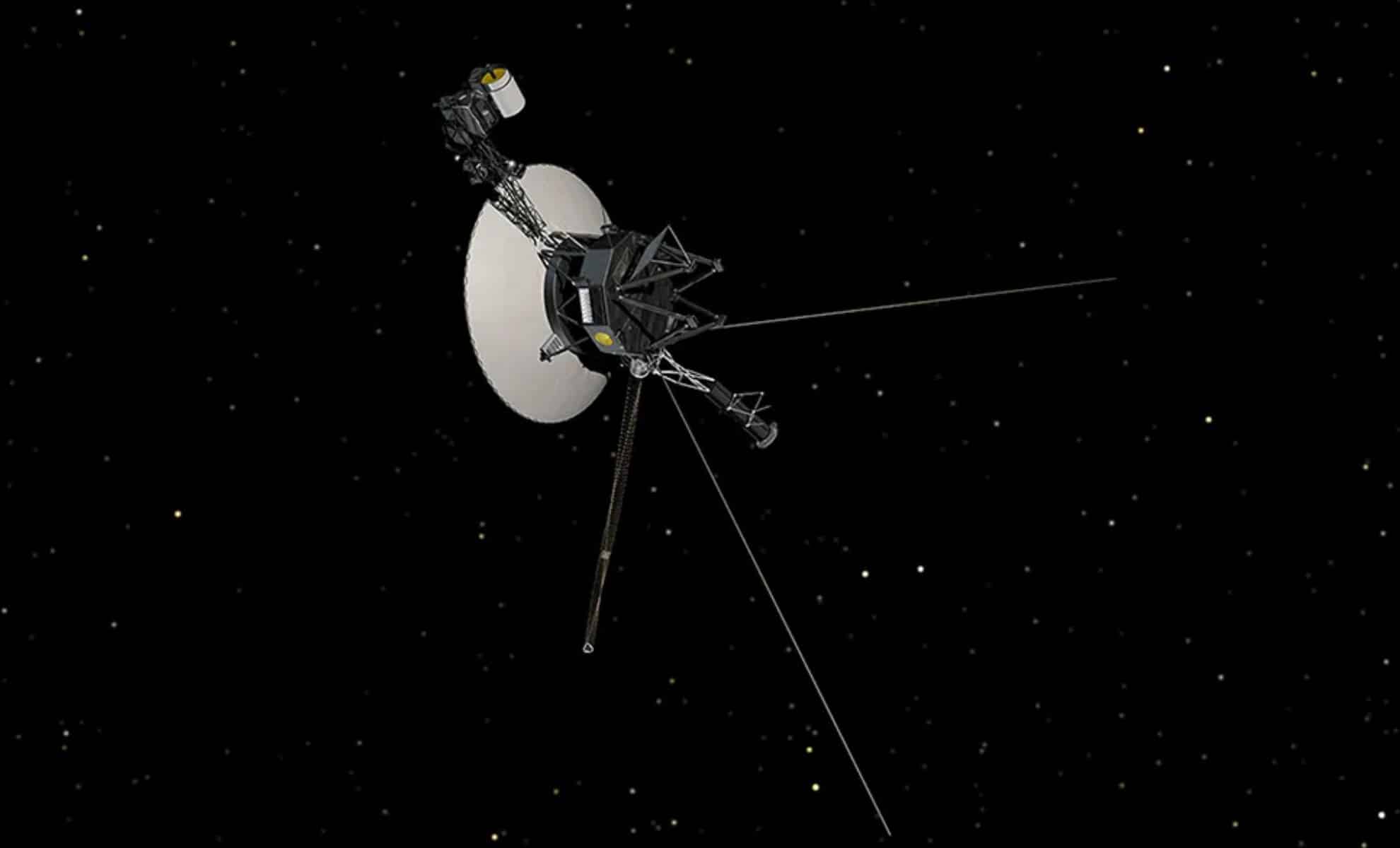
Decades after Voyager 2's 1986 flyby of Uranus, scientists have re-analyzed the data to solve mysteries about the planet's magnetosphere. They discovered that a rare solar wind event compressed Uranus' magnetic field, explaining the unexpected electron radiation belts observed. This finding suggests that Uranus' major moons might be geologically active, challenging previous assumptions. The study, published in Nature Astronomy, highlights the importance of timing in space exploration and renews interest in future missions to Uranus.

science1 year ago

Scientists Uncover the Mystery Behind Uranus' Cooling

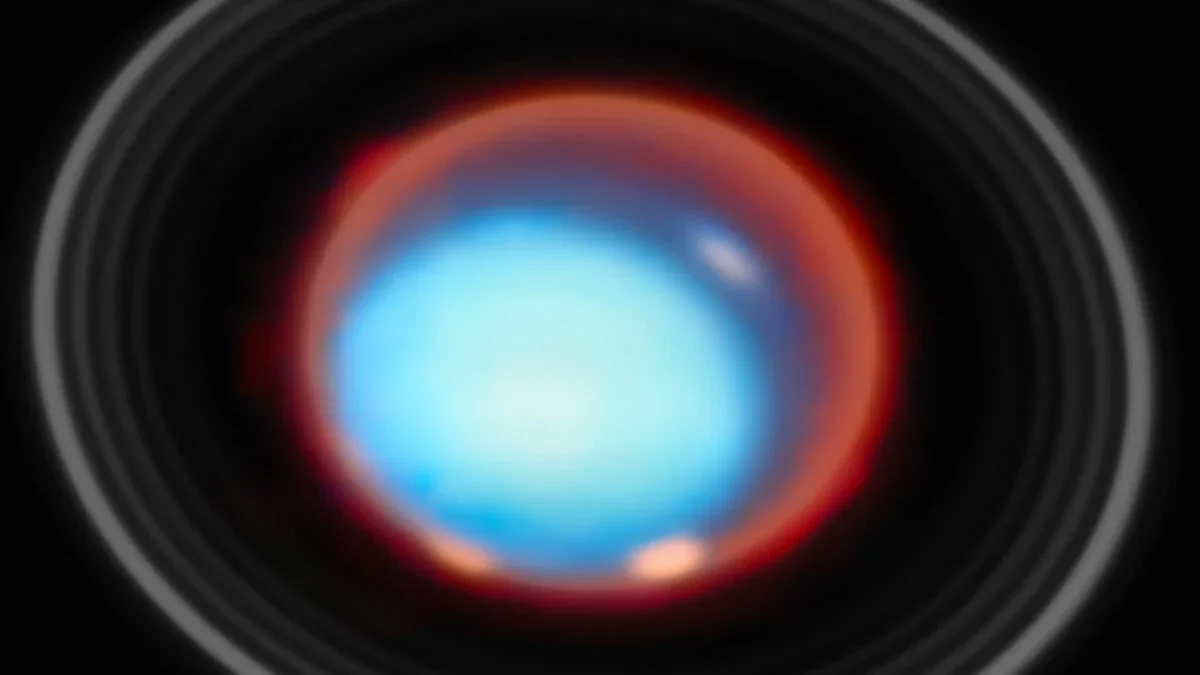
Uranus' upper atmosphere is cooling, a phenomenon not observed in other planets, and new research attributes this to the solar wind rather than solar photons. The solar wind's decreasing pressure allows Uranus' magnetosphere to expand, reducing the solar wind's heating effect on the thermosphere. This discovery, published in Geophysical Review Letters, could influence future missions to Uranus and has implications for understanding exoplanet atmospheres, suggesting that stellar wind, rather than radiation, may govern their thermal evolution.

science1 year ago

New Insights Reveal Decades of Misunderstanding Uranus

Recent research has revealed that previous observations of Uranus' magnetosphere, made during Voyager 2's 1986 flyby, were influenced by an unusual solar wind event, leading to misconceptions about the planet's magnetic field. The study suggests that under normal conditions, Uranus' magnetosphere is more similar to those of other large planets like Jupiter and Saturn. This new understanding could aid future missions to explore Uranus' atmosphere, rings, and moons, particularly in the search for subsurface oceans that might support life.