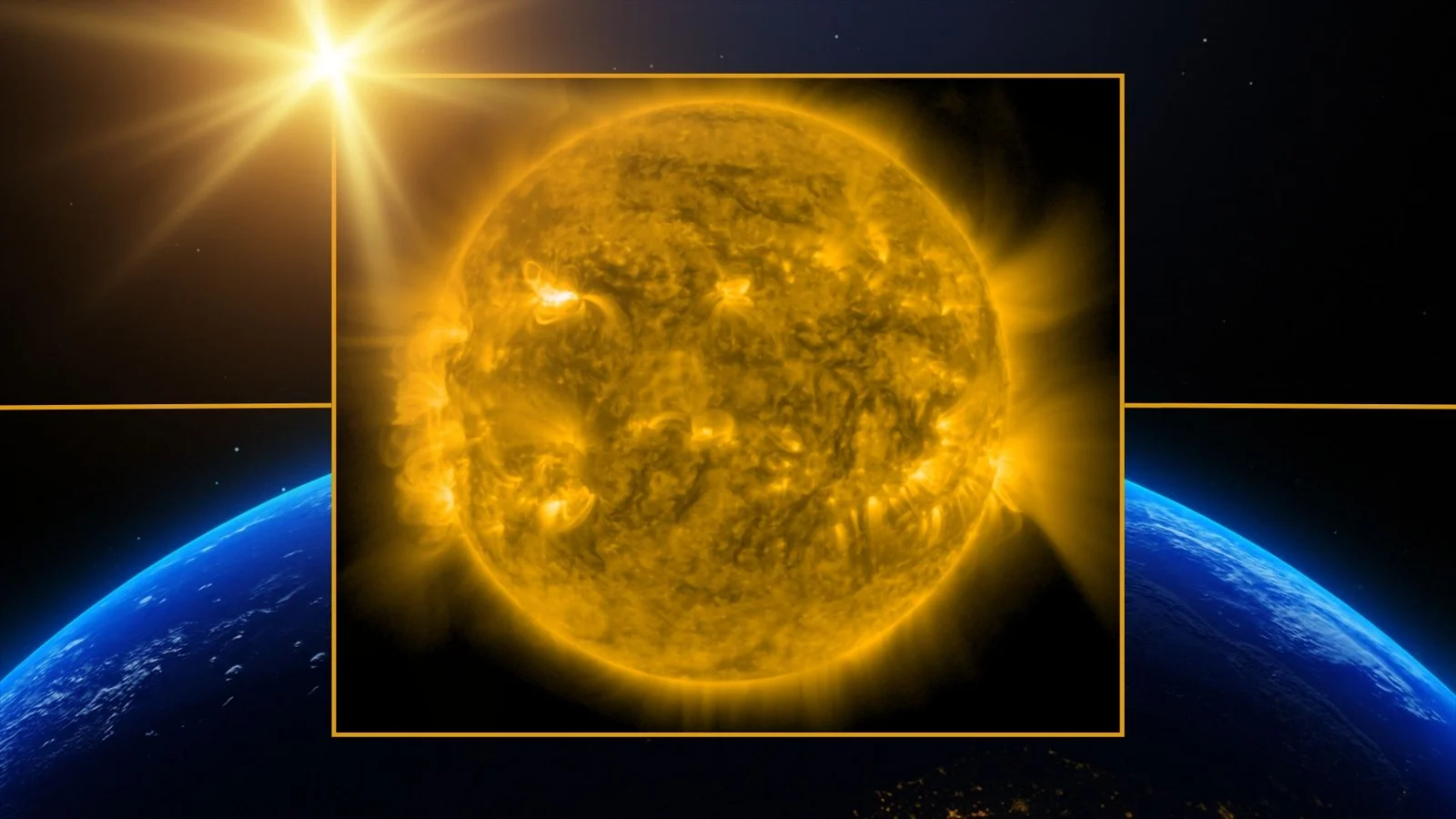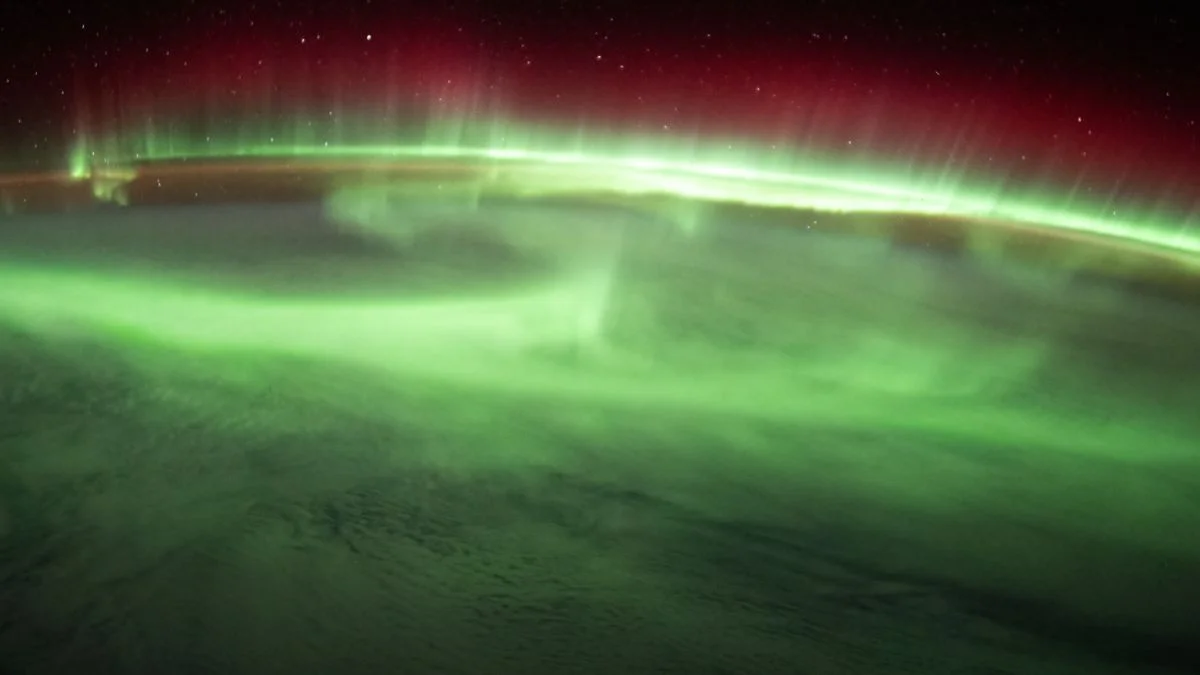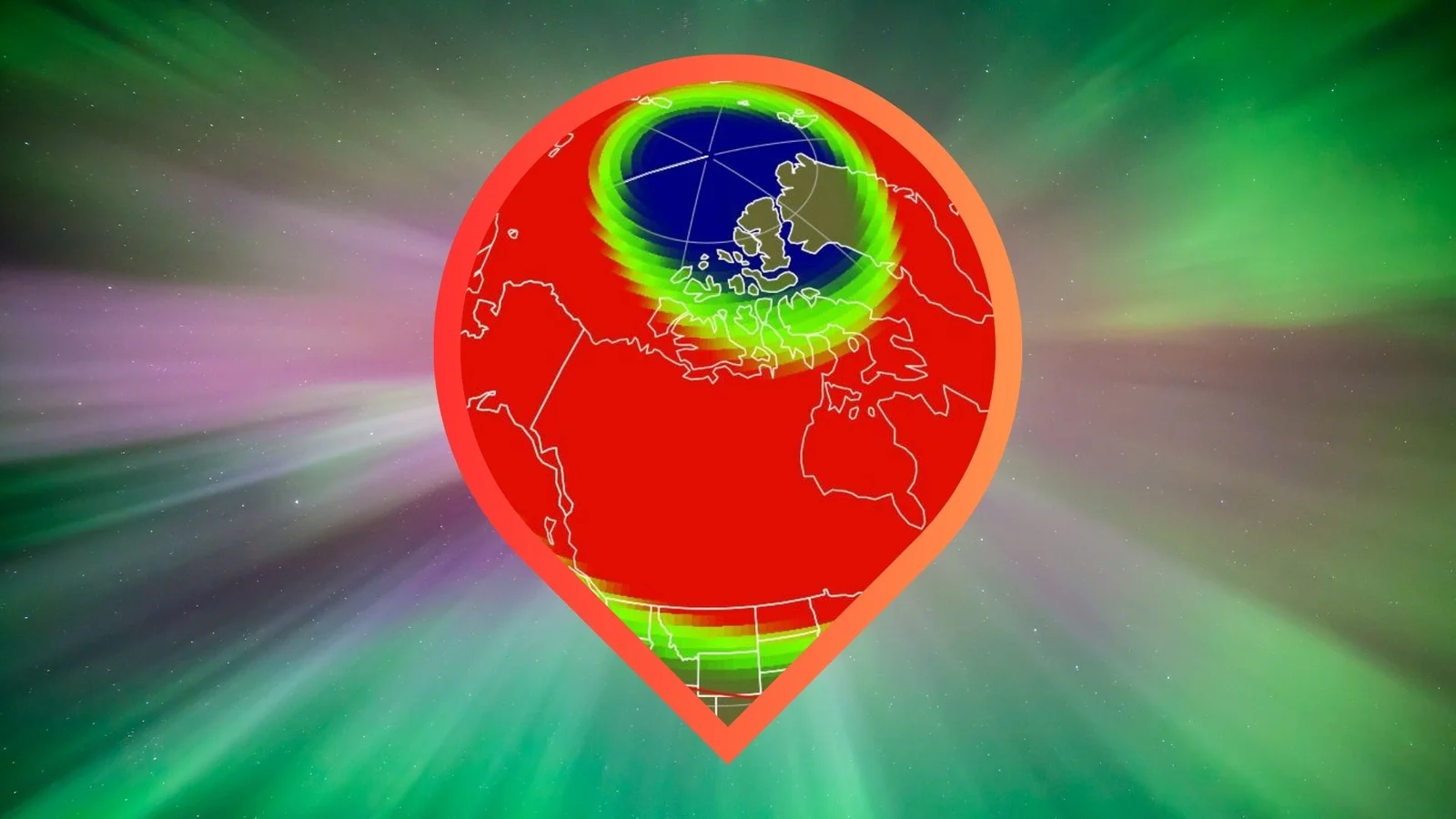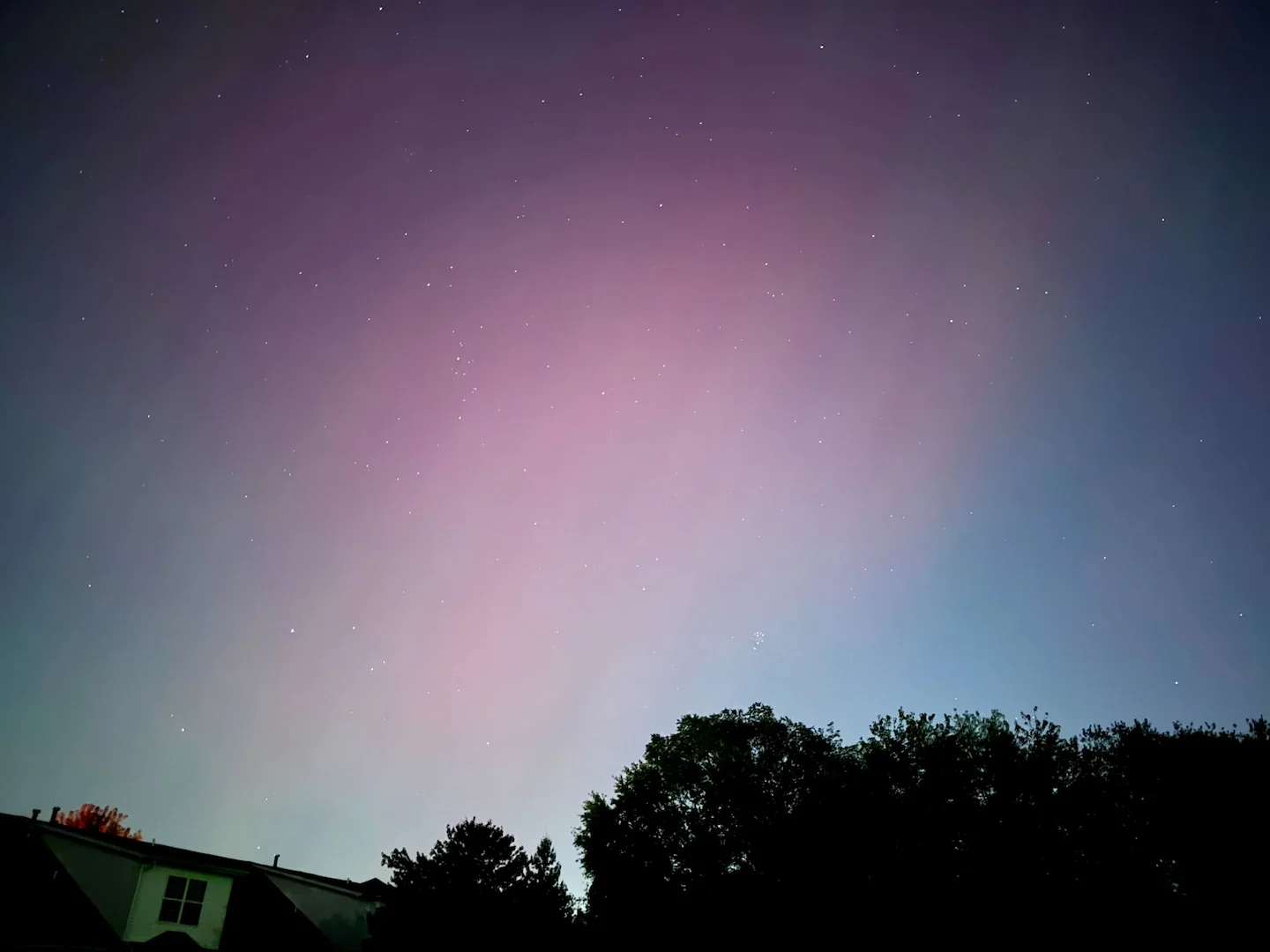
The northern lights may be visible in several northern U.S. states on Wednesday due to geomagnetic storms caused by solar winds and a coronal mass ejection, with brighter and more widespread displays possible as a result.
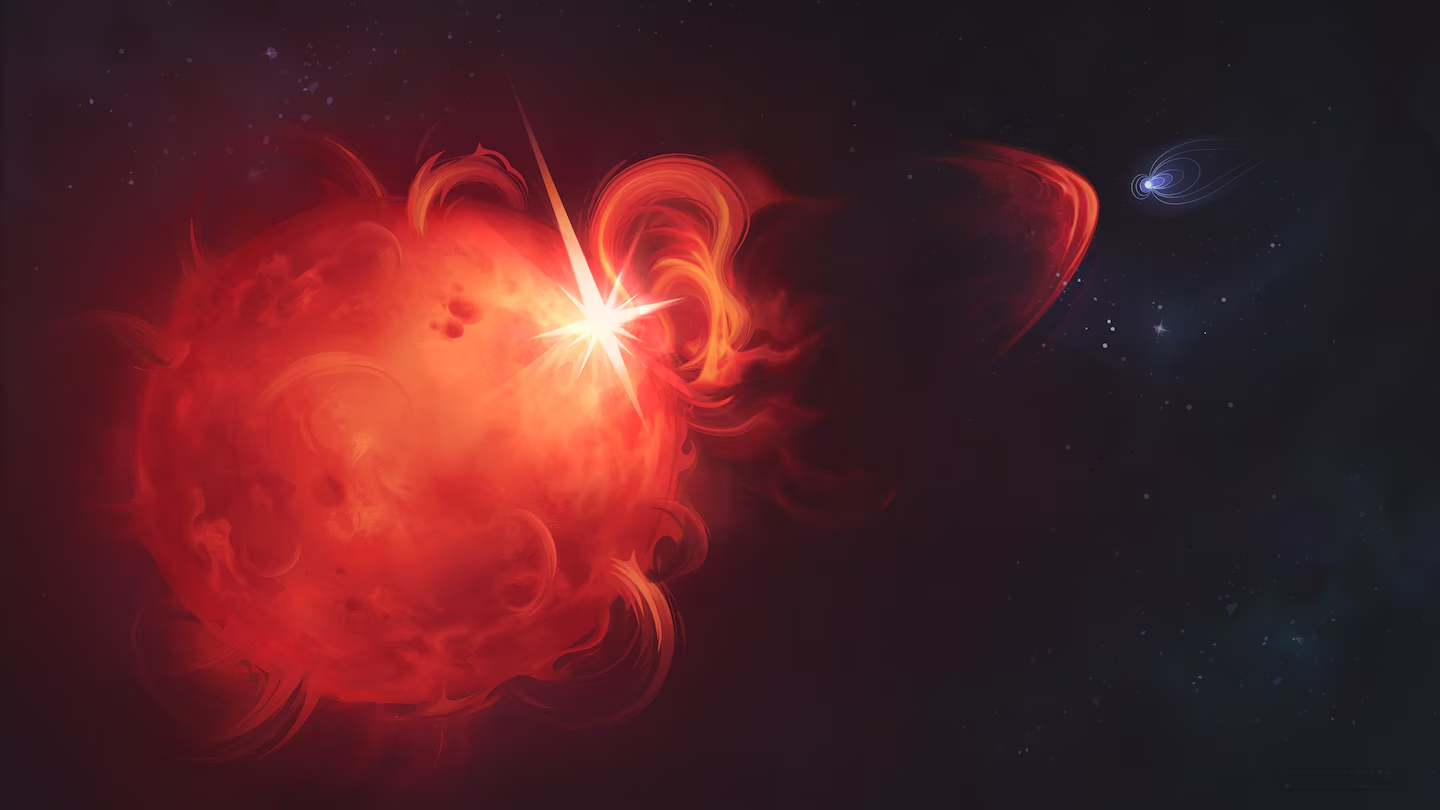
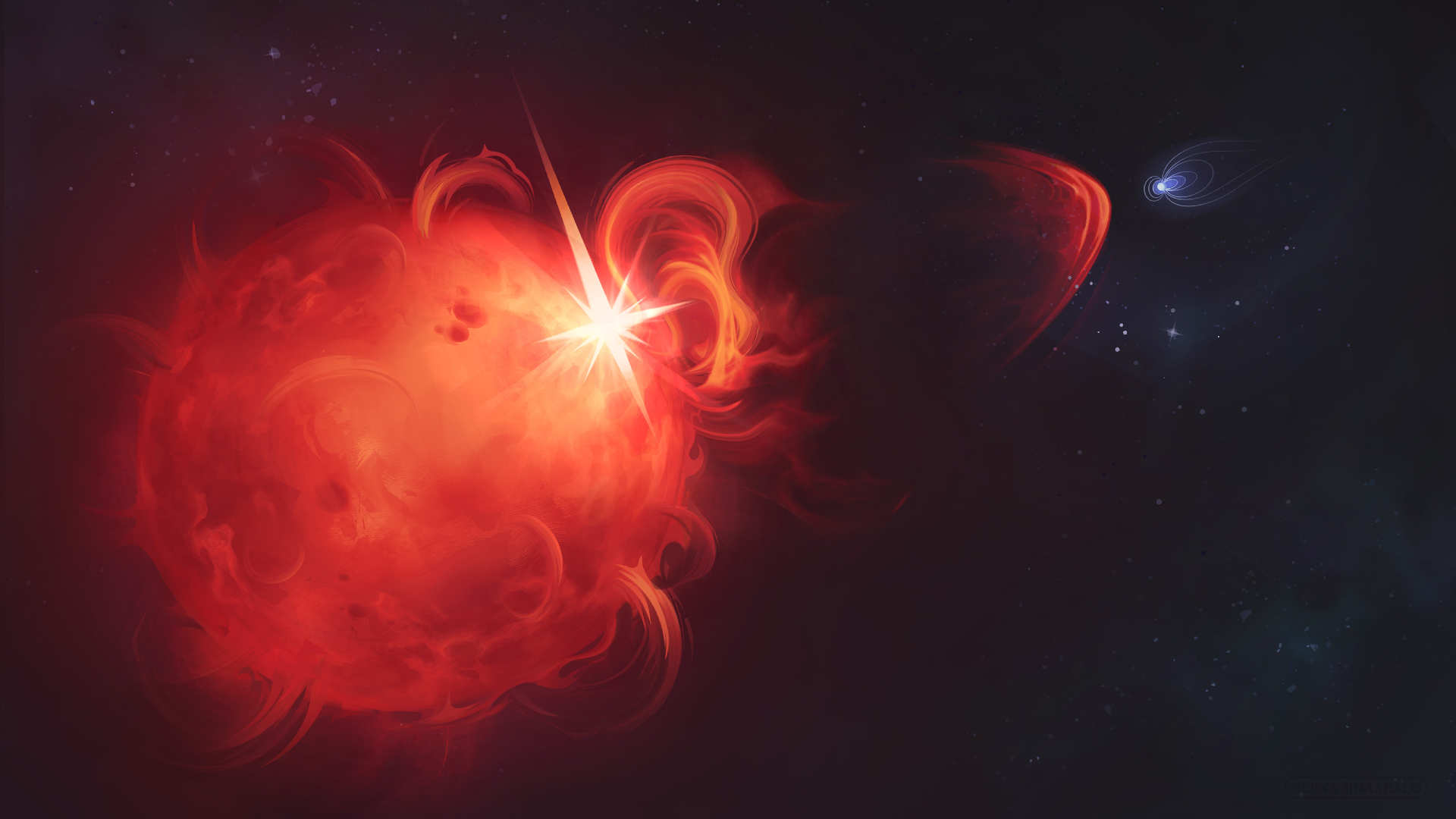
Astronomers have detected a massive stellar eruption from a star 130 light-years away, providing the first strong evidence of coronal mass ejections beyond our solar system, which could impact the habitability of nearby planets and inform our understanding of space weather risks.
Astronomers have observed the first confirmed coronal mass ejection (CME) from an alien star, a red dwarf 130 light-years away, which was powerful enough to strip a planet's atmosphere, raising concerns about the habitability of planets around such active stars and advancing our understanding of stellar space weather.
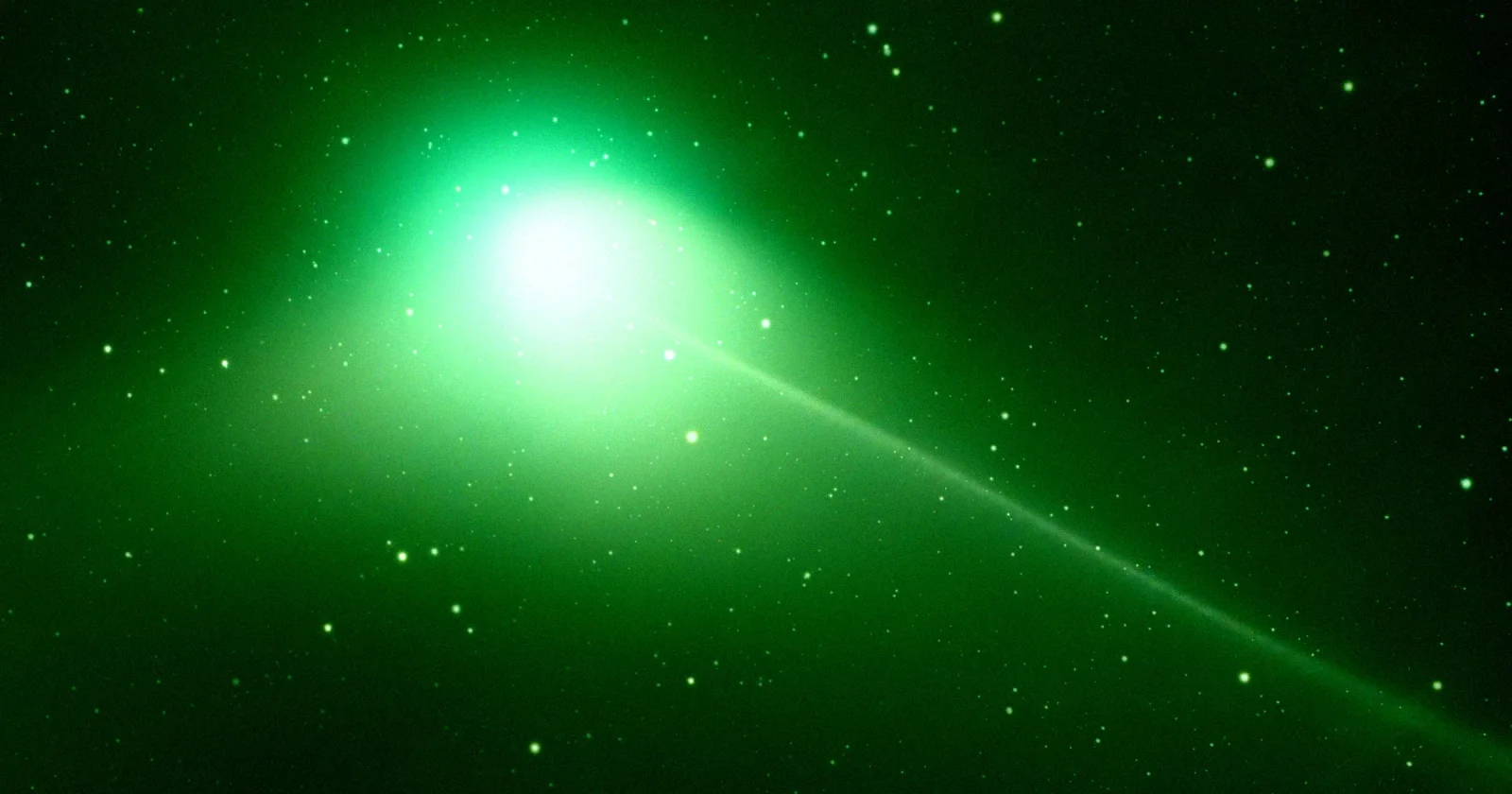
The interstellar object 3I/ATLAS, a potentially massive comet-like body, is passing through the solar system at high speed, recently encountering a solar plasma blast from the Sun. Its trajectory and composition are unusual, prompting speculation about its nature, with some scientists considering extraterrestrial origins. It will closely pass Mars next week, providing an opportunity for further observation.
The interstellar object 3I/ATLAS, believed to be a comet, is rapidly traveling through the solar system and recently encountered a solar plasma blast from the Sun. Its trajectory, size, and composition are unusual, prompting speculation about its nature, with some scientists suggesting it could be extraterrestrial technology or a much larger object than previous interstellar visitors. It will pass close to Mars next week, providing an opportunity for further observation.
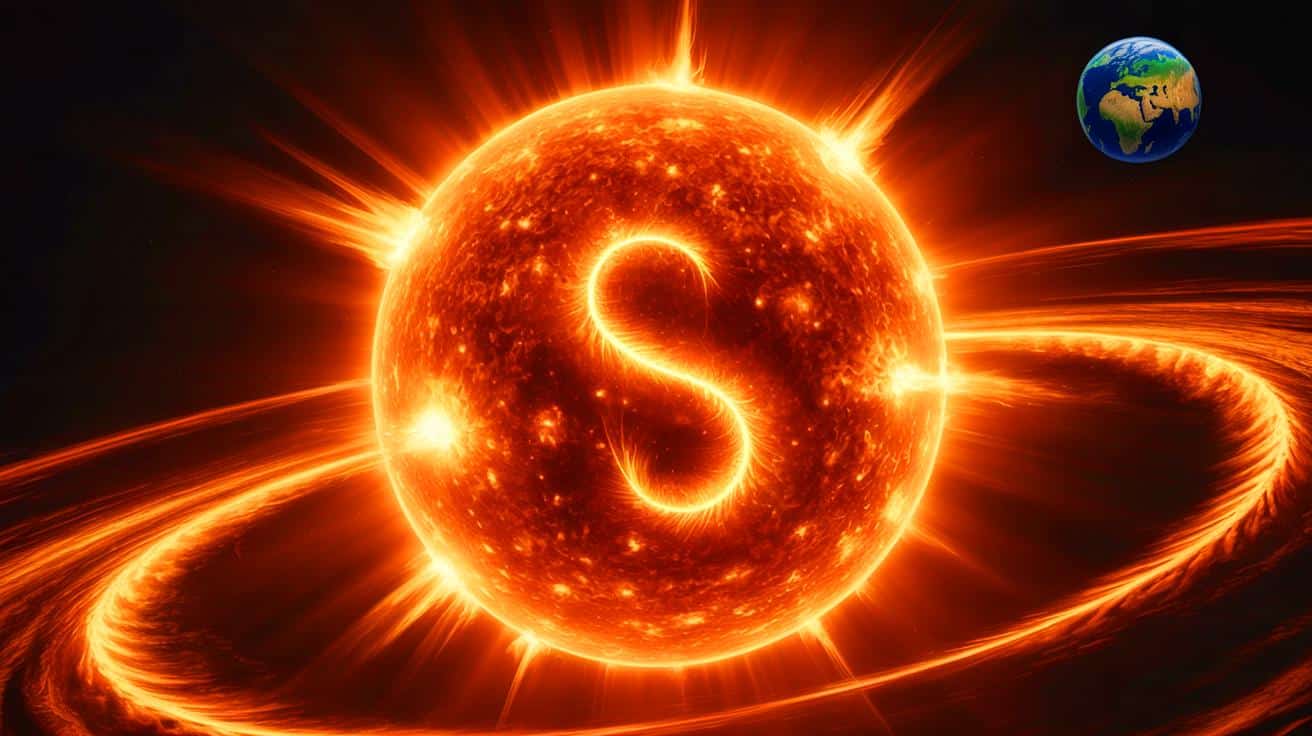
A massive inverted 'S' shaped solar structure, ten times the size of Earth, was observed on the Sun, followed by a coronal mass ejection that caused a mild geomagnetic storm on Earth, highlighting the importance of monitoring solar activity and its potential impacts on our planet.
A hole in the sun's atmosphere and a coronal mass ejection may trigger visible Northern Lights in the U.S. this weekend, especially around the equinox, with potential for impressive auroras due to increased geomagnetic activity.
A giant S-shaped structure appeared on the sun just before a significant solar flare and CME, which hit Earth and caused a minor geomagnetic storm, highlighting increased solar activity during the solar maximum.
A recent coronal mass ejection from the sun is expected to cause geomagnetic disturbances, potentially allowing the northern lights to be visible in over a dozen northern U.S. states, especially along the Canadian border, with the best viewing times between 10 p.m. and 2 a.m. NOAA recommends traveling to high, dark vantage points for optimal viewing and provides tips for photographing the aurora.
A massive solar filament eruption on July 15 created a 'canyon of fire' on the Sun's surface, carving a deep scar over 250,000 miles long. The event also triggered a coronal mass ejection that is heading away from Earth, reducing potential space weather impacts. Astronomers continue to monitor the Sun for such activity due to its potential effects on Earth and space missions.
Recent solar activity caused the aurora borealis to be visible in northern Nevada, including Carson City, with predictions of similar displays continuing due to a recent coronal mass ejection from the sun.
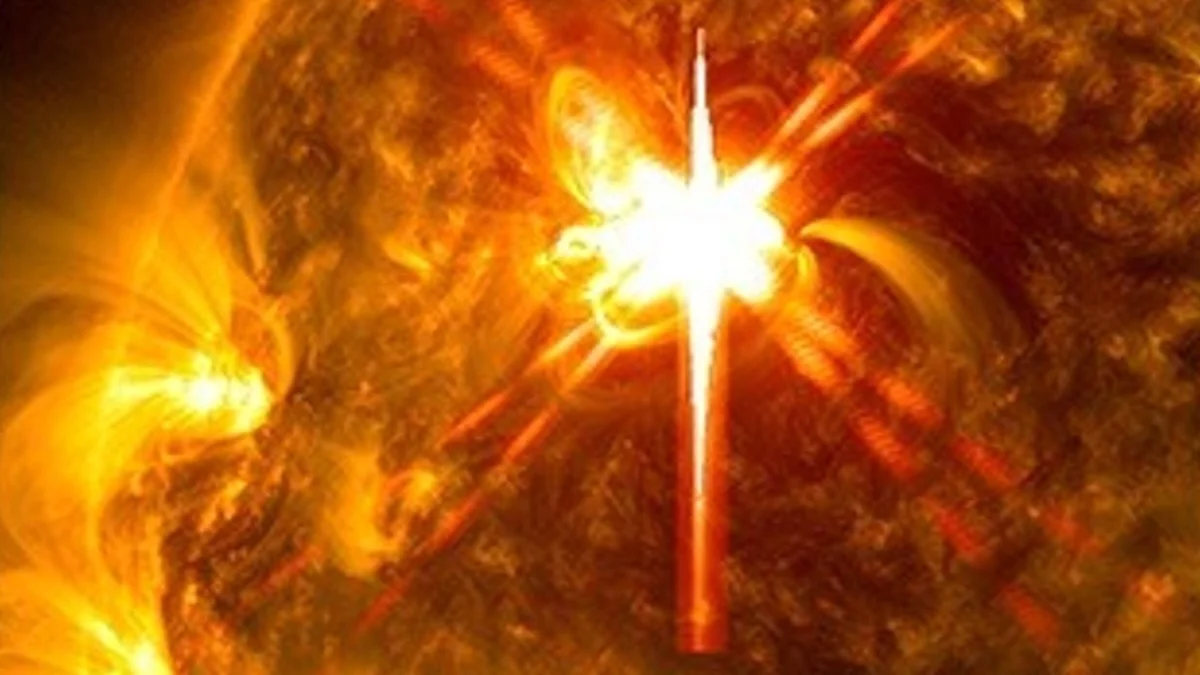
A surprise X-class solar flare erupted from sunspot region 3912 on December 8, causing shortwave radio blackouts over southern Africa. The flare, accompanied by a coronal mass ejection (CME), is expected to have only mild impacts on Earth. X-class flares are the most powerful solar flares, capable of disrupting satellites and causing radio blackouts due to the intense release of electromagnetic radiation.
India's Aditya-L1 mission has achieved its first significant result by capturing data on a coronal mass ejection (CME) using the Visible Emission Line Coronagraph (Velc). This data helps estimate the precise timing and trajectory of CMEs, which are massive solar eruptions that can impact Earth's weather and space infrastructure. Understanding CMEs is crucial as they can disrupt satellites, power grids, and communication systems. Aditya-L1's continuous observation of the Sun offers a unique advantage in monitoring these solar events.
The sun has emitted its second powerful X-class solar flare this week from sunspot AR3738, causing shortwave radio blackouts over the Atlantic Ocean, Africa, Europe, and parts of the Americas. The flare, which occurred on July 16, 2024, may have also triggered a coronal mass ejection, though it is not expected to impact Earth directly. The sunspot is nearing a "danger zone" that could potentially send more charged particles toward Earth.
The massive sunspot AR3664, which caused a powerful G5 geomagnetic storm and widespread aurorae earlier this month, is rotating back towards Earth. This sunspot, known for its intense solar activity, could potentially trigger more solar flares and coronal mass ejections, leading to further geomagnetic storms and aurorae in the coming weeks.