G2 Geomagnetic Storm Watch Targets Jan 10–11, 2026
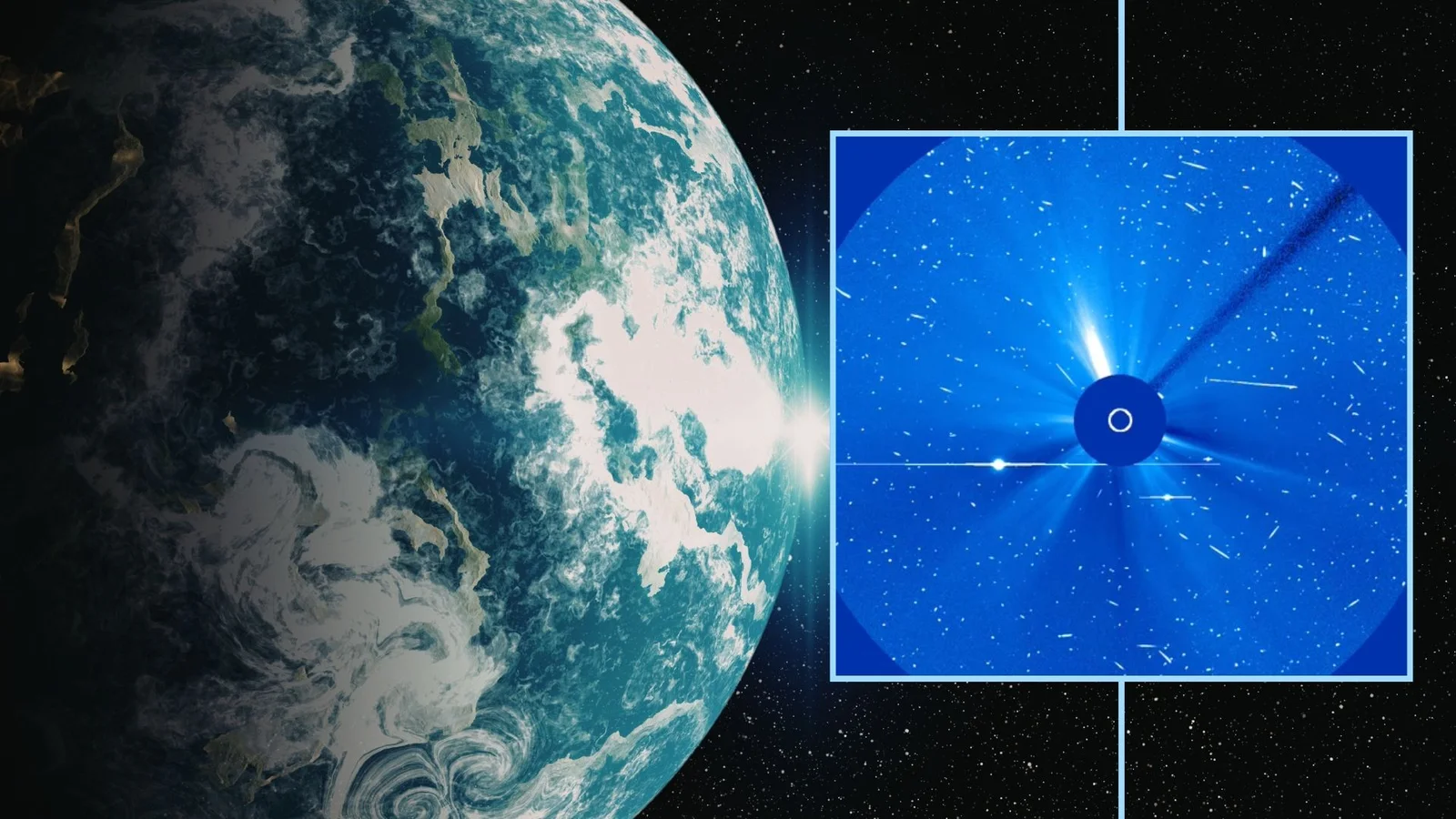
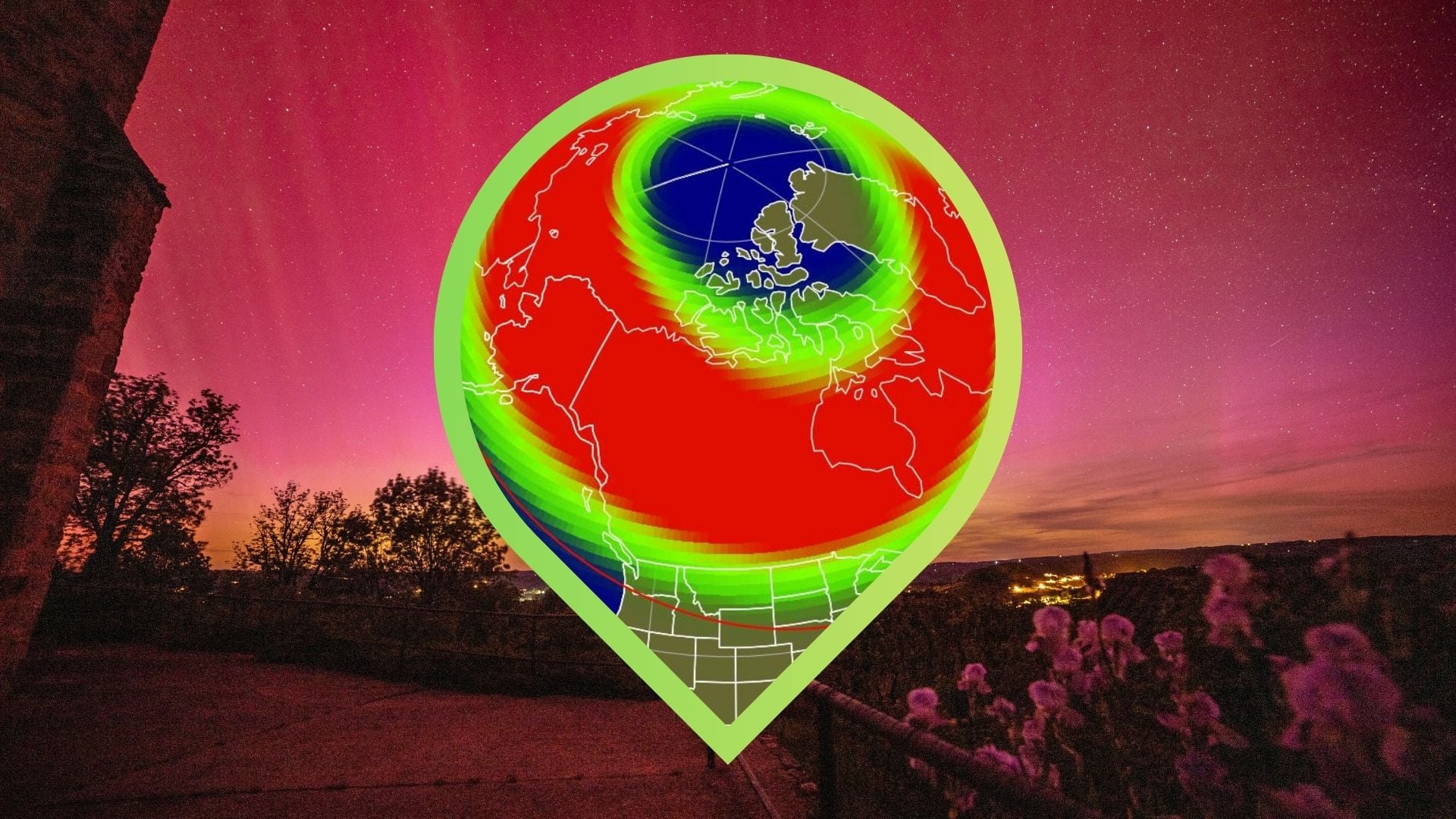
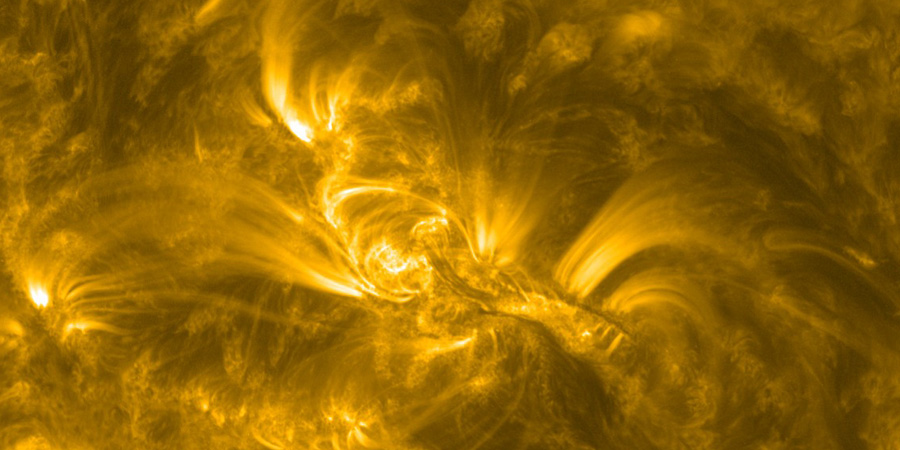
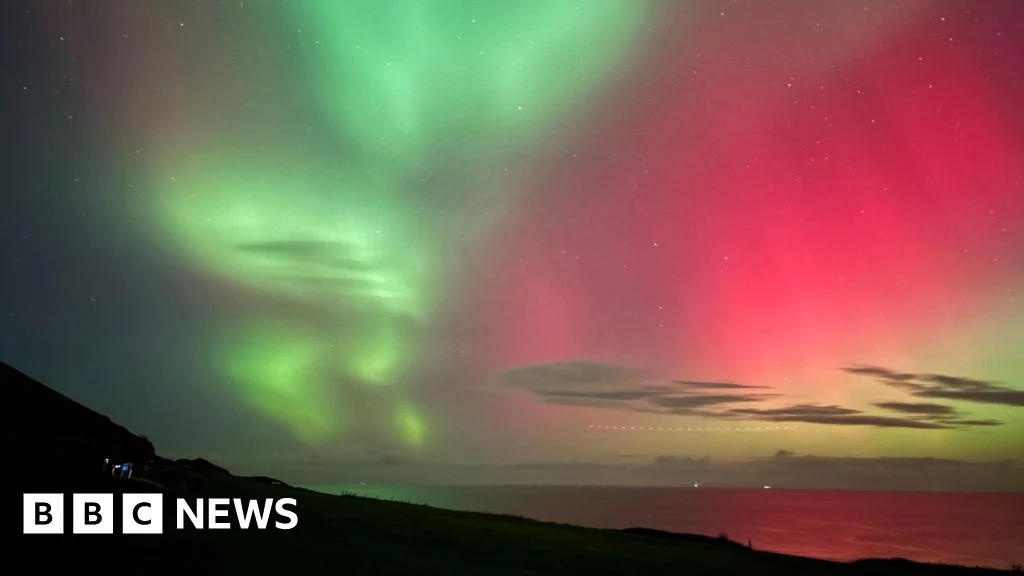
NOAA foresees periods of G1-G2 (minor to moderate) geomagnetic storming on January 10–11, 2026, triggered by a CME that left the Sun on January 8.
All articles tagged with #geomagnetic storm
NOAA foresees periods of G1-G2 (minor to moderate) geomagnetic storming on January 10–11, 2026, triggered by a CME that left the Sun on January 8.
NOAA's Space Weather Prediction Center forecasts periods of G1–G2 (Minor–Moderate) geomagnetic activity on Jan 10–11, 2026 as a CME released on Jan 8 arrives, signaling a moderate geomagnetic storm risk with potential effects on space- and radio-related operations.

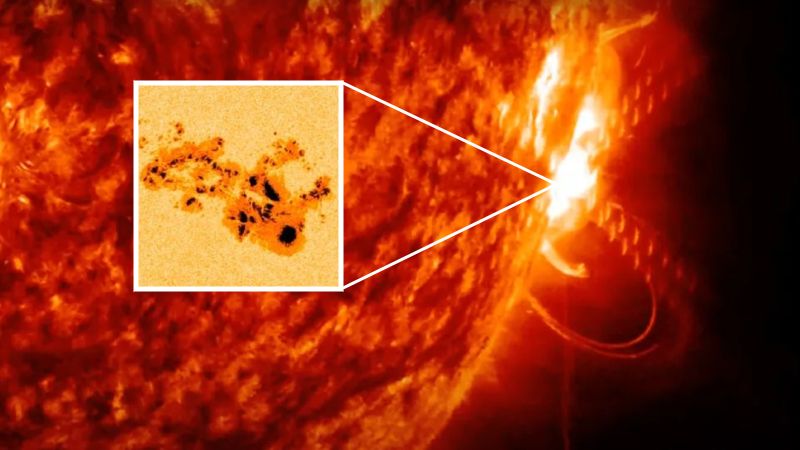
A record-breaking study revealed that the giant sunspot AR 13664, which grew to 15 times Earth's width, produced nearly 1,000 solar flares, including powerful X-class flares, and triggered Earth's most intense geomagnetic storm in over 20 years, highlighting the sun's immense power during solar maximum.

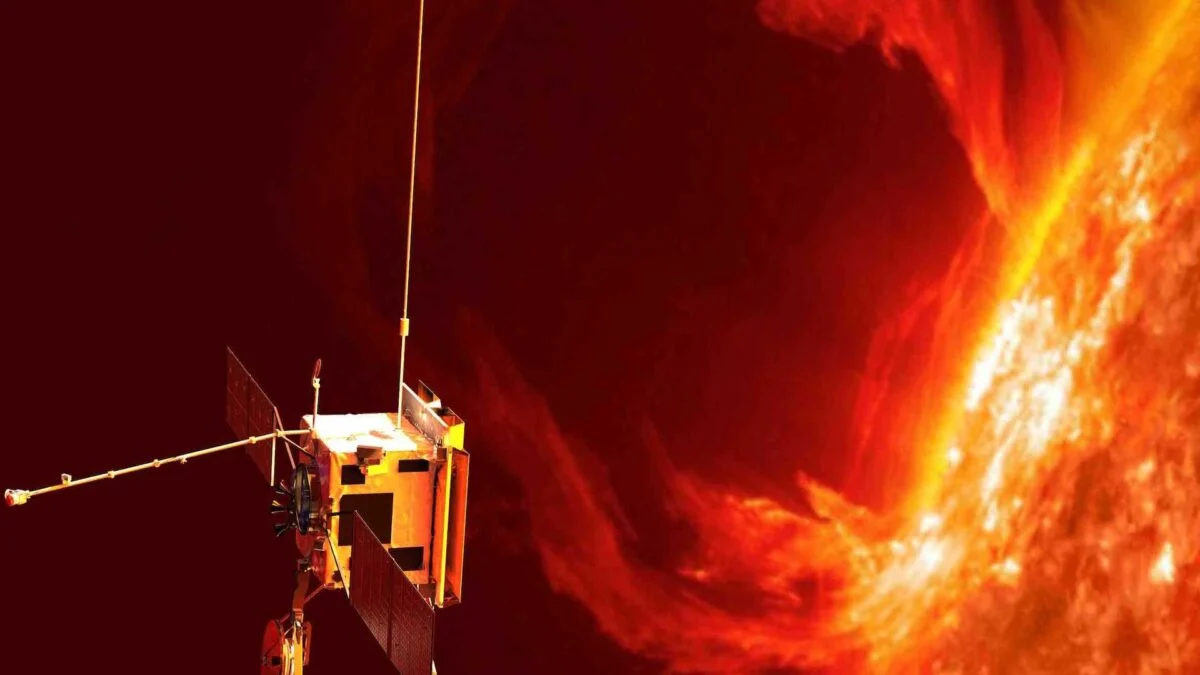
Scientists used the Solar Orbiter to observe the active solar region NOAA 13664 for 94 days, the longest ever recorded, which helped link a major geomagnetic storm in May 2024 to solar activity, providing new insights into solar behavior and its impact on Earth.
NOAA has issued G1-G2 watches for January 3-4 due to expected CMEs from solar activity, which may cause minor to moderate geomagnetic storms, affecting HF radio and navigation signals.

The northern lights may be visible in 18 U.S. states tonight due to a coronal mass ejection from the sun, with the best viewing times between 4 p.m. and 4 a.m. EST, especially in areas with dark, clear skies. Viewers are advised to find a north-facing vantage point, avoid light pollution, and let their eyes adapt to the dark for optimal viewing.

A significant M7.1 solar flare occurred on December 31, 2025, originating from sunspot region 4324, accompanied by a coronal mass ejection (CME) that is expected to cause minor G1 geomagnetic storm conditions on Earth by January 2, 2026, with the majority of the CME heading away from Earth.

Unsettled space weather from the sun, including fast solar wind and a possible glancing coronal mass ejection, could lead to visible northern lights during Christmas, especially at high latitudes in North America and Scandinavia, offering a festive celestial display.

The northern lights may be visible tonight in up to 10 U.S. states due to a minor geomagnetic storm caused by incoming solar wind from a coronal hole, with the best viewing times between 4 p.m. and 10 p.m. EST. Viewers are advised to find dark, north-facing locations and use apps for aurora forecasts to maximize their chances of seeing the auroras.

A powerful X1.9 solar flare from sunspot AR4299 caused radio blackouts in Australia and Southeast Asia, with further solar activity expected from the larger, more complex sunspot AR4294, potentially leading to additional flares and minor geomagnetic storms in the coming days.

A potential G2 to G3 geomagnetic storm caused by a recent solar flare and coronal mass ejection may make the Northern Lights visible across 22 U.S. states and parts of Canada from December 3-4, with the best viewing conditions in dark skies, amid increased solar activity and sunspots.
NOAA has issued a G2 (Moderate) geomagnetic storm watch for December 3-4 due to a coronal mass ejection associated with an X1.9 solar flare, which may impact radio communications and navigation systems.

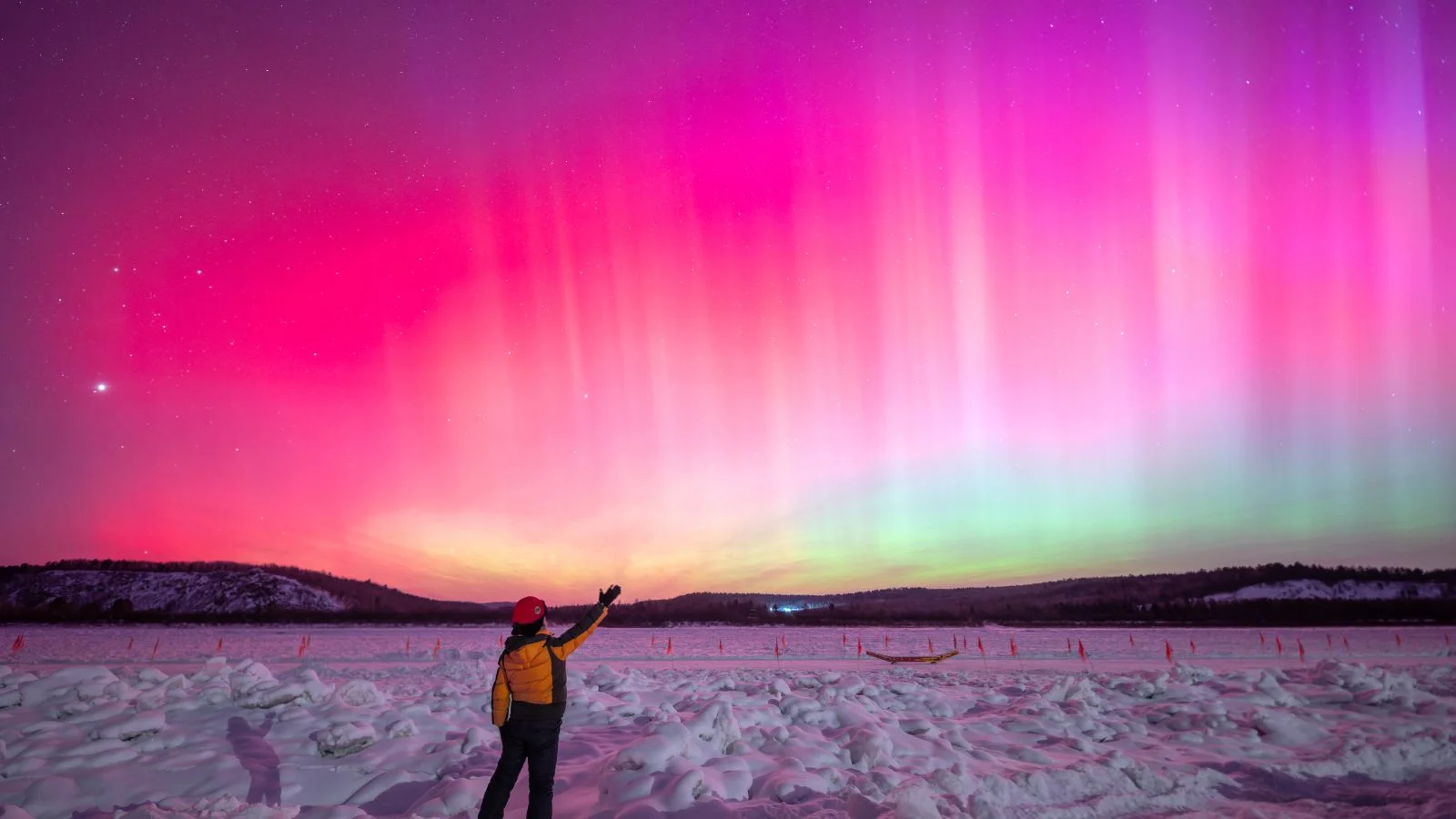
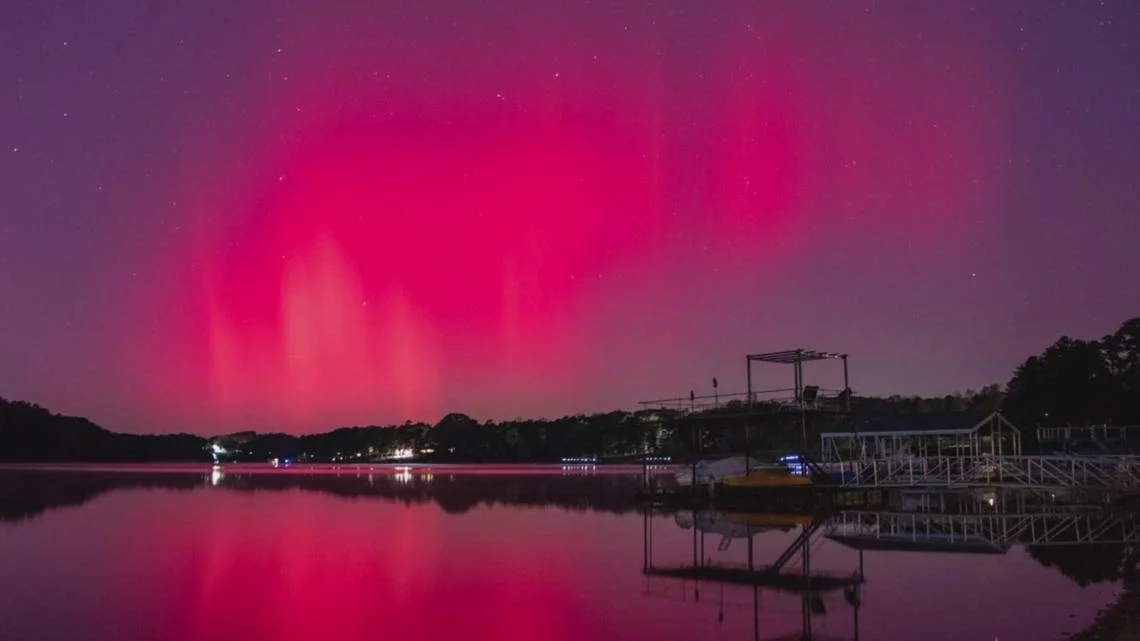
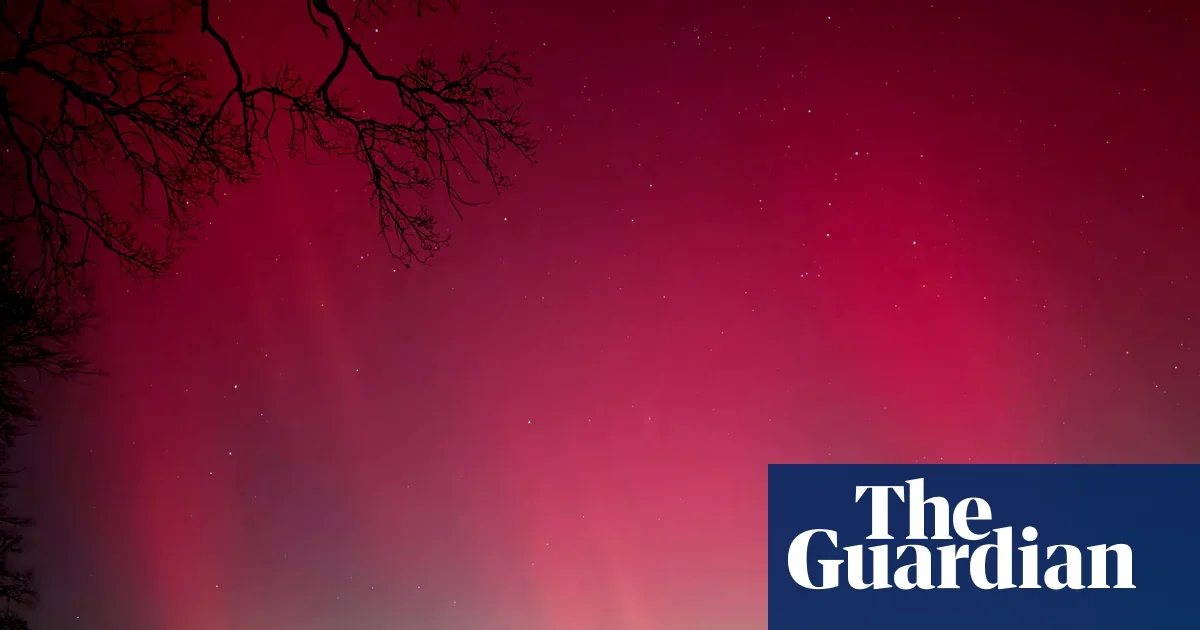
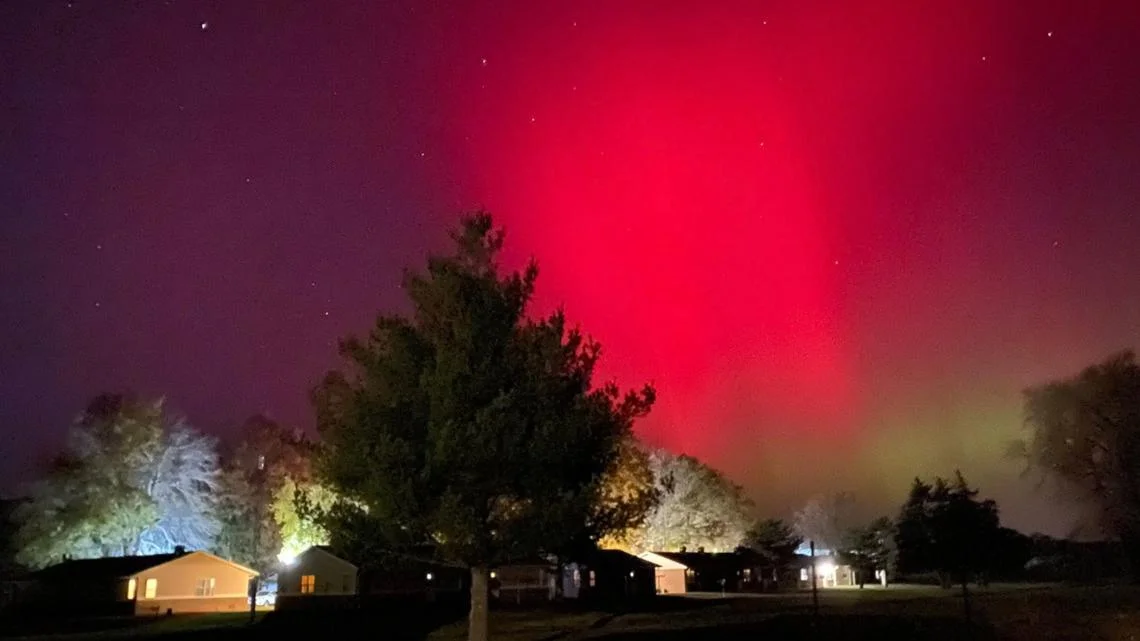
The Northern Lights have been visible across the U.S. and parts of the world due to a G4 geomagnetic storm caused by solar eruptions, creating spectacular displays in the sky, including in England, China, Germany, and various U.S. states, with the storm being one of the strongest in decades.
NOAA has issued geomagnetic storm watches from November 11 to 13 due to coronal mass ejections (CMEs) impacting Earth, with storm levels ranging from minor to moderate, and ongoing analysis to refine forecasts.
A strong G3 geomagnetic storm continues, with a G4 (Severe) storm still expected due to a CME arriving, causing minor disruptions in HF radio and navigation signals.