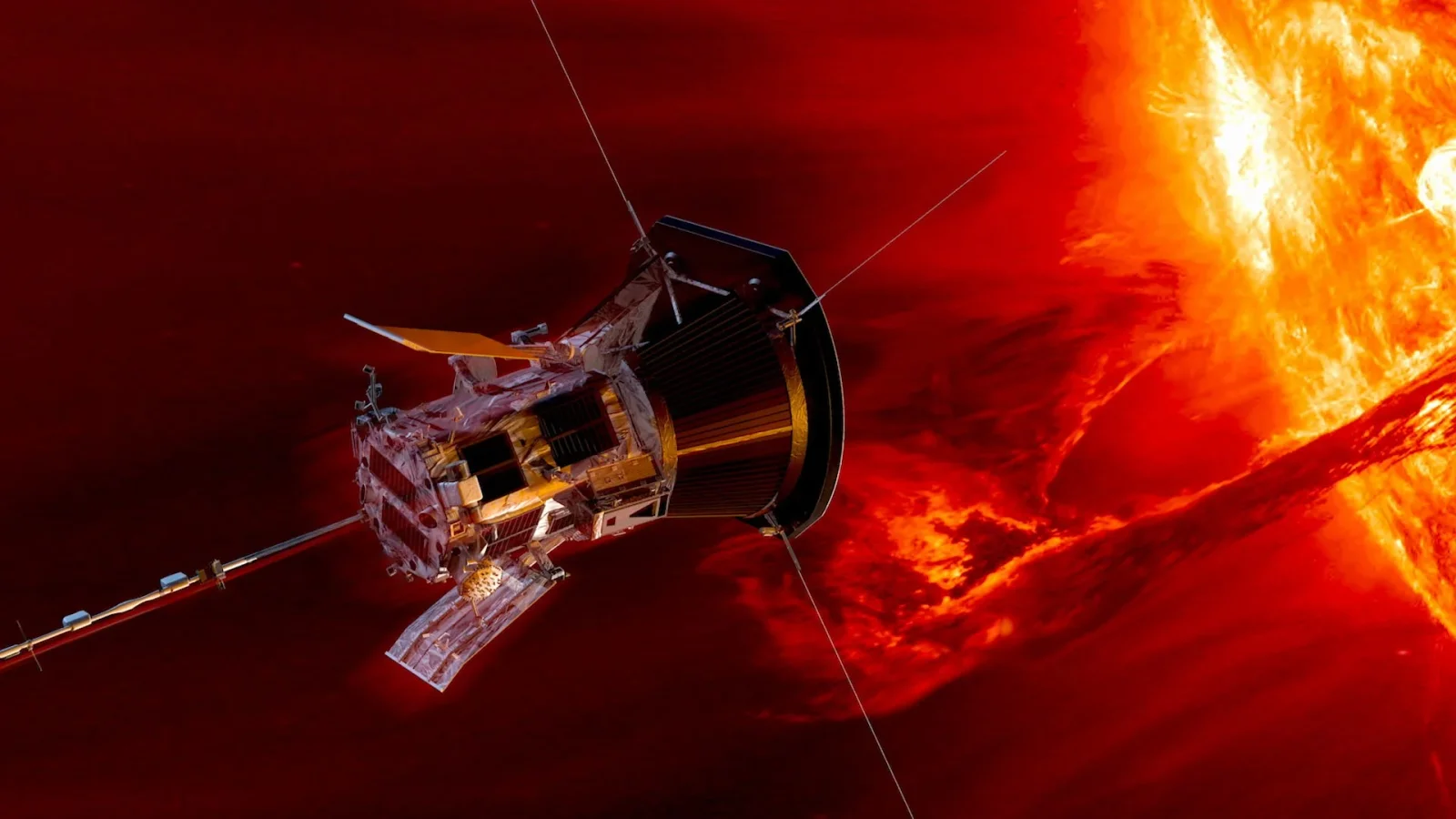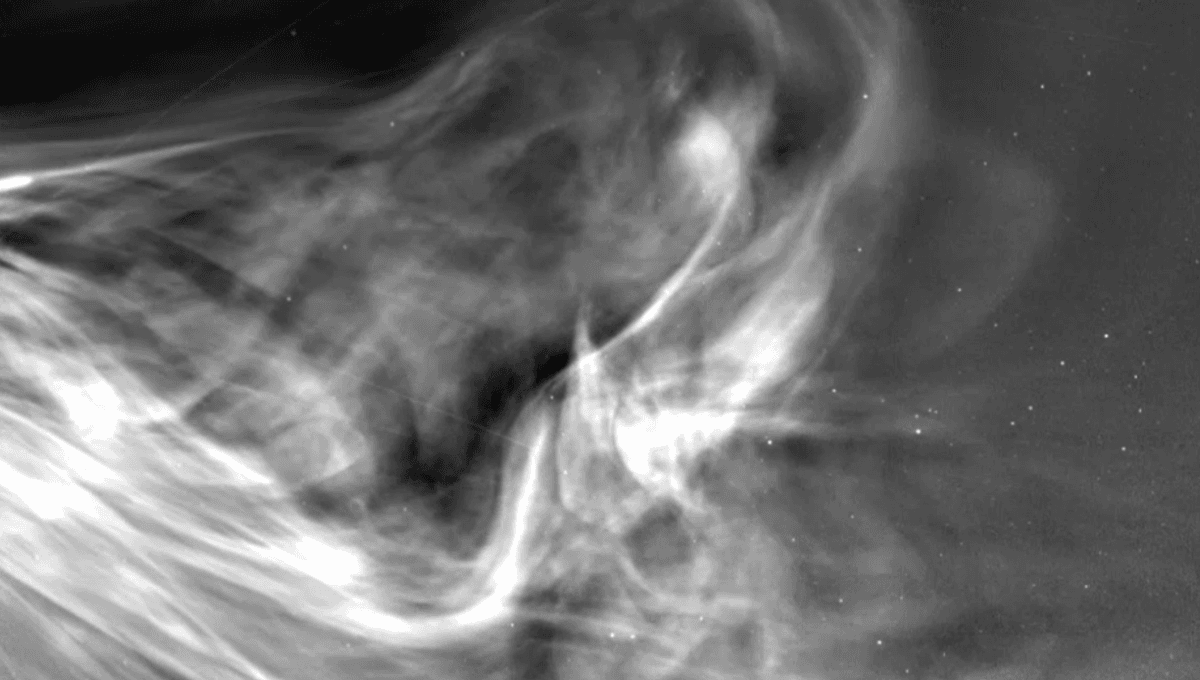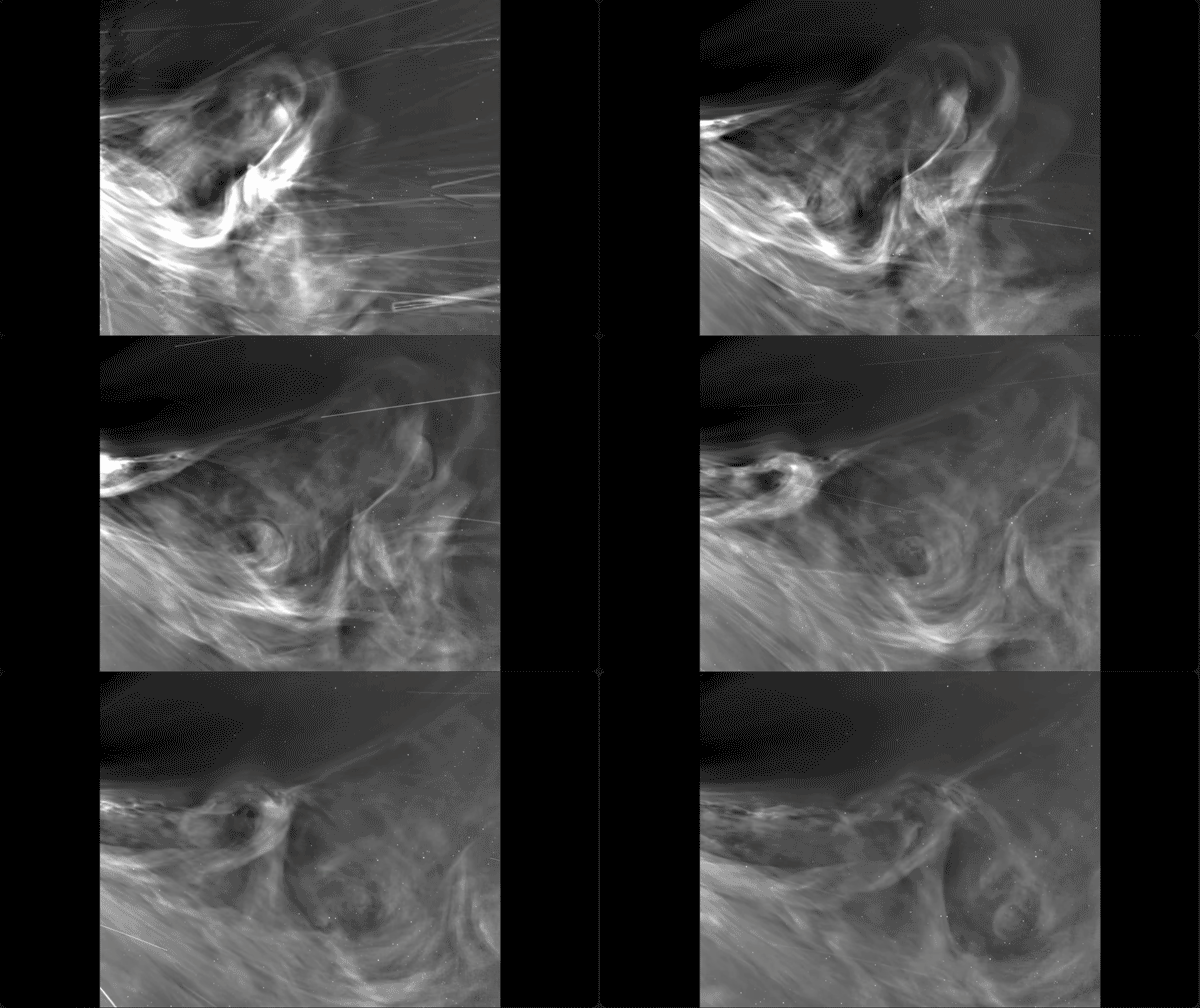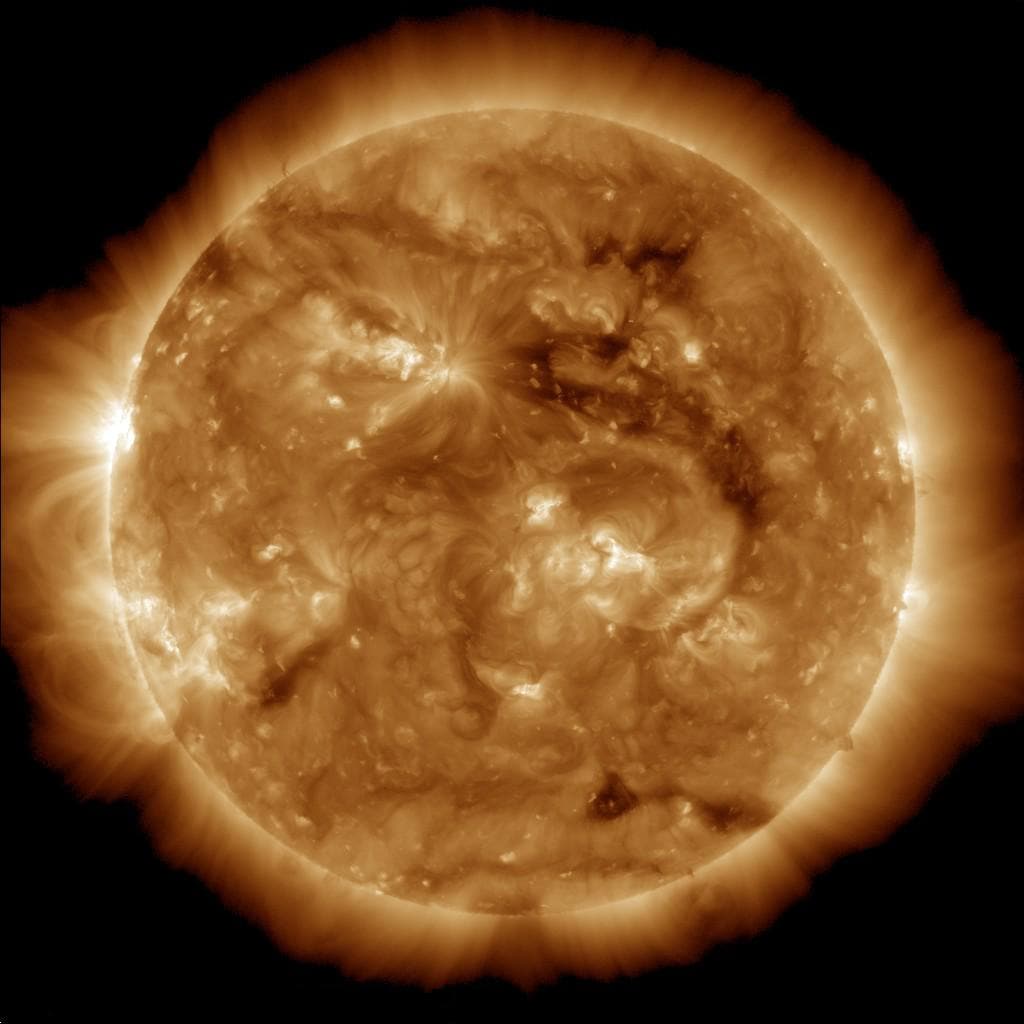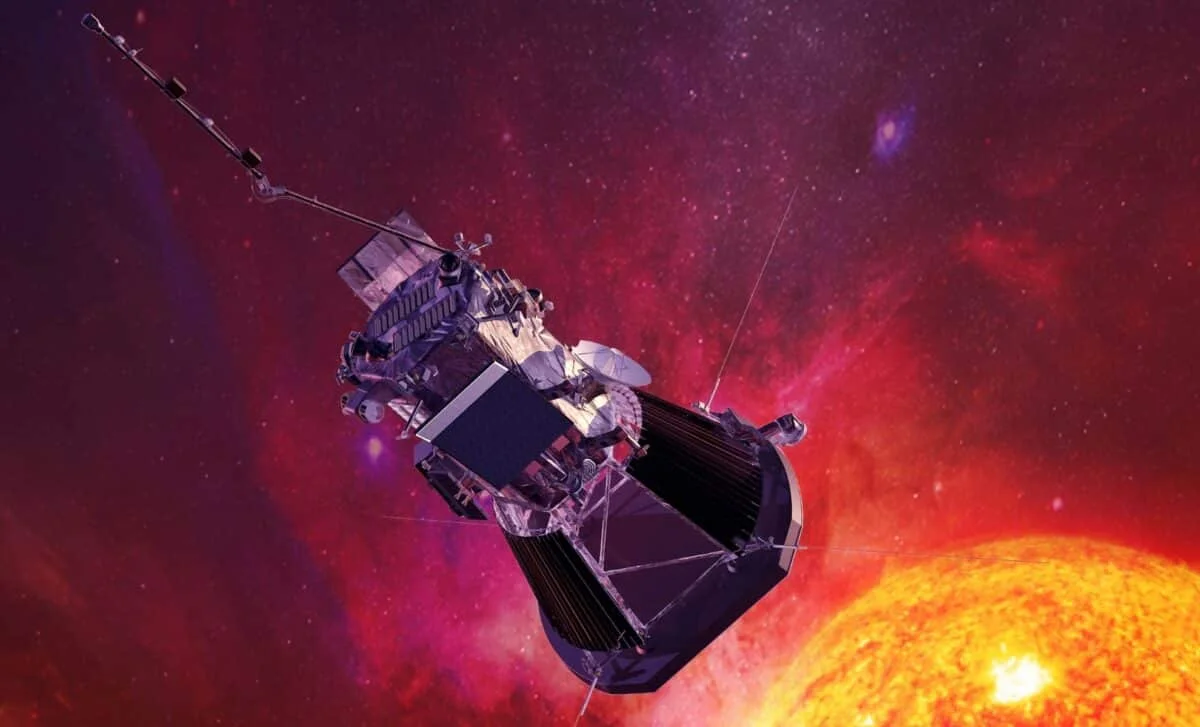
NASA's Parker Solar Probe captured the first-ever visual footage of the Sun's magnetic switchbacks, revealing the dynamic and previously invisible magnetic behavior of the Sun's outer atmosphere, marking a significant breakthrough in solar physics and space science.
NASA's Parker Solar Probe captured unprecedented close-up images of the Sun's magnetic activity during its 22nd flyby, revealing new details about magnetic 'tadpoles', the tearing of the heliospheric current sheet, and the formation of magnetic in/out pairs, advancing our understanding of solar phenomena.
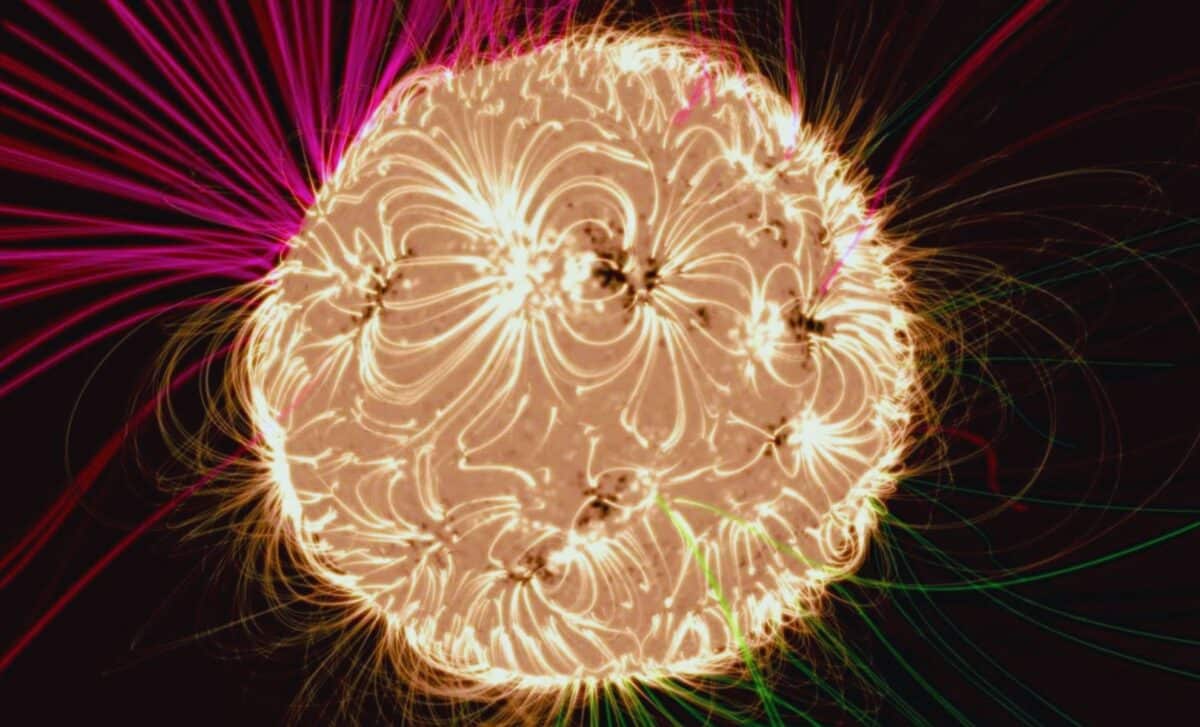
NASA's Parker Solar Probe has created the first detailed 2D maps of the sun's outer atmosphere, revealing how the Alfvén surface, the boundary where solar particles escape as solar wind, changes shape with solar activity, providing insights that could improve space weather prediction and protect Earth's technological systems.
NASA's Parker Solar Probe captured detailed images of solar material doing a 'U-turn' after eruptions, revealing how the sun recycles its magnetic energy and material, which could improve space weather forecasting.
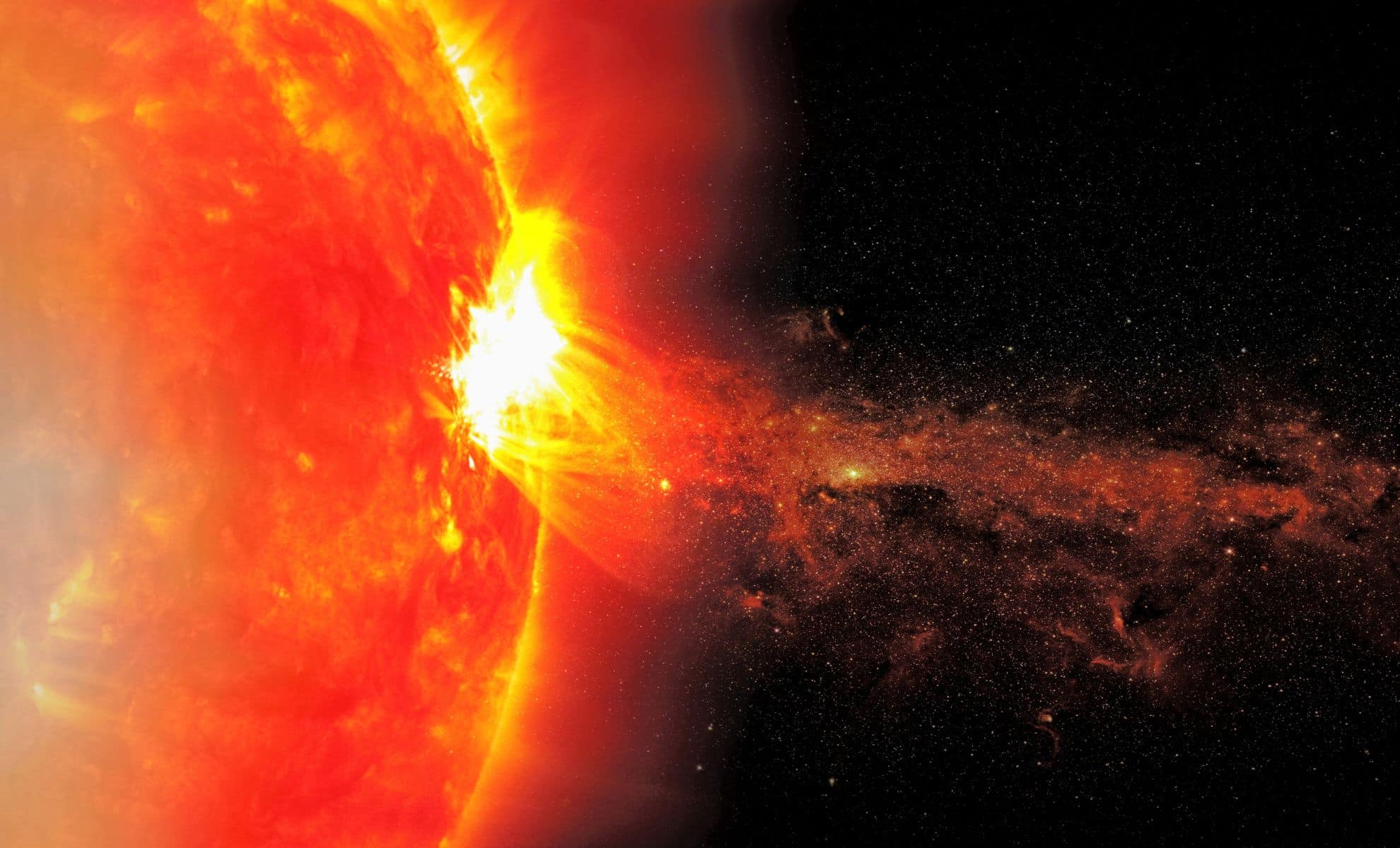
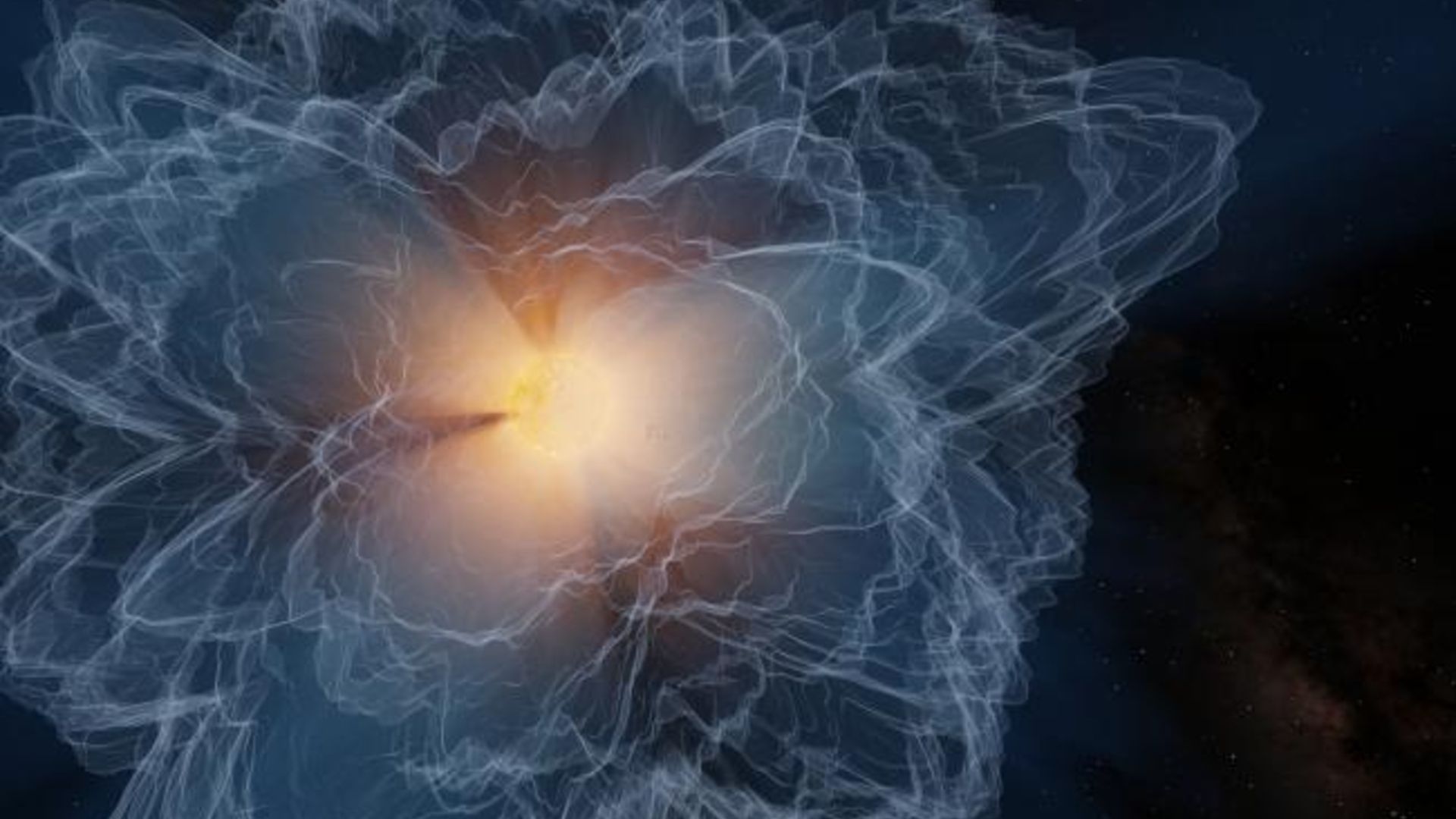
Scientists have created the first detailed maps of the sun's outer atmosphere boundary, called the Alfvén surface, revealing that it becomes larger, rougher, and more jagged during solar maximum, using data from NASA's Parker Solar Probe and other spacecraft, which helps improve understanding of solar wind and space weather prediction.
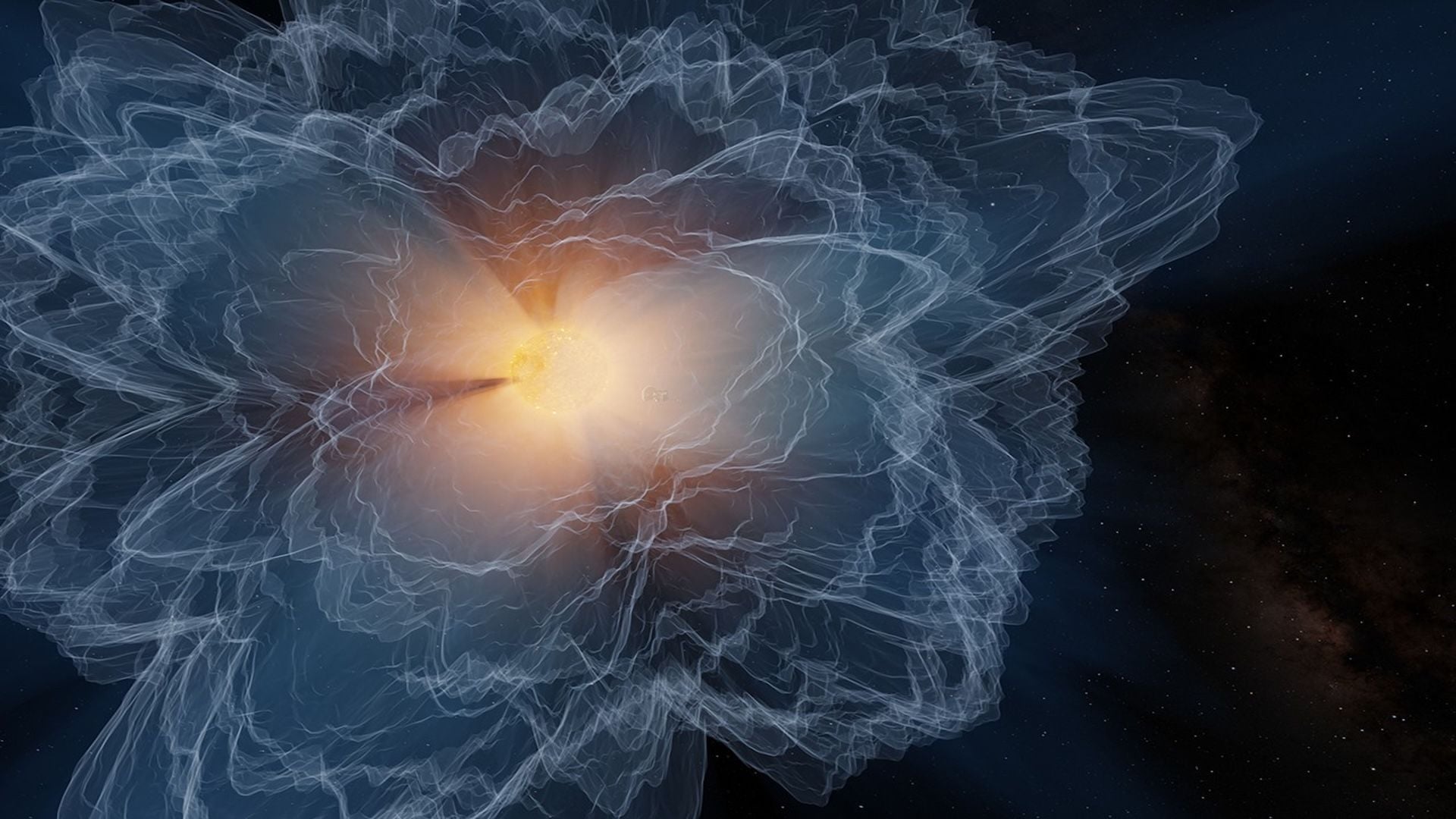
Scientists using NASA's Parker Solar Probe have discovered the helicity barrier, a process that explains why the Sun's outer atmosphere is much hotter than its surface and how the solar wind is accelerated, providing new insights into plasma turbulence and space weather prediction.
Scientists using NASA’s Parker Solar Probe have discovered the helicity barrier, a process that explains how the Sun’s outer atmosphere becomes much hotter than its surface and how the solar wind is accelerated, solving long-standing mysteries about solar plasma behavior and turbulence.
NASA's Parker Solar Probe has confirmed decades-old models of magnetic reconnection in the solar atmosphere, providing new insights into how solar flares and coronal mass ejections occur, which can impact Earth's technology and space weather predictions.
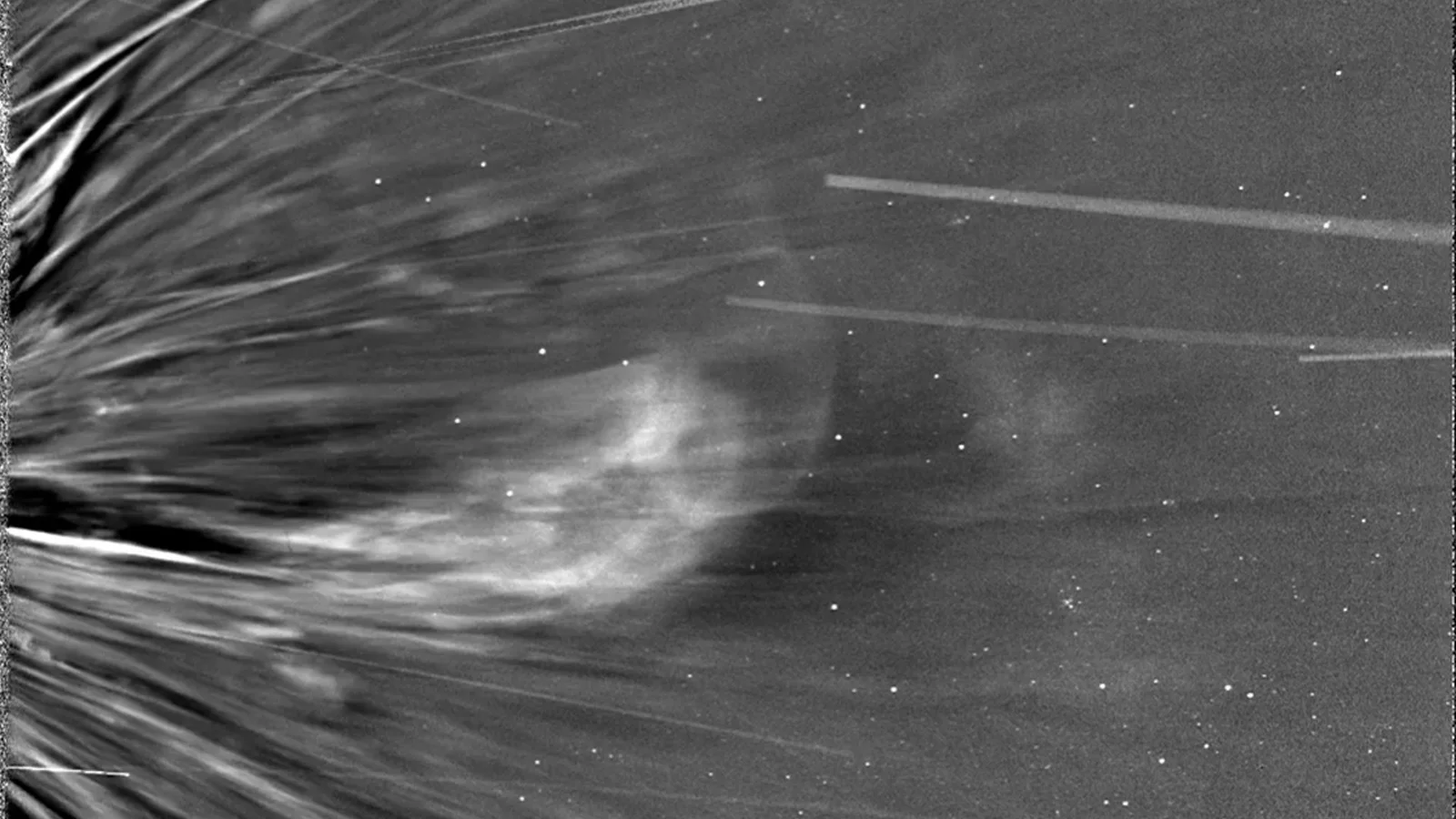
NASA's Parker Solar Probe has provided the closest and most detailed images of the Sun's atmosphere, revealing the origins of solar wind and space weather phenomena, including the behavior of coronal mass ejections and the structure of the solar magnetic field, which are crucial for improving space weather predictions and protecting Earth and space assets.
NASA's Parker Solar Probe recently flew within 6.1 million km of the Sun, capturing images of the solar wind and providing new insights into how the solar wind is generated and escapes the Sun's gravity, helping improve space weather predictions.
NASA's Parker Solar Probe flew through the sun's corona, capturing the closest images and videos of the sun's atmosphere and solar wind, which will help improve understanding of space weather, solar phenomena, and potentially enhance astronaut and satellite safety.
Scientists have released the closest and most detailed images of solar eruptions captured by NASA’s Parker Solar Probe, providing new insights into how superhot particles travel through space and aiding in better forecasting of solar storms impacting Earth.
NASA's Parker Solar Probe has directly observed the 'helicity barrier' in the Sun's corona, confirming a long-theorized phenomenon that influences how turbulence heats the solar atmosphere and accelerates the solar wind, providing new insights into solar physics and broader astrophysical processes.
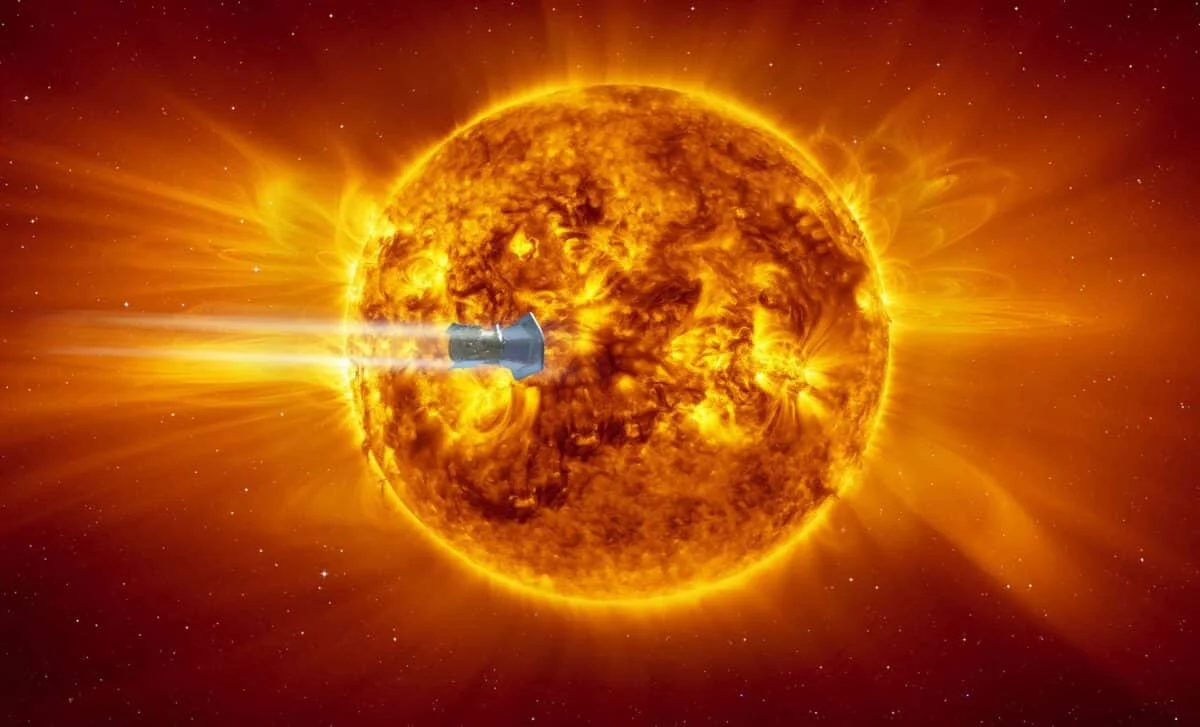
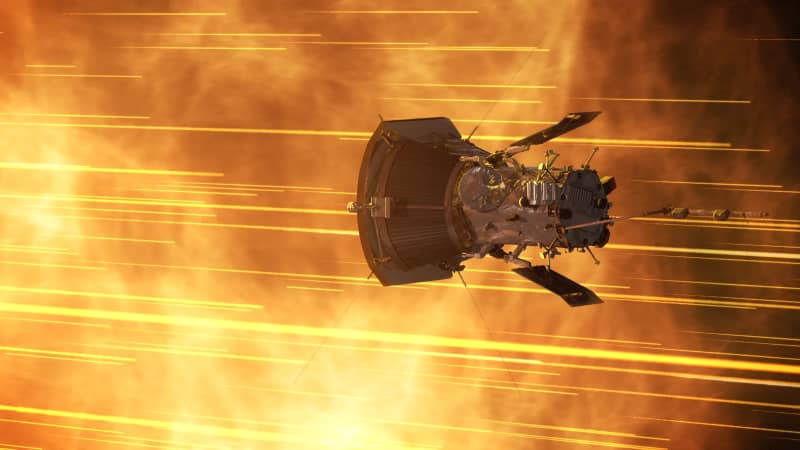
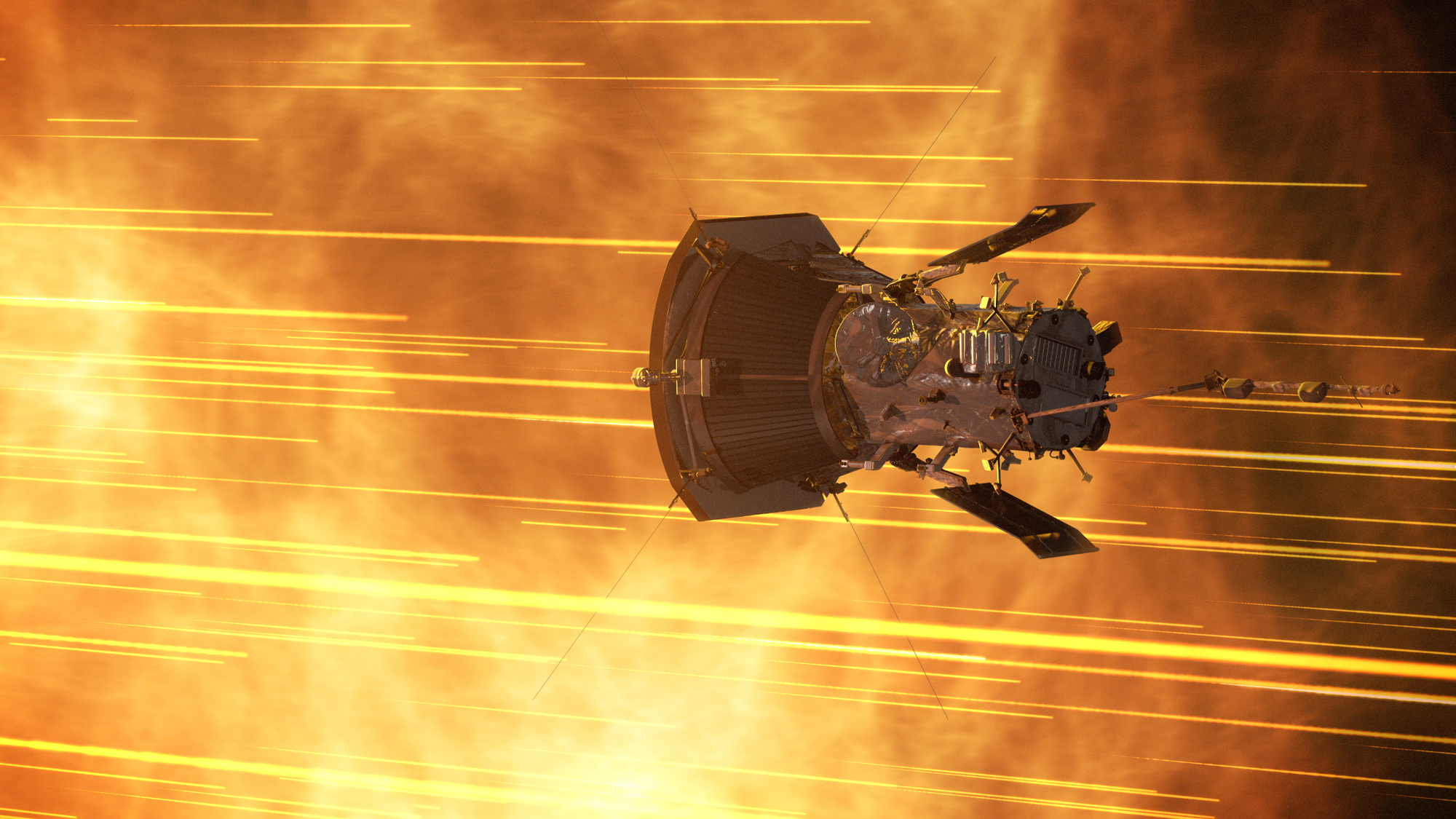
NASA's Parker Solar Probe made history by flying closer to the sun than any spacecraft before, capturing the closest-ever images of the sun's corona and solar winds, which will help improve understanding of space weather and solar phenomena.
NASA's Parker Solar Probe has captured the closest images ever of the Sun, providing new insights into the solar corona, solar wind, and phenomena like switchbacks and coronal mass ejections, which are crucial for understanding space weather and protecting Earth and space technology.