Tag

Lunar Regolith

All articles tagged with #lunar regolith

science9 hours ago

Earth’s Air Reaches the Moon Again, Hinting at Lunar Habitats

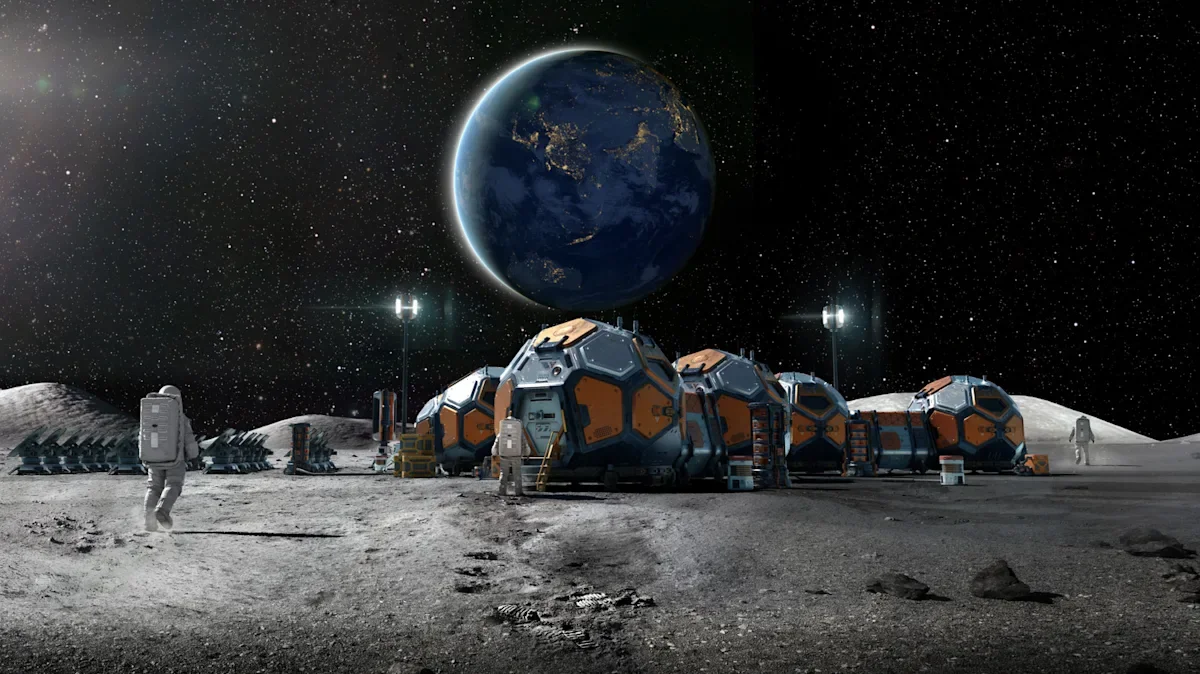
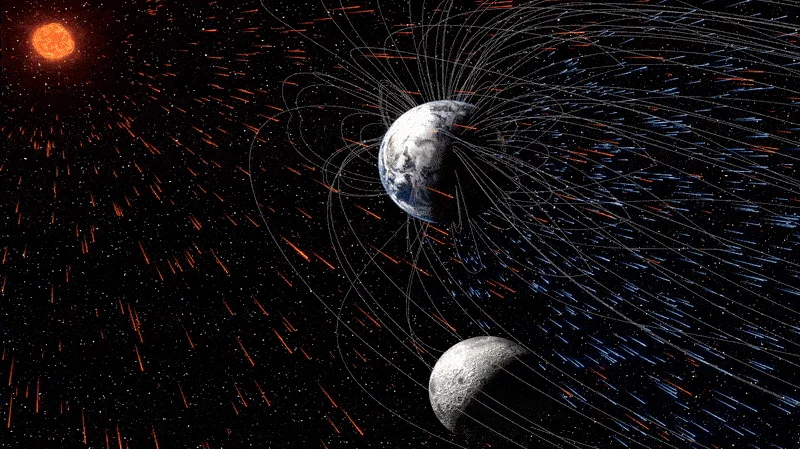
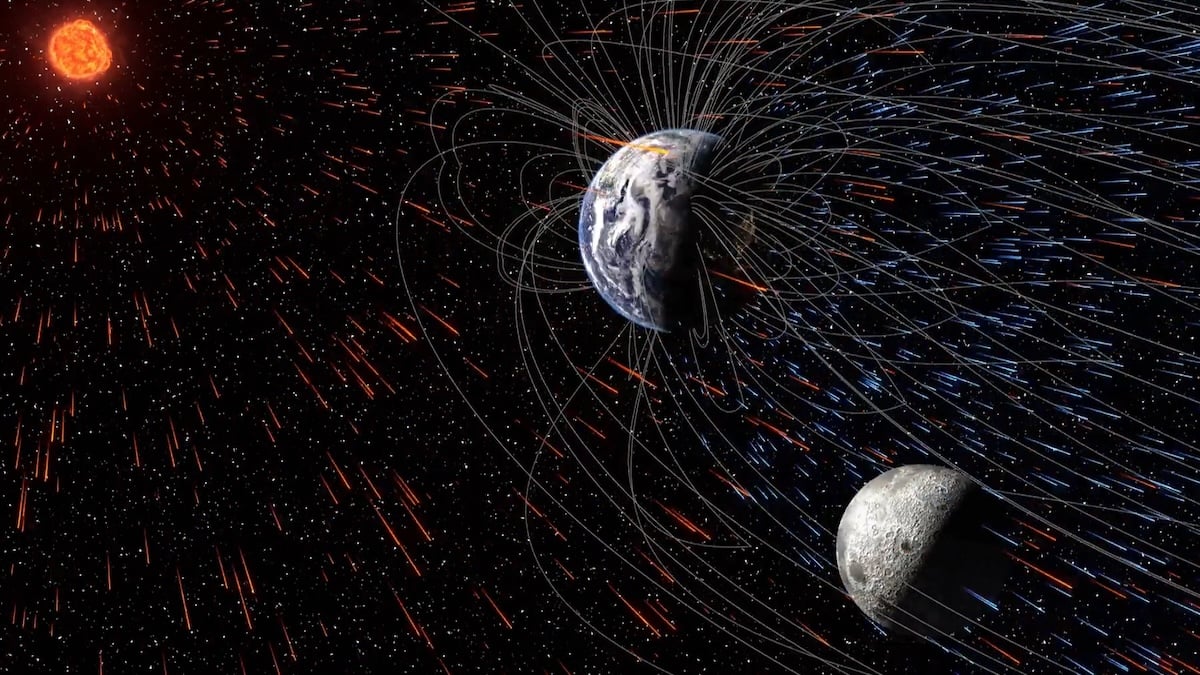
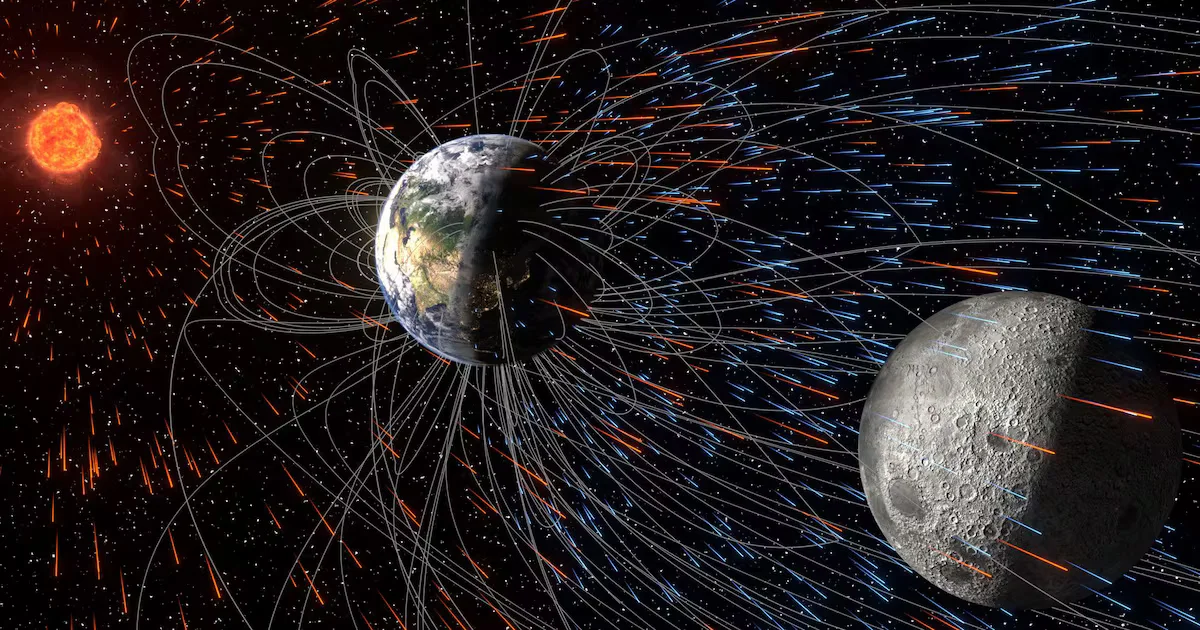
A University of Rochester study published in December 2025 found that solar winds continue to ferry particles from Earth’s atmosphere to the Moon, where they accumulate in the lunar regolith. This could make the Moon a time capsule of Earth's atmospheric history and, importantly, provide the building blocks for breathable air for future lunar settlements—though challenges like radiation and resource extraction remain before colonization is feasible.

science-and-technology1 year ago

Revolutionary Moon Tech Paves Way for Mars Colonization

A lunar mass driver, a concept gaining traction, could revolutionize space exploration by using the Moon's low gravity to launch materials into orbit, bypassing Earth's costly gravity constraints. This technology, leveraging lunar regolith and electromagnetic acceleration, promises efficient, low-cost launches for interplanetary missions. However, challenges such as the Moon's harsh environment and the need for international collaboration must be overcome to make this vision a reality.

space-exploration1 year ago

"Constructing Moon Homes: Innovations with Lunar Regolith"

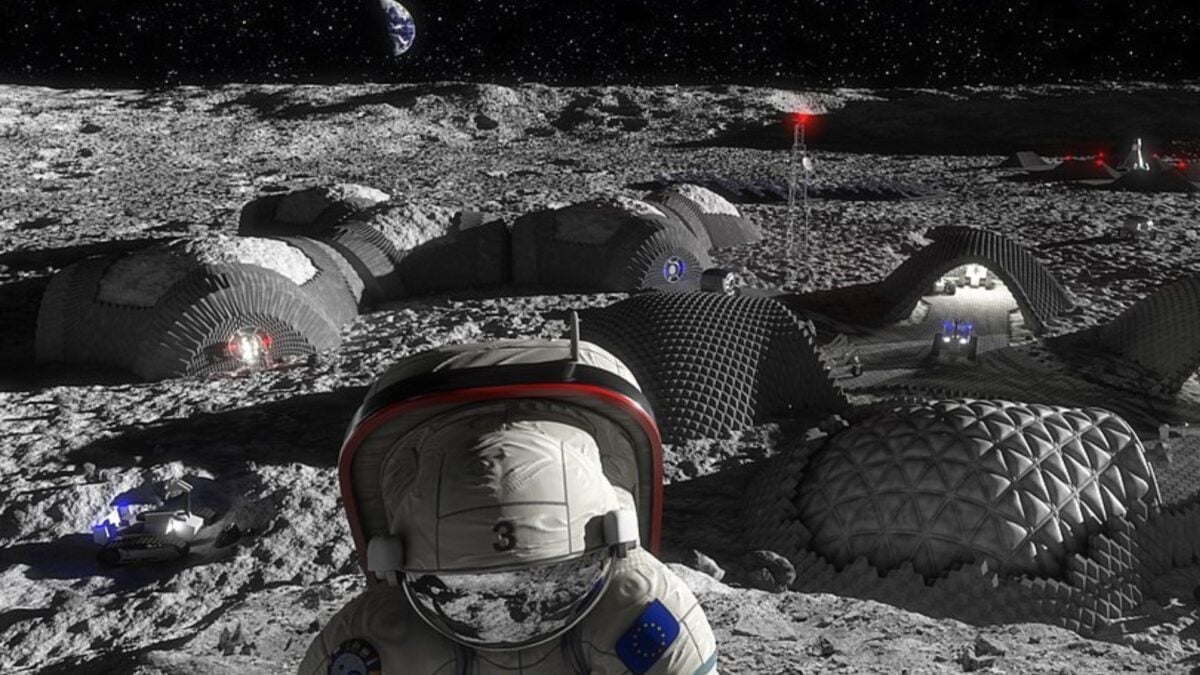
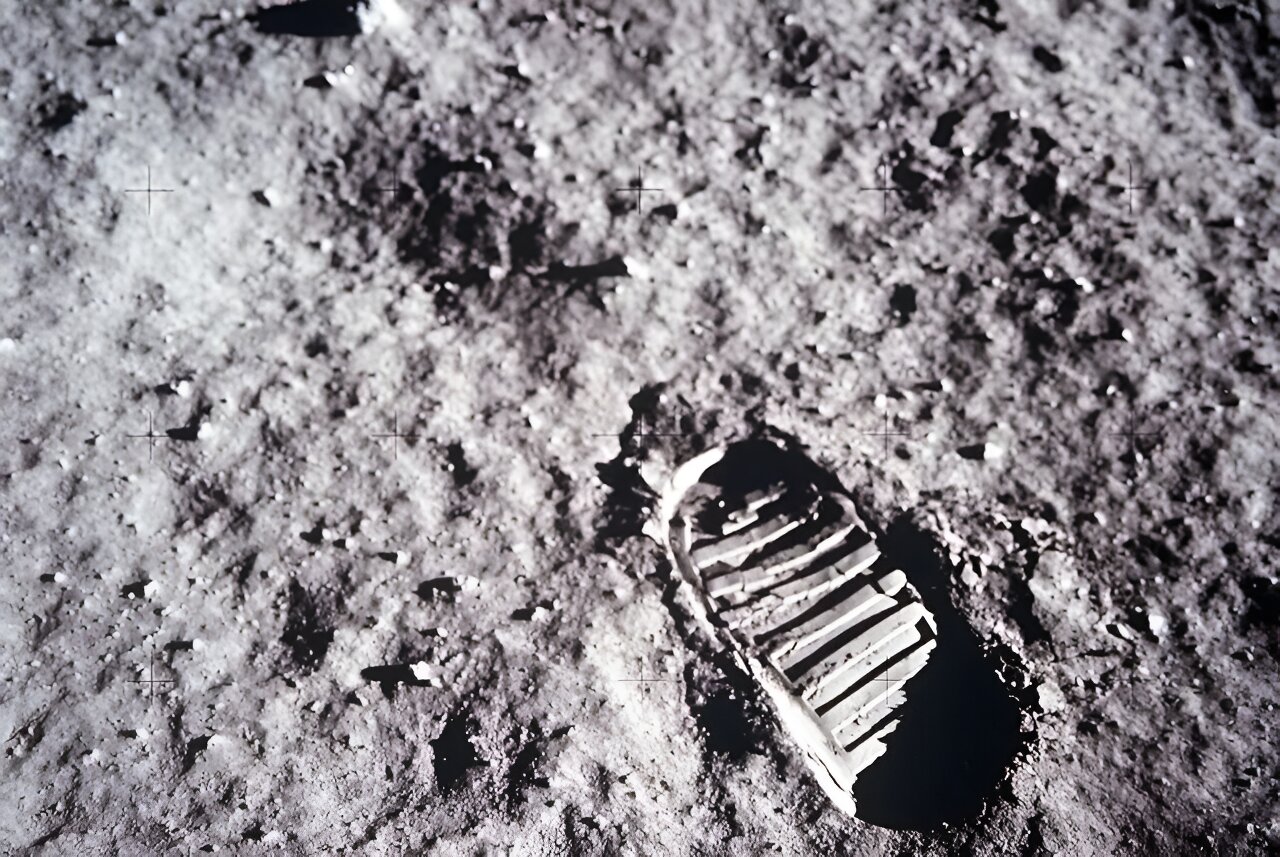
Researchers are exploring the potential of lunar regolith, the fine material covering the moon's surface, for building roads, landing pads, and shelters on the moon. Challenges in setting up permanent bases on the moon include transporting materials from Earth, but efforts are underway to utilize resources found on the moon for construction. NASA and ICON Technology are investigating lunar building technologies, including 3D printing using raw lunar material, to establish suitable permanent landing areas and minimize disturbance caused by the fine regolith.

space-science1 year ago

"Chang’e-5 Sample Analysis Unveils Moon’s Hidden History and Anomalous Crater Connection"

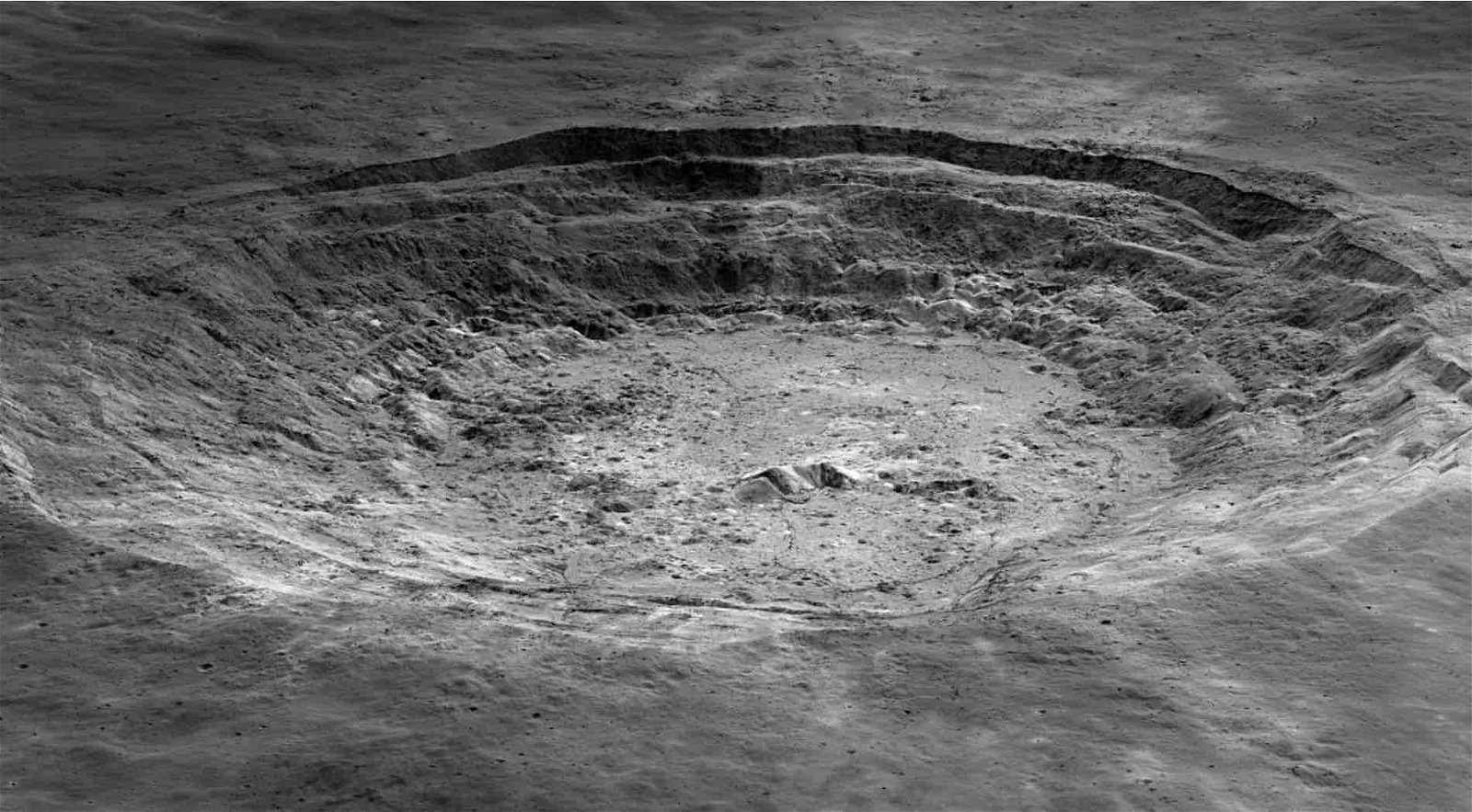
China's Chang'e-5 mission collected lunar regolith samples from the Oceanus Procellarum, revealing a new mineral and unique silica variants. Analysis of the samples suggests they were formed under high-pressure conditions during impact events, providing insights into the Moon's hidden history. The study also identified ejecta from distant impact sites, including the Aristarchus crater, known for anomalous flashes of light. The findings offer unprecedented insights into the Moon's composition and history.

spacescience1 year ago

"NASA's Groundbreaking Experiment Reveals Secrets of Charged Moon Dust"

NASA conducted a suborbital flight test to study the effects of lunar regolith, or Moon dust, on astronauts and equipment in preparation for the Artemis campaign. The Electrostatic Regolith Interaction Experiment (ERIE) collected data on tribocharging in microgravity to understand how abrasive dust grains interact with astronauts, spacesuits, and equipment on the Moon. The experiment aims to develop technologies to prevent dust from damaging astronaut suits and electronics during lunar missions, with potential applications for future lunar surface missions.

science-and-technology1 year ago

"Stressed Chickpeas Reach Maturity in Lunar Regolith, Study Finds"

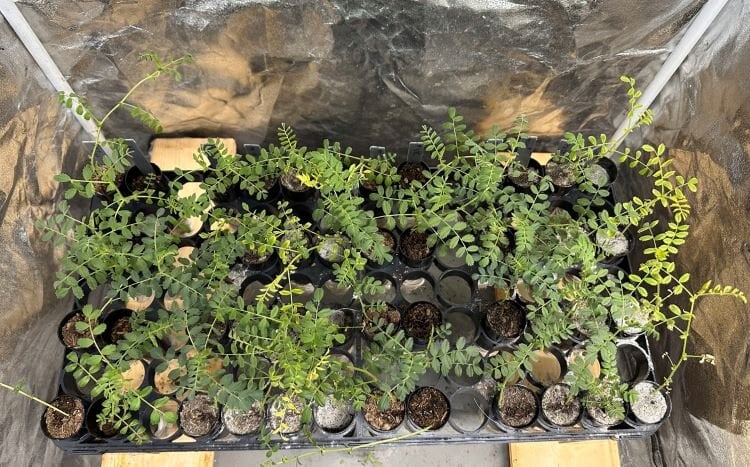
Researchers from Texas A&M University and Brown University have successfully grown chickpeas in lunar regolith simulants (LRS) using soil regeneration techniques common on Earth, marking a significant step towards developing efficient methods for growing food in extraterrestrial environments. Despite signs of chlorophyll deficiency, the study achieved the first documented chickpea yield in an LRS mixture, demonstrating the potential for in situ resource utilization (ISRU) to reduce the need for constant resupply of food or soil from Earth on future space missions.

science-and-technology2 years ago

The Long-Term Effects of Radiation on Lunar Glass

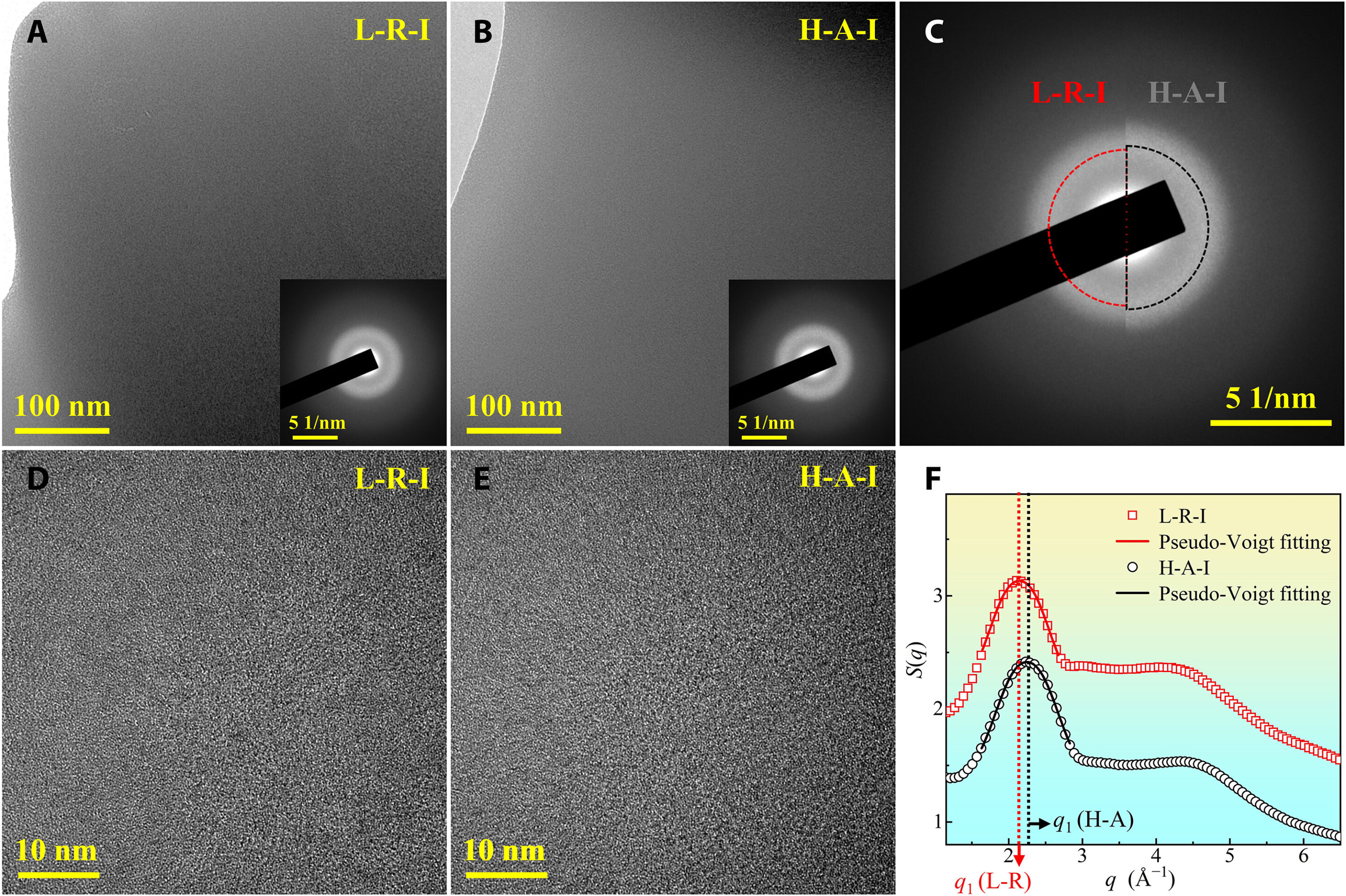
Researchers have found that billions of years of exposure to radiation has made glass on the moon harder. By studying glass samples brought back by China's Chang'e-5 lunar lander, the team observed major changes in the glass's Young's modulus, with changes of up to 70%. The radiation bombardment also made the glass harder. This research provides insights into the aging effects of lunar glasses and the impact of cosmic rays and solar radiation on the moon's surface.

space2 years ago

"NASA's Lunar Oxygen Extraction Challenge and Moon Base Possibilities"

NASA has issued a request for information (RFI) seeking ideas on how to extract oxygen from Moon rocks as part of its efforts to develop infrastructure technologies for a sustained presence on the lunar surface. The Lunar Infrastructure Foundational Technologies (LIFT-1) demonstration aims to develop a scalable method for processing lunar regolith to produce oxygen and other resources necessary for human habitation. The focus is on the regolith at potential landing sites around the Moon's South Pole, which are believed to contain usable materials. NASA anticipates commercial operations producing tens to thousands of metric tons of oxygen and other commodities. Interested parties have until December 18 to submit their responses.

spaceflight2 years ago

"Unraveling Lunar Mysteries: Chandrayaan-3's Ejecta Halo Reveals Moon's Secrets"

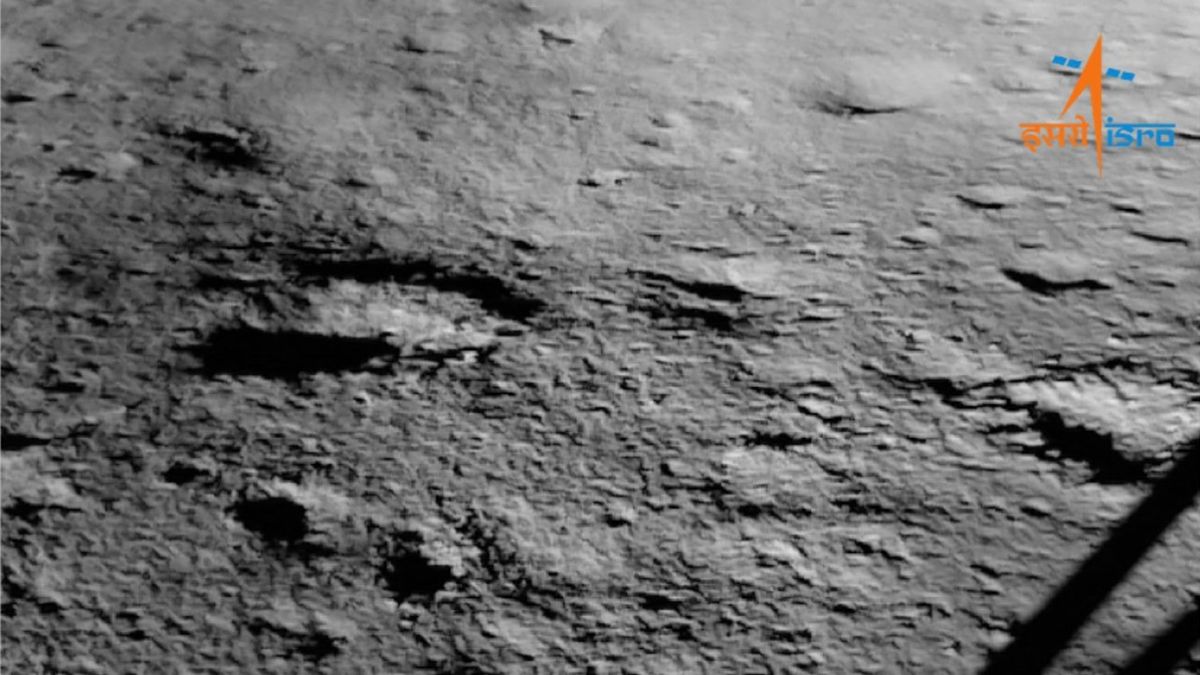
India's Chandrayaan-3 mission successfully landed on the moon's surface, leaving behind a visible "ejecta halo" of moon dust. Photos taken by the Chandrayaan-2 orbiter captured the ring-shaped plume of lunar regolith displaced by Chandrayaan-3's thrusters during touchdown. Scientists estimate that around 2.06 metric tons of moon dust were scattered across an area of 1,167 square feet. Chandrayaan-2, which failed to land in 2019, witnessed Chandrayaan-3's successful landing. Only three other countries - the United States, the Soviet Union, and China - have achieved soft landings on the moon.

space2 years ago

China to 3D Print Bricks from Lunar Soil for Moon Plans.

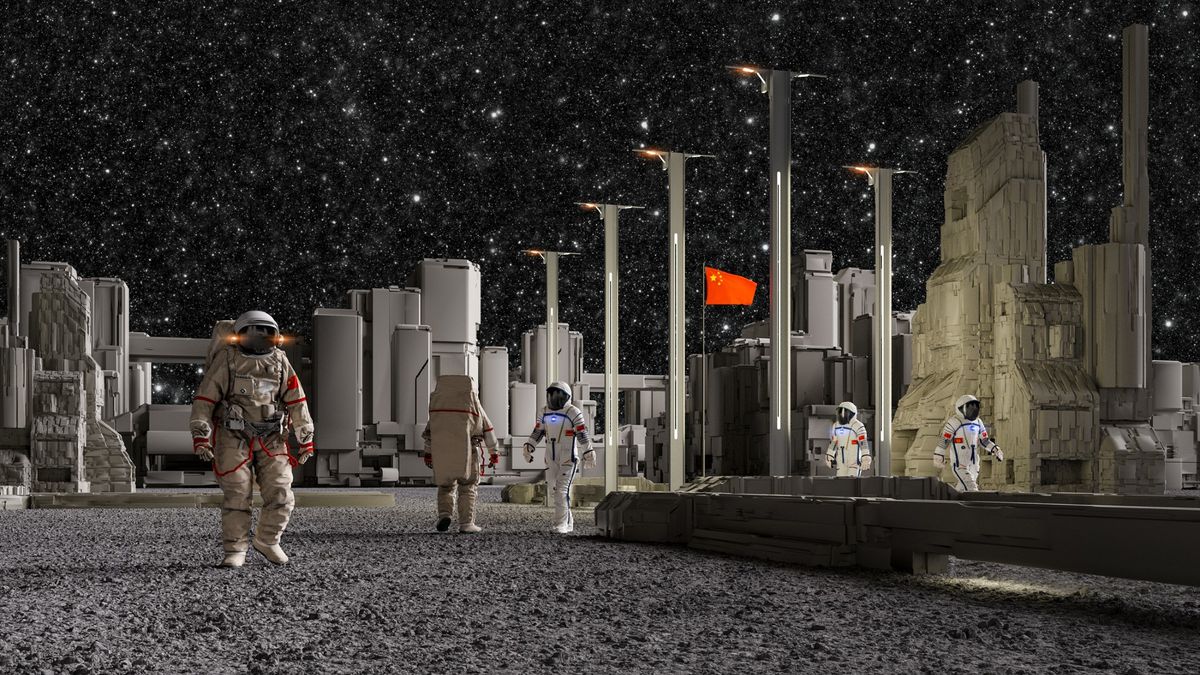
China plans to test 3D printing bricks from lunar regolith on its Chang'e 8 mission, scheduled to land on the moon around 2028, as a step towards constructing a permanent base on the moon. Scientists are looking at using materials from the lunar surface to build the International Lunar Research Station (ILRS) China plans to construct in the 2030s. The techniques could reduce the cost of exploration by producing or replacing items in space rather than launching them from Earth.