Tag

Corona

All articles tagged with #corona

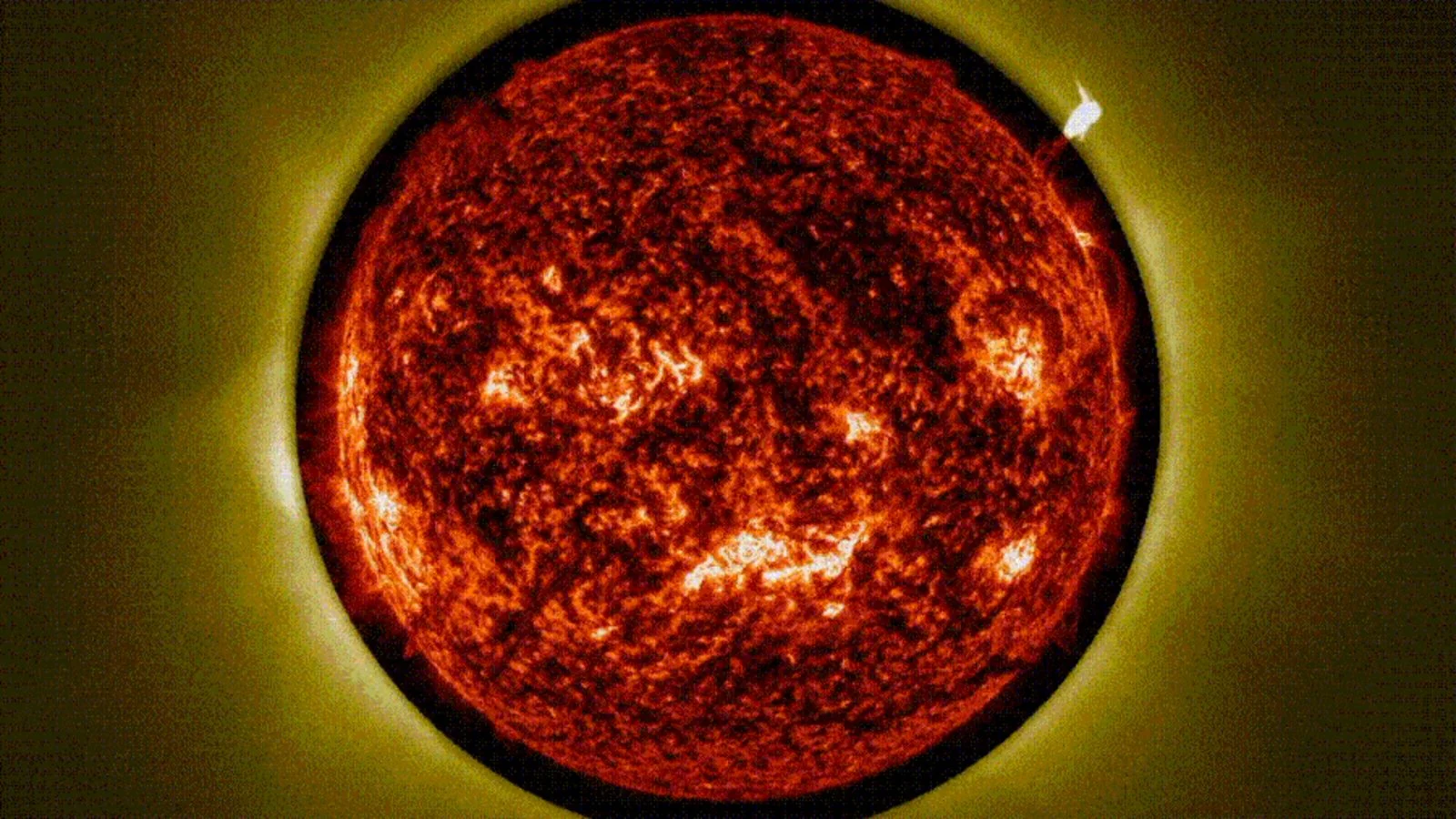
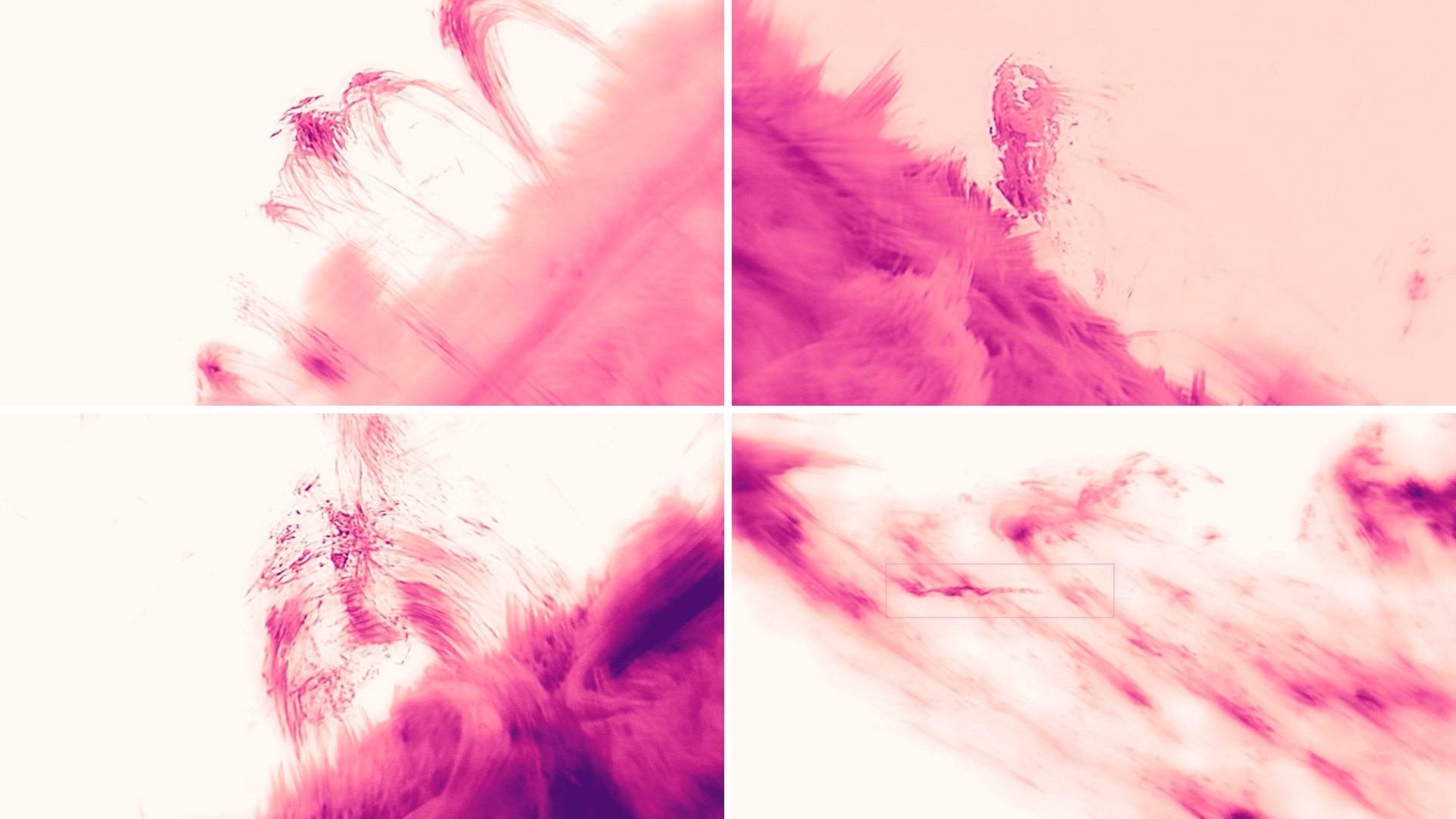
Three solar prominences erupt in rare artificial-eclipse footage from ESA's Proba-3
space1 month ago

Three solar prominences erupt in rare artificial-eclipse footage from ESA's Proba-3

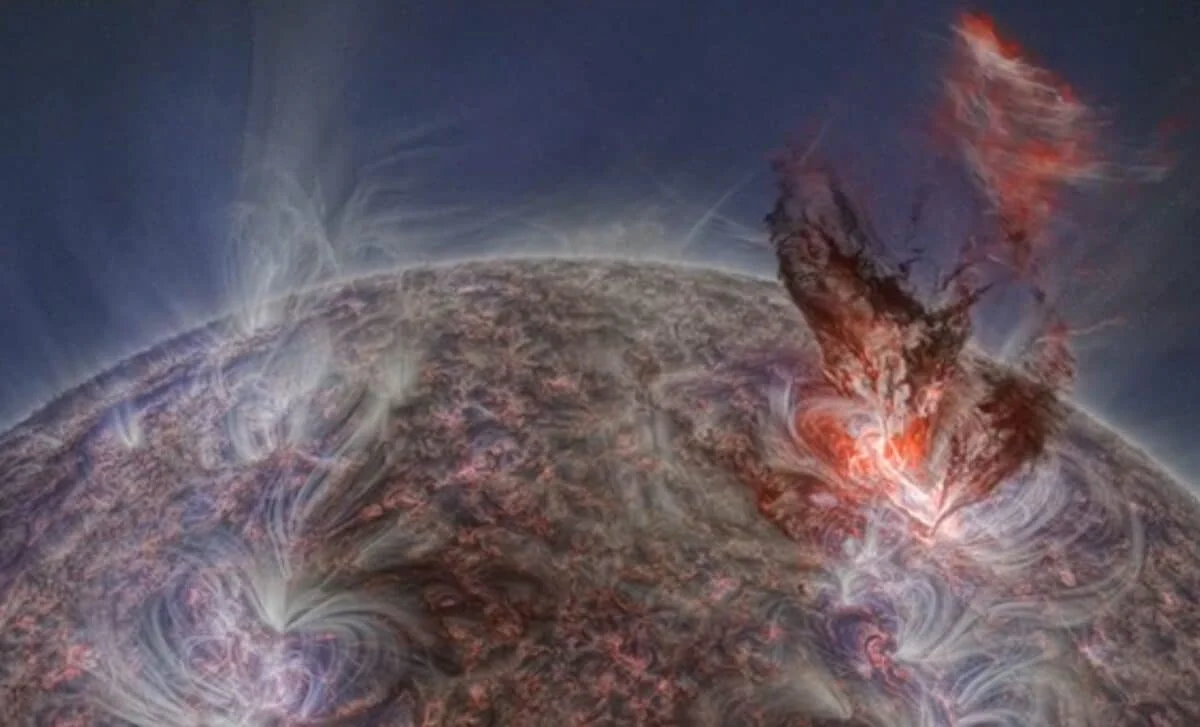
ESA's Proba-3 mission captured a five-hour artificial eclipse, producing a time-lapse of three solar prominences erupting from the Sun's corona. By aligning the coronagraph with an occulter, scientists can study the sun’s faint outer atmosphere in unprecedented detail, combining Proba-3 data with NASA's Solar Dynamics Observatory imagery. The prominences appear to erupt without the bright flares typical of solar explosions and are cooler than the million-degree corona, offering clues to why the corona is so hot and how these plasma eruptions contribute to solar activity.

Constellation Brands Faces Market Challenges Amid Changing Consumer Trends
business7 months ago

Constellation Brands Faces Market Challenges Amid Changing Consumer Trends

Constellation Brands, owner of Corona and Modelo, reports a 2% decline in beer sales and a 28% drop in wine and spirits, citing economic concerns, inflation, and changing consumer attitudes towards alcohol as key factors. The company is adjusting pricing strategies to address these challenges amid broader shifts in American drinking habits and health awareness.

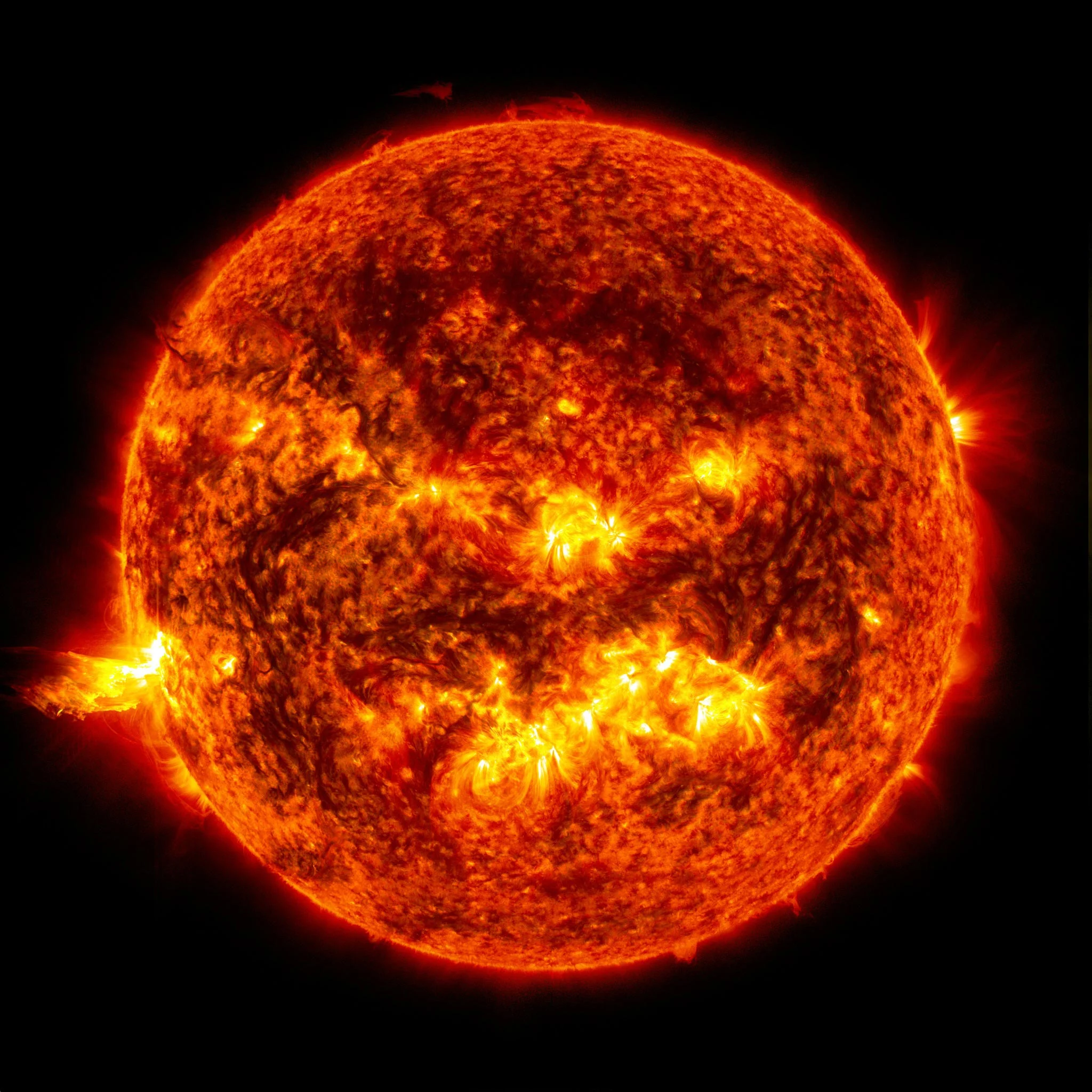
ESA's Proba-3 Mission Captures First Artificial Solar Eclipse Images
science8 months ago

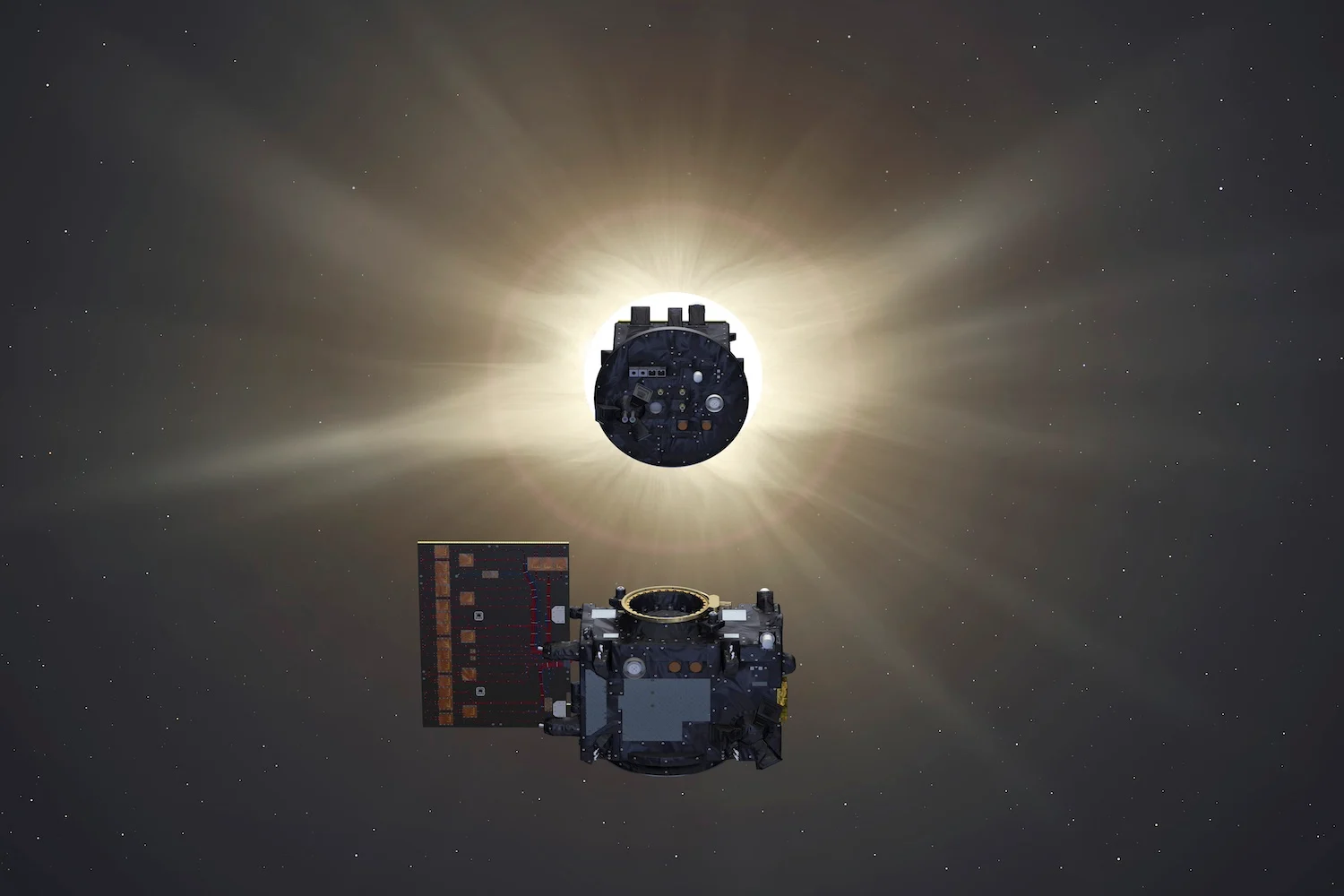
ESA's Proba-3 Mission Captures First Artificial Solar Eclipse Images

ESA's Proba-3 mission has captured the first images of an artificial solar eclipse using two satellites in precise formation, allowing detailed observation of the sun's corona and phenomena like prominences, which are crucial for understanding space weather and solar physics. This technology enables continuous observation of the corona without waiting for natural eclipses, marking a significant advancement in solar research.

Satellites to Simulate Solar Eclipses for Scientific Study
science-and-technology1 year ago

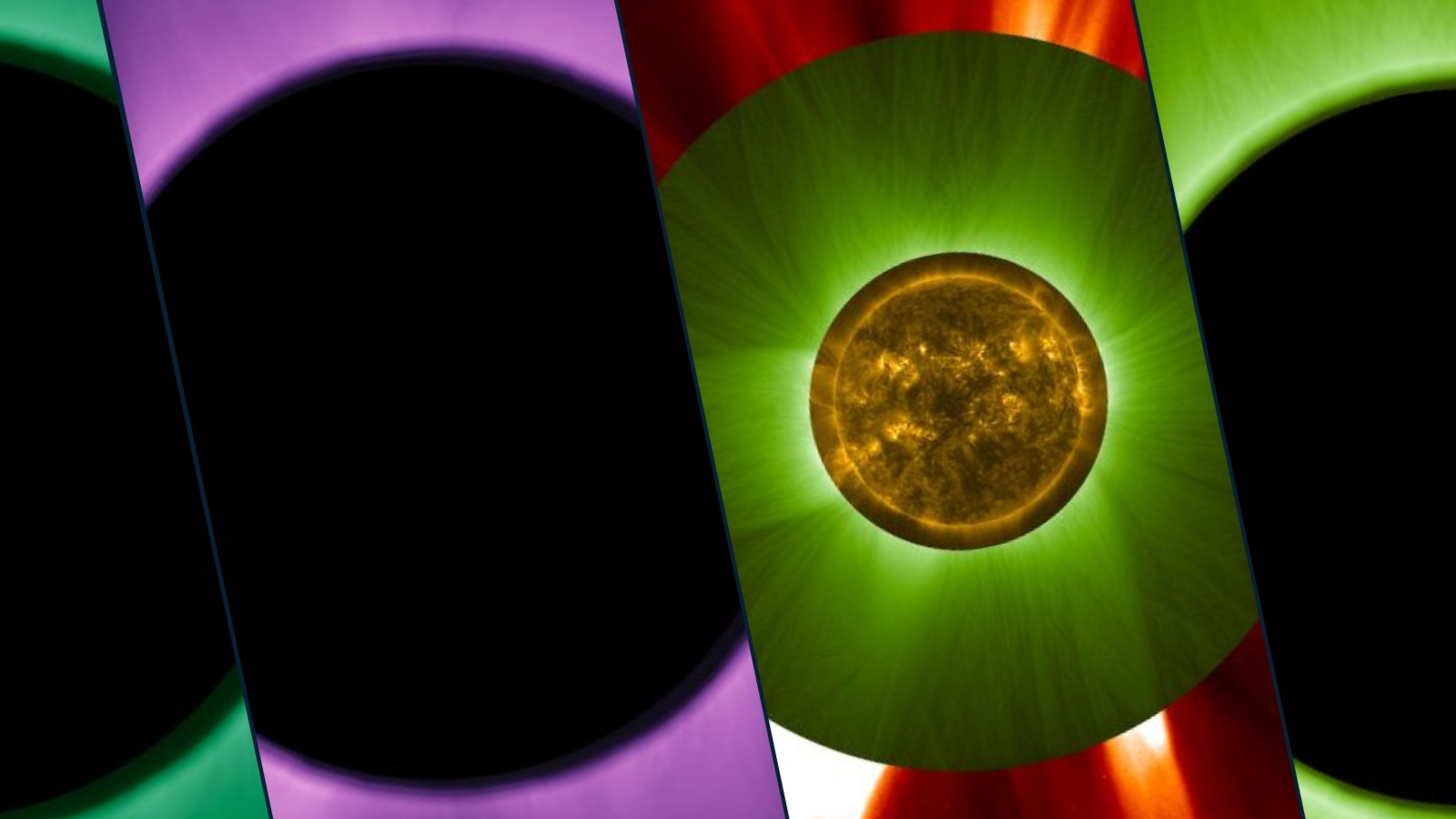
Satellites to Simulate Solar Eclipses for Scientific Study

The European Space Agency has launched the Proba-3 mission, consisting of two spacecraft designed to create an artificial solar eclipse to study the sun's corona. This mission aims to demonstrate precise formation flying technology and investigate why the corona is significantly hotter than the sun's surface. By blocking the sun's light with millimeter-level accuracy, researchers can observe the corona for extended periods, improving our understanding of space weather and its impact on Earth.

ESA's Proba-3 Satellites to Simulate Solar Eclipses for Sun Study
science-and-technology1 year ago

ESA's Proba-3 Satellites to Simulate Solar Eclipses for Sun Study

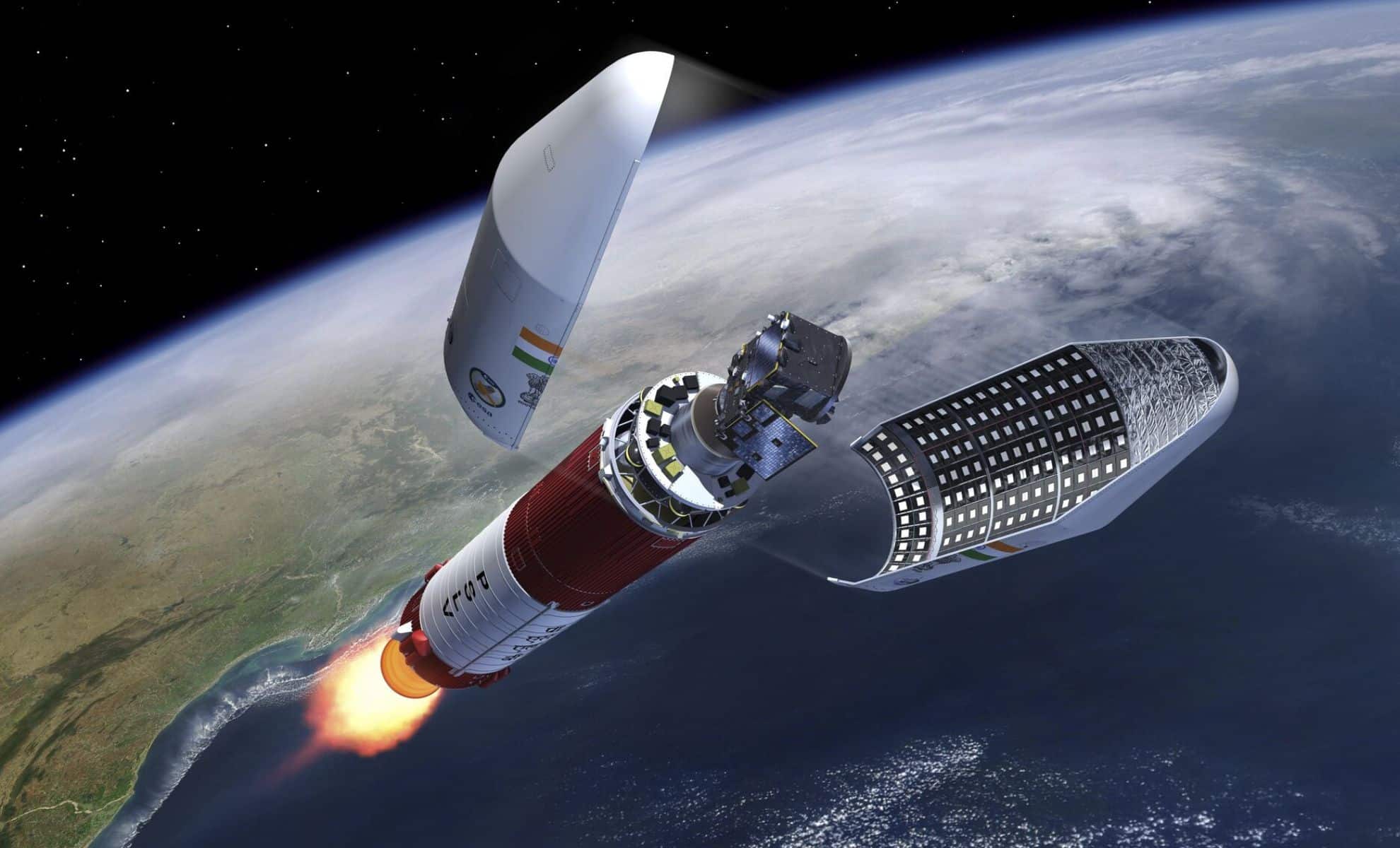
The European Space Agency's Proba-3 mission, launched on December 5, 2024, aims to create artificial solar eclipses using two satellites to study the Sun's corona. By blocking the Sun's light, the mission will allow extended observation of the corona, providing insights into phenomena like Coronal Mass Ejections and solar wind acceleration. This mission also demonstrates advanced autonomous spacecraft operations, potentially transforming future space exploration by using multiple small satellites for complex objectives.

Proba-3 Mission to Create Artificial Solar Eclipses for Sun Study
science-and-technology1 year ago

Proba-3 Mission to Create Artificial Solar Eclipses for Sun Study

The European Space Agency's Proba-3 mission, set to launch from India, will use two satellites to create artificial solar eclipses, allowing scientists to study the Sun's corona more frequently. The mission involves precise formation flying, with the satellites maintaining a 150-meter distance with millimeter accuracy. This low-cost mission aims to solve mysteries about the Sun's corona, which is significantly hotter than its surface and influences space weather. Proba-3 is part of ESA's series of technology demonstration missions.

science1 year ago

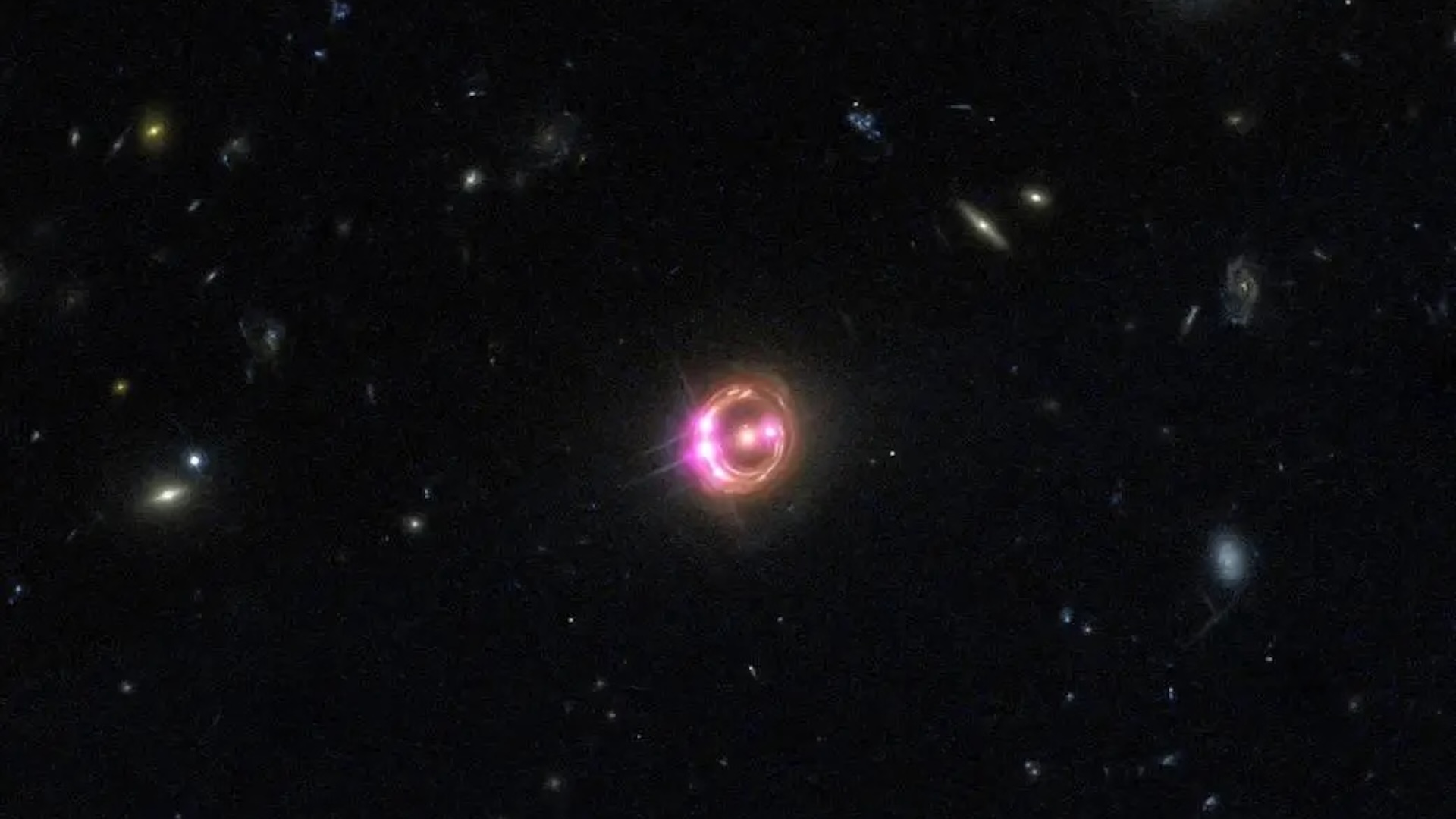
Scientists Unveil the Shape of Black Hole Coronas for the First Time

Astronomers have successfully determined the structure of black hole coronae, revealing them to be disk-like rather than spherical, using NASA's Imaging X-ray Polarimetry Explorer. This breakthrough provides new insights into black hole dynamics, particularly how they emit energy and interact with their surroundings, challenging existing models and enhancing our understanding of active galactic nuclei (AGNs). The study focused on obscured black holes, allowing researchers to isolate and analyze the corona's high-energy X-ray emissions, which are crucial for understanding black hole behavior and their influence on galaxy formation.