Northern Lights Could Shine Over 20 States Tonight
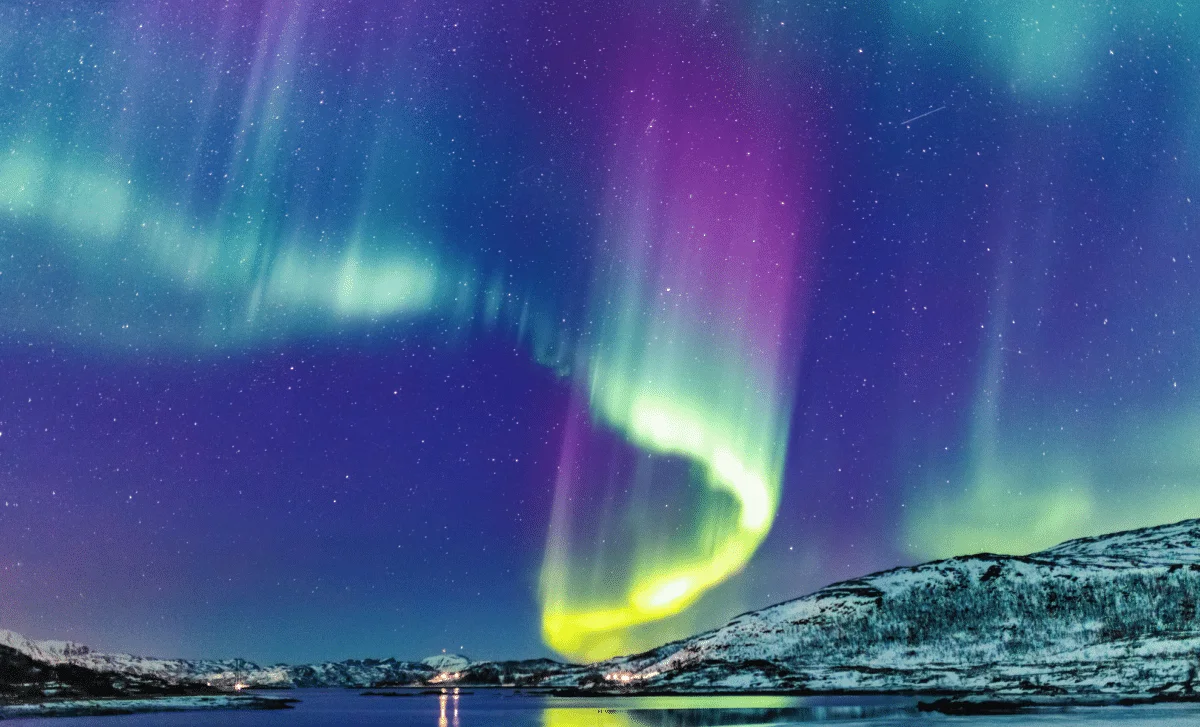
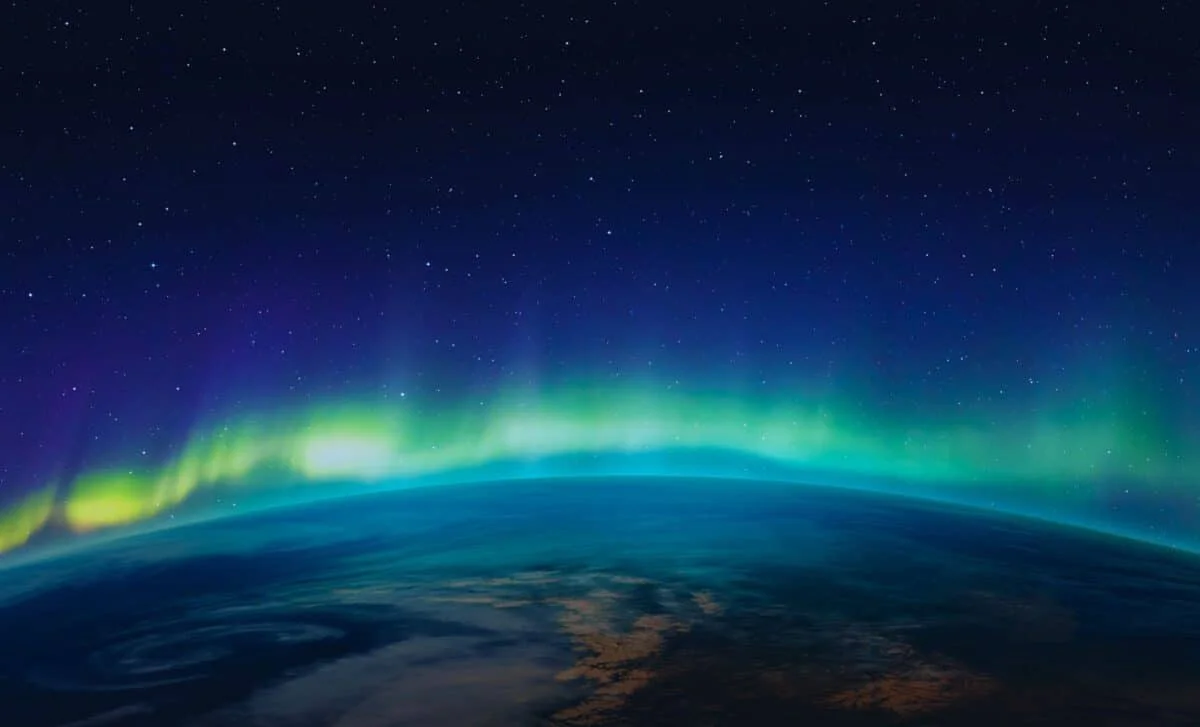
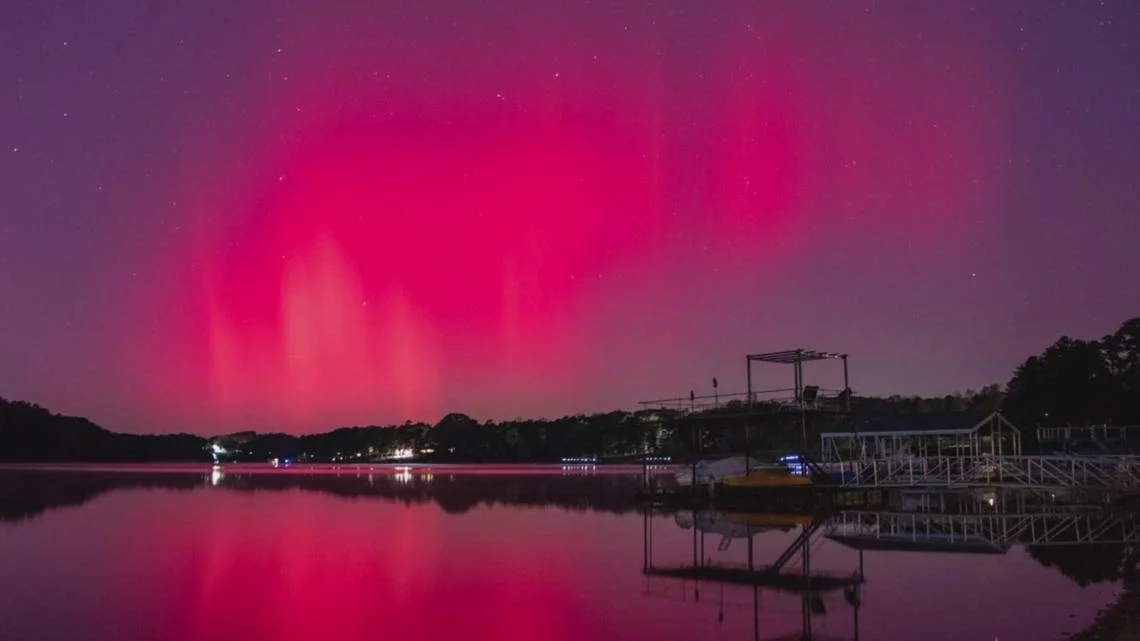
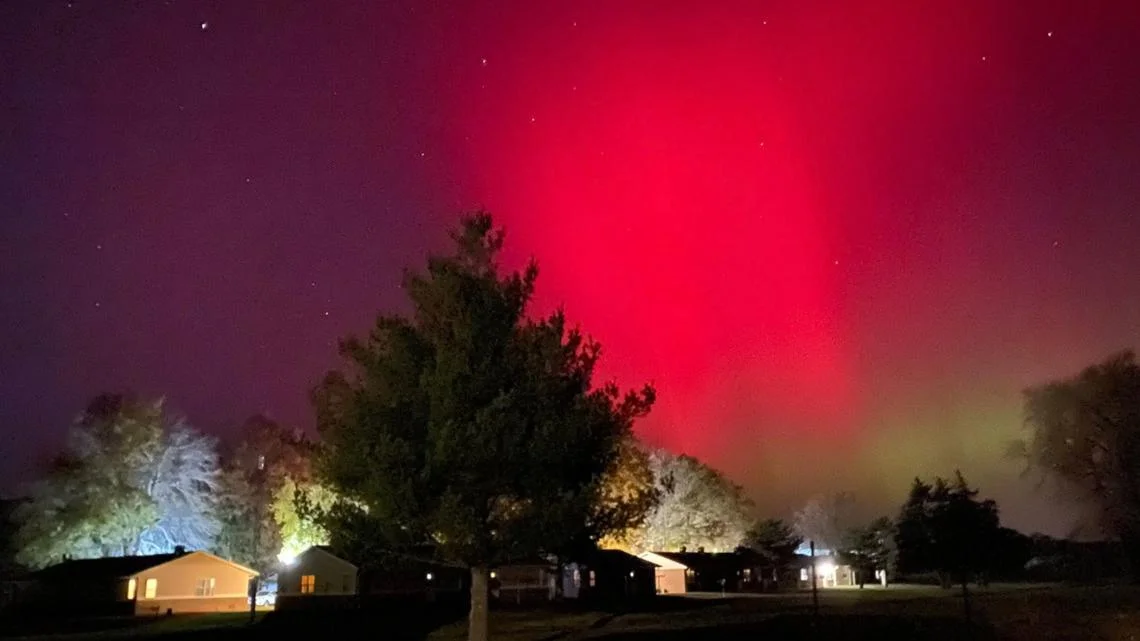
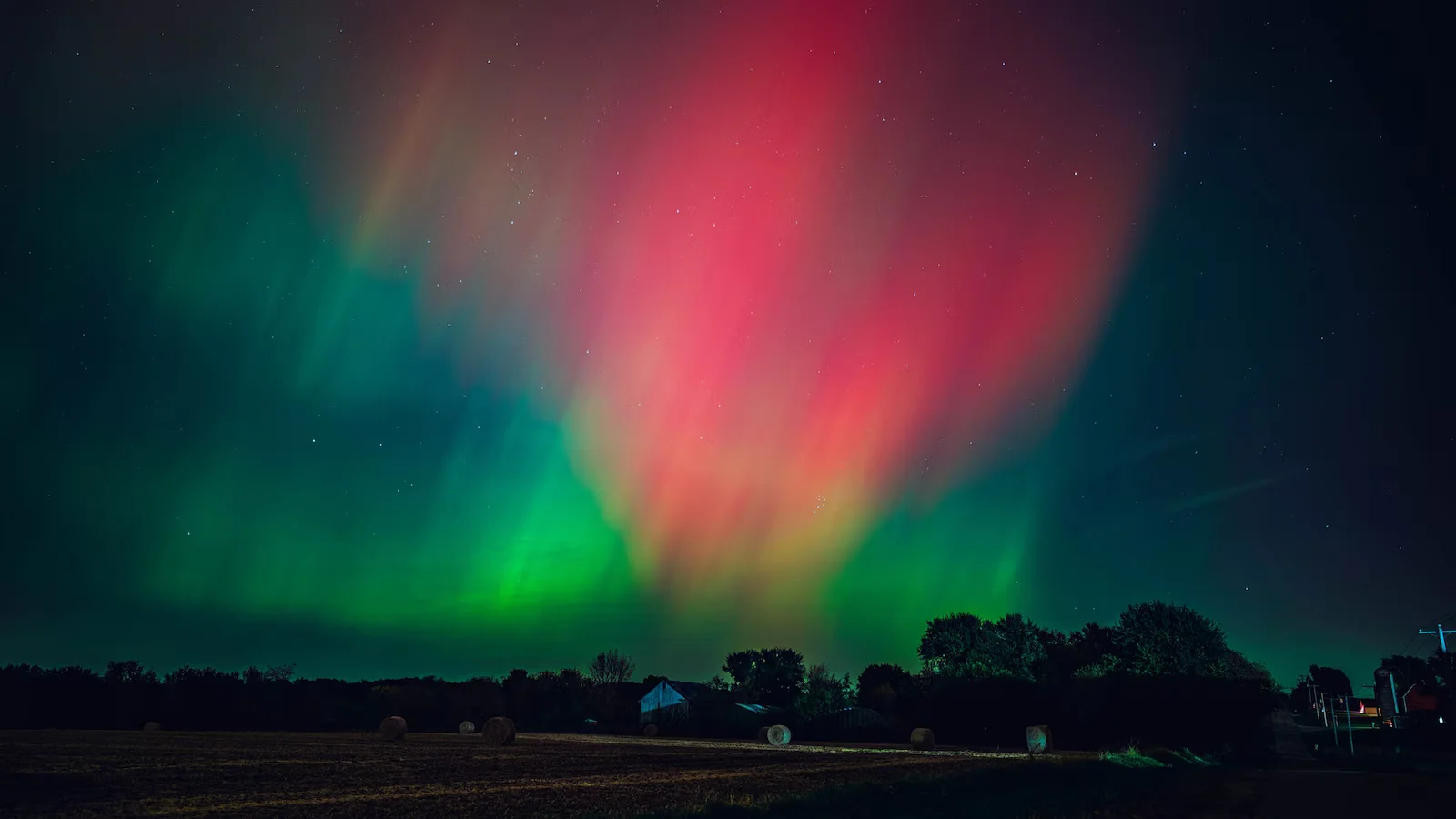
The northern lights may be visible in over a dozen states, including Oregon, on Friday night due to geomagnetic storm conditions, although cloudy weather could hinder viewing in some areas.
All articles tagged with #aurora borealis

The northern lights may be visible in over a dozen states, including Oregon, on Friday night due to geomagnetic storm conditions, although cloudy weather could hinder viewing in some areas.

A potential display of northern lights could be visible on Christmas Eve in northern U.S. states due to increased solar activity, including solar wind and coronal mass ejections, which enhance aurora visibility especially in darker locations.

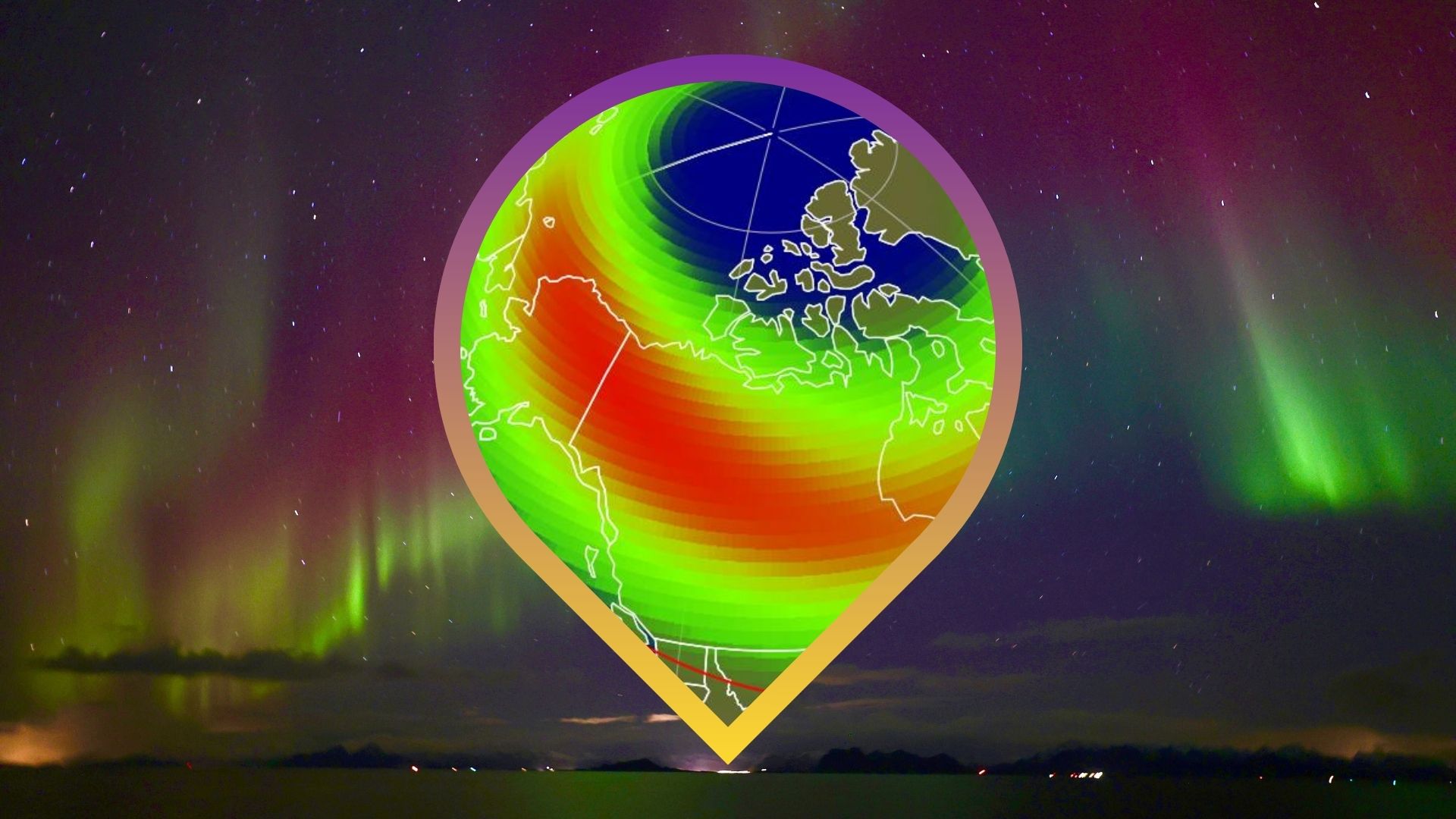
The northern lights may be visible tonight in up to 10 U.S. states due to a minor geomagnetic storm caused by incoming solar wind from a coronal hole, with the best viewing times between 4 p.m. and 10 p.m. EST. Viewers are advised to find dark, north-facing locations and use apps for aurora forecasts to maximize their chances of seeing the auroras.

A solar wind stream and a coronal mass ejection are expected to cause auroras visible in up to 15 U.S. states tonight, with the best viewing times between 4 p.m. and 4 a.m. EST, depending on geomagnetic activity, weather, and sky conditions.

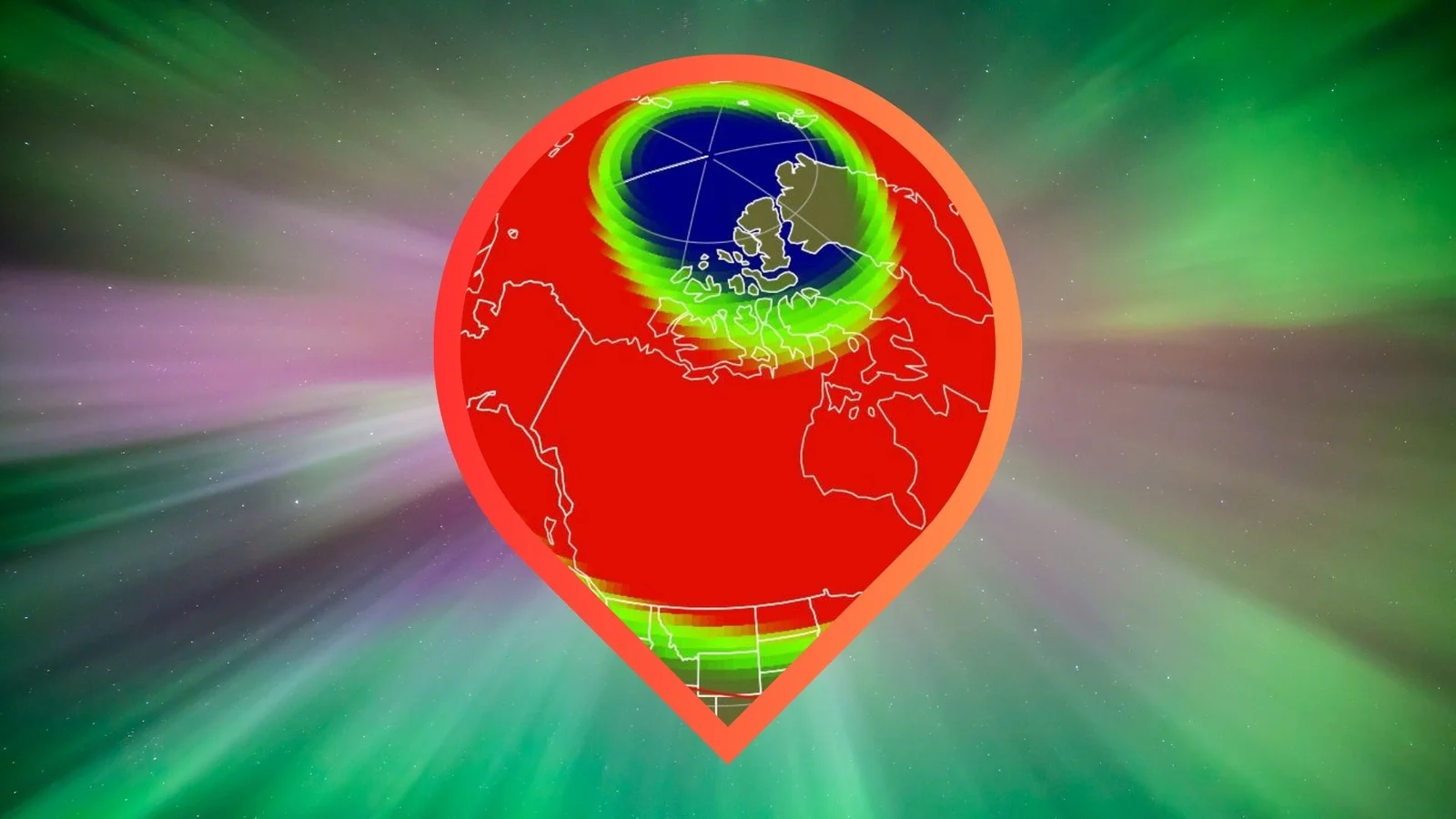
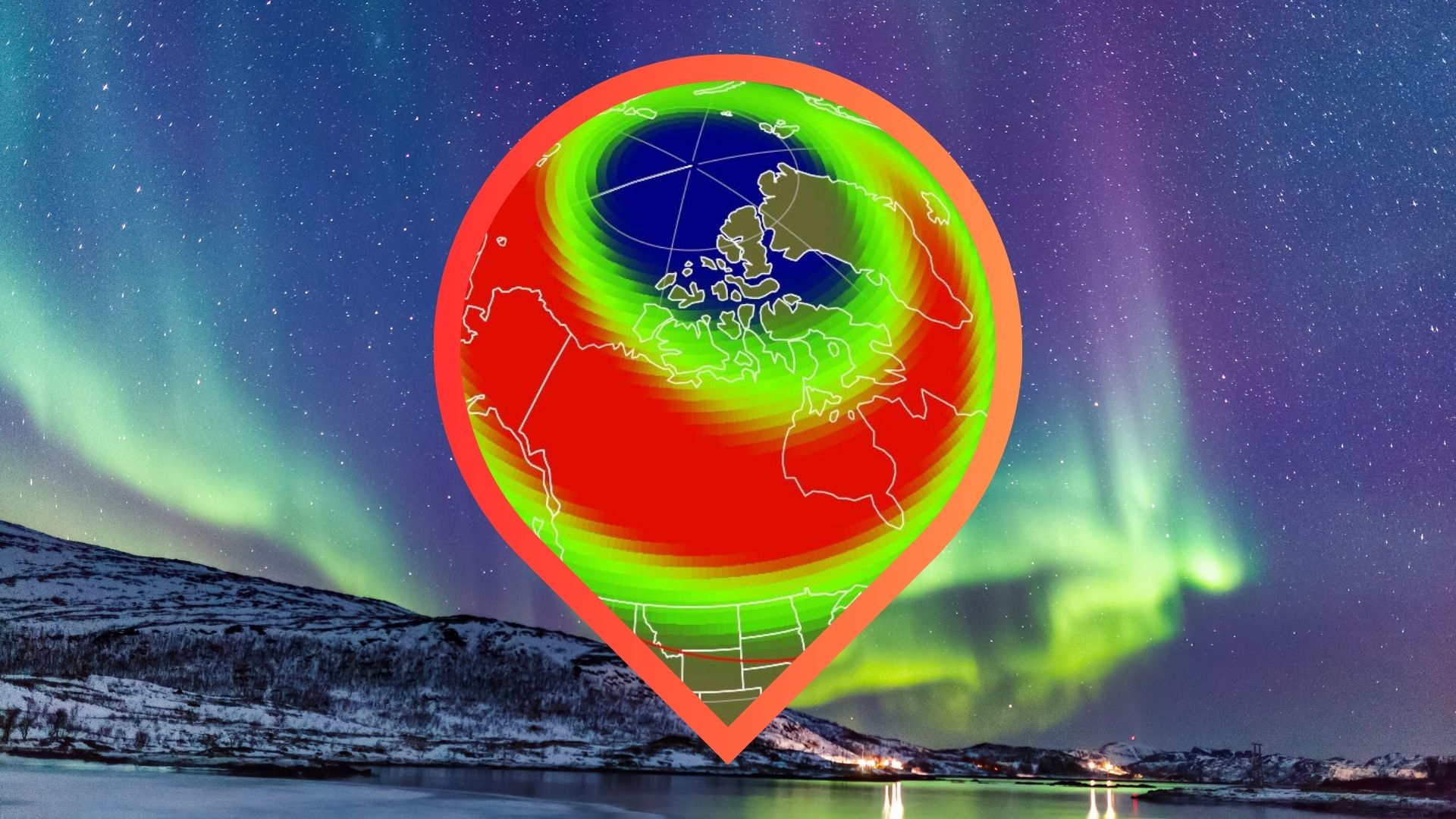
A potential G2 to G3 geomagnetic storm caused by a recent solar flare and coronal mass ejection may make the Northern Lights visible across 22 U.S. states and parts of Canada from December 3-4, with the best viewing conditions in dark skies, amid increased solar activity and sunspots.

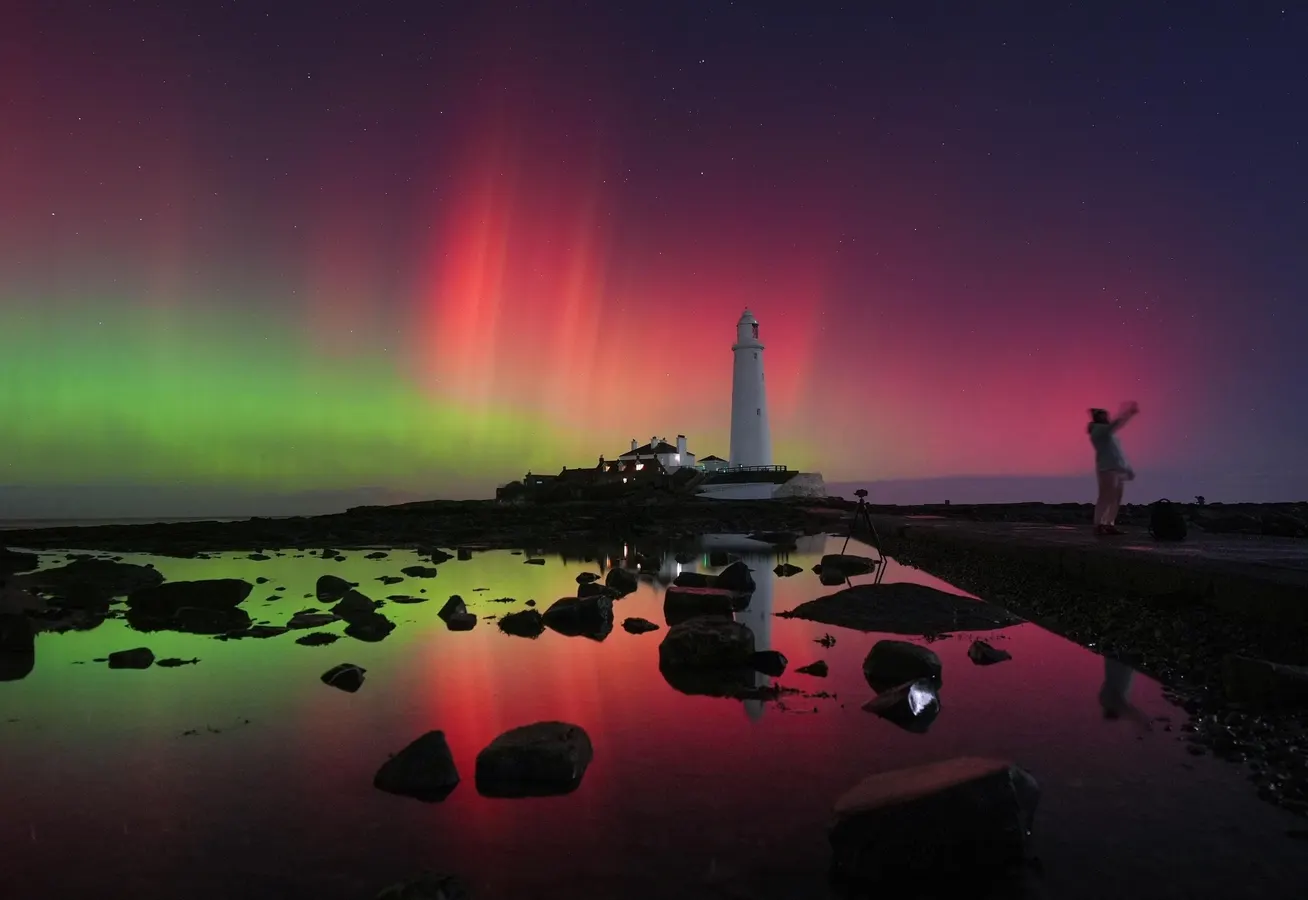
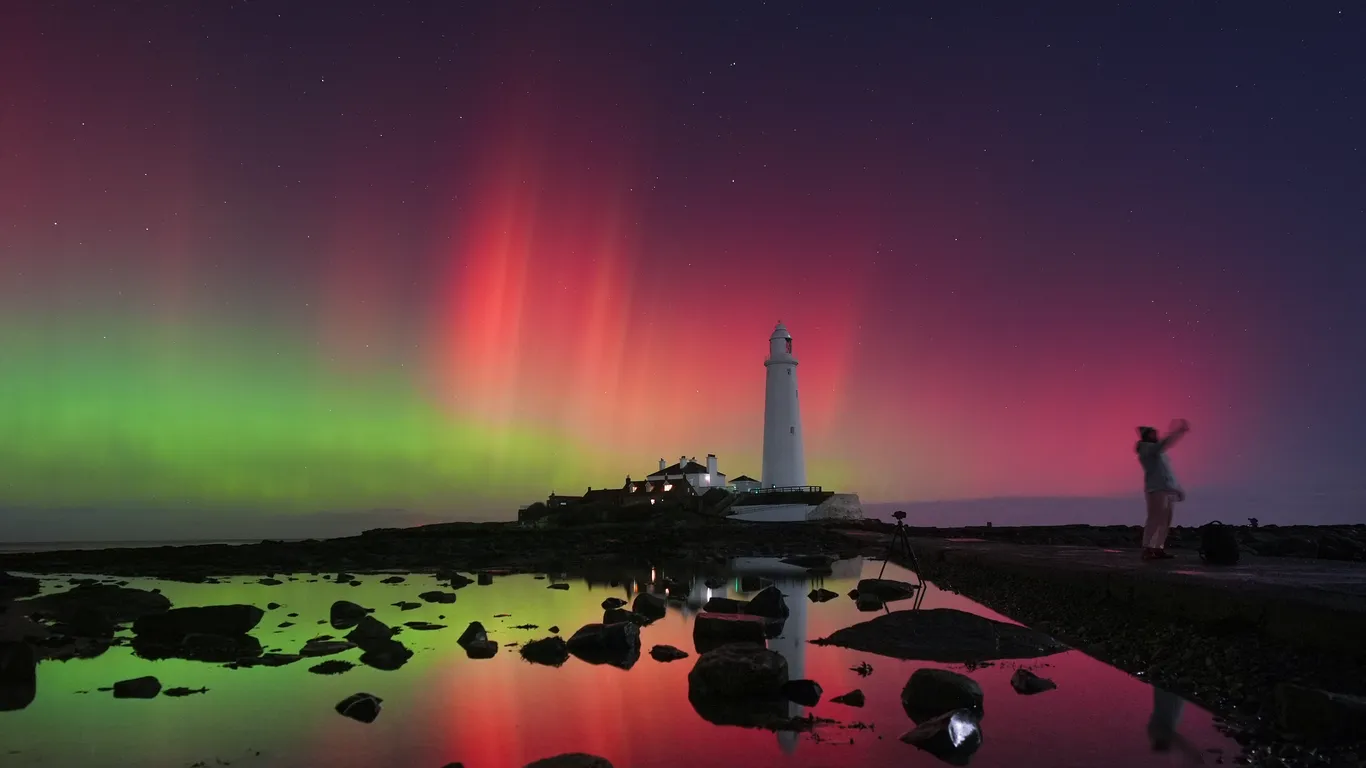
The Northern Lights have been visible across the U.S. and parts of the world due to a G4 geomagnetic storm caused by solar eruptions, creating spectacular displays in the sky, including in England, China, Germany, and various U.S. states, with the storm being one of the strongest in decades.

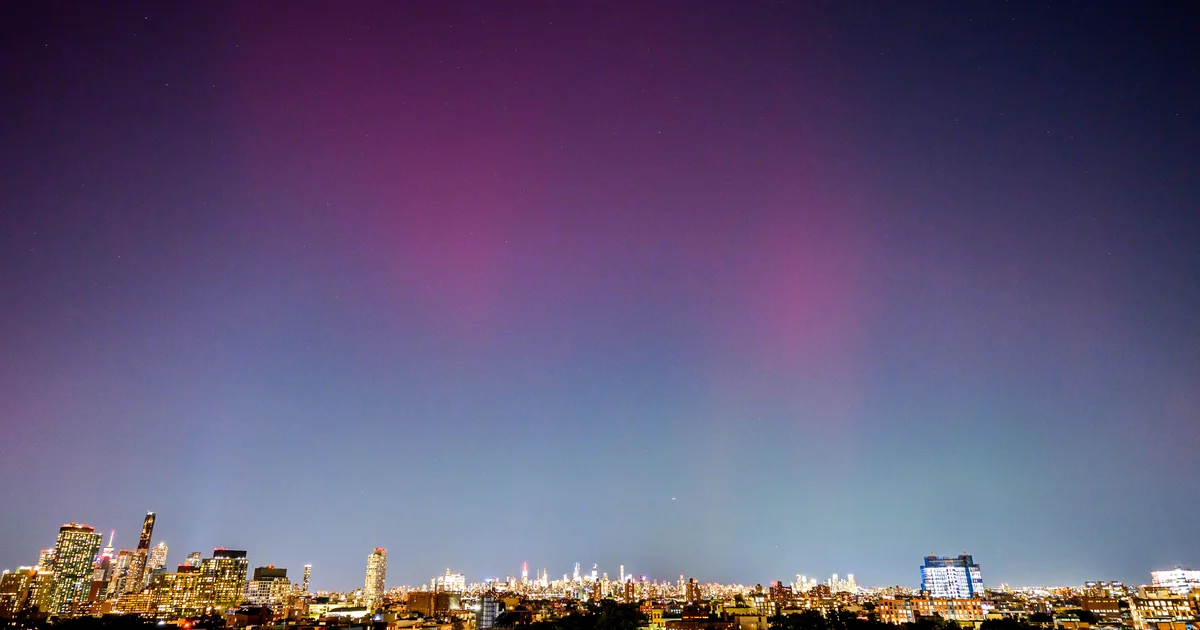
A G4 geomagnetic storm caused by a solar flare may bring the northern lights to New York City tonight, with the best viewing areas in central and northern parts of the state, despite light pollution and cloud cover, offering a rare celestial display.

Missouri and Illinois residents can view the northern lights this week due to geomagnetic storms caused by solar activity, with tips provided for photographing the aurora, including finding dark, northern-facing locations and using specific camera settings.

The northern lights will be visible in the Austin area tonight due to increased solar activity and favorable weather conditions, making it a rare opportunity to see the Aurora Borealis far from its usual polar regions.

A strong geomagnetic storm caused by solar activity has increased the chances of viewing the northern lights across 18 U.S. states on Wednesday night, although weather conditions like cloudiness may prevent sightings in some areas like Portland.
A coronal mass ejection from a recent solar flare may cause strong aurora displays across at least 17 U.S. states, including Alaska and Illinois, tonight, with the best viewing times between 7 p.m. and 4 a.m. EST, depending on geomagnetic activity.
A powerful geomagnetic storm caused the northern lights to be visible across many US states, with forecasters predicting continued auroral activity due to multiple coronal mass ejections from the sun, potentially leading to more spectacular displays and G4 severe storm conditions.

The article provides tips for photographing the northern lights, emphasizing checking aurora forecasts, choosing dark locations, planning compositions, using appropriate camera gear, and adjusting settings for optimal shots, especially during peak solar activity periods.

A severe geomagnetic storm caused by a coronal mass ejection from the sun is expected to increase the visibility of the northern lights as far south as Texas. Tips are provided for capturing the aurora with smartphones, emphasizing stability, long exposure, and proper settings. Viewers are encouraged to find dark, northern locations away from city lights and to use features like Night Mode and a tripod for best results.
The U.S. experienced a rare and vivid display of the northern lights as far south as Florida due to intense geomagnetic storms caused by solar eruptions, with forecasters predicting more displays as solar activity peaks during the solar maximum.