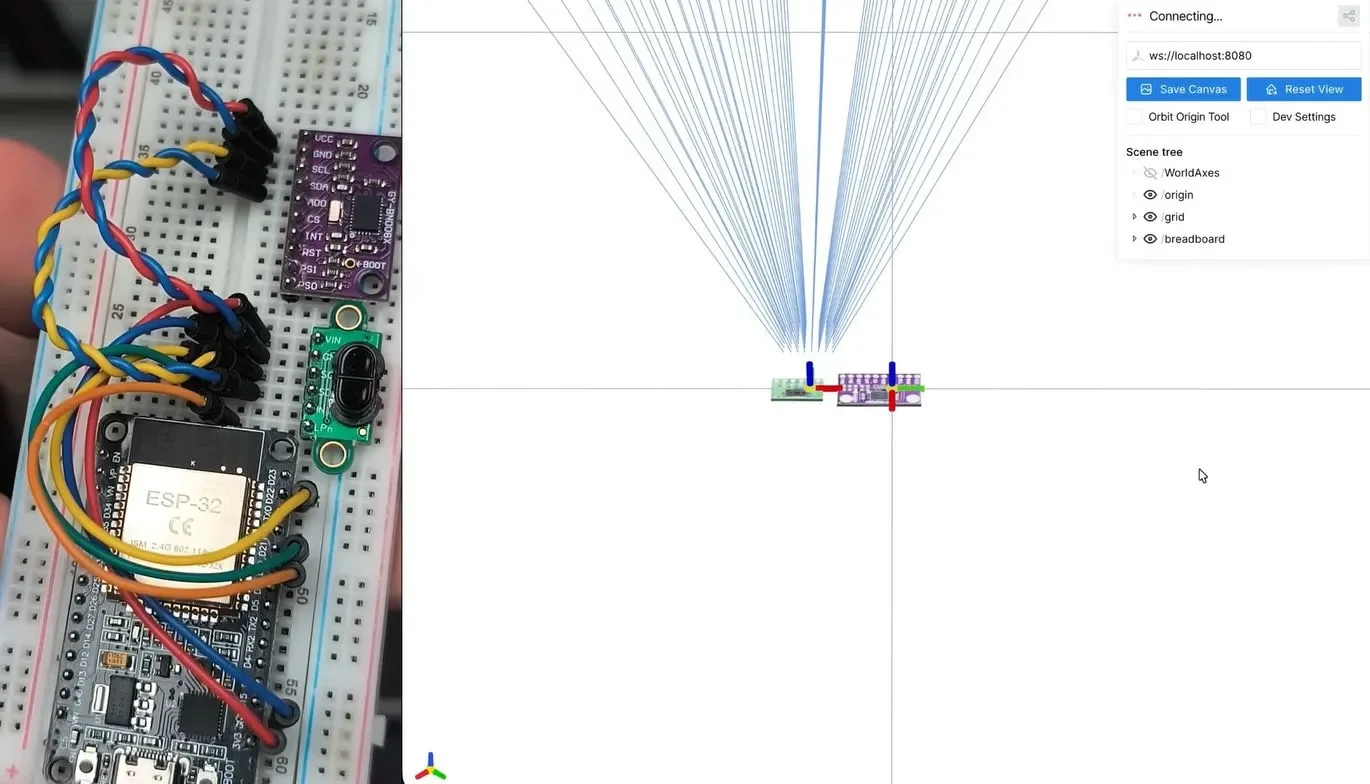
A YouTuber named [Dave] creates a high-tech 'Marauder’s Map' for his hardware store by using 3D scanning, multiple CCTV feeds, and NVIDIA's Deep Stream AI pipeline to track human movement across the store, demonstrating how advanced technology can mimic magical surveillance.
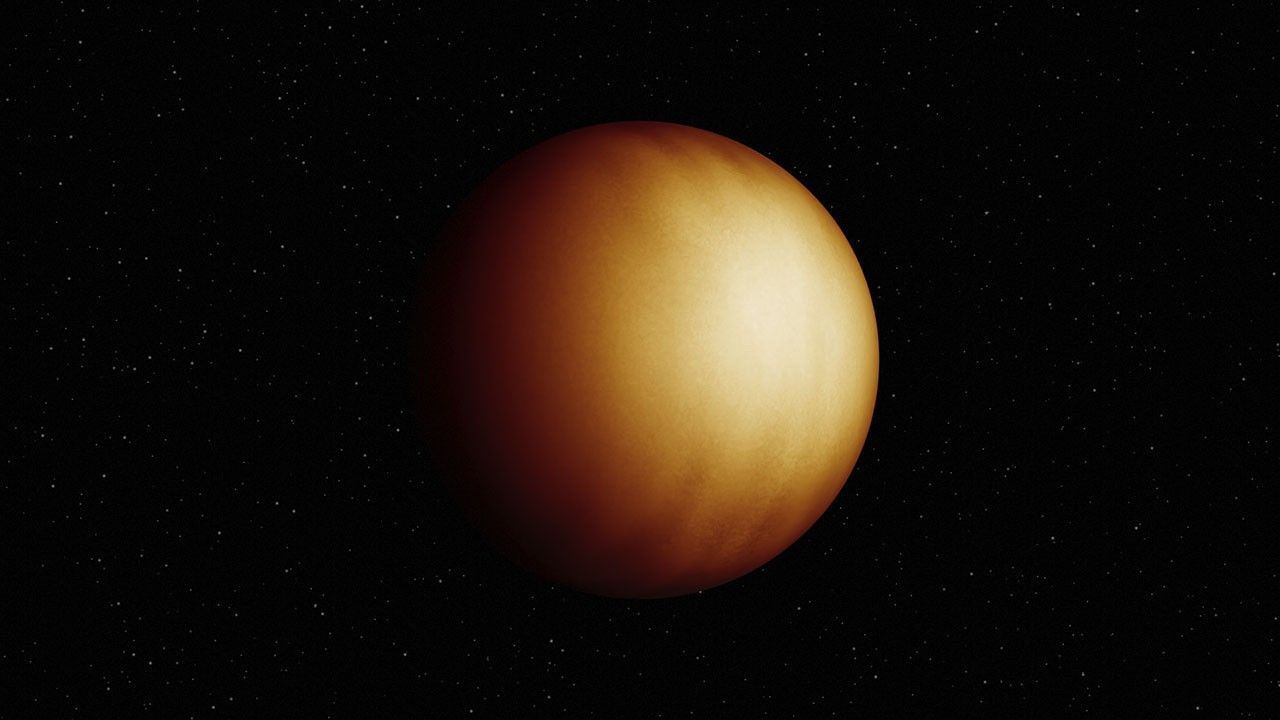
Scientists used the James Webb Space Telescope to create the first 3D map of an exoplanet, WASP-18b, revealing extreme temperatures and water breakdown in its atmosphere, demonstrating a new technique for studying distant worlds.
Astronomers have created the first 3D map of an exoplanet's atmosphere, WASP-18b, using a new technique called spectroscopic eclipse mapping with the James Webb Space Telescope, revealing temperature zones and water vapor breakdown in this ultra-hot Jupiter.
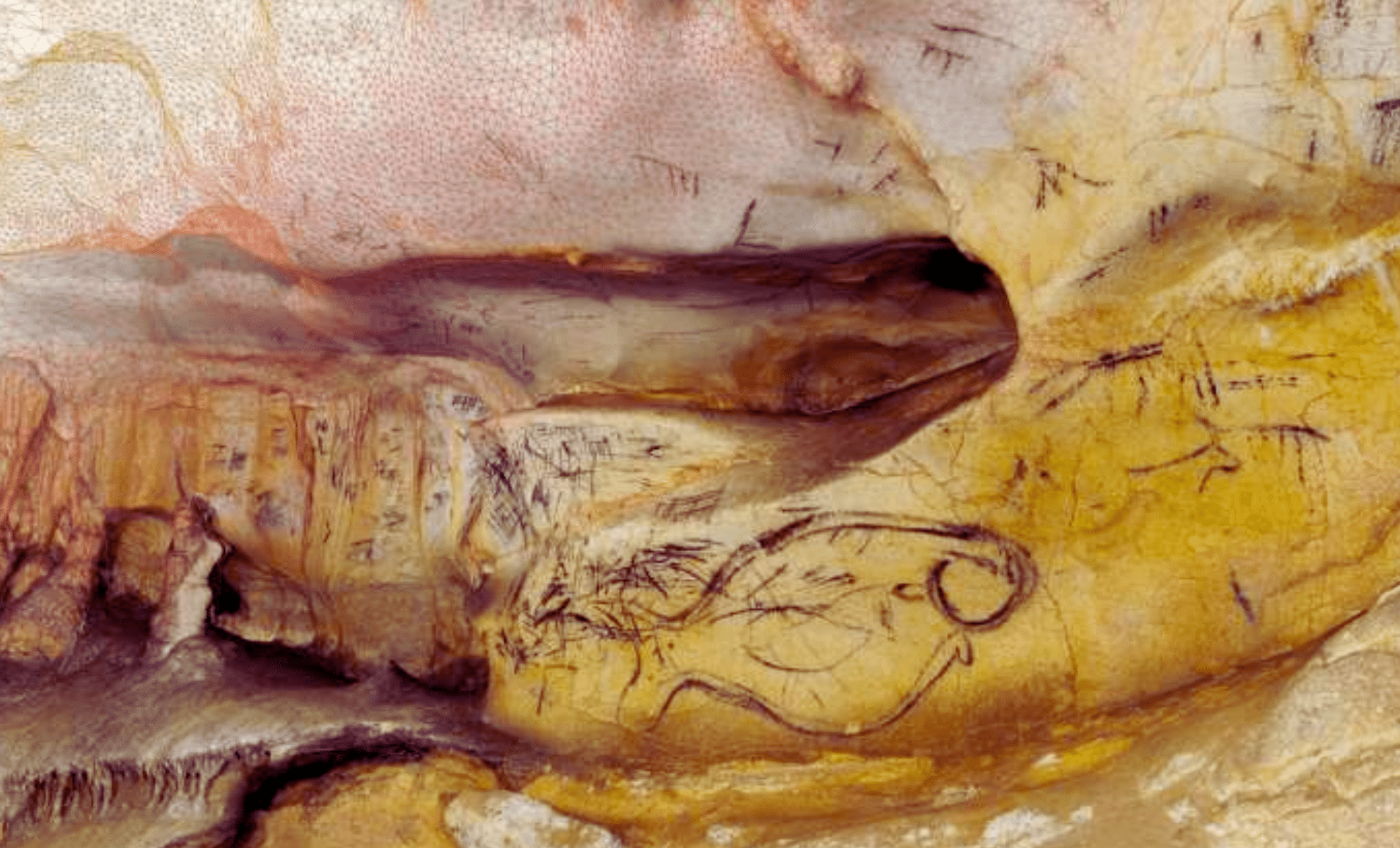
3D LiDAR technology was used to create highly detailed and accurate 3D maps of La Pileta Cave in Spain, revealing previously unseen prehistoric rock art and features, and enhancing archaeological research through precise modeling of the cave's interior and artifacts.
Researchers used advanced 3D imaging to study the bones of a 140,000-year-old child from Israel, revealing evidence of interbreeding between early humans and Neanderthals much earlier than previously thought, challenging assumptions about their interactions and coexistence.
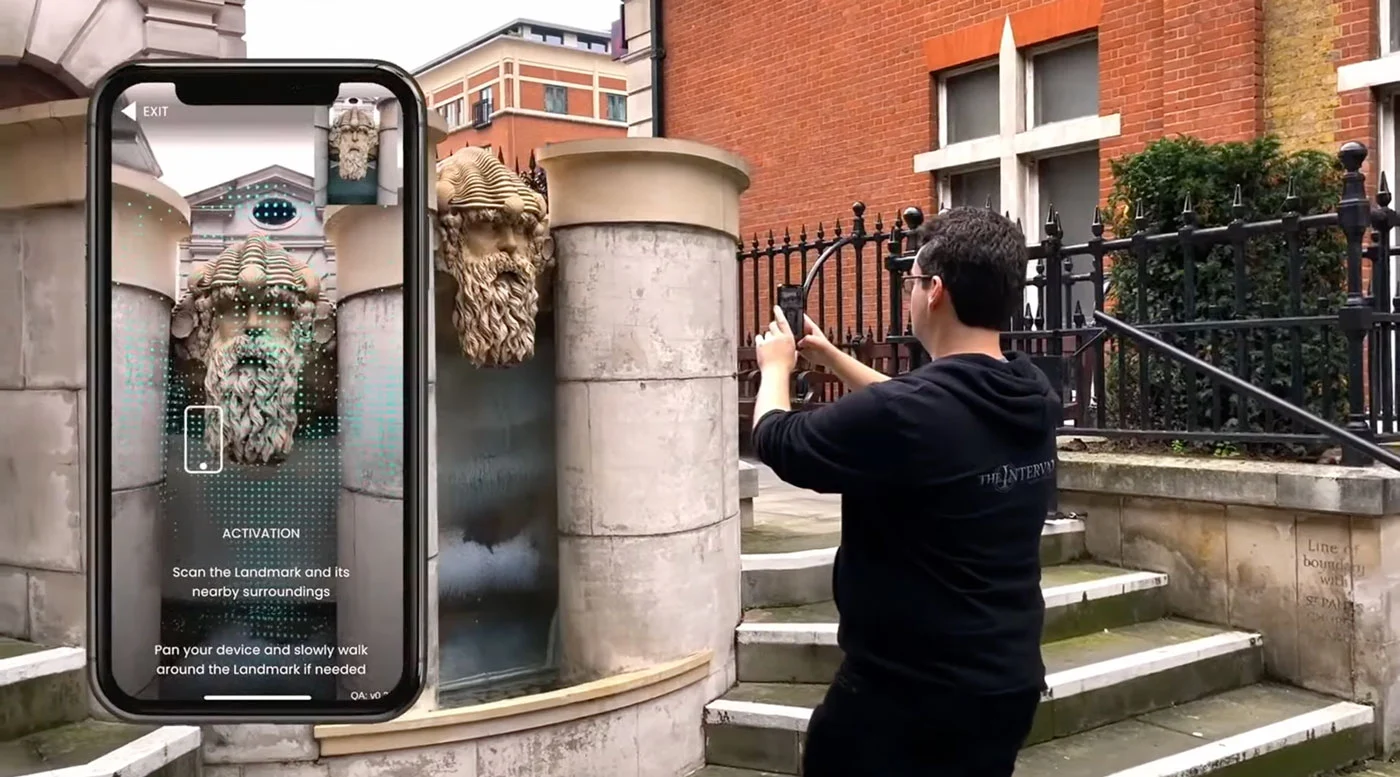
Niantic has announced plans to develop a Large Geospatial Model (LGM) using data collected from Pokémon GO players' PokéStop scans. This AI model aims to help computers understand and navigate the physical world by integrating billions of images and location scans. The LGM will combine local models to create comprehensive 3D images of structures, enhancing navigation and spatial understanding. Niantic's existing Visual Positioning System (VPS) has already mapped 10 million locations, but the LGM requires significantly more data to be fully realized.
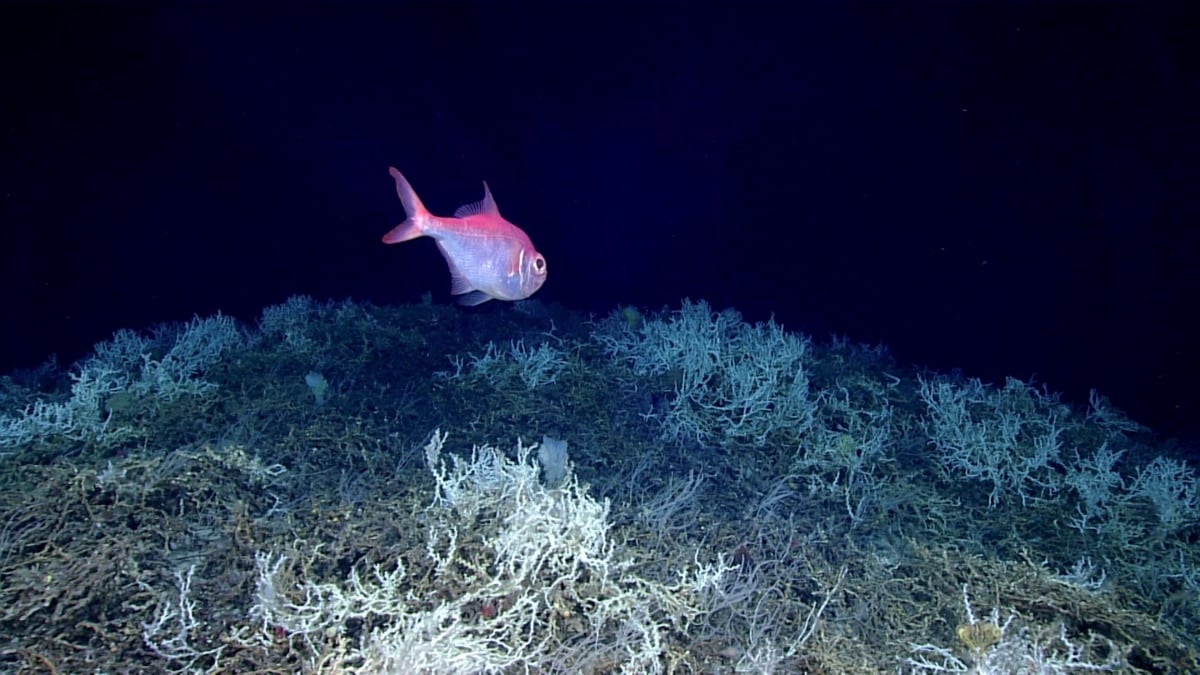
Scientists have discovered the largest deep-sea coral reef off the US Atlantic coast, stretching about 500 kilometers from Florida to South Carolina and measuring up to 109 kilometers wide in some areas. Using 3D mapping technology, researchers found the reef at depths of 200 to 1,000 meters, uncovering a diverse ecosystem of marine life. The discovery highlights the importance of mapping the ocean floor and raises concerns about the potential risks deep reefs face from climate change and human activities.