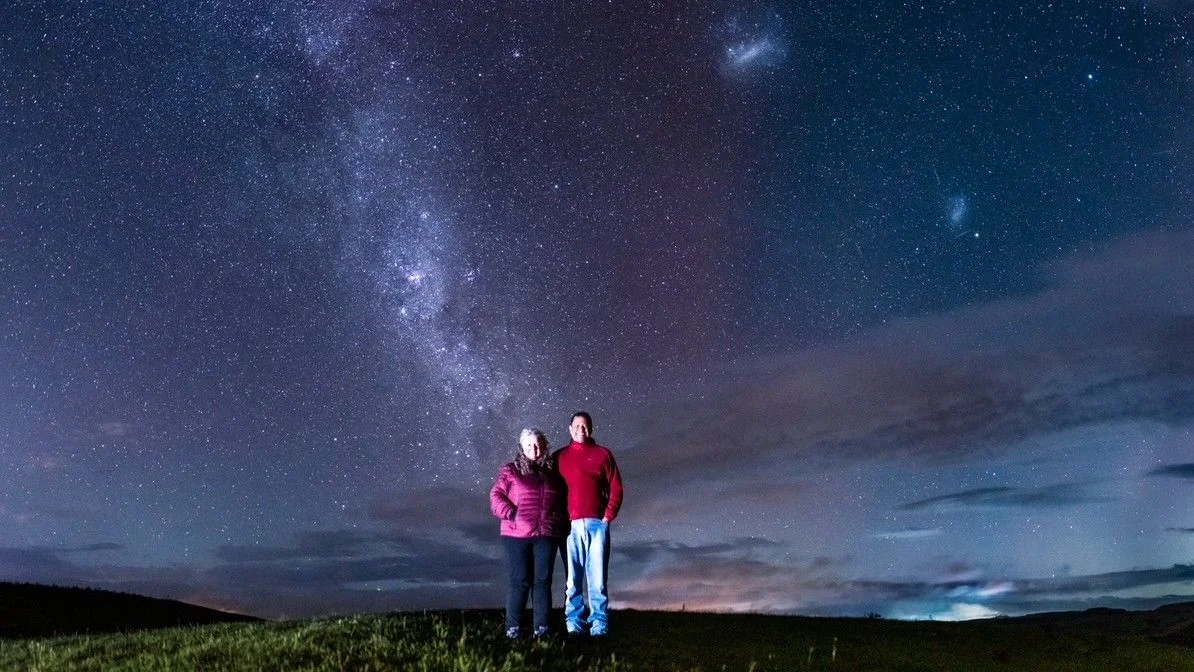
Rare Aurora Illuminates Brazilian Skies During Major Geomagnetic Storm
A photographer captured a rare aurora over Brazil amid a powerful geomagnetic storm, marking a rare sight of the northern lights in Brazil.

All articles tagged with #aurora
A photographer captured a rare aurora over Brazil amid a powerful geomagnetic storm, marking a rare sight of the northern lights in Brazil.
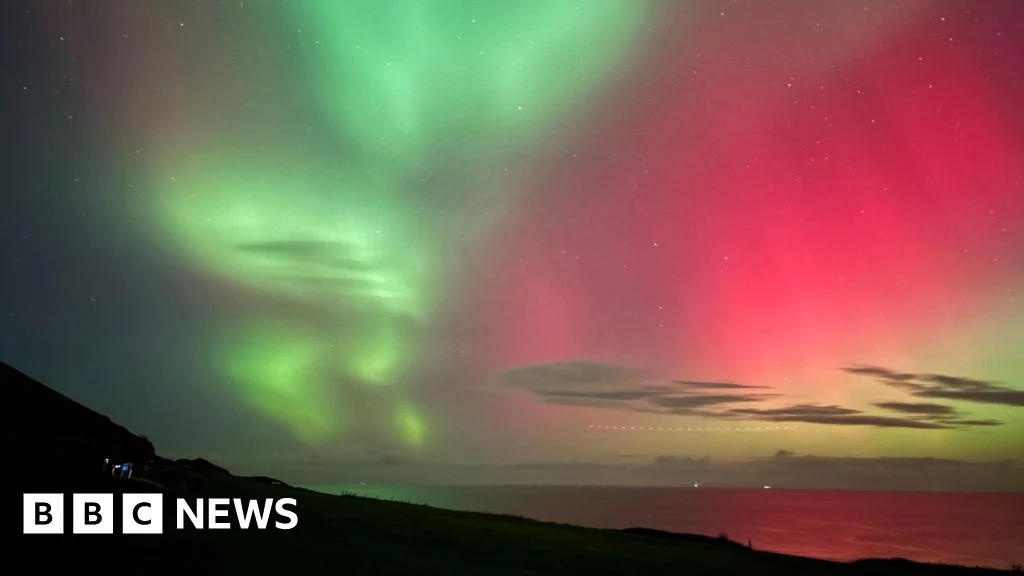
Auroras lit up the South West of the UK (Devon, Cornwall and the Channel Islands) due to coronal mass ejections from the Sun at the height of solar cycle 25. Experts say 2025–2026 is the likely peak, with some forecasts suggesting the next maximum could be as late as 2037. Strong geomagnetic storms push auroras farther south, but visibility depends on dark skies and viewing conditions. To see them, monitor Met Office Space Weather alerts and head to dark-sky sites away from light pollution, using long-exposure photography; the article notes several South West dark-sky locations.
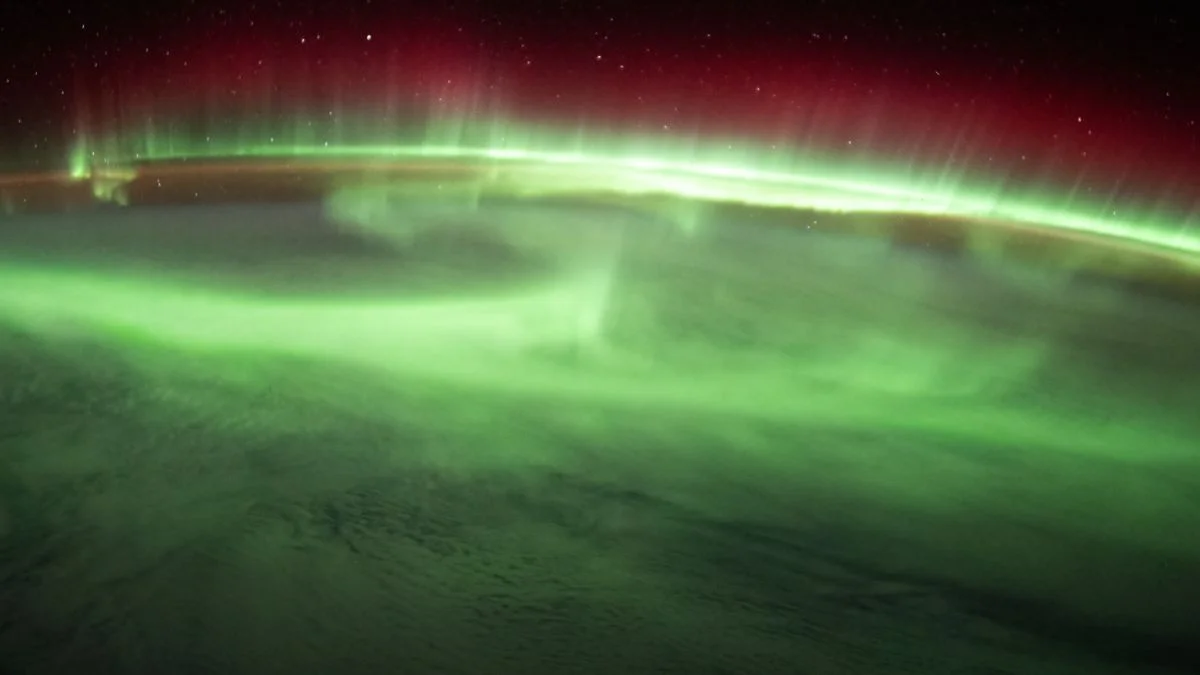
Earth is under a severe geomagnetic storm (G4, potentially reaching G5) triggered by a large coronal mass ejection and fast solar wind after an X1.9 flare, fueling strong auroras that could appear at unusually low latitudes; a radiation storm (S4, now subsiding to S2) also poses risks to spacecraft, aviation, and satellites, while power grids and communications may be affected as Earth's magnetic field responds to ongoing solar wind.
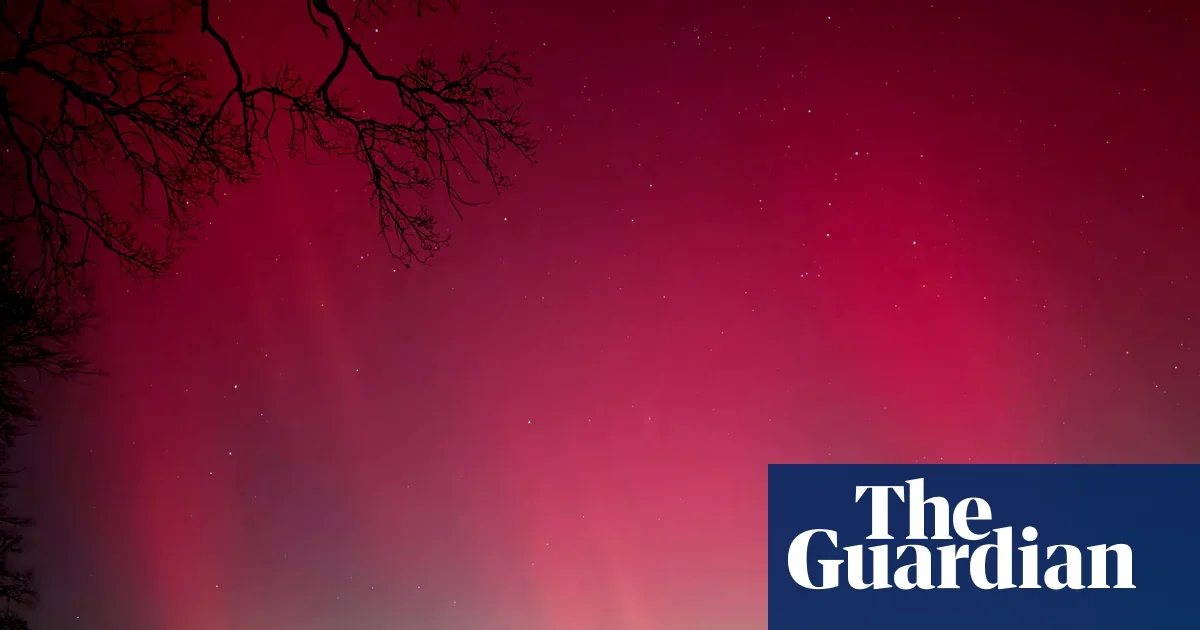
A major geomagnetic disturbance could light up the sky with auroras across Canada and much of the northern US on Monday night, possibly stretching farther south; NOAA's space weather center warns the storm is among the strongest in more than two decades and could disrupt satellites and GPS, with activity expected to persist into Tuesday, following November events that brought auroras as far south as Kansas, Colorado, and Texas.
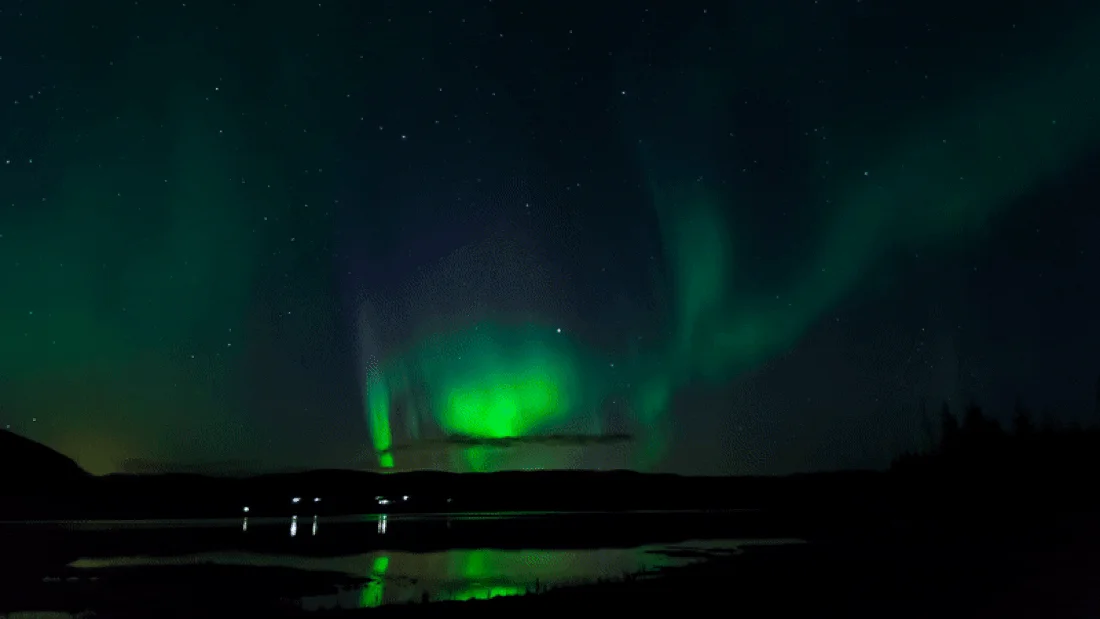
Space.com rounds up free aurora livestreams from around the world (Abisko, Levi, Spåkenes, Reykjavík, Northumberland, Fairbanks) so you can watch the northern lights from home via webcams, with visibility depending on weather and solar activity.
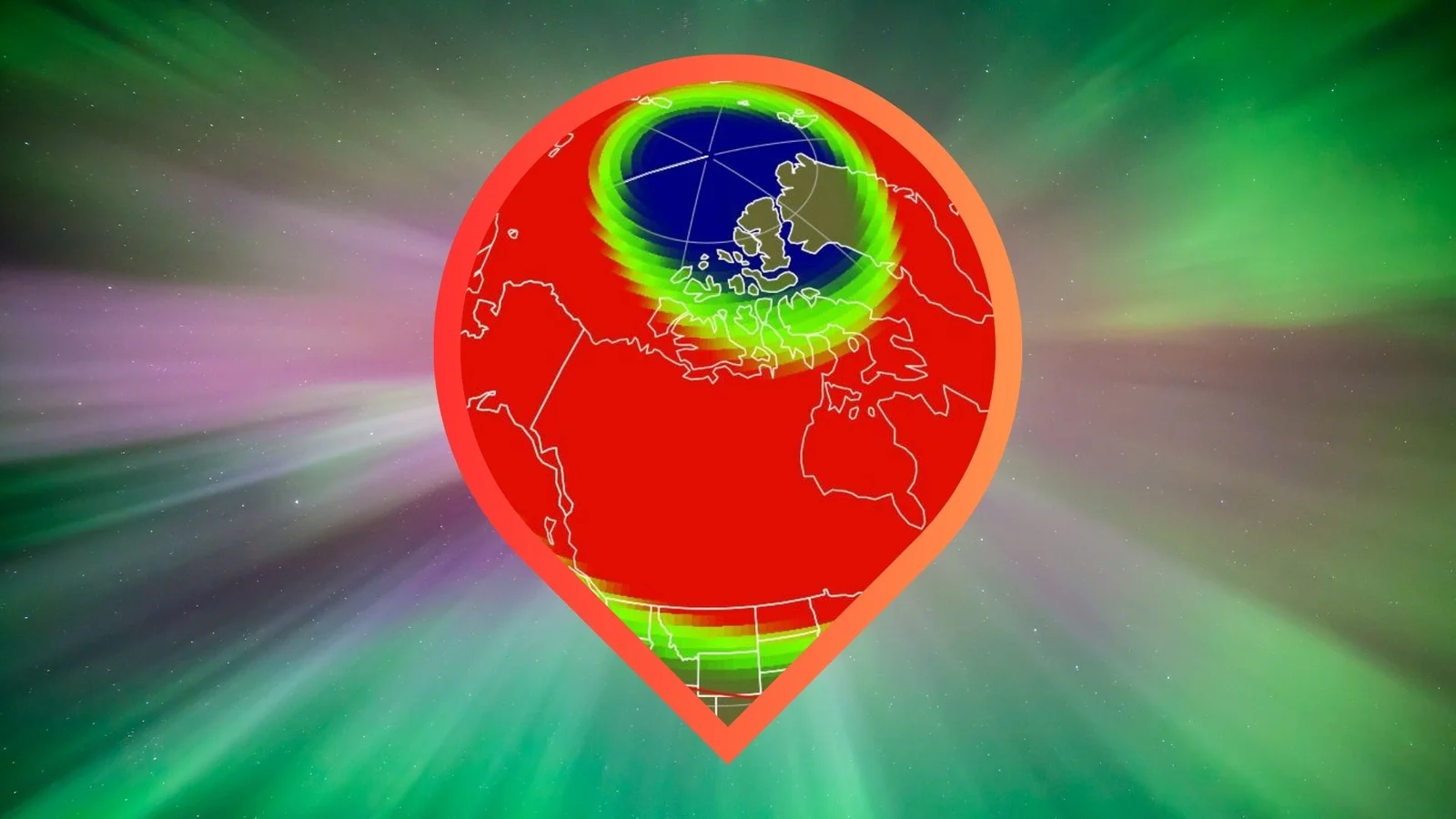
A massive coronal mass ejection from the Sun is expected to slam into Earth, potentially lighting up the night sky with auroras across as many as 24 U.S. states tonight (Jan. 19) as geomagnetic activity increases.
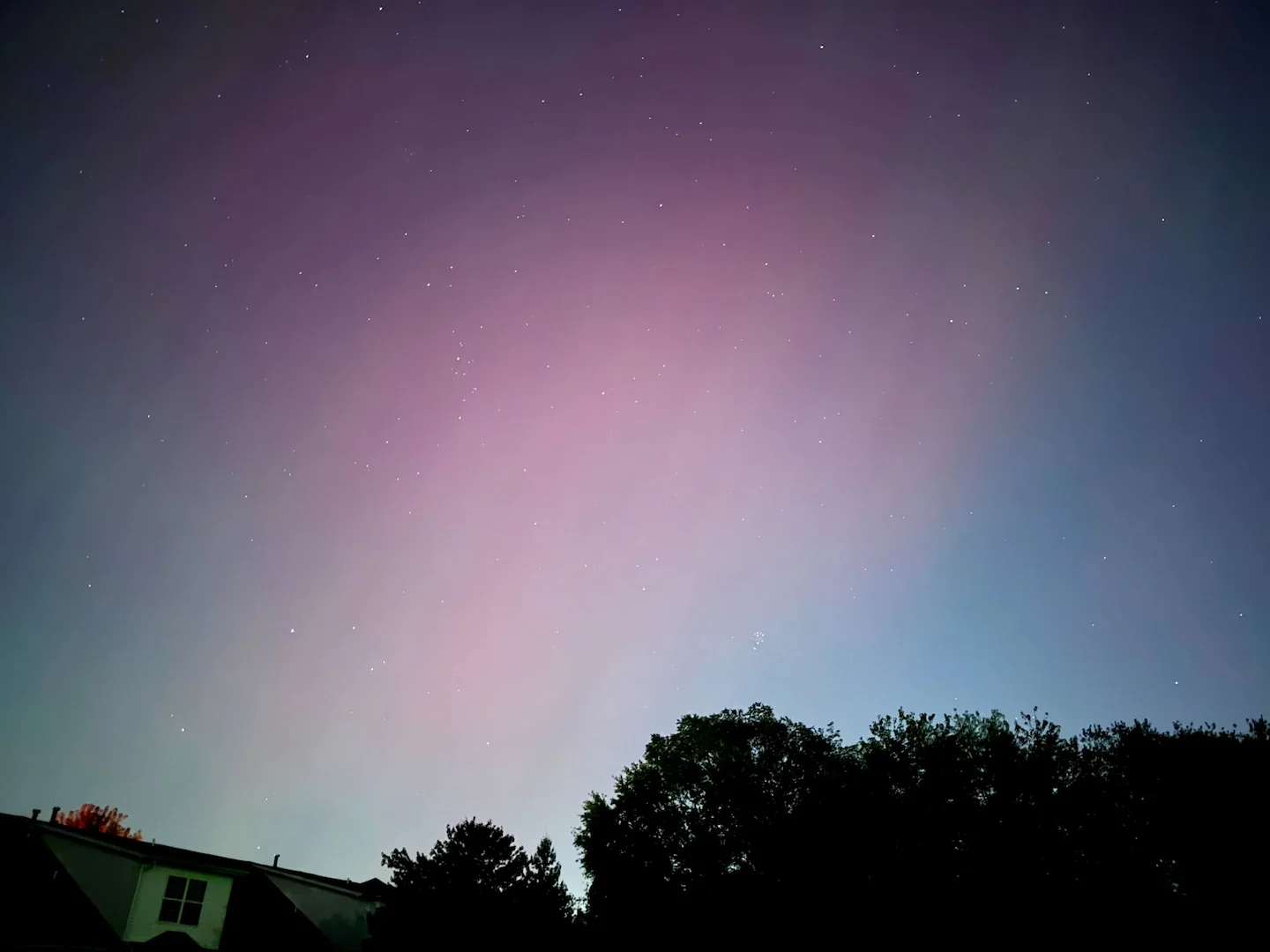
A powerful X-class solar flare and a fast coronal mass ejection could spark auroral displays much farther south than usual tonight—potentially visible from parts of California, the central Plains, and the Mid-Atlantic, with even deeper-south areas possible. NOAA has issued a rare G4 geomagnetic storm potential, though whether the CME hits Earth head-on remains uncertain. For best viewing, find a dark, clear sky along the northern horizon after sunset.
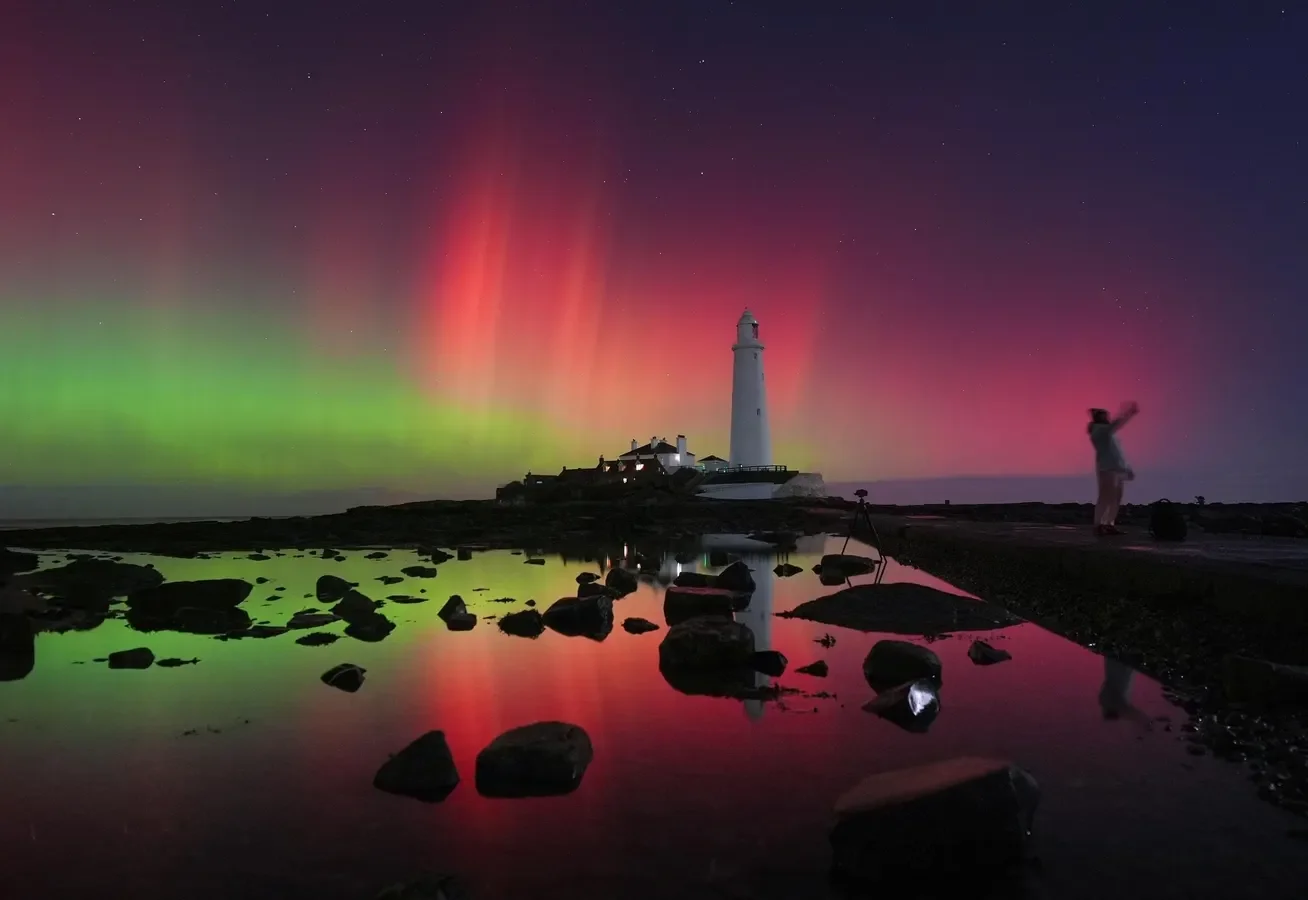
A major solar flare has prompted officials to upgrade a Severe Northern Lights alert to cover 24 states for Monday, signaling intensified auroral activity that could be visible in broader areas if skies are clear.
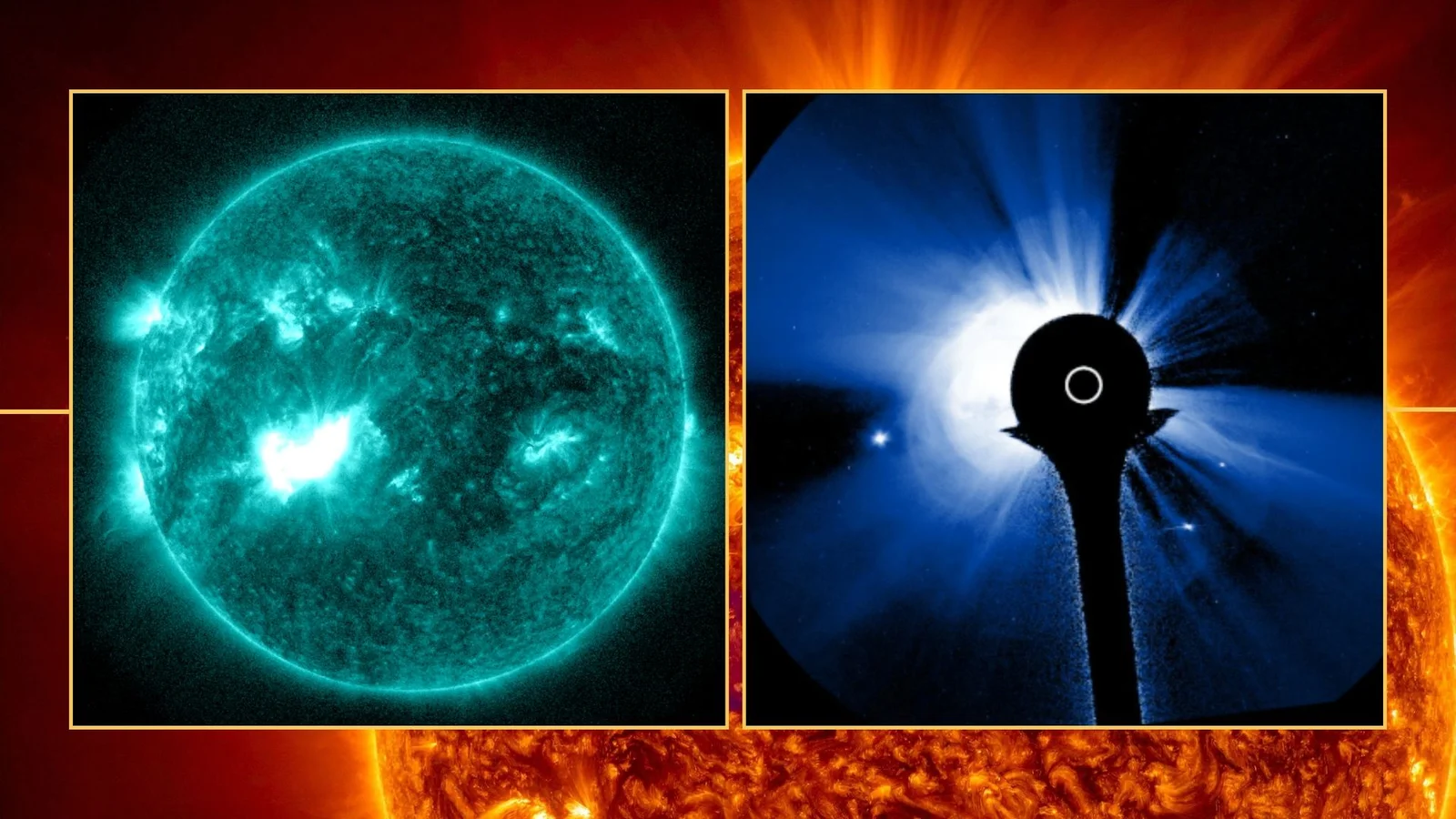
An X1.9 solar flare from the Sun triggered a fast Earth-directed coronal mass ejection (CME) forecast to reach Earth within about 24 hours. If the CME’s magnetic orientation (Bz) is southward, it could couple with Earth’s magnetosphere and drive strong (G3) to severe (G4) geomagnetic storm conditions, potentially lighting up auroras as far south as parts of the U.S. (e.g., Northern California to Alabama). Forecasters caution that CME arrivals are hard to pin down and depend on magnetic orientation; disruptions to satellites, GPS, and radio signals and increased atmospheric drag on spacecraft are possible alongside spectacular auroral displays depending on the event’s exact geometry and timing.
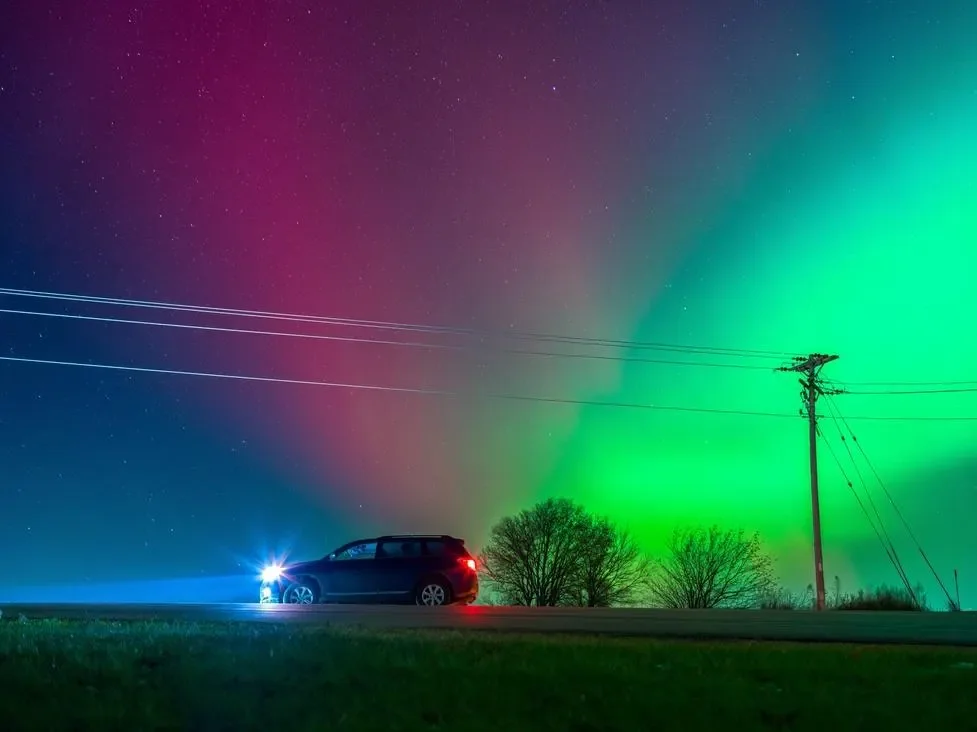
During periods of heightened solar activity, the aurora borealis could be visible from ten U.S. states on clear, dark nights; check local aurora forecasts and cloud-free skies for the best viewing chances.
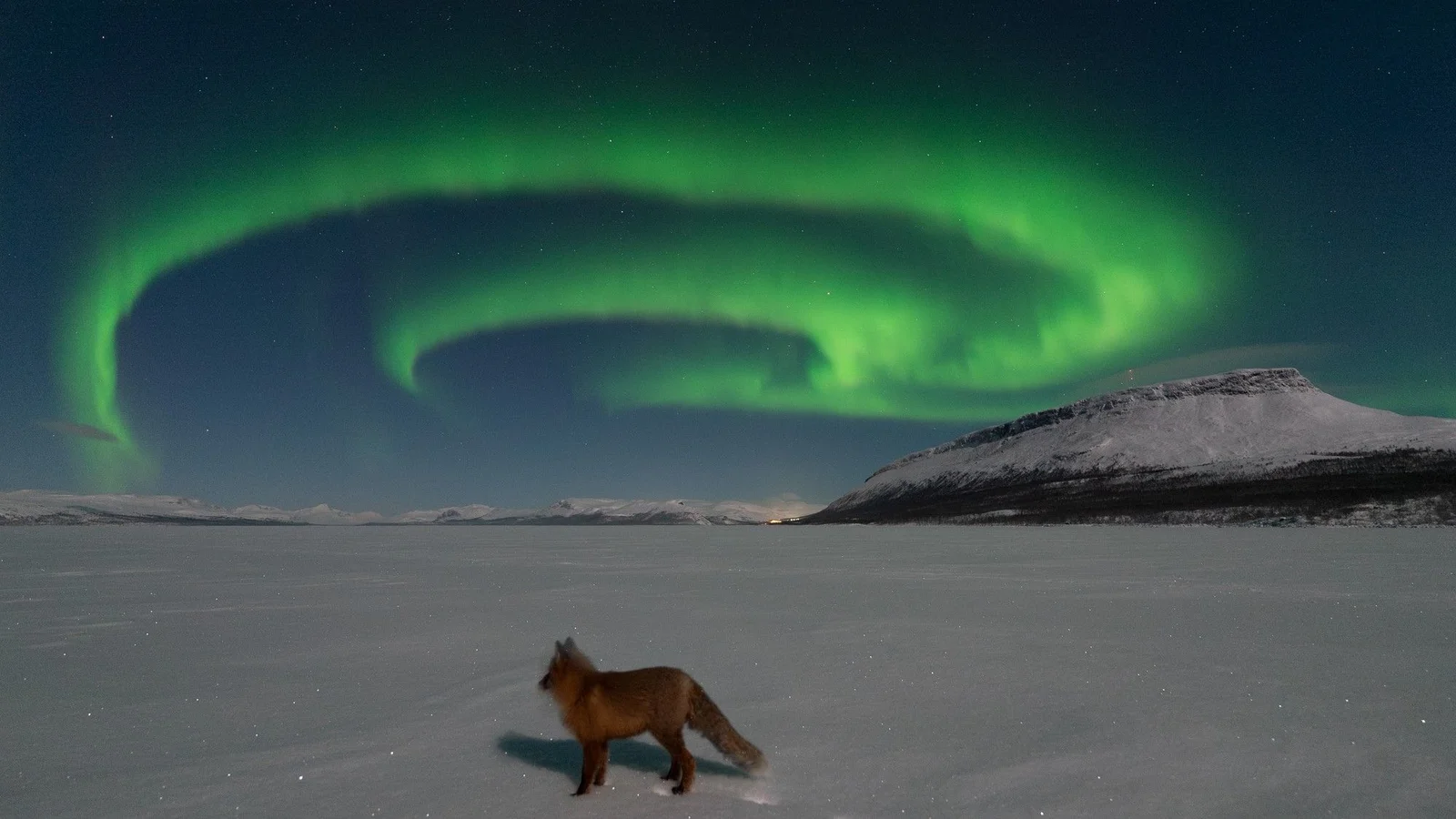
A photographer captured stunning images of a fox in Finland, mythologically linked to the northern lights, as it joined the aurora chase beneath the Arctic sky, highlighting the local legend of 'fox fires' that inspire Finnish folklore.

A 16-year-old boy was shot and killed in Aurora, Colorado, just after midnight, and police are investigating the incident, seeking information about the suspect or suspects, with no arrests made yet.
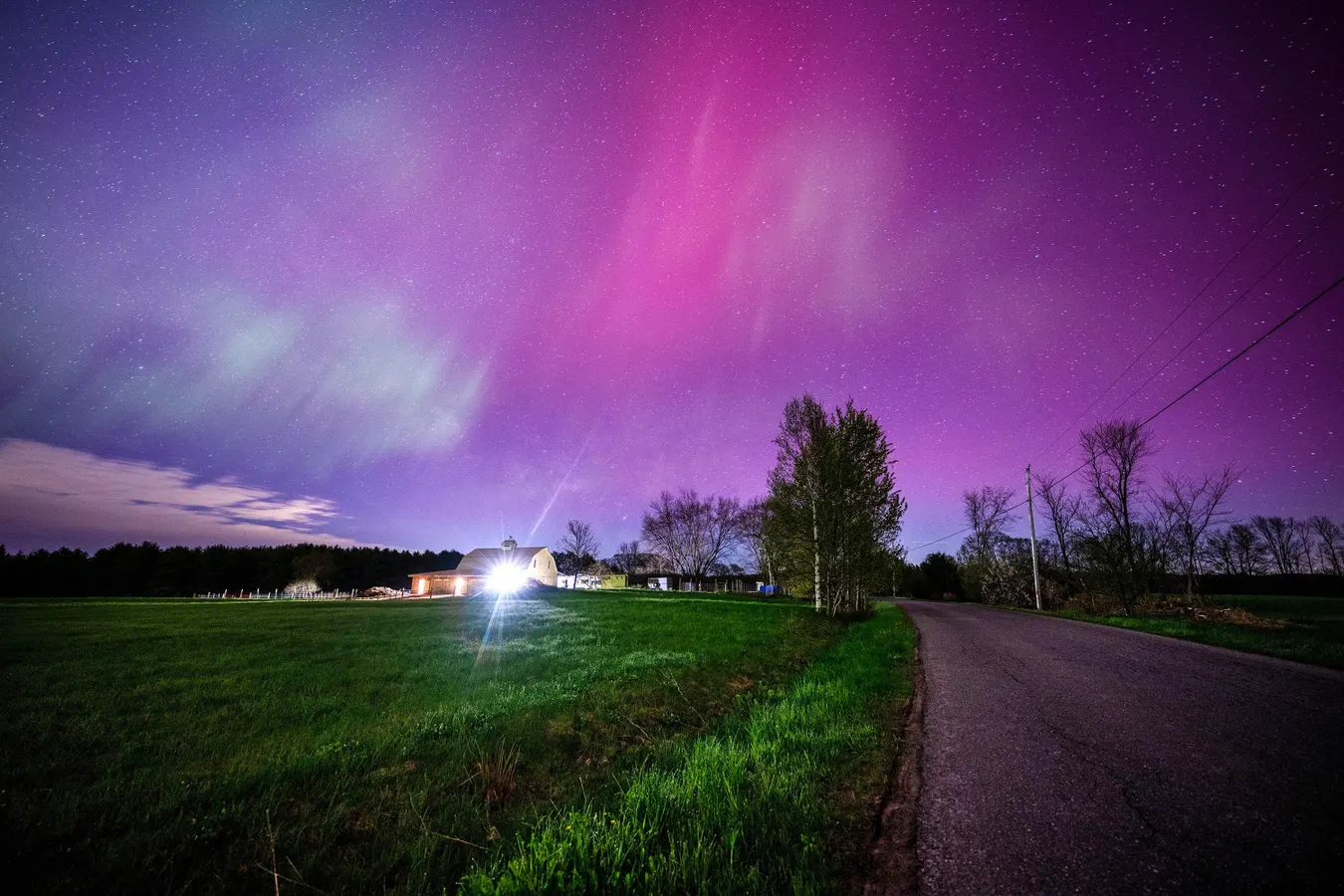
The northern lights may be visible in several northern U.S. states on Wednesday due to geomagnetic storms caused by solar winds and a coronal mass ejection, with brighter and more widespread displays possible as a result.
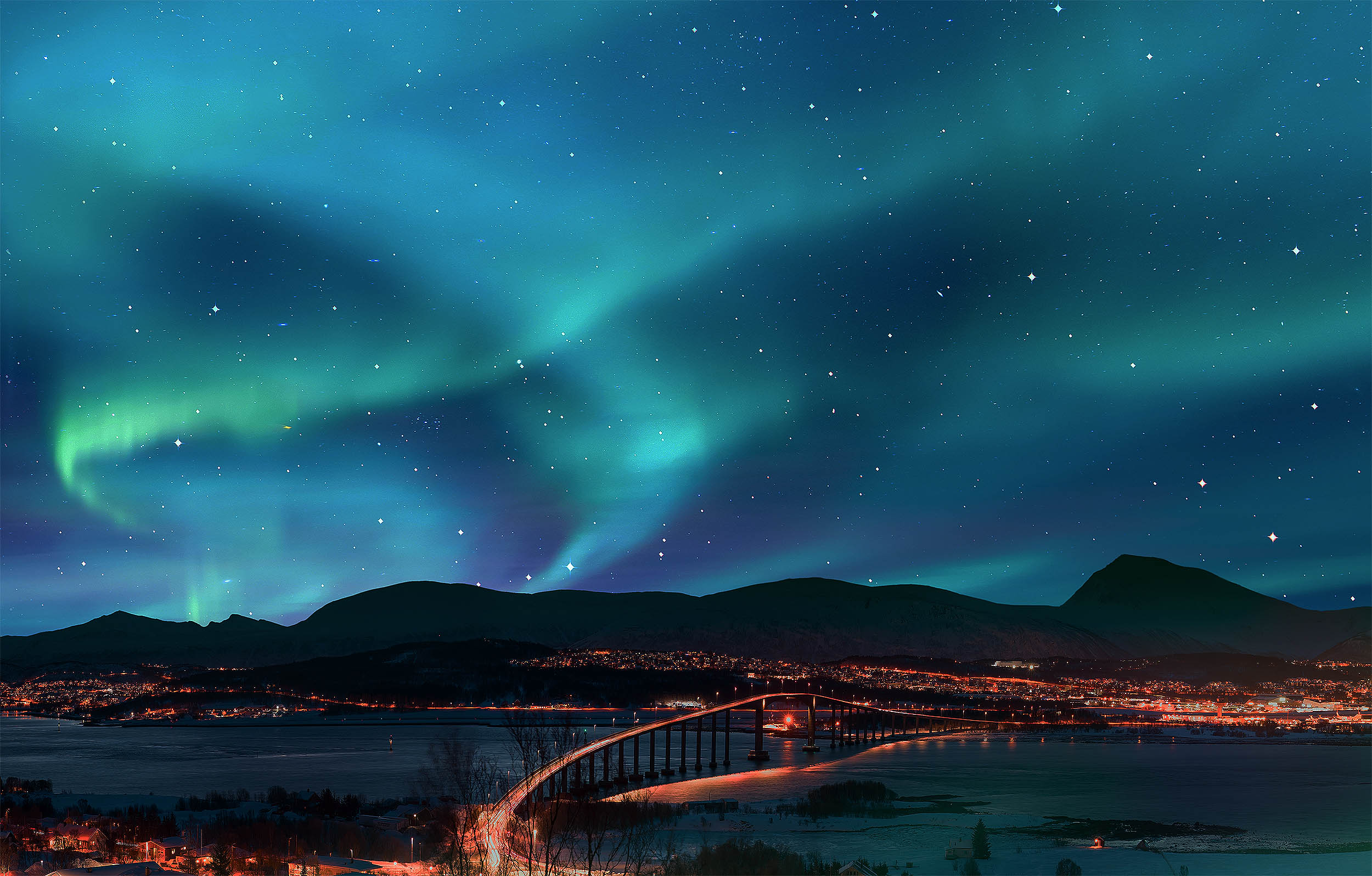
Scientists used a hyperspectral camera to measure the blue aurora's altitude over Sweden, finding it occurs higher than previously thought—about 124 miles above Earth—due to chemical reactions and ionospheric changes during dawn, providing new insights into upper atmospheric physics.
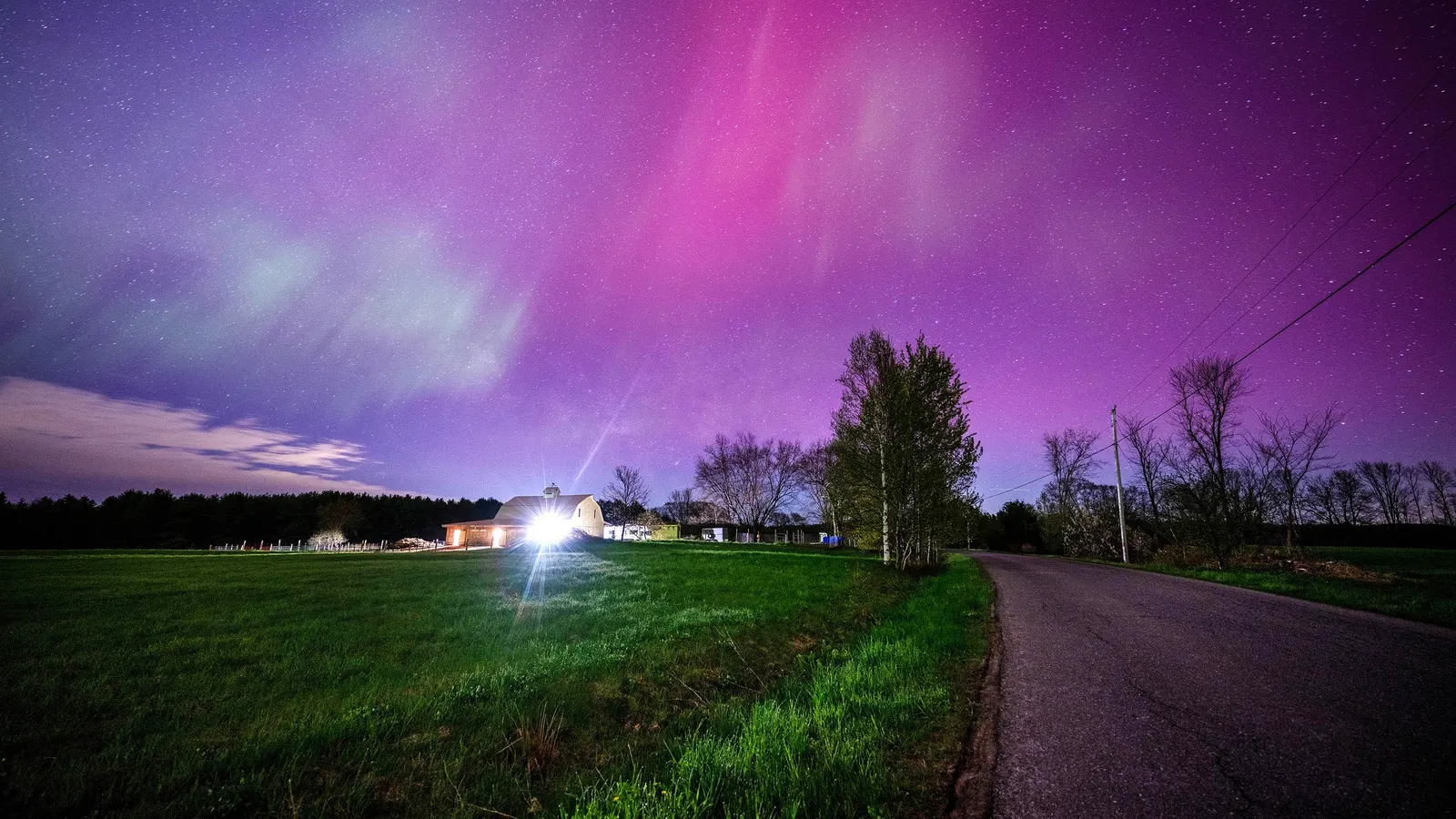
The northern lights may be visible in northern U.S. states due to minor geomagnetic storms caused by a coronal hole on the Sun, with the best viewing times between 10 p.m. and 2 a.m. and visibility extending to parts of Washington, Idaho, Montana, North Dakota, Minnesota, Wisconsin, Michigan, Maine, and Alaska.