Tag

Salt Intake

All articles tagged with #salt intake

health7 months ago

Unexpected Dessert Ingredient Linked to Increased Heart Attack Risk

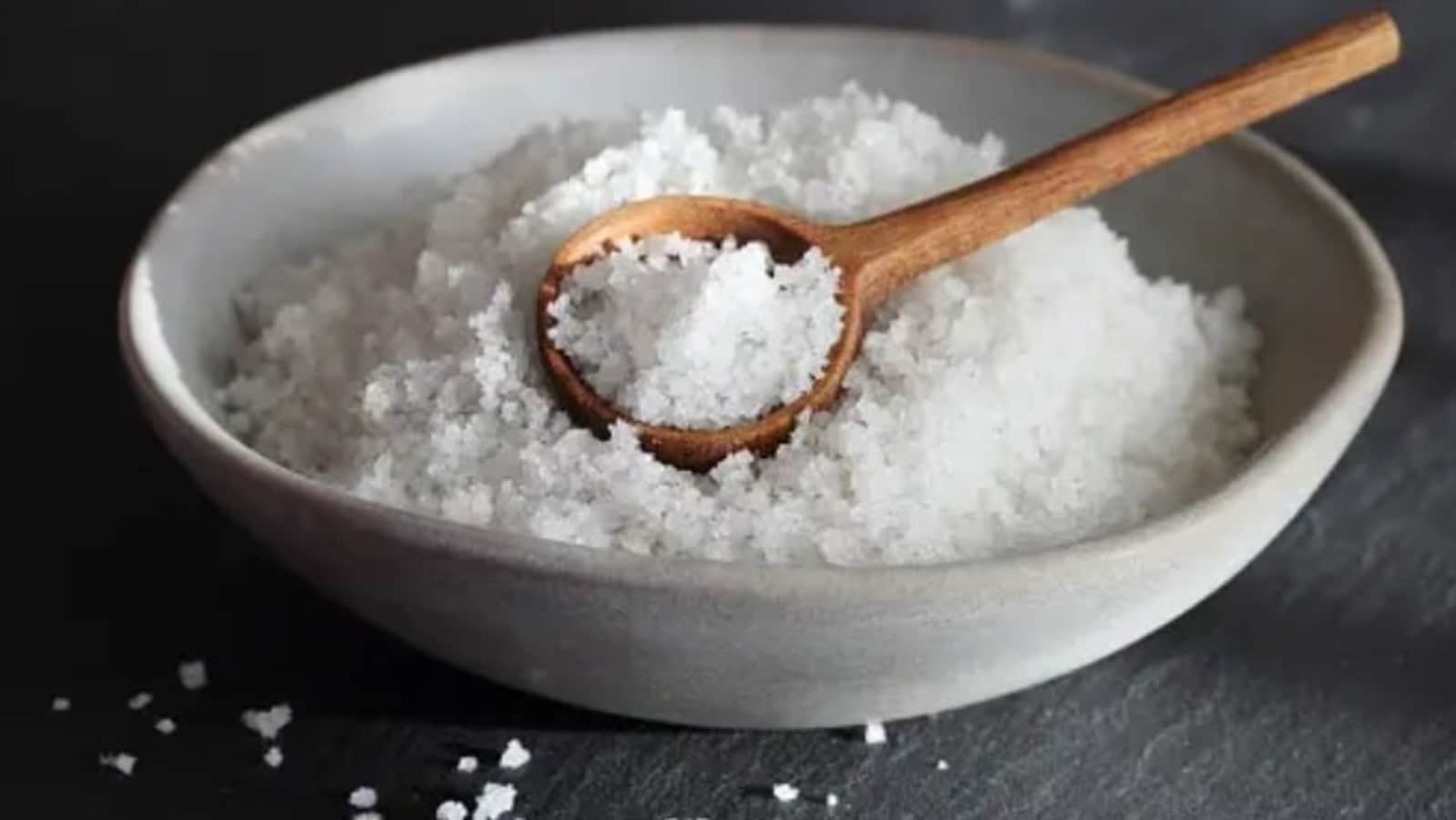
Cardiologists warn that coarse sea salt, often used as a garnish in desserts, contains high levels of sodium which can contribute to high blood pressure and increase the risk of heart disease, stroke, and kidney problems. Despite common beliefs, both coarse and fine salts contain about 40% sodium, and excessive intake is widespread, with most Americans consuming far more than the recommended limit. Reducing salt intake can significantly lower blood pressure and improve overall health.

health1 year ago

High-Salt Diets Linked to Increased Eczema Risk

A new study from the University of California, San Francisco, has found that consuming salty foods significantly increases the risk of eczema flare-ups. Each additional gram of sodium per day raises the likelihood of developing eczema by 22 percent. The research, which analyzed data from over 215,000 people, suggests that high salt intake may promote the growth of staphylococcus aureus bacteria, leading to skin irritation. With 90 percent of Americans consuming too much salt, reducing sodium intake could help manage eczema symptoms.

health1 year ago

"High Salt Intake Linked to Heart Disease in Majority, Urgent Need for Reduction"

A new study reveals that most people with heart disease consume more than double the recommended daily amount of salt, which can exacerbate their condition by raising blood pressure and causing fluid retention. Despite dietary guidelines recommending a limit of 1,500 milligrams per day, nine out of 10 heart patients reported exceeding this limit, with an average intake of 3,096 milligrams per day. Researchers suggest that finding practical ways to estimate dietary sodium levels and reducing the sodium content of food could help individuals adhere to these guidelines and reduce the impact of cardiovascular disease.

health-nutrition1 year ago

"Link Found Between Pro-Inflammatory Diet, High Salt Intake, and Increased Type 2 Diabetes Risk"

A study found that individuals following a pro-inflammatory diet and consuming high levels of salt had a higher risk of developing type 2 diabetes. The research, which analyzed data from over 170,000 participants, revealed an 18% increased risk for T2D in those with a pro-inflammatory diet and a 4% increased risk for each one-point increment in the energy-adjusted Dietary Inflammatory Index (DII). The study suggests that promoting an anti-inflammatory diet and reducing salt intake could help prevent the onset of type 2 diabetes.

health1 year ago

"Balancing Salt Intake for Better Health: Tips for Reducing Sodium and Avoiding Hypertension"

The recommended daily salt intake for healthy adults is 2,300 milligrams, with an ideal limit of 1,500 milligrams, but the average American consumes about 3,500 milligrams, mostly from processed foods. Too much salt can lead to high blood pressure, heart disease, stroke, and other health issues. While some people may need to reduce their salt intake, others, such as those with certain health conditions or high-performance athletes, may require more salt. It's important to consult with a doctor to determine the appropriate salt intake for individual health needs.

health1 year ago

"Bananas Beat Salt: The Surprising Key to Lowering Blood Pressure"

A study has found that consuming an extra gram of potassium per day, equivalent to two medium-sized bananas, can be more effective at lowering blood pressure than reducing salt intake. The research, which analyzed data from over 20,000 people in China, revealed that increasing potassium intake led to lower blood pressure levels and reduced the risk of stroke and heart disease. Experts are now calling for an overhaul of official advice on high blood pressure to include references to increasing potassium intake, as it is found to be a cost-effective and practical way to mitigate the population's risk of high blood pressure.

health1 year ago

"Eating Bananas More Effective Than Cutting Salt for Lowering Blood Pressure"

A study found that consuming an extra gram of potassium per day, equivalent to two medium-sized bananas, could be more effective at lowering blood pressure than reducing salt intake. The research, which analyzed data from over 20,000 people, revealed that increasing potassium intake led to lower blood pressure levels and reduced the risk of stroke and heart disease. Experts are now calling for an overhaul of official advice on high blood pressure to include references to increasing potassium intake, as it is a cost-effective and practical way to mitigate the population's risk of high blood pressure.

health1 year ago

"Salt Substitutes: A 40% Reduction in High Blood Pressure Risk"

Most Americans consume far more salt than the recommended limits, leading to health risks such as high blood pressure, heart disease, and kidney disease. While healthy adults need only 500 milligrams of salt per day, many consume around 3,500 milligrams, with 70% coming from processed foods. Some individuals, such as those with high blood pressure, heart failure, or kidney disease, need to limit their salt intake, while others, like high-performance athletes or those with certain medical conditions, may require more salt. It's important to discuss salt intake with a doctor to determine individual needs.

neuroscience1 year ago

"Unveiling the Brain's Thirst and Salt Regulation Network"

Researchers have identified two distinct neuron populations in the parabrachial nucleus (PBN) that respond to water and salt intake, shedding light on how the brain regulates thirst and salt appetite. Activation of these neurons reduces water and salt consumption, even in deprived conditions, providing crucial insights into brain mechanisms controlling fluid balance and related disorders. This research has significant implications for understanding disorders caused by excessive water and salt consumption.

health2 years ago

Unveiling the Brain's Influence on Our Taste for Salt

Two sets of neurons in the brain determine salt cravings and tolerance levels. A study on mice found that when salt levels are low, a set of neurons in the back of the brain increases the craving for salt, while a different set of neurons in the front of the brain monitors the saltiness of food and water. When salt levels become extremely low, the body sends a signal that overrides the salt-limiting neurons, allowing mice to tolerate the saltiness of sea water. Understanding how the brain processes saltiness could have health implications and help develop strategies to reduce salt intake.

health-and-wellness2 years ago

The Power of Superfoods and Salt Reduction in Managing High Blood Pressure

This article provides tips on reducing salt intake by swapping out high-sodium ingredients with healthier alternatives. It suggests using superfoods like herbs, spices, and citrus fruits to add flavor to dishes without relying on salt. The article also includes recipe ideas and highlights the importance of reducing sodium for overall health.

health2 years ago

The Surprising Link Between Salt and Type 2 Diabetes

A new observational study from Tulane University suggests an association between salt use and the risk of developing type 2 diabetes. However, the study cannot prove causation, and the data used to assess salt intake was limited. While reducing salt intake is generally recommended for overall health, it is important to focus on maintaining a healthy weight, being physically active, and eating a balanced diet to reduce the risk of type 2 diabetes.

health2 years ago

The Surprising Link Between Salt Consumption and Type 2 Diabetes

A study conducted by Tulane University suggests that frequent salt consumption is associated with an increased risk of developing Type 2 diabetes. The study surveyed over 400,000 adults and found that those who frequently added salt to their food had a higher risk of developing diabetes. The findings highlight the benefits of reducing salt intake and adopting low-sodium diets as a preventive measure against diabetes. Further research is needed to understand the exact mechanisms behind this association.