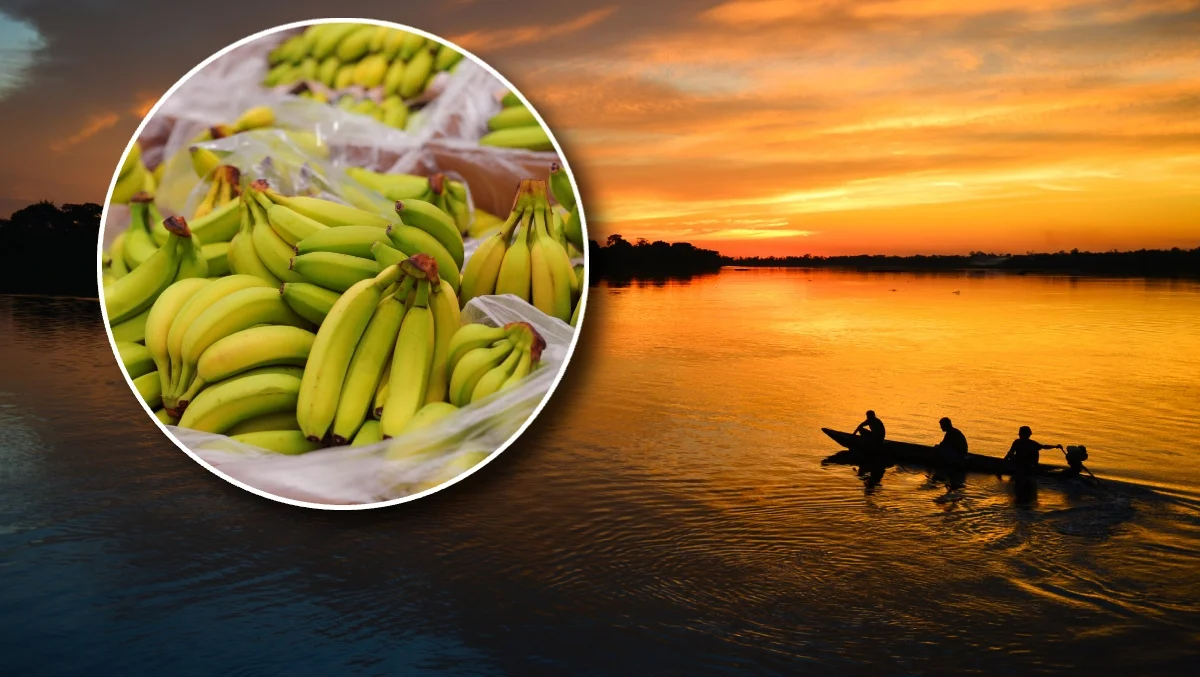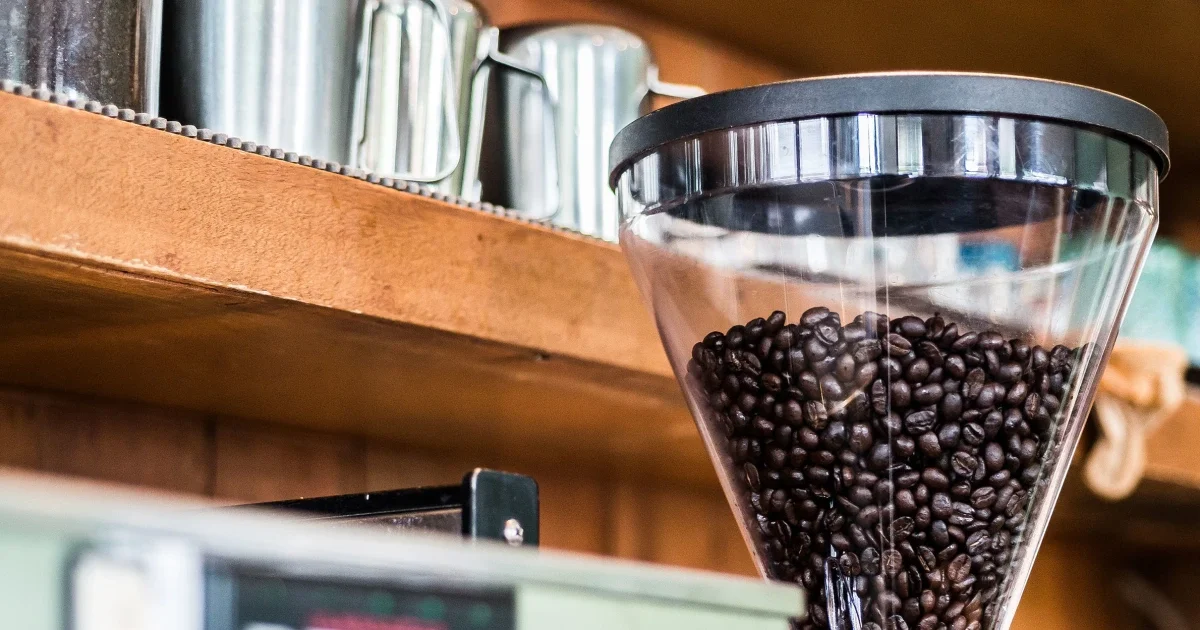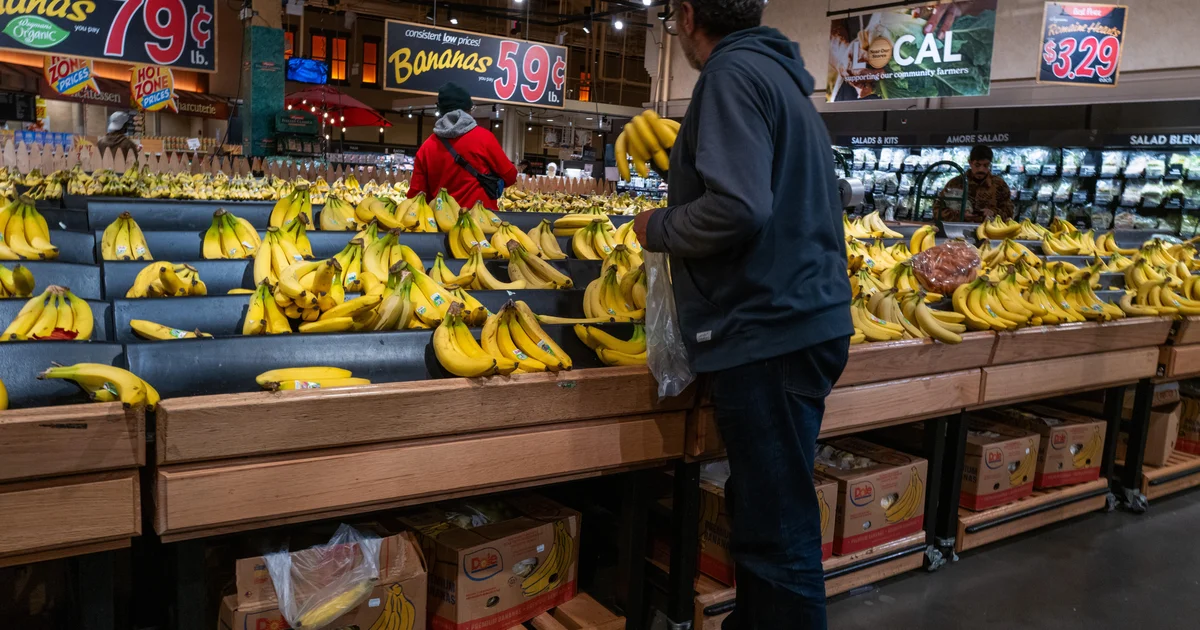
Treasury Secretary Scott Bessent announced that substantial tariff relief on items like coffee and bananas is imminent, aiming to lower prices and ease inflation, with expectations of positive effects by early 2026. The administration plans to reduce duties on imported goods not produced domestically, including coffee from Brazil and bananas from Central American countries, amidst ongoing trade discussions and tariff adjustments.
The prices of beef, bananas, and coffee have surged due to a combination of climate change impacts, supply chain disruptions, tariffs, and economic factors, with beef prices reaching their highest levels since the 1980s, coffee and banana prices also hitting record highs, reflecting ongoing inflation and supply constraints.
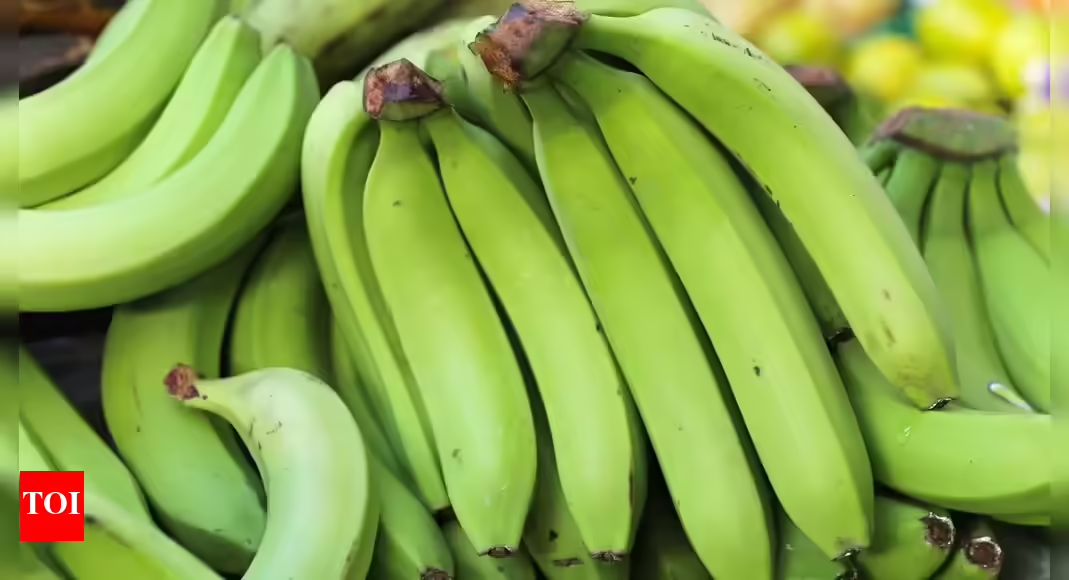
A gastroenterologist from AIIMS shares nine simple food tips to improve gut health and overall wellness, emphasizing the benefits of slightly green bananas, proper rice preparation, berries, chia seeds, yogurt, nuts, leafy greens, olive oil, and hydration, all of which can be incorporated into daily diets without expensive superfoods.
A new study suggests that eating potassium-rich foods like leafy greens and bananas can reduce the risk of heart disease by 24% by helping the body eliminate excess sodium, which is linked to cardiovascular problems. The research highlights the importance of a diet high in potassium and low in processed foods to support heart health.
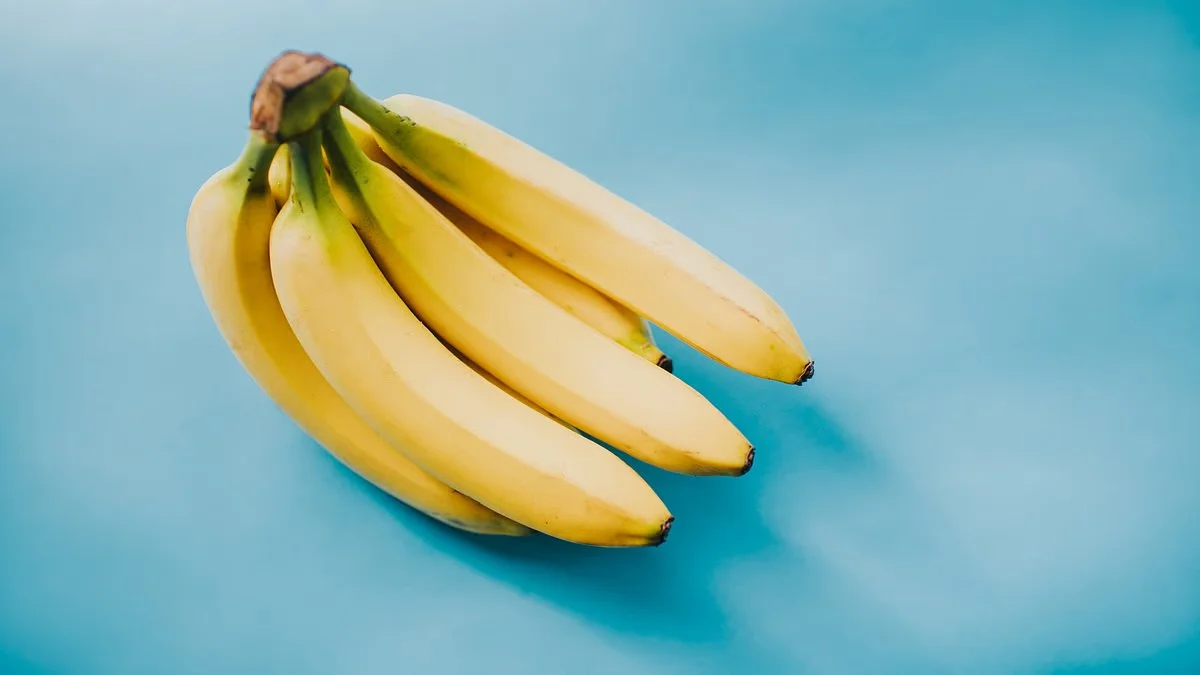
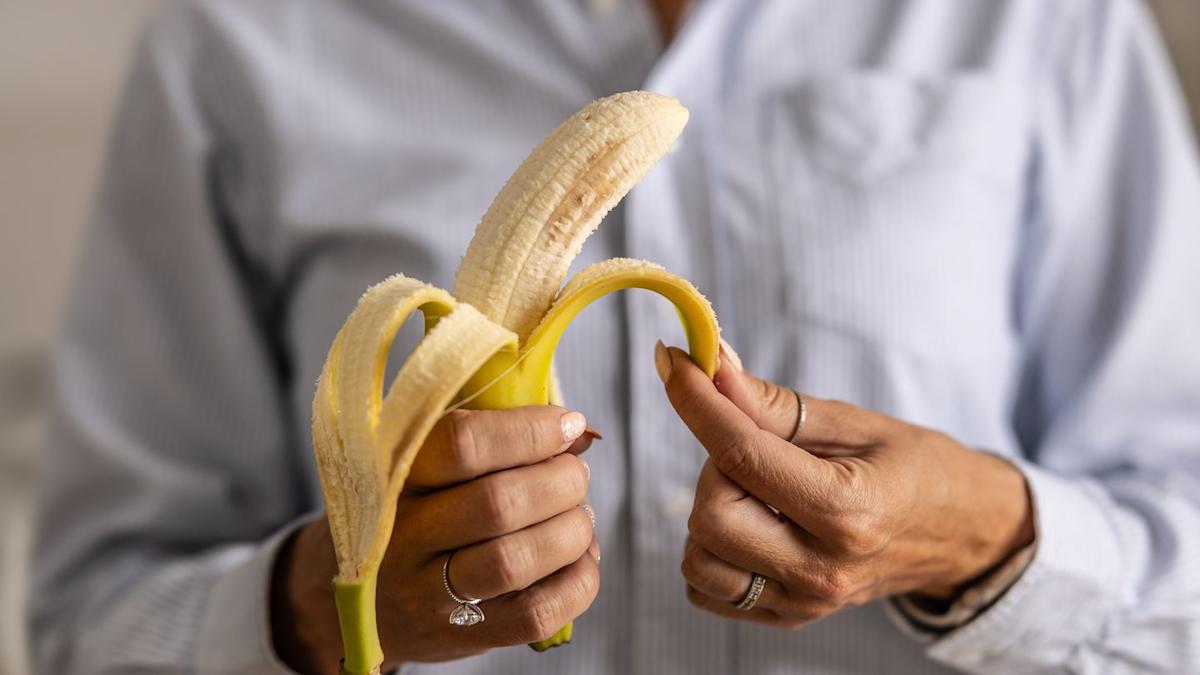
Eating a banana daily for a week improved energy levels, digestion, and curbed sweet cravings, highlighting bananas as a nutritious, convenient, and affordable fruit that supports overall health, especially due to their potassium, fiber, and vitamin B6 content.
Bananas contain fiber and resistant starch that may help support bowel regularity, especially unripe bananas with higher resistant starch content. They are generally safe for most people and can be included in a balanced diet to aid digestion, but they are not a laxative. People with sensitive digestive systems should be cautious, and maintaining hydration and a high-fiber diet overall is recommended for preventing constipation.
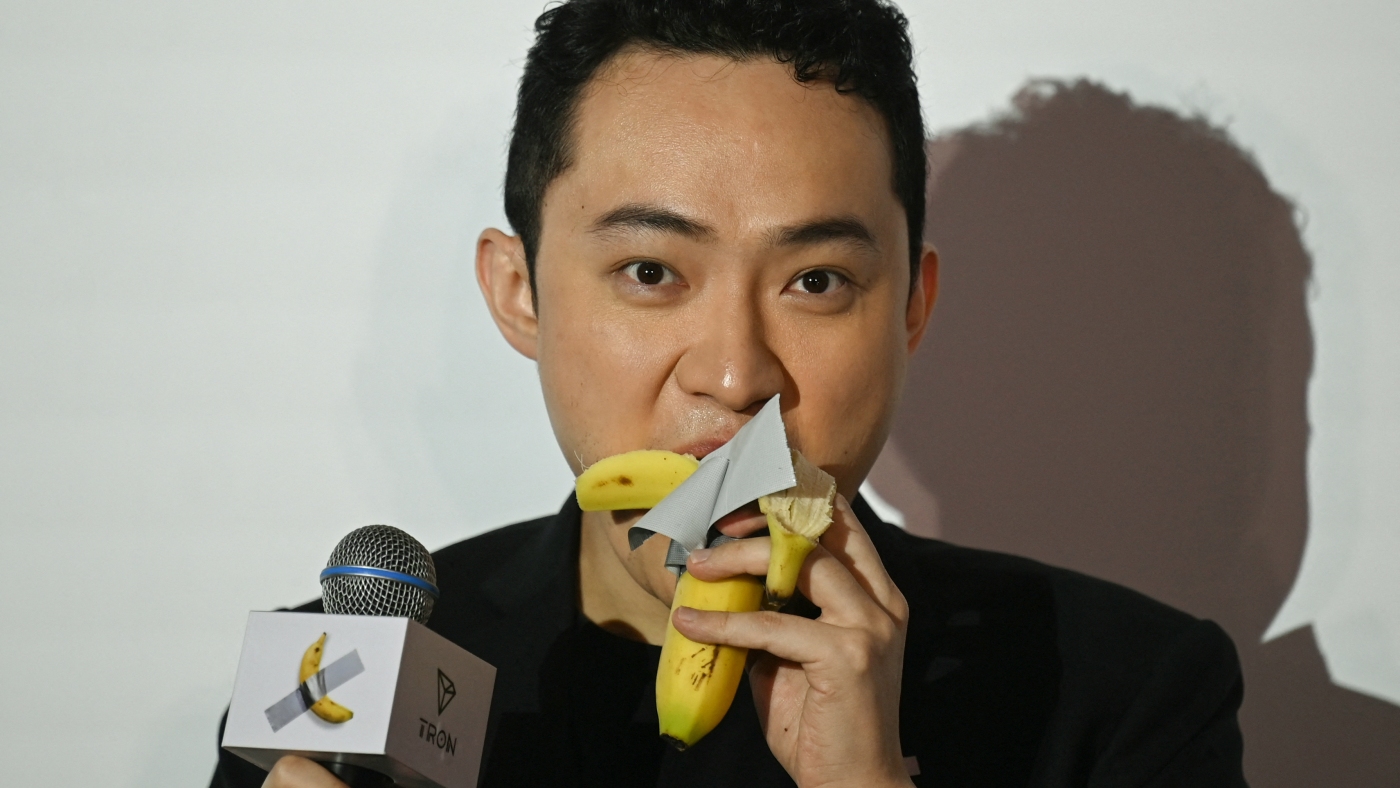
Chinese cryptocurrency entrepreneur Justin Sun ate a banana artwork he purchased for $6.2 million, created by Italian artist Maurizio Cattelan, in a social media stunt. Sun, who bought the piece at a New York auction, humorously commented on the banana's taste and pledged to buy 100,000 bananas for free distribution, though logistical challenges were noted by the original banana seller. Sun is known for high-profile purchases, including a $4.8 million lunch with Warren Buffett and a $28 million space trip bid.
Dr. Pedi Mirdamadi advises against adding bananas to berry smoothies due to a study showing that bananas significantly reduce the absorption of flavanols, which are crucial for heart and brain health. Instead, he suggests using avocados for creaminess and healthy fats. Despite the findings, many people on TikTok remain unconvinced and continue to add bananas to their smoothies.
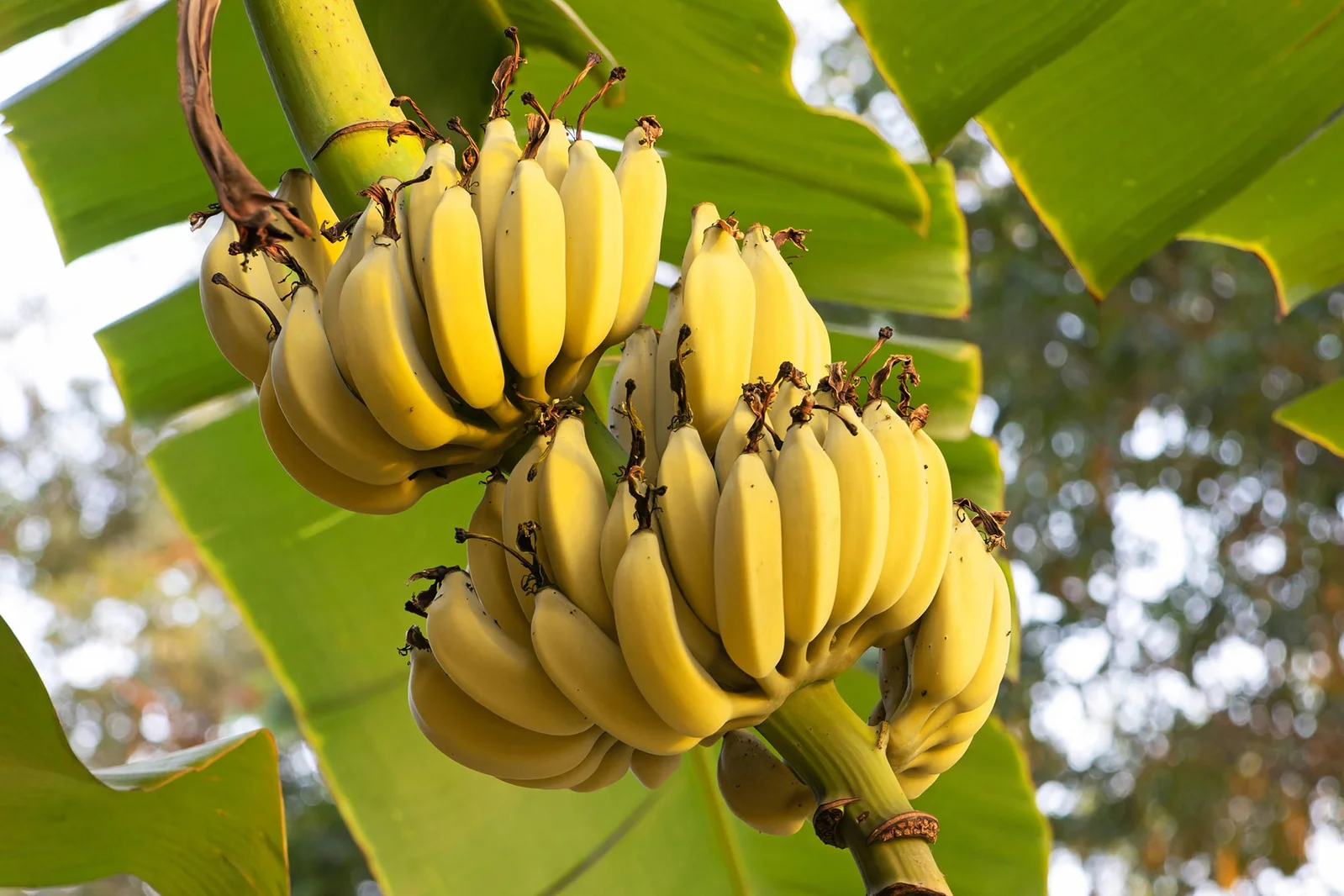
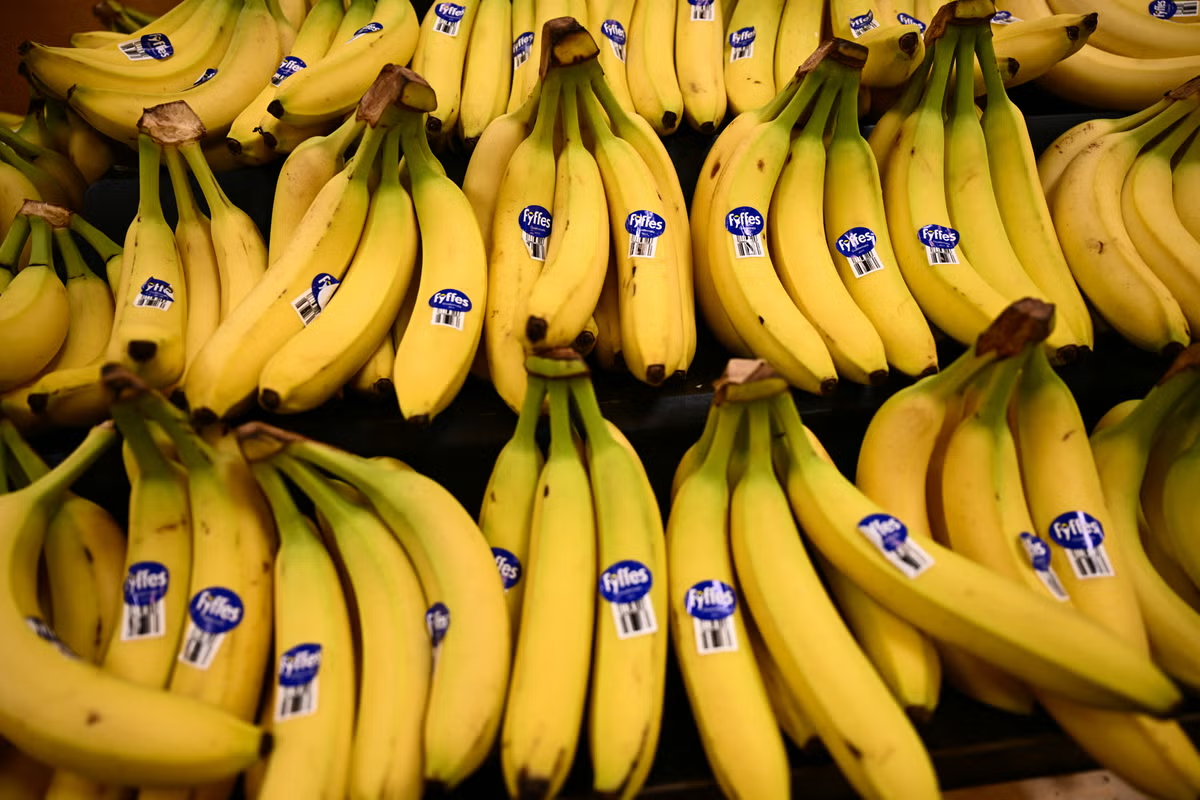
Trader Joe's has raised the price of its bananas for the first time in over 20 years, citing increased farming costs and growing demand. The price of a single banana has increased to 23 cents, a 21% rise. This change reflects broader trends in banana pricing, with global prices experiencing spikes due to inflation, higher farming costs, and the impact of climate change on banana production.
Trader Joe's has raised the price of bananas by four cents after maintaining the same price for 20 years, citing the need to adjust prices due to cost changes. This move has sparked mixed reactions from shoppers, with some expressing nostalgia and others highlighting the broader issue of rising grocery prices. The decision also brings attention to the impact of climate change on the banana sector, as the fruit faces threats from the climate crisis and fungal diseases.
Trader Joe's has increased the price of their bananas for the first time in over 20 years, raising it from 19 cents to 23 cents due to inflation and rising costs. The decision to sell bananas individually at a fixed price was made in 2001, and the 19-cent price had been a point of pride for the grocer.
Trader Joe's has raised the price of individual bananas from 19 cents to 23 cents, marking the first increase since 2001, citing the need to adjust prices as costs change. This move aligns with a broader national trend of inflation-touched groceries, despite a relatively strong economy. While the cost of bananas is expected to continue creeping up due to climate change, the chain has also reduced prices on other produce items. The decision to sell bananas individually at Trader Joe's stemmed from a customer's reluctance to buy a whole bunch, leading to the introduction of single banana sales.
Trader Joe's has raised the price of its bananas for the first time in over two decades, from 19 cents to 23 cents, reflecting broader national trends of increasing grocery prices due to inflation and external factors like the war in Ukraine and bird flu. Despite the price increase, the company has lowered prices for other popular items and emphasizes that the change is necessary due to cost increases.
Bananas are a popular and easily accessible fruit that offer various health benefits, including being a good source of potassium, vitamin C, and fiber, as well as providing energy and potentially reducing the risk of certain cancers. However, excessive consumption can lead to issues such as elevated potassium levels, digestive discomfort, blood sugar spikes, weight gain, and potential sleep disturbances. It's important to listen to your body and consume bananas in moderation, with experts recommending no more than two per day.
A study found that consuming an extra gram of potassium per day, equivalent to two medium-sized bananas, could be more effective at lowering blood pressure than reducing salt intake. The research, which analyzed data from over 20,000 people, revealed that increasing potassium intake led to lower blood pressure levels and reduced the risk of stroke and heart disease. Experts are now calling for an overhaul of official advice on high blood pressure to include references to increasing potassium intake, as it is a cost-effective and practical way to mitigate the population's risk of high blood pressure.