Reversing Anxiety in Mice by Repairing a Brain Circuit
Researchers discovered that rebalancing activity in a specific amygdala circuit in mice can reverse anxiety and social withdrawal, highlighting a potential target for mental health treatments.

All articles tagged with #brain circuits
Researchers discovered that rebalancing activity in a specific amygdala circuit in mice can reverse anxiety and social withdrawal, highlighting a potential target for mental health treatments.
A study reveals how synchronized signals between the entorhinal cortex and hippocampus stabilize memories during learning by balancing excitatory and inhibitory neural pathways, which may inform treatments for disorders like PTSD and schizophrenia.
New research indicates that psychedelics may enhance memory-related brain connections, particularly between the claustrum and anterior cingulate cortex, potentially explaining their therapeutic effects in mental health treatment by promoting neural plasticity and strengthening memory encoding.

A study reveals that the brain uses two distinct neural pathways to regulate sugar and fat intake in mice, activated by energy deficits, which could inform treatments for overeating and metabolic disorders.
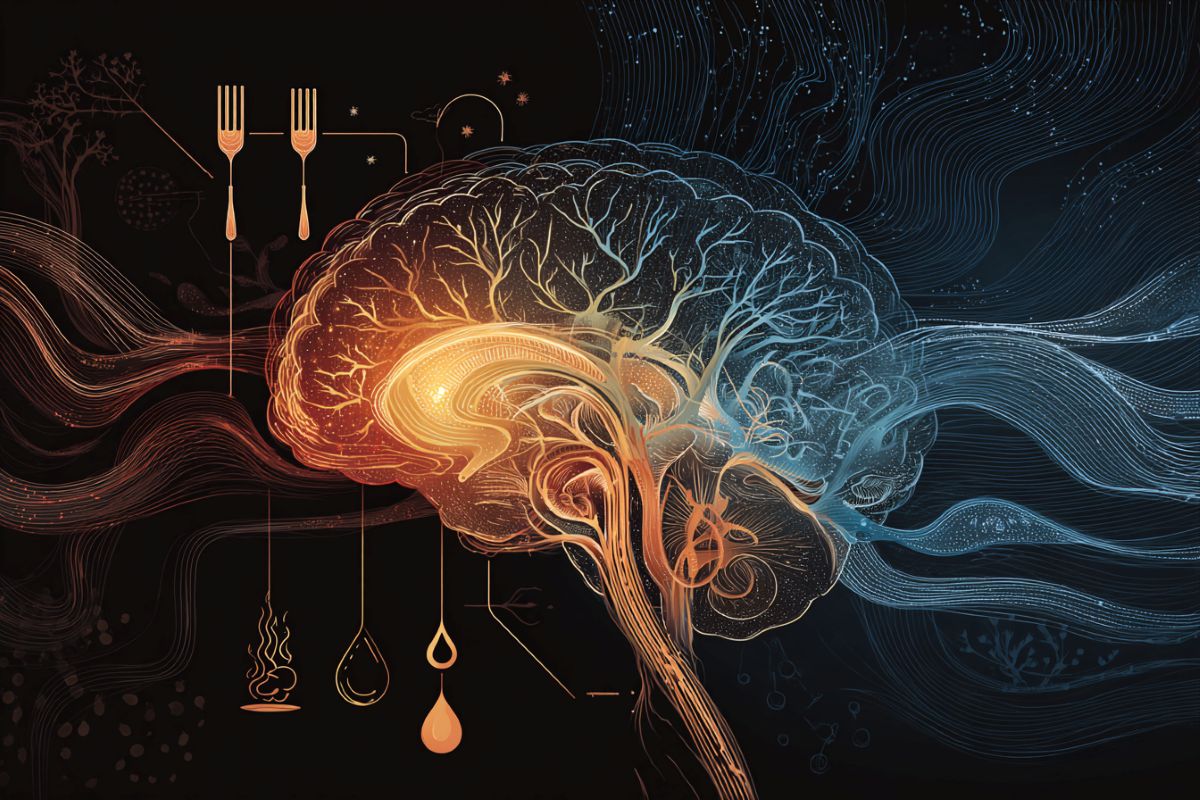
Research reveals a brainstem circuit involving Y1 receptor neurons that can suppress long-term pain by prioritizing survival needs like hunger and fear, opening new avenues for pain treatment targeting brain mechanisms rather than injury sites.
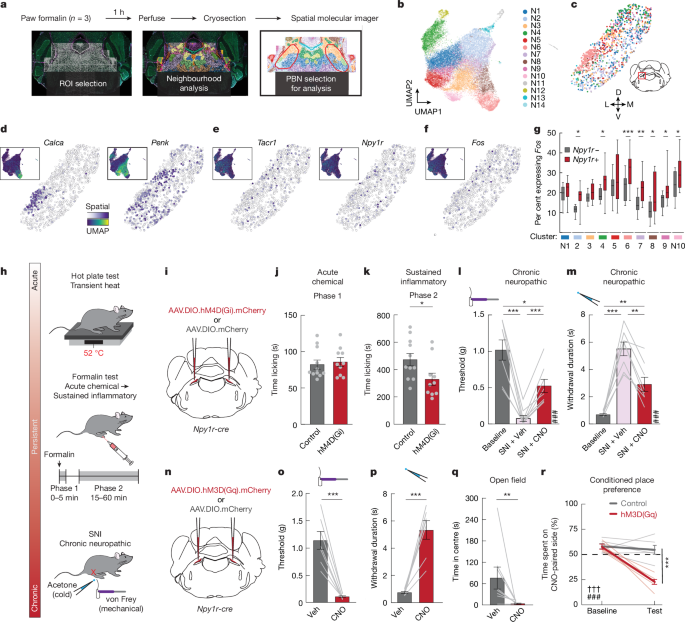
The study identifies Y1 receptor-expressing neurons in the lateral parabrachial nucleus as key modulators of long-term pain, showing that their activity correlates with persistent pain states and can be suppressed by need states like hunger and thirst through NPY signaling, which gates nociceptive input to promote survival.

A single dose of psilocybin in mice rapidly reversed chronic pain and depression-like symptoms within 24 hours, with effects lasting at least 12 days, by calming overactive neurons in the brain's anterior cingulate cortex and requiring partial activation of serotonin receptors, highlighting potential for new treatments in humans.

Scientists discovered specialized IC-encoder neurons in the brain that actively construct visual illusions by filling in missing contours, revealing that perception is an active, top-down process with implications for understanding perception disorders like schizophrenia.
A study from Scripps Research identifies the brain's PVT region as key in addiction, showing that alcohol relapse is driven by the brain's response to stress relief rather than pleasure, highlighting potential new treatment targets for substance use disorders.

Virginia Tech researchers are studying how mitochondrial stress and calcium overload in brain cells may cause early breakdown of memory circuits in Alzheimer's disease, focusing on the vulnerable entorhinal cortex to understand the disease's initial impact.
Research at Virginia Tech explores how childhood trauma rewires brain circuits, particularly the thalamic nucleus reuniens, leading to increased impulsive and pathological aggression later in life. Using advanced techniques like CRISPR and optogenetics, scientists aim to identify neural targets for therapies to mitigate trauma-induced aggression.

Research reveals that a specific brain circuit in mice, influenced by hormones like oxytocin and ovarian hormones, governs sex-specific mating behaviors, promoting receptivity in females during estrus and reducing interest in males, with the same neurons having opposite effects in males, highlighting how hormonal states and sex shape social and sexual behaviors.

Research shows that during intense exercise, people perceive time as passing more slowly due to sensory overload and neural activity in brain regions involved in timing and movement, but this illusion quickly dissipates after stopping exercise. Understanding this distortion can help athletes better calibrate effort and pacing, emphasizing the importance of external cues like distance markers or timers over internal sense of time.

Researchers have identified a small group of neurons in the mouse brain's medial orbitofrontal cortex that suppress binge drinking; turning these neurons off increases alcohol consumption, suggesting potential targeted treatments for alcohol use disorder in humans, though further research is needed to confirm similar mechanisms.
Researchers at UC Irvine have identified two neural circuits in the retrosplenial cortex crucial for spatial navigation and memory. The M2-projecting pathway links spatial thought to action, while the AD-projecting pathway supports location-specific memory. Inhibiting these circuits impairs memory and spatial actions, offering insights into neurodegenerative disorders like Alzheimer's and potential targeted treatments.