A 76-year-old man with persistent diarrhea unresponsive to vancomycin may have recurrent or resistant Clostridioides difficile infection, which requires further testing and possibly alternative treatments like fidaxomicin or fecal microbiota transplant, highlighting the complexity of managing C. diff infections.
A new rapid test for urinary tract infections can quickly identify the most effective antibiotic for each patient, reducing diagnosis time by up to 24 hours and potentially decreasing the use of broad-spectrum antibiotics, thereby helping to combat antibiotic resistance.
The article discusses the recent FDA approval of two new antibiotics for gonorrhea, highlighting the innovative, not-for-profit development model of zoliflodacin by GARDP, which aims to make essential antibiotics more accessible globally, especially in low- and middle-income countries, amidst rising antimicrobial resistance.
A study suggests that doxycycline, an antibiotic used for acne, may be linked to a 30% lower risk of developing schizophrenia in adolescents, possibly due to its effects on immune response and inflammation, though further research is needed to confirm causality.
The article discusses how ongoing conflicts and wars are exacerbating the global issue of drug resistance, highlighting the urgent need for addressing this growing public health threat.
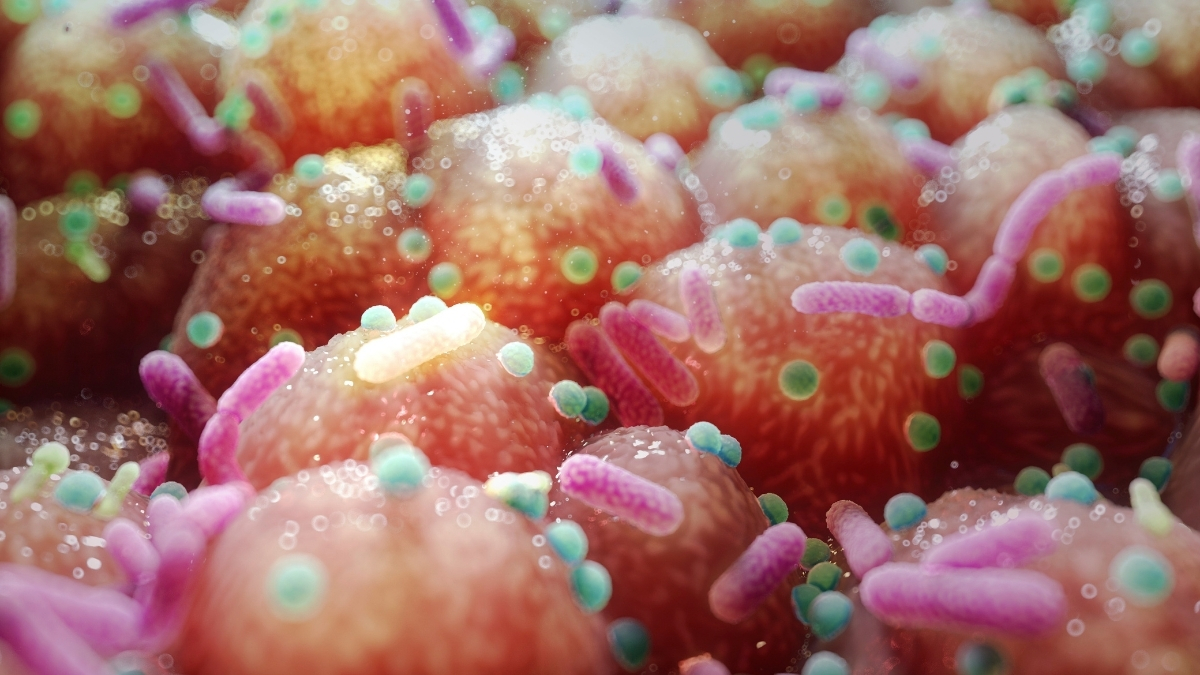
Recent research shows that many common medications, including antibiotics, antidepressants, and PPIs, can cause long-lasting changes to the gut microbiome, potentially affecting immunity, metabolism, and mood. The study emphasizes the importance of considering past medication use and adopting lifestyle and dietary strategies to support gut health. While medications are essential, awareness of their impact on gut microbes is crucial for overall health management.
A large study finds that common drugs, including antibiotics, antidepressants, and benzodiazepines, can cause long-lasting changes to the gut microbiome, with effects persisting for years and potentially impacting health, emphasizing the need to consider medication history in microbiome research and treatment.
A study published in mSystems reveals that several common medications, including antibiotics, antidepressants, beta-blockers, and acid reducers, can cause lasting disruptions to the gut microbiome, potentially impacting health for years after use. The research highlights the importance of cautious medication use and lifestyle choices to maintain gut health.
A recent study reveals that several common medications, including antibiotics, antidepressants, beta-blockers, and acid reducers, can cause lasting disruptions to the gut microbiome, potentially impacting health for years after use. The study emphasizes the importance of cautious medication use and lifestyle factors like diet and exercise to support gut health.
Researchers have developed a promising new compound, CMX410, that targets a vital enzyme in tuberculosis bacteria, showing effectiveness against drug-resistant strains and offering hope for improved treatments for the deadliest infectious disease.
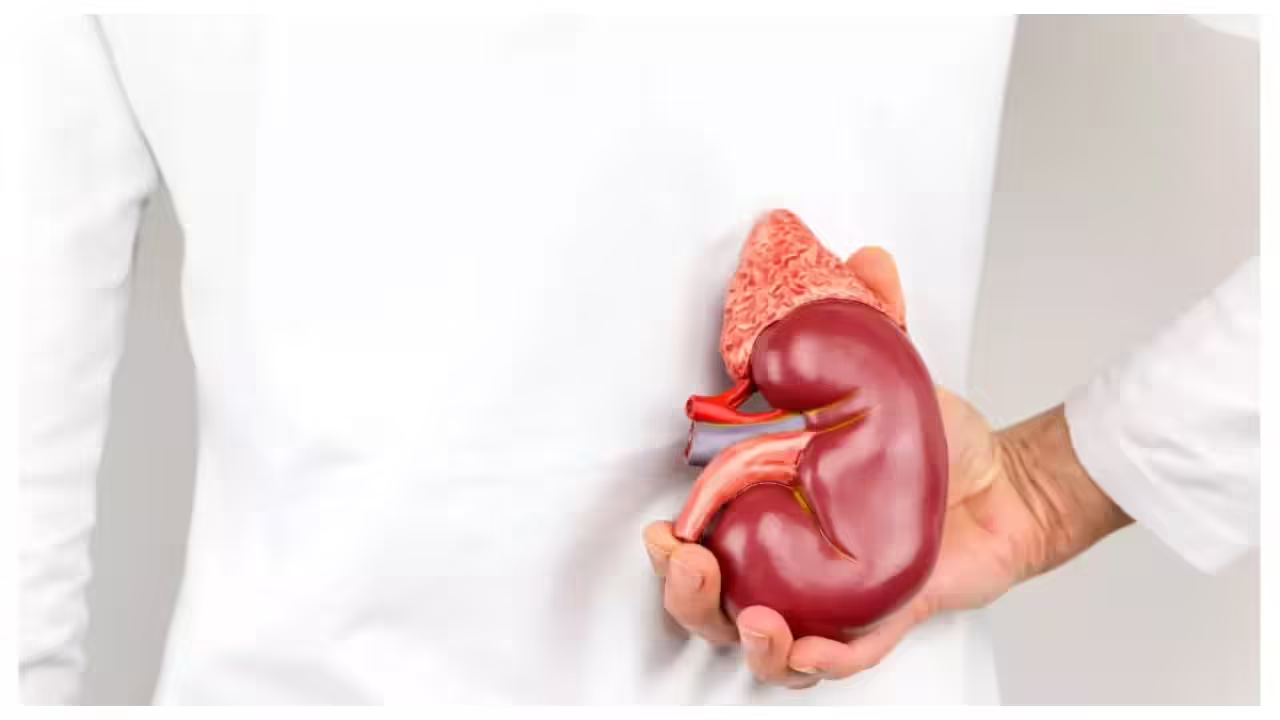
The article highlights five key factors that can harm kidney health: excessive use of NSAIDs, high salt intake, dehydration, certain antibiotics, and intravenous contrast dyes. It emphasizes the importance of proper medication use, a balanced diet, adequate hydration, and medical supervision to protect kidney function.
New research indicates that certain medications, including antibiotics, antidepressants, and proton pump inhibitors, can cause lasting changes to the gut microbiome, potentially affecting health, immune function, and disease risk for up to a decade after use. Doctors emphasize the importance of taking medications as prescribed and highlight the need for further research on the microbiome's role in overall health.
Poor gut habits such as consuming processed foods, excessive sugar, insufficient vegetables, late-night snacking, and overusing antibiotics can significantly harm gut health, leading to inflammation, digestive issues, and broader health problems. Improving diet by eating whole foods, fiber-rich vegetables, and using antibiotics responsibly can help maintain a healthy gut microbiome.
A large study from the University of Tartu found that medications taken years ago can have lasting effects on the gut microbiome, with antibiotics, antidepressants, and other drugs leaving persistent microbial changes that should be considered in health assessments.
Scientists captured detailed images showing how polymyxin antibiotics attack gram-negative bacteria like E. coli by forcing their outer membranes to produce bumps and shed, allowing the antibiotic to infiltrate and kill the bacteria. The study enhances understanding of how these antibiotics work and suggests strategies to improve their effectiveness against resistant bacteria.