Johnson & Johnson has discontinued its mid-stage trial of the experimental eczema drug JNJ-5939 after it failed to meet efficacy goals, but remains committed to developing other treatments for atopic dermatitis.
A young runner was misdiagnosed with shingles after developing a rash during marathon training, leading to an 8-hour ER visit and unnecessary treatment before being correctly diagnosed with eczema, highlighting issues in medical diagnosis and costs.
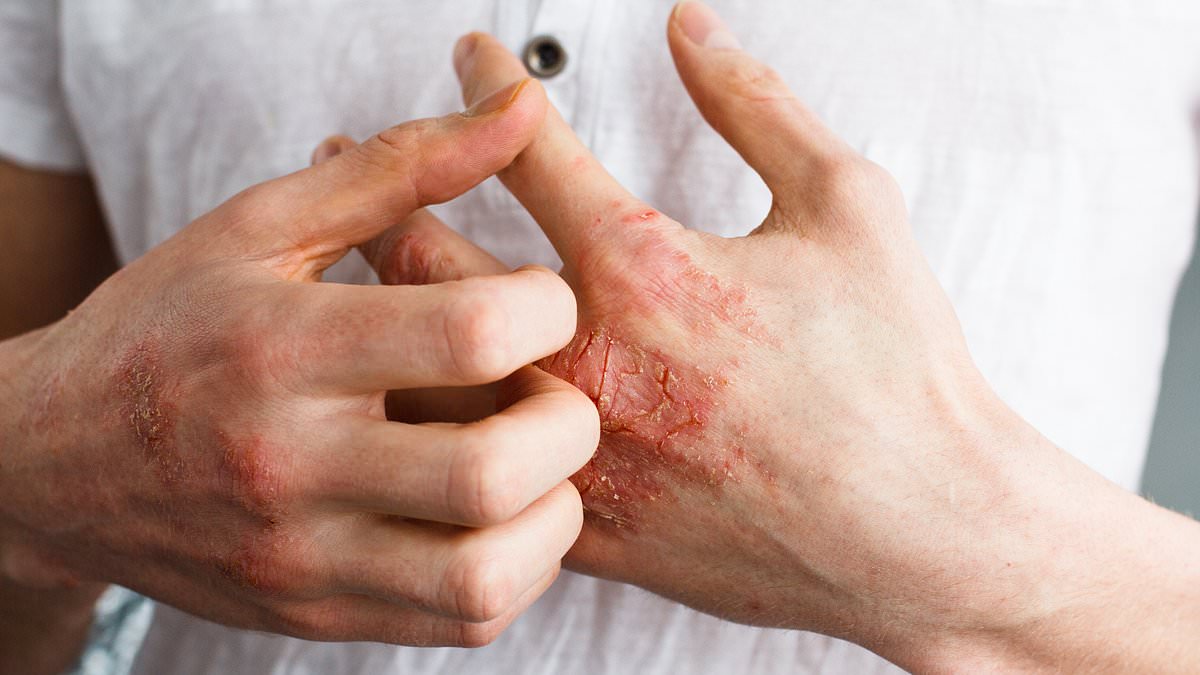
Eczema is a chronic inflammatory skin condition affecting about 10% of U.S. adults and children, characterized by red, itchy skin, with no current cure, making treatment challenging.
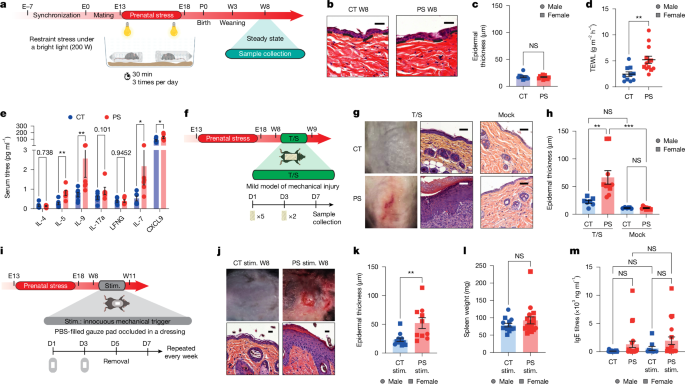
Maternal prenatal stress triggers early-life eczema in offspring by programming fetal mast cells through elevated corticosterone levels, leading to skin barrier alterations and heightened mechanical sensitivity, with effects reversible by corticosterone normalization.
Research shows children with higher levels of triclosan in their urine are 23% more likely to develop eczema symptoms, highlighting concerns over its presence in various personal care products despite regulatory restrictions.
Apogee Therapeutics' promising eczema drug showed strong efficacy in Phase 2 trials, outperforming rivals like Sanofi's Dupixent, but its shares fell sharply after the announcement. The drug could potentially rival Sanofi's top revenue-generating treatments if further trials succeed, with plans for Phase 3 testing in 2026.
Nektar Therapeutics' stock surged over 90% after successful midstage trial results for its eczema drug rezpegaldesleukin, which showed significant symptom improvement and demonstrated a new biological approach to treating inflammatory and autoimmune skin conditions.
Research suggests that early exposure to dogs may help protect children with certain genetic profiles from developing atopic eczema, a common chronic skin condition, by influencing immune response and skin barrier health. However, the effect varies among individuals, and more diverse studies are needed to confirm these findings across different populations.
Recent research suggests that air pollution, particularly fine particulate matter (PM2.5), may increase the risk of developing eczema, with higher rates observed in heavily polluted areas. This study, conducted by Yale University, highlights the potential health implications of air pollution, which has also been linked to autism risk in children when exposed during pregnancy. The findings underscore the need for stricter pollution control measures, as air pollution is a significant global health concern.
A study by UC San Francisco published in JAMA Dermatology found that consuming an extra gram of sodium daily can increase the risk of eczema flare-ups by 22%. Researchers analyzed medical records and urine samples from over 215,000 UK residents and 13,000 Americans, linking higher sodium intake to increased chances and severity of eczema.
A new study from the University of California, San Francisco, has found that consuming salty foods significantly increases the risk of eczema flare-ups. Each additional gram of sodium per day raises the likelihood of developing eczema by 22 percent. The research, which analyzed data from over 215,000 people, suggests that high salt intake may promote the growth of staphylococcus aureus bacteria, leading to skin irritation. With 90 percent of Americans consuming too much salt, reducing sodium intake could help manage eczema symptoms.
A UCSF study reveals that consuming just one extra gram of sodium daily can increase the risk of eczema flares by 22%, suggesting that reducing salt intake could help manage the condition. Researchers analyzed data from over 215,000 people and found a significant correlation between higher sodium levels and increased eczema severity.
An 11-year-old aspiring dancer has been diagnosed with a skin condition that makes her allergic to her own tears and sweat, making it excruciatingly painful for her to continue dancing. Hospitalized with severe eczema, she is now trialling a new injection treatment called Dupixent, but still experiences painful facial flares. Australian children have one of the highest incidences of eczema in the world, and the extreme heat is exacerbating the issue. There is currently no cure for eczema, so managing symptoms is crucial, with tips including avoiding harsh skincare products and identifying potential allergens.
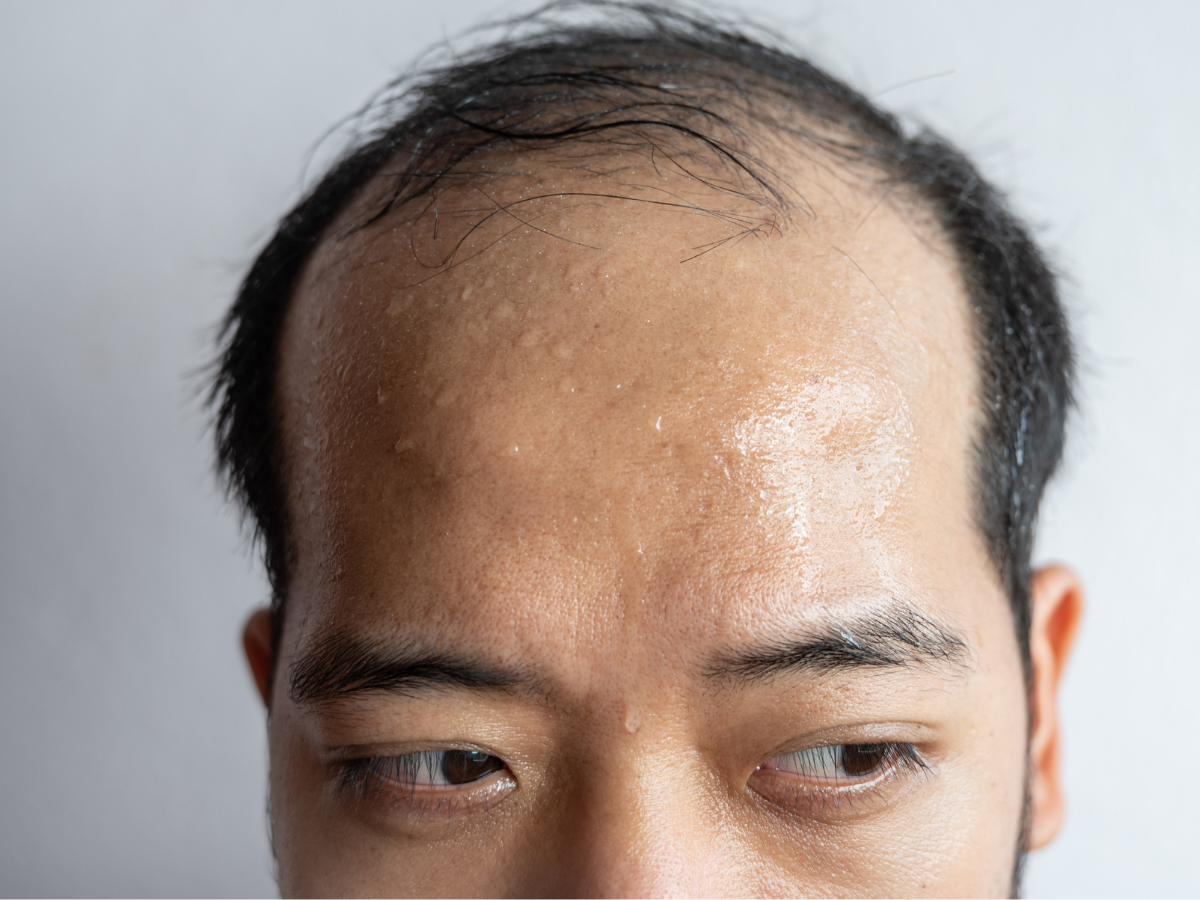
Vitamin D deficiency can manifest in various skin-related signs such as pale or dry skin, excessive hair loss, excessive sweating on the forehead, fast aging skin, and eczema flare-ups. Maintaining optimal vitamin D levels is crucial for overall health, and spending time in the sun and considering nutraceutical supplements can help address deficiencies.
Scientists from Harvard University have discovered that the intense itchiness associated with eczema is caused by the bacteria Staphylococcus aureus, rather than inflammation of the skin itself. They identified the enzyme V8 protease as responsible for triggering the itch, and believe that the drug vorapaxar, currently used to prevent blood clots, could be modified to break the itch-scratch cycle of eczema. The researchers found that blocking the nerve receptor associated with the itch was effective in reducing itchiness in mice. Eczema affects up to 25% of the population and can have a significant impact on quality of life.