
health-nutrition4.43 min read
"Risks of Plant-Based Diets: Study Reveals Health Concerns with Vegan Meat Alternatives"
1 year ago•Source: Daily Mail

The latest health nutrition stories, summarized by AI

A study by Swansea University's School of Psychology tracked 14,000 British children from birth to adulthood and found that consuming sugar-sweetened drinks in early childhood is linked to poor diet patterns and an increased risk of obesity in later life. Children who drank fizzy drinks before age two gained more weight at 24, while those who had pure fruit juice gained less weight. The study also revealed differences in food choices, with pure apple juice drinkers opting for healthier foods. Lead researcher Professor David Benton emphasized the importance of establishing good dietary habits early in life to combat adult obesity.

ABC News•1 year ago
KCRA Sacramento•1 year ago
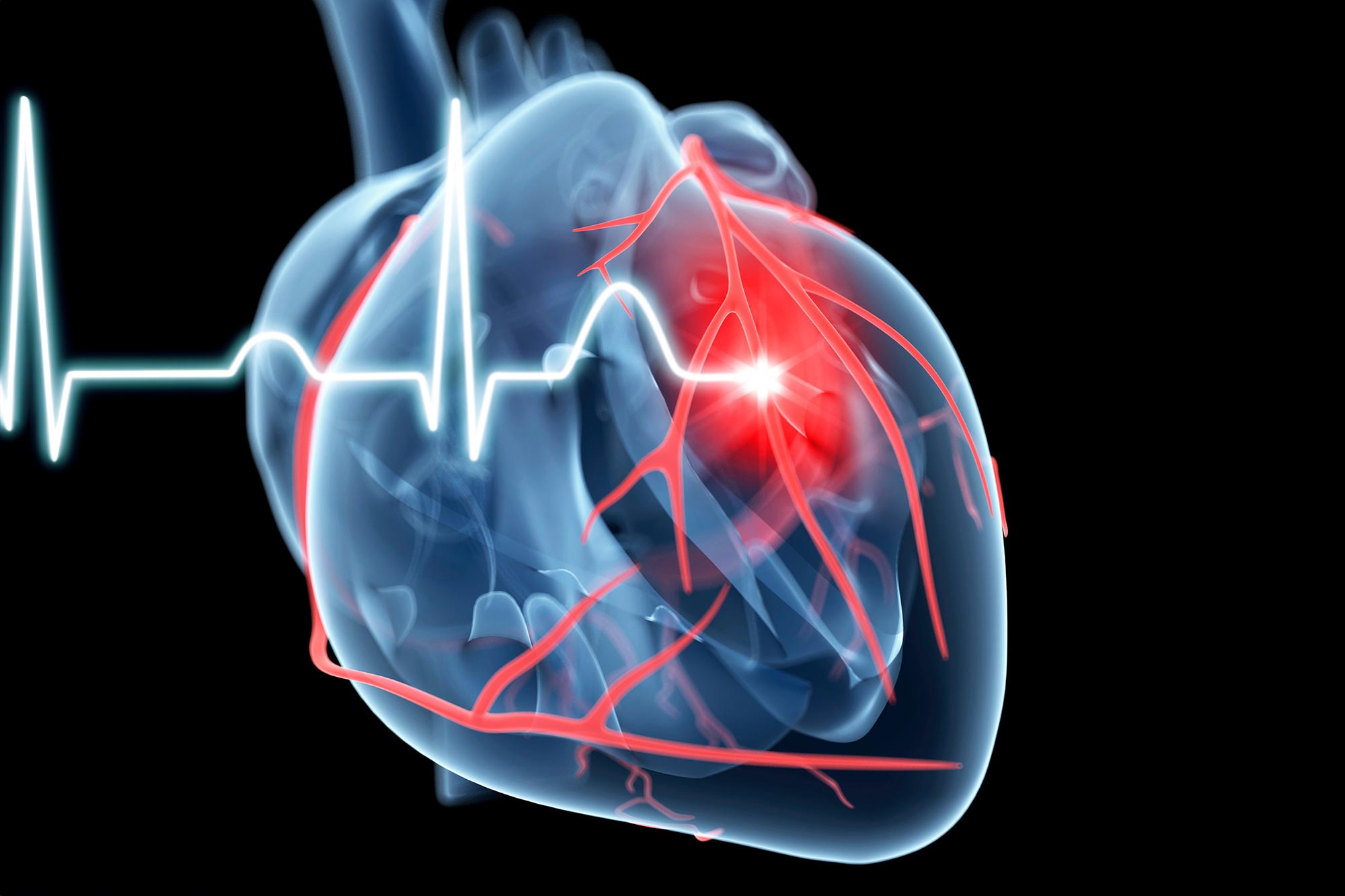
A study presented at the American Heart Association’s 2024 sessions suggests that following an 8-hour time-restricted eating plan, a form of intermittent fasting, may be linked to a 91% higher risk of cardiovascular mortality. The research, which analyzed data from over 20,000 U.S. adults, found that this eating pattern was associated with an increased risk of death from cardiovascular disease, particularly among individuals with existing heart disease or cancer. While time-restricted eating has been popular for its potential short-term benefits, the study emphasizes the need for a personalized approach to dietary recommendations aligned with an individual's health status and the latest scientific evidence.

New research from the American Heart Association suggests that practicing intermittent fasting, particularly restricting food consumption to less than eight hours per day, may increase the risk of dying from cardiovascular disease by 91 percent. While intermittent fasting for a short period may have benefits, practicing it for longer periods could lead to lower lean muscle mass and increased stress hormones, both of which are linked to a higher risk of heart problems.

A new study suggests that following an 8-hour time-restricted eating schedule, a form of intermittent fasting, may be associated with a 91% higher risk of dying from cardiovascular disease. Contrary to previous beliefs about its health benefits, the study found that this eating pattern did not lead to living longer and was not linked to a lower risk of death from any cause. The research emphasizes the need for a personalized approach to dietary recommendations, especially for individuals with existing heart conditions or cancer, and highlights the importance of aligning dietary choices with an individual's health status and the latest scientific evidence.

Preliminary research presented at the American Heart Association's Epidemiology and Prevention Lifestyle and Cardiometabolic Scientific Sessions 2024 suggests that following an 8-hour time-restricted eating plan may be linked to a 91% higher risk of cardiovascular death compared to eating across 12-16 hours per day. The study, which analyzed over 20,000 U.S. adults, found that time-restricted eating did not reduce the overall risk of death from any cause and was associated with an increased risk of cardiovascular death, particularly among those with existing heart disease or cancer. While time-restricted eating has gained popularity for its potential short-term benefits, this research emphasizes the need for a more cautious and personalized approach to dietary recommendations, taking into account an individual's health status and the latest scientific evidence.

A study presented at the American Heart Association's meeting in Chicago found that limiting mealtimes to an eight-hour period, a common practice in intermittent fasting, was associated with a 91% increase in the risk of death from heart disease. The study, based on data from about 20,000 adults, has raised concerns about the safety of intermittent fasting as a weight loss strategy. However, some experts have questioned the findings, suggesting that differences in underlying health between fasting and non-fasting groups may have influenced the results. Further research and long-term studies are needed to fully understand the effects of intermittent fasting on cardiovascular health.

A new study presented at an American Heart Association meeting suggests that adhering to an eight-hour time-restricted eating plan, a popular form of intermittent fasting, may increase the risk of dying from heart disease. The study analyzed data on 20,000 adults and found that those following this eating pattern had a higher likelihood of heart disease-related mortality, particularly those with existing heart conditions or cancer. The findings raise concerns about the long-term impact of intermittent fasting on heart health and highlight the importance of focusing on overall diet quality rather than just the timing of meals.

A study of over 20,000 U.S. adults found that following an 8-hour time-restricted eating schedule, a form of intermittent fasting, was associated with a 91% higher risk of death from cardiovascular disease compared to eating across 12-16 hours per day. The research also revealed an increased risk of cardiovascular death for individuals with heart disease or cancer. While time-restricted eating has been popular for its potential short-term benefits, this study suggests that an 8-hour eating window may not be associated with living longer and encourages a personalized approach to dietary recommendations, particularly for individuals with existing health conditions.

New research presented at the American Heart Association’s scientific sessions suggests that time-restricted eating, a type of intermittent fasting, may be linked to a 91% higher risk of dying from cardiovascular disease over an eight-year period. The study, based on data from the CDC, found that people who restricted food consumption to less than eight hours per day had a higher risk. However, experts caution that the analysis has limitations and that more research is needed to fully understand the potential benefits and risks of intermittent fasting.

A study found that individuals following a pro-inflammatory diet and consuming high levels of salt had a higher risk of developing type 2 diabetes. The research, which analyzed data from over 170,000 participants, revealed an 18% increased risk for T2D in those with a pro-inflammatory diet and a 4% increased risk for each one-point increment in the energy-adjusted Dietary Inflammatory Index (DII). The study suggests that promoting an anti-inflammatory diet and reducing salt intake could help prevent the onset of type 2 diabetes.

The rise in obesity in the UK is attributed to the increasing consumption of unhealthy ultra-processed foods, which now make up more than half of most people's daily calories. A medical professional conducted an experiment consuming an ultra-processed food diet for two weeks, resulting in weight gain, increased blood sugar levels, and high blood pressure. Scientists are linking ultra-processed foods to cancer, heart disease, and other chronic diseases. Understanding food labels and choosing minimally processed options can help reduce the intake of ultra-processed foods and their associated health risks.