A 2023 study highlights that the duration poop stays in the gut significantly influences microbiome composition and overall health, with slow transit linked to various disorders and potential for personalized treatments based on individual gut rhythms.
An 80-year-old man considering fathering a child with his younger partner sought medical advice on potential health risks. Dr. Keith Roach and fertility experts highlight that while men can father children at an advanced age, there are increased risks of genetic mutations and health conditions such as Down syndrome and autism in children. Additionally, older fathers may face challenges with fertility due to decreased sperm quality and lower testosterone levels. The life expectancy of an 80-year-old also raises concerns about the father's ability to be present in the child's life long-term.
Climate change is causing longer and more intense allergy seasons, with pollen production expected to increase by up to 200% by the end of the century. This trend is attributed to carbon pollution, which leads to earlier and longer growing seasons for plants, resulting in heightened pollen release. The impact is significant, particularly for the 19% of children in the U.S. who suffer from seasonal allergies, as well as those with asthma, with potential health implications and increased healthcare costs. The Environmental Protection Agency warns that continued warming could exacerbate these issues, particularly for vulnerable populations.
A study from the University of Montpellier in France found that higher consumption of refined carbohydrates was associated with lower facial attractiveness ratings in both men and women. The study suggested that regularly consuming refined carbohydrates at breakfast and as snacks was linked to lower attractiveness ratings, while a breakfast high in fats and proteins with a small amount of refined carbohydrates boosted attractiveness ratings. Experts emphasize that refined carbs should be eaten in moderation, as they lack nutritional value and can crowd out more healthful, nutrient-dense foods.
A recent study by researchers at the University of Chicago has revealed that common food preservatives, particularly lantibiotics like nisin, not only target harmful pathogens but also impact beneficial gut bacteria, raising concerns about their long-term effects on digestive health and microbial diversity. The study found that these lantibiotics have potent effects against both pathogens and commensal gut bacteria, potentially disrupting the delicate balance of the gut microbiome. The researchers are now exploring ways to harness the antimicrobial properties of lantibiotics while mitigating their potential negative impact on gut health.
After 125 years, scientists have finally discovered that the yellow color of urine comes from bacteria metabolizing waste from red blood cells using an enzyme called bilirubin reductase. This discovery not only explains the origin of urine color but also has implications for health, as the absence of bilirubin reductase is associated with jaundice in newborns and pigmented gallstones in adults with inflammatory bowel disease. Further research is needed to explore the potential links between bilirubin metabolism and various health conditions.
A study conducted in France involving over 100,000 participants found that eating dinner after 9pm was associated with a 28% higher risk of experiencing a stroke or mini-stroke compared to those who dined before 8pm. The research emphasized the importance of meal timing, suggesting that our evolutionary patterns favor earlier eating. Each hour delay in dinner was linked to an 8% increased risk of strokes or mini-strokes, while every hour delay in breakfast was associated with a 6% higher risk of various cardiovascular diseases, particularly for women. The study highlights the potential health risks of late-night dining and the benefits of consuming dinner early and having prolonged overnight fasting.
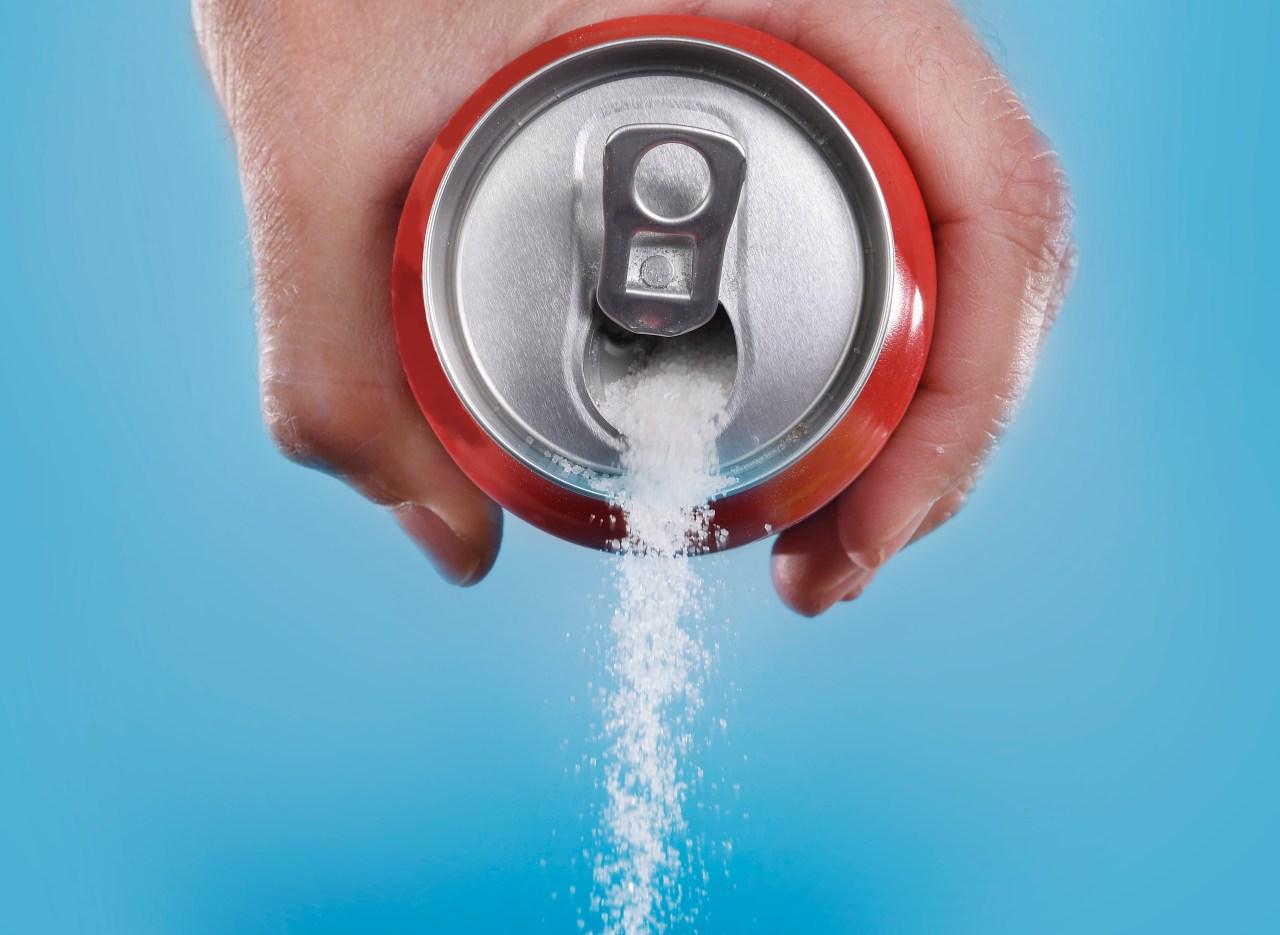
The weight-loss drug revolution in the United States, particularly glucagon-like peptide-1 receptor agonists (GLP-1s), could have significant implications for healthcare and the food industry. With an estimated 5 million Americans currently taking GLP-1 drugs for type 2 diabetes or weight loss, the market could potentially triple in the next decade if patients find them effective. Lower obesity rates resulting from these drugs could lead to a decline in chronic diseases, but it also raises questions about the impact on other industries, such as packaged food, beverages, restaurants, and grocery stores. Research suggests that GLP-1 drug users reduce calorie intake, particularly in categories like candy, sugary drinks, and cookies, which decline by 60%. This could prompt changes in menus, supply chains, and acquisition strategies for businesses in the food industry.
Two sets of neurons in the brain determine salt cravings and tolerance levels. A study on mice found that when salt levels are low, a set of neurons in the back of the brain increases the craving for salt, while a different set of neurons in the front of the brain monitors the saltiness of food and water. When salt levels become extremely low, the body sends a signal that overrides the salt-limiting neurons, allowing mice to tolerate the saltiness of sea water. Understanding how the brain processes saltiness could have health implications and help develop strategies to reduce salt intake.
The end of daylight saving time, when clocks "fall back," can have negative effects on health. While gaining an extra hour of sleep may seem beneficial, the shorter days and reduced sunlight can disrupt sleep schedules and mood. The body's circadian rhythm is affected by the change, making it difficult to adjust. Off-kilter sleep can impact multitasking, alertness, and balance, increasing the risk of accidents. To ease the transition, maintaining a consistent bedtime, getting early exposure to light, and practicing good sleep habits are recommended.
Researchers at the Buck Institute have discovered that advanced glycation end products (AGEs), chemicals found in cooked or processed foods, increase hunger and make it harder to resist unhealthy food choices. AGEs are formed during the Maillard reaction, which gives food its appealing brown color but also causes inflammation and oxidative damage in the body. The study, conducted on nematode worms, found that AGEs not only contribute to disease and decreased lifespan but also increase appetite. The researchers identified a signaling pathway mediated by specific AGEs molecules that enhance feeding and neurodegeneration. Understanding this pathway may help explain overeating due to modern AGEs-rich diets and the connection between AGEs and obesity. The study emphasizes the importance of limiting AGEs accumulation for overall health and making mindful, healthy food choices.
Poison ivy is expected to thrive in a warming world due to rising temperatures and increased carbon dioxide levels, growing faster, bigger, and more toxic. Scientists have observed that poison ivy grows 70% faster with higher carbon dioxide levels and produces a more potent form of urushiol, the substance that causes skin rashes. The plant's growth is likely aided by the ability of vines to invest energy into length and the presence of a fungus that thrives in warm soil. As climate change progresses, experts warn of potential health implications and advise individuals to take precautions when encountering poison ivy.
Poison ivy is expected to thrive in a warming world due to rising temperatures and increased carbon dioxide levels, growing faster and becoming more toxic. Researchers have found that poison ivy grows 70% faster with higher carbon dioxide levels and produces a more potent form of urushiol, the substance that causes the itchy rash. The plant's growth is likely due to its ability to invest energy into length rather than building thick trunks or branches. Observations from conservationists and doctors suggest an increase in poison ivy rashes, potentially exacerbated by the pandemic pushing people outdoors. The implications for human health are concerning, and precautions should be taken to avoid contact with poison ivy.
Zero-sugar drinks have gained popularity as a healthier alternative to sugary beverages, but their health implications are still under scrutiny. These drinks often contain artificial sweeteners, which have been linked to potential metabolic effects and disruptions in the gut microbiome. While they can aid in weight management and blood sugar control, studies suggest a possible increased risk of metabolic syndrome. Expert opinions vary, with some cautioning against regular consumption. Consumers should be critical and informed when making choices about zero-sugar drinks.
Infants born during the COVID-19 pandemic have a less diverse gut microbiome compared to those born pre-pandemic, with lower levels of certain bacteria and overall fewer types of bacteria in the gut. These changes may be influenced by pandemic-related shifts in social behavior, altered diet, and increased caregiver stress. The direct implications of these findings on long-term health require further study.