A study suggests that drinking beet juice twice daily can lower blood pressure in older adults within two weeks, likely due to nitrates in beets that convert to nitric oxide, relaxing blood vessels. However, more research is needed, and beet juice should be part of a comprehensive heart-healthy lifestyle.
A study suggests that drinking beet juice twice daily may help lower blood pressure in older adults by altering oral bacteria that convert nitrates into nitric oxide, which relaxes blood vessels. Experts recommend considering beet juice as part of a heart-healthy lifestyle, but more research is needed to confirm its effectiveness and identify who may benefit most.
The final day of the Brain Health Challenge emphasizes the importance of monitoring blood pressure, maintaining good sensory and oral health, and getting vaccinated to protect brain health and reduce the risk of stroke and dementia. Regular check-ups and lifestyle changes are key to preserving cognitive function.
Long-term use of losartan, a blood pressure medication, is not commonly associated with hand tremors, though some reports exist with similar drugs like lisinopril. Patients experiencing tremors should consult their doctor to consider alternative treatments, as the connection between losartan and tremors remains unclear.
Participating in Dry January can lead to health improvements such as better sleep, mood, and lower blood sugar and blood pressure, with the trend growing in popularity since 2013.
The American Heart Association's revamped risk calculator highlights smoking, diabetes, and high blood pressure as major risk factors for heart disease, with kidney disease also serving as a warning sign. While age and sex are uncontrollable risks, lifestyle changes like quitting smoking and managing blood pressure can significantly reduce one's risk. The calculator helps users understand their personal risk and emphasizes the importance of preventive measures to lower the incidence of cardiovascular disease.
Recent research suggests that drinking orange juice can benefit heart health by lowering blood pressure and inflammation, and improving fat metabolism, with effects varying based on body type. The study highlights molecular mechanisms behind these benefits, though moderation is advised due to sugar content, and whole fruits are recommended over juice for additional fiber and nutrients.
Drinking beetroot juice daily can improve heart health, lower blood pressure, and boost endurance, but should be consumed in moderation and with caution, especially for those with low blood pressure, kidney stones, or on certain medications. It is not a magic cure but can be part of a healthy lifestyle when used wisely.
Regular consumption of orange juice may positively influence gene activity related to inflammation, blood pressure, and sugar processing, potentially improving long-term heart health by reducing inflammation, supporting blood vessel function, and affecting metabolic pathways, especially in individuals with metabolic syndrome.
Recent studies highlight that prescribing fruits and vegetables can significantly improve health outcomes, such as lowering blood pressure and reducing the risk of heart attacks and strokes, emphasizing the role of diet as medicine.
Eating a small daily portion of unsalted cashews can support heart health by lowering blood pressure, improving cholesterol levels, reducing triglycerides, and providing antioxidants that combat inflammation, all as part of a balanced diet and healthy lifestyle.
Drinking green tea may support healthy blood pressure by relaxing blood vessels and protecting arteries over time due to its antioxidant compounds, though effects vary and caffeine sensitivity should be considered. Regular consumption of 3-4 cups can be beneficial, especially when part of a healthy lifestyle, but green tea extracts should be used cautiously due to potential side effects and interactions with medications.
Research indicates that even slightly elevated blood pressure in one's 30s can increase the risk of heart attack or stroke later in life, emphasizing the importance of early and ongoing blood pressure management to protect heart health.
The article discusses six morning drinks—hibiscus tea, tomato juice, pomegranate juice, green tea, beetroot juice, and lemon water—that can help lower blood pressure when consumed regularly, though they are not substitutes for medication. These beverages contain antioxidants, potassium, nitrates, and other nutrients that support blood vessel relaxation and overall heart health.
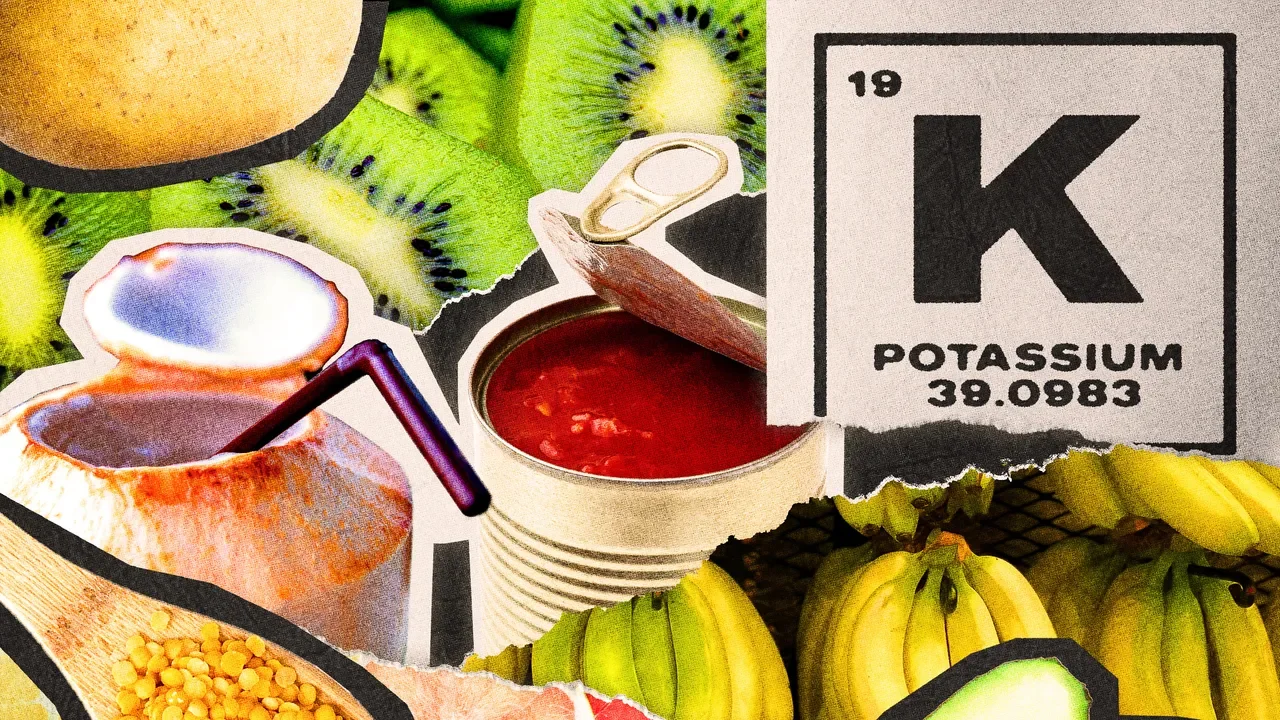
Certain nutrients like magnesium, potassium, omega-3 fatty acids, calcium, and vitamin D play a significant role in supporting healthy blood pressure levels naturally, with research indicating their potential to reduce hypertension and improve heart health.