A cardiologist warns that extreme carnivore diets high in protein can damage heart health by causing endothelial dysfunction, inflammation, and premature atherosclerosis, even in young, fit individuals, emphasizing the importance of balanced, plant-based diets and regular health check-ups.
A dietitian debunks four popular health trends: the carnivore diet is overly restrictive and risky, nightshades are nutritious and not inflammatory unless intolerant, most people already consume enough protein, and daily electrolyte drinks are unnecessary for typical routines, with water sufficing for hydration. The emphasis is on balanced, personalized eating habits over trendy fads.
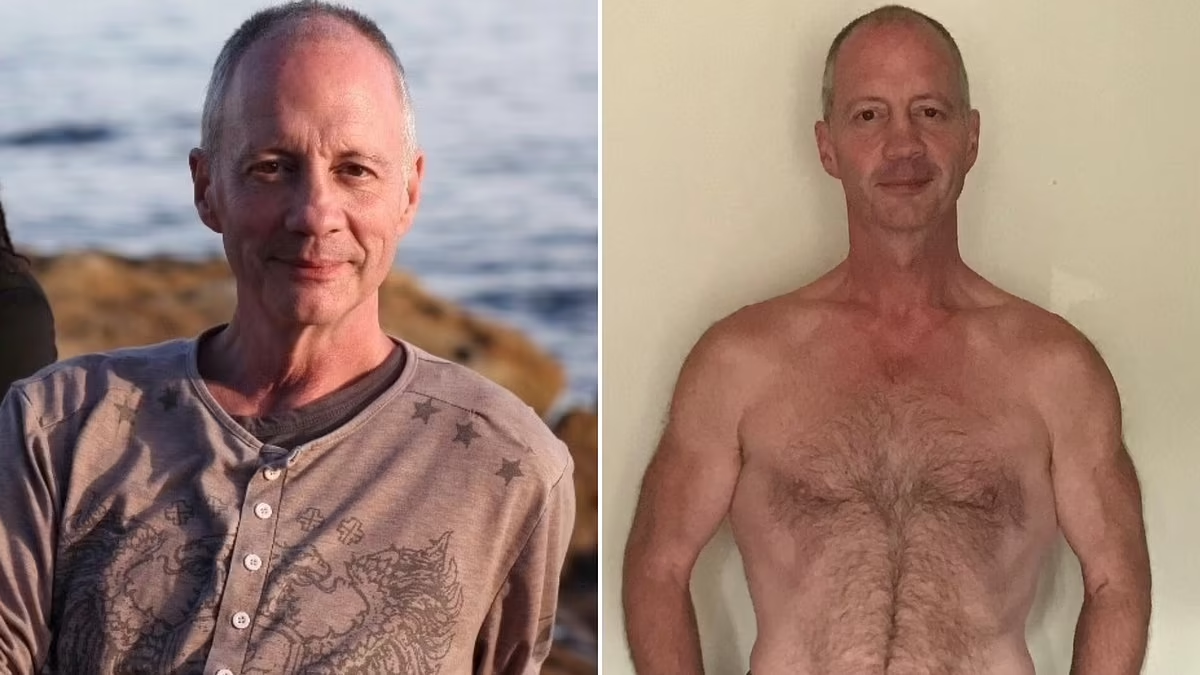
Phil Escott, a 62-year-old man, claims to have regained the sex drive of a 20-year-old after adopting the carnivore diet, which involves eating only animal products and eliminating all plant-based foods. He attributes his weight loss of 40kg and relief from chronic health issues like arthritis and low libido to this diet. While some health experts criticize the diet for potential risks like increased cholesterol and lack of fiber, Escott insists it has improved his health and vitality. He now advocates for the diet through consultations and online communities.
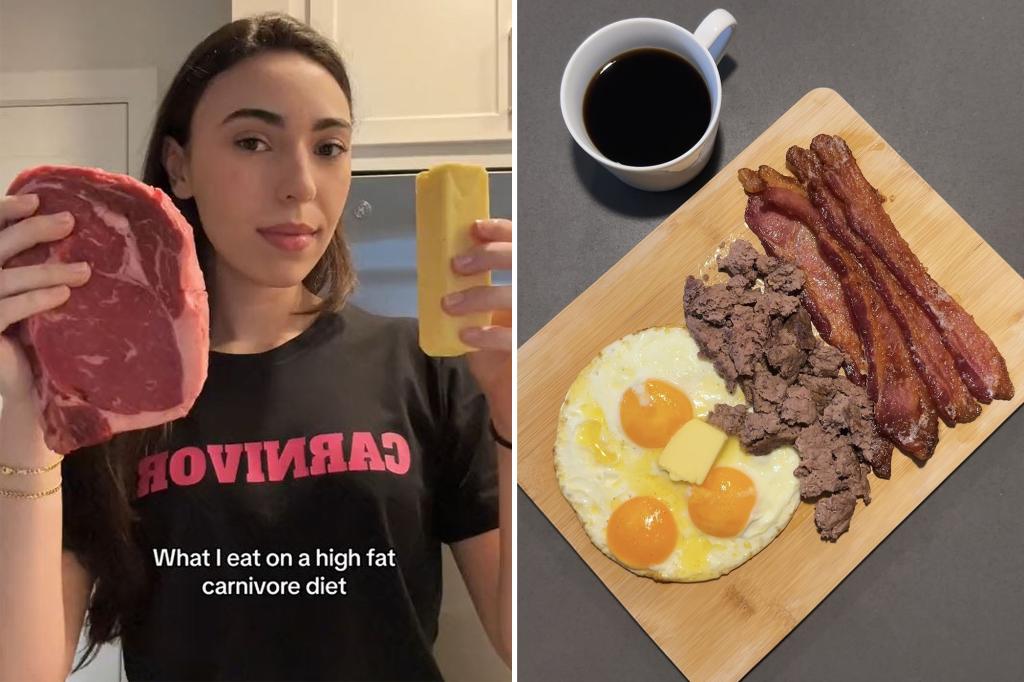
Influencers are promoting the "carnivore diet," which emphasizes meat while minimizing or eliminating fruits and vegetables, claiming benefits such as weight loss and improved health. However, experts warn that the diet lacks essential nutrients like fiber, carotenoids, and polyphenols found in plant-based foods, and is high in saturated fat and cholesterol. Studies have linked red meat consumption to health issues, and the diet's environmental impact is also a concern. Despite some supporters disputing these claims, experts caution against the long-term health and environmental implications of the carnivore diet.
Petrina Barber, a 41-year-old fitness model, tried the carnivore diet for a month, cutting out all processed foods and carbohydrates to improve her athletic performance and energy levels. Despite initial struggles and side effects, including weight loss and fatigue, she noticed improvements in her sleep, muscle definition, and overall energy levels. While the diet has its challenges and potential health risks, Petrina found it to be a success and plans to stick with it for the foreseeable future.
Isaiah Caldwell, a man from Missouri, lost nearly half of his 434lb body weight by following a strict carnivore diet in a bid to improve his fertility and become a dad. After being told his weight might be causing fertility issues, he adopted a diet consisting of just meat, eggs, and dairy, shedding 210 pounds in the process. Despite concerns about the diet's sustainability and health risks, Isaiah and his wife remain optimistic about the impact on his fertility and are due to undergo testing in the coming months.
Isaiah Caldwell lost an impressive 210 lbs in two years on a strict carnivore diet after doctors warned him about potential fertility issues due to his obesity. His motivation to start the diet was to increase his chances of starting a family with his wife. Despite the diet's controversial nature, Caldwell's dedication and lifestyle changes have led to significant weight loss and improved health. He now looks forward to the possibility of successful parenthood and encourages others to believe in their ability to make positive changes.
A Harvard study suggests that the carnivore diet, which focuses on animal-based foods and eliminates plant-based options, can lead to weight loss and improved overall health. Advocates claim significant health turnarounds, including weight loss, improved energy, and relief from various health conditions. The diet is said to lower blood sugar, shift the body into fat-burning mode, and eliminate irritants that may contribute to weight gain. While the diet may not be suitable for everyone, especially those who have had limited success with other eating plans, it has shown promising results for individuals with GI issues, autoimmune diseases, and inflammation.
Anthony Girouard, a long-time diagnosed diabetic, tried the carnivore diet and experienced unexpected health benefits. He saw improvements in his diabetes management, mental clarity, and lost 30 pounds in weight. While the initial adjustment period was challenging, he found the simplicity and convenience of the diet appealing. Additionally, he noticed improvements in his sleep quality, reduction in inflammation, and was able to stop taking diabetes medication. However, he also developed a sensitivity to other foods, experiencing issues when deviating from the all-meat diet. Girouard emphasizes the importance of personalized nutrition and consulting with a healthcare professional before making any dietary changes.
A woman from Atlanta, Georgia, claims that her health has significantly improved after quitting veganism and adopting the carnivore diet. Victoria Ferraz, 23, says that since switching to a diet consisting solely of meat and animal products, she has experienced benefits such as improved hair, teeth, nails, and energy levels, as well as the disappearance of acne, joint pain, bloating, and the need for medication for hypothyroidism. Despite criticism from some social media users and health experts cautioning against the potential risks of an all-meat diet, Ferraz hopes to inspire others to reconsider their dietary choices and urges people to do their research before making any changes.
Angela Lerro, a woman who followed a plant-based diet after being diagnosed with breast cancer, reveals that shunning meat almost killed her while she was suffering from undiagnosed Lyme disease. Despite being advised to eat mostly plant foods, her health deteriorated, and she experienced symptoms such as fainting, hives, rashes, anxiety, and anaphylaxis. After being diagnosed with Lyme disease, she switched to an exclusively carnivorous diet, which resulted in the reversal of her ailments. Angela now aims to help others who may be suffering from similar undiagnosed illnesses and emphasizes the importance of listening to one's body's needs.
The carnivore diet, a fad diet that eliminates all plant-based foods and focuses solely on meat, is gaining popularity on social media platforms like TikTok. However, health care professionals have expressed concerns about the potential health risks associated with this diet. The lack of fiber in a meat-only diet can lead to constipation and gut health issues, while the absence of fruits and vegetables may result in vitamin deficiencies, including scurvy. Additionally, cutting out carbohydrates can negatively impact workouts and performance, and the restrictive nature of the diet may lead to emotional dissatisfaction and binge-eating. Despite anecdotal claims of improved health, there is no scientific evidence supporting the benefits of the carnivore diet.
Bear Grylls, a former vegan and now a meat-lover, said he's "embarrassed" about his past as a vegan and doesn't go "near" vegetables. Grylls claimed, without evidence, that eating meat and organs has been a "game-changer" for his health. He also said that a plant-based diet isn't "good" for the environment or for his health, and that instead, he prefers to adopt a carnivore diet. However, studies have shown that a wider societal shift toward plant-based could have a great positive impact on the environment by reducing carbon-dioxide emissions.
Bear Grylls, a former vegan and now a meat-lover, said he's "embarrassed" about his past promotion of plant-based diets. Grylls claimed that eating meat and organs has been a "game-changer" for his health, without citing evidence. He now advocates for the "ancestral way of living" and prefers to adopt a carnivore diet. However, studies have shown that a wider societal shift toward plant-based diets could have a great positive impact on the environment and reduce the risk of cardiovascular diseases.
Bear Grylls, who now follows a meat-heavy diet, said he's "embarrassed" about his past as a vegan and promoting plant-based diets. He claimed that eating meat and organs has been a "game-changer" for his health, without citing evidence. Grylls now advocates for the "ancestral way of living" and doesn't go near vegetables. However, studies have shown that a wider societal shift toward plant-based diets could have a great positive impact on the environment and reduce the risk of death from heart disease, cancer, and respiratory disease.