Tag

High Fat Diet

All articles tagged with #high fat diet

health1 year ago

How Liver-Brain Signals Influence Eating Habits and Obesity

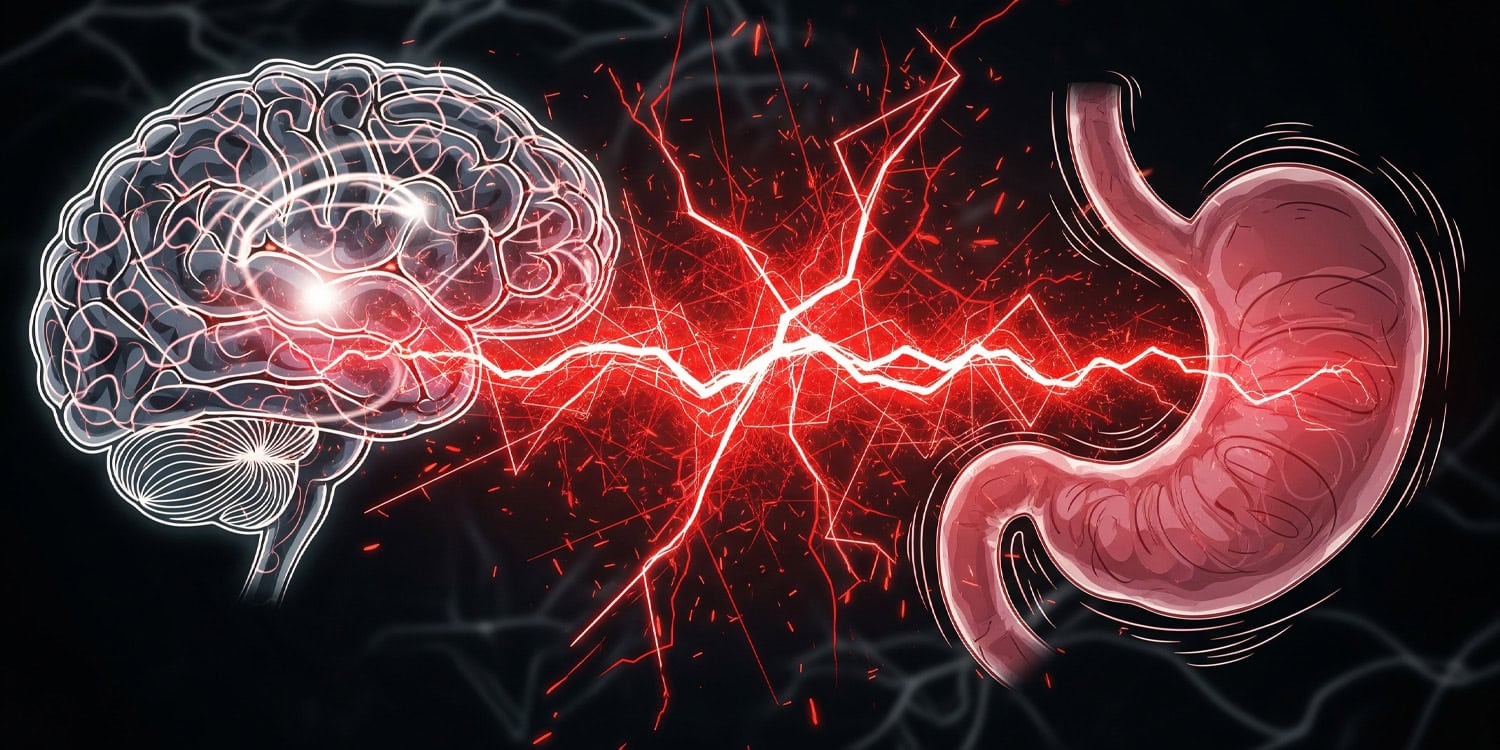
A study by researchers at the University of Pennsylvania reveals that disrupting the liver's circadian clock, either genetically or through a high-fat diet, alters eating patterns in mice, leading to increased food intake and weight gain. The research highlights the role of the hepatic vagus nerve in conveying signals from the liver to the brain, influencing circadian eating behaviors. These findings suggest potential therapeutic targets for metabolic disorders by modulating liver-brain communication.

health1 year ago

Cocoa Flavanols: A Sweet Defense Against Stress and Fat

New research from the University of Birmingham shows that consuming flavanol-rich cocoa can protect vascular health during stress, even when paired with high-fat meals. The study found that high-flavanol cocoa mitigates the negative effects of stress and fatty foods on the vascular system, suggesting a dietary strategy to maintain cardiovascular health. The findings emphasize the benefits of flavanols, found in cocoa, tea, and berries, for regulating blood pressure and protecting cardiovascular health during stressful periods.

health1 year ago

"Prenatal Caffeine and High-Fat Diet Increase Autism Risk in Rodents"

New research suggests that prenatal caffeine exposure, combined with a high-fat diet after birth, significantly increases the risk of autism-like behaviors in rodents, potentially through changes in gut bacteria and increased levels of the immune molecule IL-17A. The study highlights the need to understand the impact of prenatal environmental exposures and postnatal dietary habits on neurodevelopmental disorders, emphasizing the role of the gut-brain axis in fetal-origin autism. While the findings provide valuable insights, further research is needed to confirm these effects in humans and explore potential gender-specific differences in the development of autism spectrum disorder.

health-science1 year ago

"Uncovering the Mechanism of Mitochondrial Disruption in Obesity"

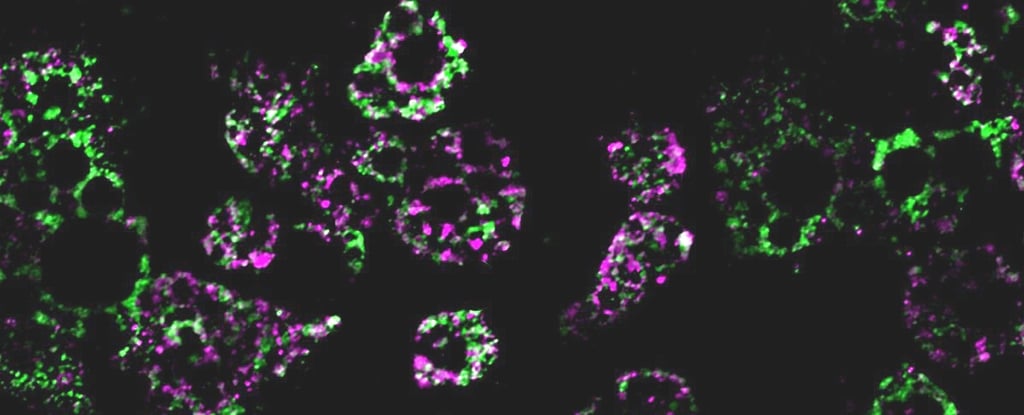
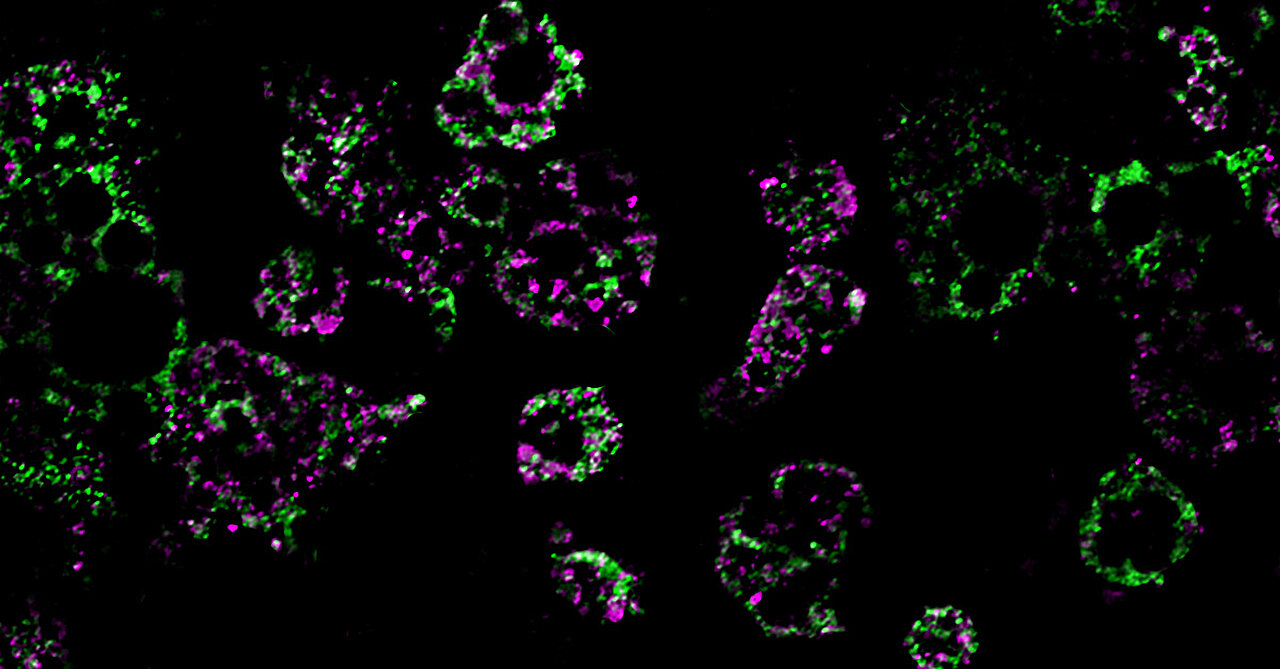
A new study reveals how obesity affects mitochondria in mice, causing them to fragment into smaller pieces, reducing their capacity for burning fat. Researchers found that this process is governed by a single gene, and when they deleted it from test subjects, the mice avoided excess weight gain even when fed a high-fat diet. The study suggests that chronic activation of this gene may suppress energy expenditure in obese adipose tissue, potentially leading to targeted therapies for addressing weight gain and associated metabolic dysfunctions. While the study was conducted on mice, the findings may have relevance to humans, offering potential insights into treating or preventing obesity by targeting the identified gene pathway.

health-and-science1 year ago

"Uncovering the Genetic Link Between Obesity and Mitochondrial Dysfunction"

A recent study from the University of California San Diego School of Medicine revealed that a high-fat diet causes mitochondrial fragmentation in fat cells, reducing their ability to burn fat, and this process is controlled by a single gene associated with the molecule RaIA. By deleting this gene, researchers protected mice from weight gain despite consuming the same high-fat diet, offering new insights into the metabolic dysfunctions in obesity and potential targeted therapies. The findings suggest a new therapeutic target for obesity treatment in humans and shed light on the complex metabolism of the disease.

health1 year ago

"Gene Deletion Reverses Obesity-Related Mitochondrial Dysfunction"

A study from UC San Diego reveals that a high-fat diet causes mitochondria within fat cells to break apart, reducing their capacity to burn fat and leading to weight gain. Researchers identified a gene, RaIA, that controls this process and found that deleting it protected mice from excess weight gain. Understanding this mechanism brings us closer to developing targeted therapies for addressing weight gain and associated metabolic dysfunctions caused by obesity.

health-and-medicine2 years ago

"The Surprising Effects of High-Fat Diets on Immunity, Gene Expression, and Microbiome Health"

A UC Riverside study published in Scientific Reports reveals that high-fat diets, particularly those including soybean oil, can alter gene expression related to obesity, colon cancer, immune function, and brain health, and may increase COVID-19 risk by upping ACE2 expression. Mice fed high-fat diets showed changes in gut microbiota and increased susceptibility to infectious diseases. The research underscores the complex impact of dietary fats on health and the importance of considering long-term dietary habits, rather than short-term indulgences, in assessing risk factors for various diseases.

health2 years ago

Mysterious Surge in Colon and Rectal Cancer Rates Baffles Scientists

The rates of colorectal cancer, including colon and rectal cancer, are increasing among young people globally, and the reasons for this trend are unclear. Potential risk factors include inactivity, a lack of dietary fiber, obesity, alcohol consumption, and tobacco use. A high-fat diet has been found to increase colorectal cancer risk in mice by affecting the gut microbiome and increasing bile acids. However, the study's findings cannot be directly translated to humans, and further research is needed to understand the impact of a high-fat diet on the human microbiome and bile acids.

health2 years ago

"New Research Reveals Ways to Combat High-Fat Diet Effects on Metabolism"

Biologists at the University of California, Irvine have discovered that by eliminating the SAPS3 component of the AMPK protein complex, mice were able to maintain a normal energy balance even when consuming a high-fat diet. This finding reveals the potential for developing molecules that inhibit SAPS3 to help restore metabolic balance and combat metabolic disorders like obesity, diabetes, and fatty liver disease.