A new study suggests that misophonia, traditionally viewed as a sensory condition, is also linked to cognitive and emotional inflexibility, with significant associations to rumination, indicating it involves deeper issues of emotion regulation and executive function.
Researchers have discovered that leptin, a hormone produced by fat cells, can reverse diabetic ketoacidosis (DKA) and regulate blood sugar levels independently of insulin by reprogramming the brain's response, potentially leading to new insulin-free treatments for type 1 diabetes.
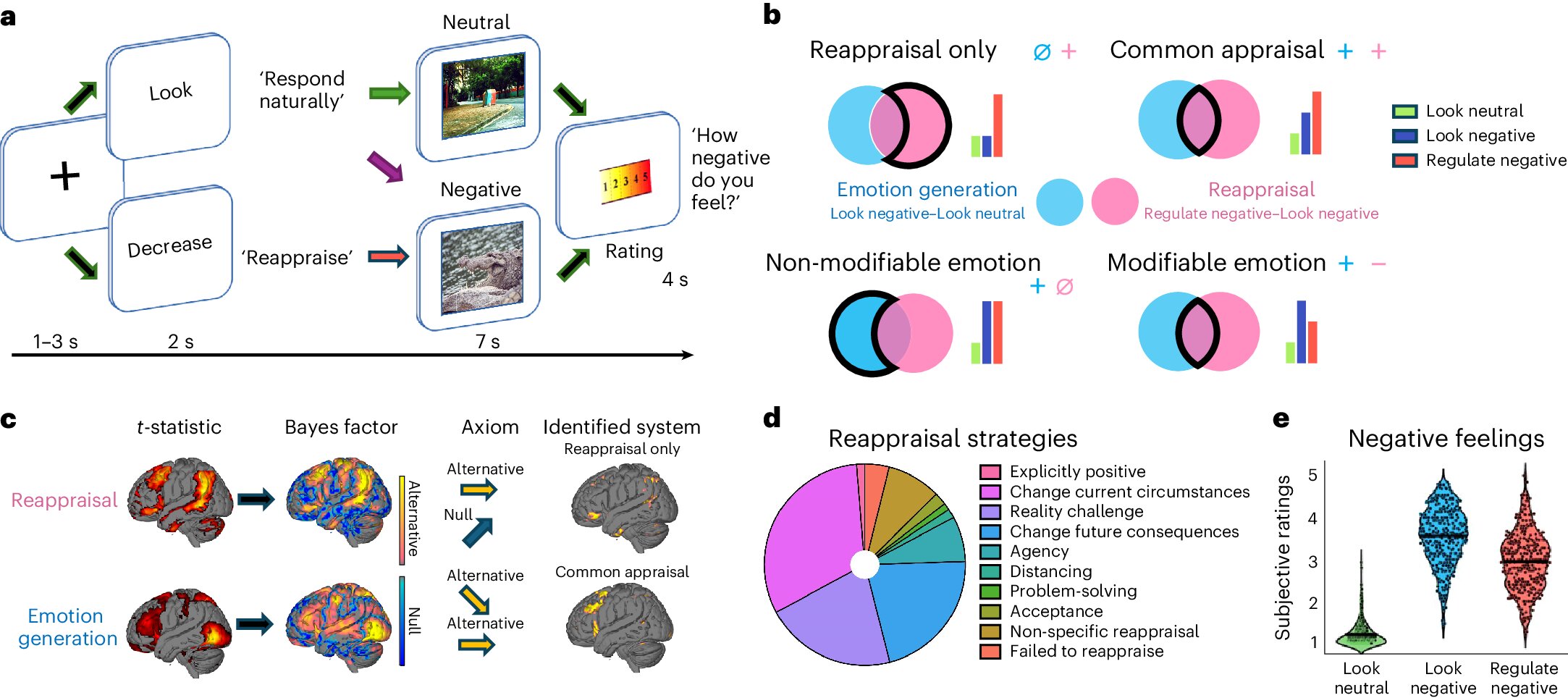
A new study led by Dartmouth researchers has identified specific brain regions involved in regulating emotions, shedding light on how the brain processes and controls emotional responses. By separating emotion generation from emotion regulation, the study pinpointed areas in the anterior prefrontal cortex and higher-level cortical hierarchies that play a key role in regulating emotions. The findings also revealed the involvement of neurotransmitter systems such as cannabinoids, opioids, and serotonin in emotion regulation, with potential implications for mental health treatments and the effects of drugs on depression and other disorders.
Researchers have identified two distinct neuron populations in the parabrachial nucleus (PBN) that respond to water and salt intake, shedding light on how the brain regulates thirst and salt appetite. Activation of these neurons reduces water and salt consumption, even in deprived conditions, providing crucial insights into brain mechanisms controlling fluid balance and related disorders. This research has significant implications for understanding disorders caused by excessive water and salt consumption.