Nuveen's analysis suggests that dividend growth stocks provide attractive returns with lower risk, making them appealing options for investors, according to financial analysts.
Dr. Sana Sadoxai warns that 90% of heart attacks start with a common morning habit of staying still after waking up, which can lead to increased inflammation and metabolic issues. She recommends just 5-7 minutes of morning movement like walking or stretching to improve circulation and reduce heart attack risk, especially for those overweight or with existing health concerns.
A study published in JAMA Oncology found that higher and consistent physical activity levels are associated with a lower risk and mortality from digestive system cancers, with optimal benefits observed around 50 MET hours/week and sustained activity over decades.
Drinking alcohol increases breast cancer risk by affecting hormones and damaging DNA, even at moderate levels. To lower risk, experts recommend abstaining from alcohol or limiting intake, along with maintaining a healthy lifestyle and regular screenings.
A study published in the British Medical Journal shows that ADHD medications like methylphenidate significantly reduce serious harmful outcomes such as substance misuse, suicidal behavior, criminal activity, and traffic accidents in newly diagnosed patients, highlighting the broader benefits of treatment beyond improving focus.
To lower the risk of colon cancer, it is recommended to get regular screenings starting at age 45, maintain a healthy weight through balanced diet and exercise, eat more plant-based foods high in fiber, limit red and processed meats, reduce alcohol consumption, avoid smoking, and use smart cooking methods. Combining these healthy habits can significantly improve long-term colon health.
A study from Johns Hopkins University found that just 35 minutes of moderate to vigorous exercise weekly can reduce dementia risk by up to 69%, with greater benefits for more activity, emphasizing the importance of staying active for brain health especially in older adults.
A study of over 46,000 people suggests that drinking one to three cups of black coffee daily can significantly reduce the risk of sudden cardiac death, with benefits peaking at three cups, though added sugars and dairy may diminish these effects.
The article discusses eleven science-based strategies to reduce cancer risk, emphasizing lifestyle and behavioral changes, and also mentions recent observations of NFL player Stefon Diggs involved in a viral video with a pink substance, unrelated to the health tips.
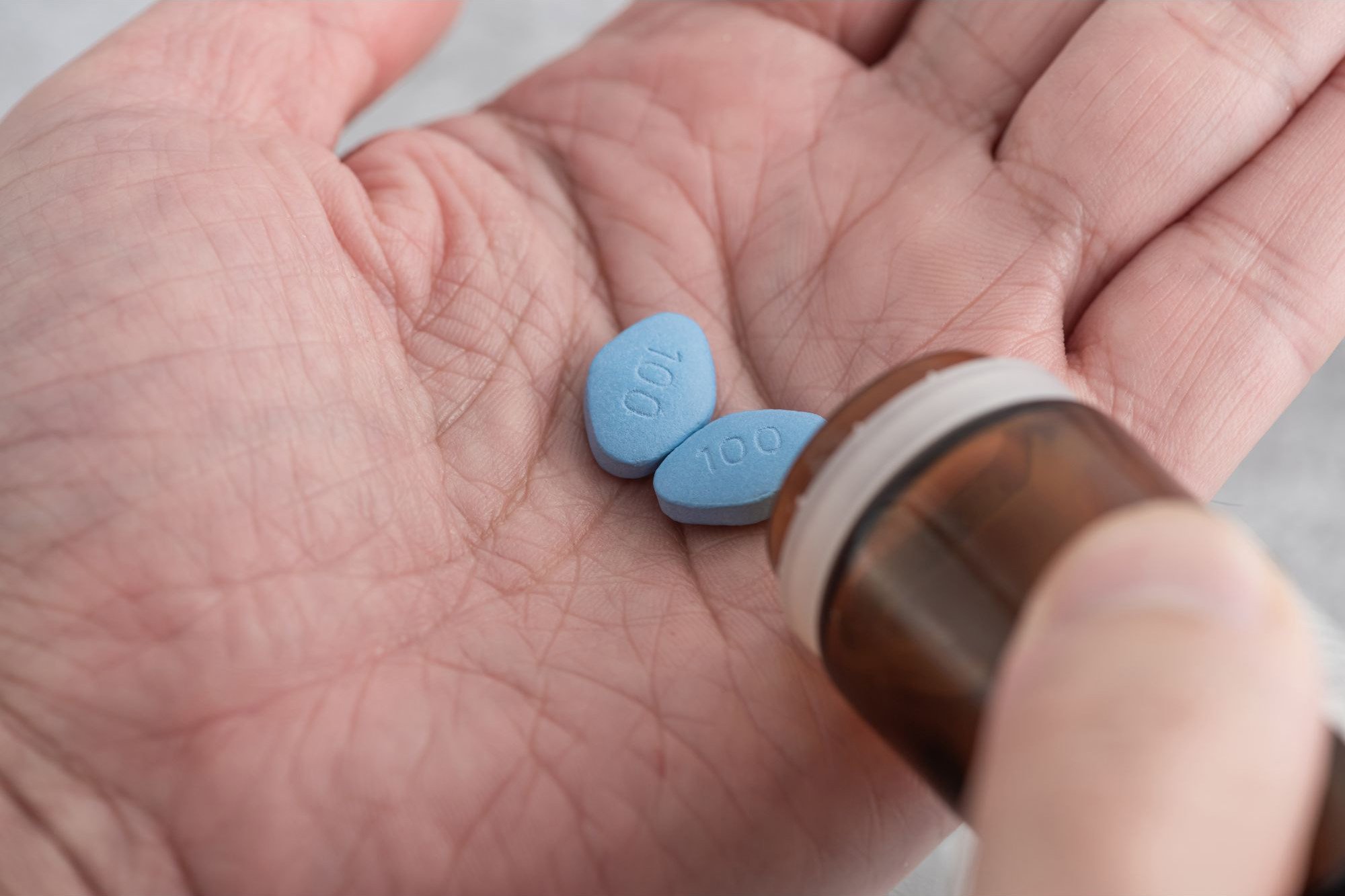
A study suggests a potential link between erectile dysfunction drugs and an 18% lower risk of developing Alzheimer’s disease, after adjusting for various factors. However, further research is needed to explore the underlying mechanisms, potential benefits, and whether these results apply to women. The study involved 269,725 male participants and found that those taking erectile dysfunction drugs were 18% less likely to develop Alzheimer’s disease. More research, including randomized controlled trials with both male and female participants, is warranted to confirm these findings and determine optimal dosage.
A study suggests that strict adherence to a Mediterranean diet may reduce the risk of developing Alzheimer's disease by 27% in older adults. The diet, rich in whole grains, fruits, vegetables, legumes, and olive oil, with moderate intake of cheese and fish and limited intake of red and processed meat, has been associated with an 11% reduction in all dementias among older adults. The researchers suggest that reductions in inflammation associated with adherence to this diet could be responsible for these effects, and that it could lead to significant savings in healthcare costs and improve quality of life for the elderly population.
A study published in the British Medical Journal found that COVID-19 vaccines can reduce the risk of heart failure by up to 55% and blood clots by up to 78% following COVID infection. The positive effects were more pronounced immediately after vaccination and lasted for up to a year. The research, which looked at over 20 million people in Europe, included vaccines from Moderna, Pfizer, AstraZeneca, and Johnson & Johnson, and considered both the original virus strain and the Delta variant. Additionally, the study found that COVID vaccines reduced the risk of blood clots in veins by 78% within a month of vaccination, and also decreased the risk of blood clots in arteries and heart failure.
Cancer is the second leading cause of death for Americans, with a recent study showing a rise in cancer rates among younger Americans. While some factors like race and genetics can influence cancer risk, lifestyle changes can significantly reduce the risk of developing cancer. Experts recommend strategies such as limiting alcohol consumption, avoiding smoking, practicing safe sun exposure, staying active, and getting cancer screenings as recommended. Additionally, maintaining a healthy diet, knowing your family medical history, and addressing emotional trauma can also help reduce the risk of cancer.
The number of colorectal cancer deaths in people under 50 is on the rise, prompting a cancer expert to share four ways to reduce the risk of developing the disease, including adjusting diet, reducing alcohol consumption, and increasing fiber intake. Lifestyle tweaks such as eating less red meat, sugar, and alcohol, as well as consuming more fiber, can lower the risk of developing colorectal cancer, which has been increasing steadily in younger adults since the 1990s.
Rates of colorectal, breast, and cervical cancers are rising in people under 50, prompting a need for early detection and risk reduction. Screening tests are available for these cancers, and knowing family history, advocating for oneself in the doctor's office, and getting screened are crucial steps in reducing the risk of developing cancer or catching it early.