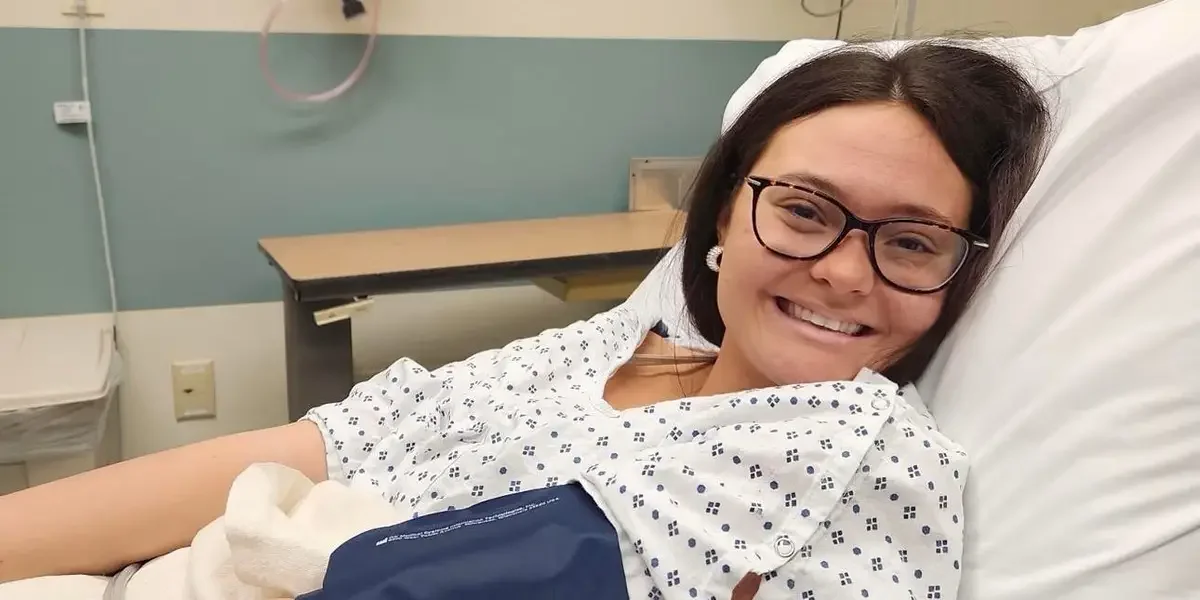
The article discusses the rising incidence of colon cancer among young people, highlighting a case of 21-year-old Claudia Umanita who was diagnosed after experiencing persistent stomach pain, illustrating the importance of awareness and early detection in younger populations.
A study shows that just 10 minutes of intense cycling can trigger anti-cancer signals in the body by releasing molecules that promote DNA repair and reduce cancer growth genes, potentially opening new avenues for cancer treatment and emphasizing the health benefits of even brief exercise sessions.
The rise in colon cancer among young, healthy individuals may be linked to early-life factors such as microbiome disruptions, infections like colibactin-producing bacteria, diet high in sugar and processed foods, and environmental influences, with research suggesting that mutations and vulnerabilities could originate in infancy, emphasizing the importance of early intervention and lifestyle modifications.
Colorectal cancer rates are rising among people under 50, driven by environmental and lifestyle factors like poor diet and low fiber intake, not genetics. Experts recommend early screening starting at age 45, especially for those with family history, and emphasize lifestyle changes such as regular exercise, healthy diet, and avoiding smoking and excessive alcohol to reduce risk.
A Harvard study highlighted by Dr. Wendi LeBrett emphasizes avoiding 14 specific ultra-processed foods, such as cookies, candy, chips, and processed meats, to reduce the risk of colon polyps and subsequent colon cancer, especially in younger women.
A small study suggests that long-distance runners may have a higher prevalence of colon polyps and advanced adenomas, potentially linked to exercise-induced gut ischemia, diet, or other factors, warranting further research and possibly tailored screening strategies.
Criscilla Anderson, a talented choreographer and performer known for her work with Britney Spears and Rihanna, has died at age 45 from stage 4 colon cancer, after battling the disease since 2018. She was also known for her appearance on Netflix's 'Country Ever After' with her ex-husband Coffey Anderson. Anderson was a mother of three and left heartfelt messages to her children and loved ones before passing away peacefully, surrounded by love.
Criscilla Anderson, a dancer and star of Netflix's 'Country Ever After,' died at age 45 from colon cancer, which she had battled since 2018. She was remembered for her strength and love, with tributes from her family and friends, including Viola Davis.
Criscilla Anderson, star of 'Country Ever After,' died at 45 after battling colon cancer for seven years. She shared a heartfelt farewell message on social media, expressing love and hope, while her ex-husband also paid tribute. Her passing was mourned by fans and family, highlighting her impact and resilience.
A 31-year-old man was diagnosed with colon cancer after experiencing symptoms like extreme fatigue, night sweats, incomplete bowel emptying, urgent bowel urges, constipation, and blood in stool. Medical experts emphasize the importance of recognizing these signs early, as colon cancer can develop silently and early detection through screening saves lives.
A study from UC San Diego suggests that GLP-1 receptor agonists like Wegovy and Ozempic, originally for diabetes and weight loss, may significantly reduce mortality in colon cancer patients, especially those with obesity, but clinical trials are needed to confirm their direct anti-cancer effects.
A UC San Diego study found that GLP-1 receptor agonists, used for diabetes and weight management, are associated with significantly lower five-year mortality in colon cancer patients, especially those with high BMI, suggesting potential anti-cancer benefits that warrant further clinical trials.
A 79-year-old woman with Lynch syndrome is uncertain about continuing colonoscopies due to her age and cardiac risks. Dr. Roach explains that the decision to stop screening depends on individual health and risk factors, noting her lifetime colon cancer risk is about 20%, but her risk decreases with age. Both risks are low, so stopping is reasonable if she prefers, but continuing is also acceptable.
Gastroenterologist Dr. Joseph Salhab recommends six science-backed snacks, including watermelon with lime, walnuts with yogurt, avocado with salsa, blueberries with chia seeds, apples with cinnamon, and kiwi with honey yogurt, that may help reduce the risk of colon cancer by providing beneficial nutrients like lycopene, omega-3, probiotics, fiber, and polyphenols. These dietary suggestions are supported by recent research and aim to promote colon health and cancer prevention.
The article highlights the rising incidence of early-onset colorectal cancer in young adults under 50, driven by factors like obesity and alcohol consumption, emphasizing the importance of awareness, early detection, and screening to combat this concerning trend.