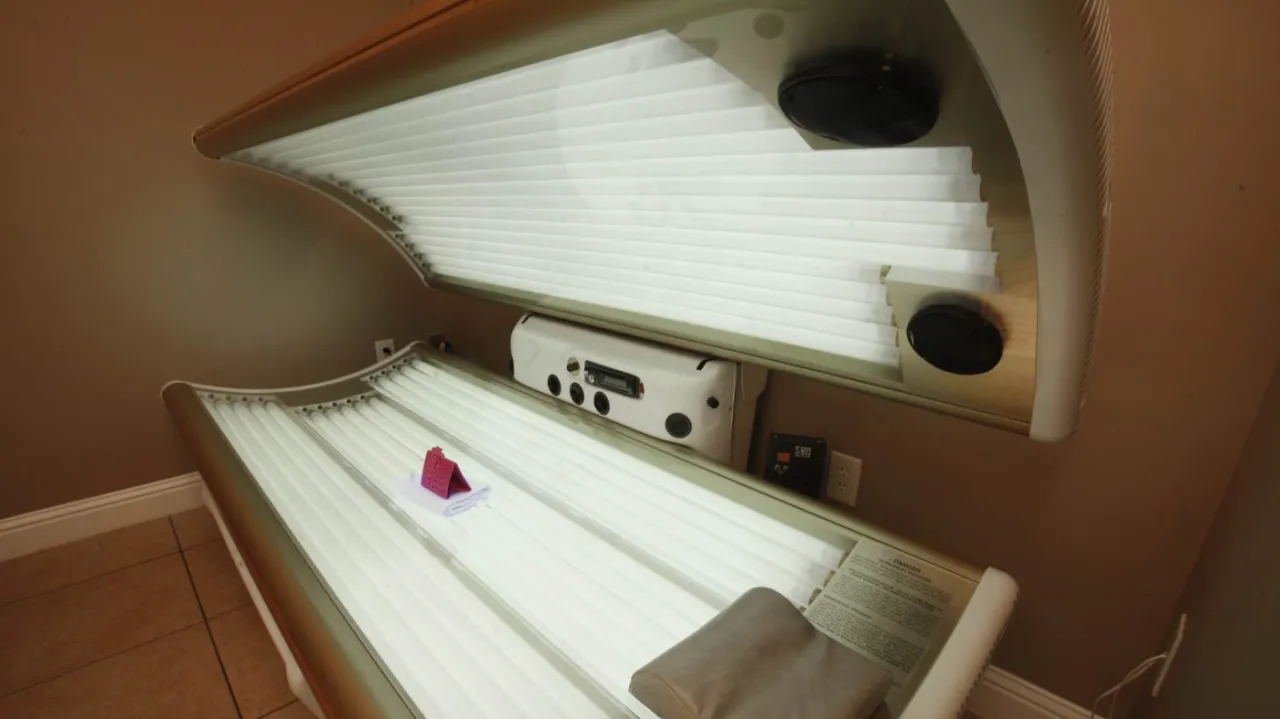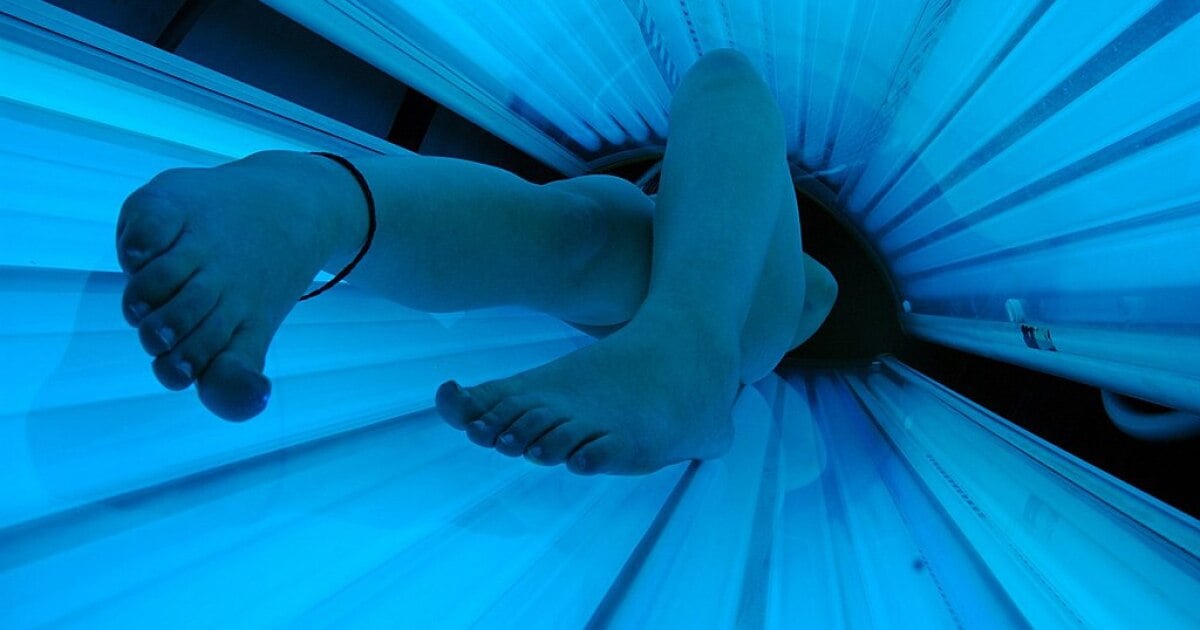
A new study finds that tanning beds cause DNA damage across nearly the entire skin surface, significantly increasing melanoma risk, with users showing almost twice as many mutations as non-users, prompting calls for stricter regulations and warnings.
A recent study shows that tanning beds cause widespread DNA mutations across nearly the entire skin surface, significantly increasing the risk of melanoma, with indoor tanners having nearly three times the risk compared to non-users. The research highlights the dangers of indoor tanning, especially among young people, and calls for stricter regulations similar to those for other carcinogens like tobacco.
A new study shows that tanning beds significantly increase melanoma risk, causing widespread DNA mutations across the skin, even in areas not exposed to sunlight, challenging industry claims of safety and highlighting the need for stricter regulations and public awareness.
A study reveals that melanocyte stem cells respond to DNA damage by either undergoing senescence-coupled differentiation, leading to hair graying and protecting against cancer, or bypassing this process under carcinogenic stress, which may increase melanoma risk, highlighting a link between tissue aging and cancer prevention mechanisms.
Emerging research suggests that grey hair may be an outward sign of the body's protective response against cancer, with damaged melanocyte stem cells either undergoing differentiation and disappearing (causing grey hair) or bypassing this process and potentially leading to melanoma, highlighting a complex link between aging, cellular damage, and cancer risk.
Researchers have discovered that activating transposable elements in certain blood cancers with specific mutations creates a vulnerability that can be exploited using PARP inhibitors, leading to cancer cell death without harming healthy cells, offering a new potential treatment for drug-resistant blood cancers.
Drinking alcohol increases breast cancer risk by affecting hormones and damaging DNA, even at moderate levels. To lower risk, experts recommend abstaining from alcohol or limiting intake, along with maintaining a healthy lifestyle and regular screenings.
A study reveals that sucralose, a common artificial sweetener, can produce a compound called sucralose-6-acetate in the body, which damages DNA and weakens the gut barrier, raising concerns about its safety and potential health risks. The findings suggest a need for regulatory review and further human studies to assess long-term effects.
A Japanese study suggests that gray hair may be a sign of the body's natural defense mechanism against skin cancer, specifically melanoma, by promoting the differentiation and loss of melanocyte stem cells in response to DNA damage, thereby reducing the risk of tumor development.
Scientists have discovered that DNA damage in melanocyte stem cells can lead to hair graying through senescence, but in the presence of carcinogens, these cells avoid this process and expand, increasing cancer risk. The study links the biological pathways of aging, hair color change, and cancer development, highlighting how stem cell stress responses can diverge into either protective exhaustion or dangerous expansion, with implications for understanding melanoma and aging.
Research suggests that hair graying may be linked to a natural defense mechanism against cancer, with stem cells in hair follicles responding to DNA damage by either differentiating and causing graying or avoiding differentiation to prevent tumor formation, based on a mouse study. However, further research is needed to understand implications for humans.
New research suggests that graying hair may be a biological response to DNA damage that helps protect against melanoma, with stem cells either differentiating and leading to gray hair or avoiding differentiation and increasing tumor risk, highlighting a potential natural cancer defense mechanism.
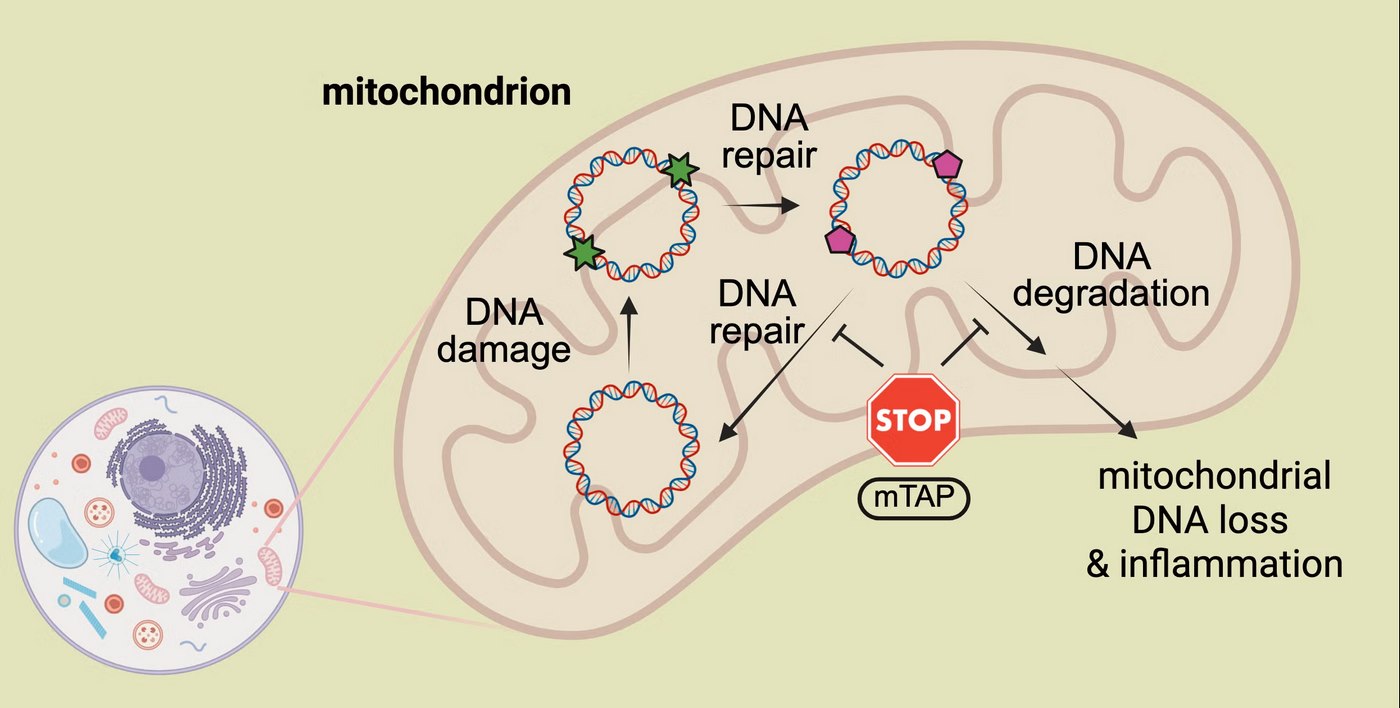
Researchers at UC Riverside developed a chemical probe that protects mitochondrial DNA from damage, potentially preventing age-related diseases and representing a paradigm shift in anti-aging strategies by focusing on prevention rather than repair.
Researchers have identified accumulated DNA damage in the retina as a key factor in age-related macular degeneration (AMD), a leading cause of blindness in people over 50. The study, published in Aging Cell, suggests that targeting specific retinal cells could lead to treatments that slow or stop AMD progression. The research highlights the importance of DNA repair in maintaining retinal health and suggests potential interventions to counteract oxidative stress and enhance DNA repair. The study involved collaboration from multiple universities and was supported by various foundations and the NIH.
A new study has found a potential link between poor diet and increased cancer risk through the production of methylglyoxal, a by-product of glucose metabolism that can inhibit genes protecting against cancer. High levels of methylglyoxal, common in people with prediabetes, diabetes, and obesity, can lead to DNA damage, increasing the likelihood of cancer development. While more research is needed to confirm these effects, the study suggests that following a balanced, plant-forward diet rich in dietary fiber and bioactive compounds, such as the Mediterranean diet, may help reduce methylglyoxal production and lower cancer risk.