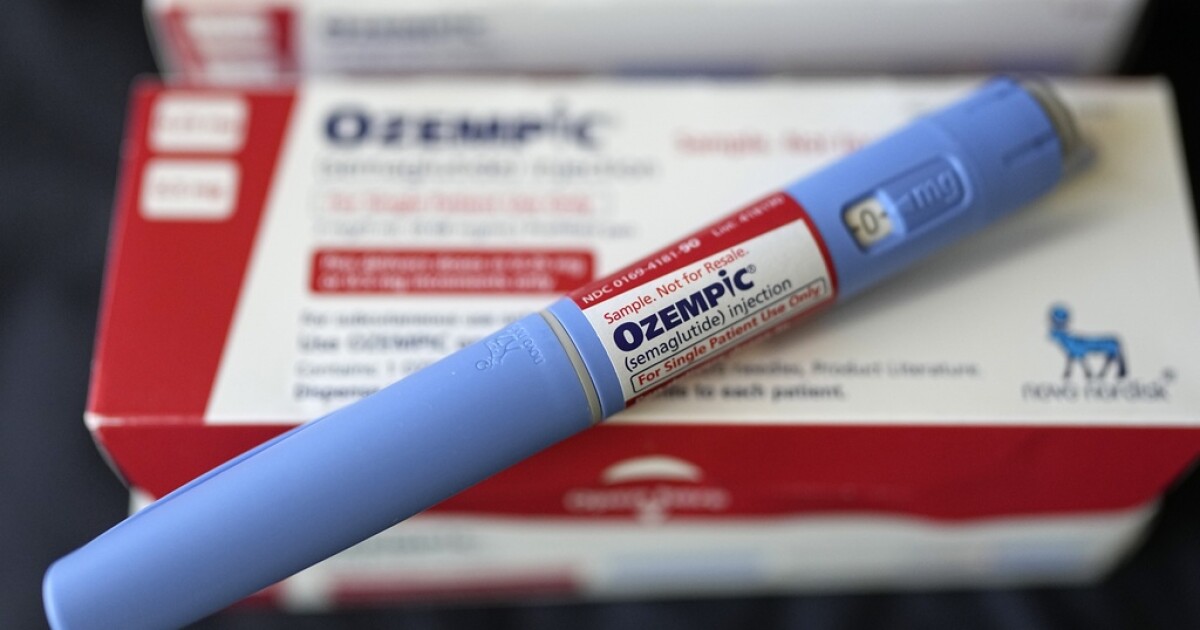
Research from Oxford indicates that stopping GLP-1 medications like Ozempic often results in weight regain within 18-24 months, highlighting obesity as a chronic condition requiring long-term management rather than short-term medication use.
Oprah Winfrey revealed she stopped using GLP-1 weight loss medication after 12 months, learning that maintaining weight loss with medication is a lifelong commitment. She shared her journey of understanding obesity as a condition influenced by genetics and environment, emphasizing the importance of compassion and accurate information in addressing obesity. Winfrey also discussed her new book on health and weight management.
Taking ibuprofen with coffee can enhance its pain-relieving effects due to caffeine's ability to block pain signals and improve absorption, but alcohol should be avoided when taking ibuprofen due to increased health risks.
Presley Gerber, Cindy Crawford's son, shared a heartfelt seven-minute video on Instagram detailing his ongoing mental health struggles, including his current medications, emotional challenges, and efforts to find community and support, aiming to connect with others facing similar issues.
Dr. Neil Cornwell and his dog Cammie share a viral TikTok series where they take their anxiety medications together to destigmatize mental health issues, highlighting their personal struggles and encouraging open conversations about anxiety.
A retired surgeon shares a detailed and personal account of being misdiagnosed, forcibly medicated, and subjected to ECT in psychiatric care, highlighting issues of patient rights, treatment abuses, and the impact of psychiatric practices on his life and family.
The FDA has approved Rybelsus, an oral medication originally for diabetes, now expanded to help prevent heart attacks and strokes by reducing inflammation, oxidative stress, and improving blood vessel health, marking a significant advancement in cardiovascular disease prevention.
Researchers have discovered a powerful new antibiotic precursor, pre-methylenomycin C lactone, which shows over 100 times the effectiveness against certain bacteria and could be crucial in fighting antibiotic-resistant pathogens like MRSA and VRE. The molecule is a natural intermediate in the production of the well-known antibiotic methylenomycin A, and its stability and production potential make it a promising candidate for future drug development. This discovery also highlights a new approach to finding bioactive compounds by studying intermediate molecules in bacterial pathways.
A Phase 3 trial of the investigational drug valiltramiprosate shows promise in slowing neurodegeneration in genetically high-risk Alzheimer's patients with APOE4/4, especially when administered early at the MCI stage, though it did not meet its primary clinical endpoint overall.
A study published in the British Medical Journal shows that ADHD medications like methylphenidate significantly reduce serious harmful outcomes such as substance misuse, suicidal behavior, criminal activity, and traffic accidents in newly diagnosed patients, highlighting the broader benefits of treatment beyond improving focus.
Statins are widely prescribed drugs that help lower LDL cholesterol levels, reducing the risk of heart attack and stroke, especially for those with genetic predispositions or existing cardiovascular issues. While effective, they can have side effects, and lifestyle changes like diet and exercise are recommended as complementary or alternative measures. Consulting a healthcare professional is essential to determine if statins are appropriate for an individual.
A person with a painful skin condition faces rejection from his girlfriend who demands he grow a beard to hide his sores, risking infection and pain. The advice emphasizes the importance of medical treatment, questioning the girlfriend's empathy, and suggests the individual observe her reactions to determine if she truly cares for his well-being. The column also offers guidance on other personal and family issues.
The article discusses the rising mortality rates from falls among older Americans, highlighting the role of prescription drugs, especially those that cause drowsiness or dizziness, as a significant contributing factor. Despite efforts to prevent falls through guidelines and programs, the increase in fall-related deaths continues, partly due to overuse and inappropriate prescribing of certain medications. Experts emphasize the importance of deprescribing and alternative treatments to reduce these risks.
The article discusses the rising death rates among older adults due to falls, highlighting the role of increased medication use, especially drugs that cause drowsiness or dizziness, and the challenges in fall prevention despite various guidelines and interventions. It emphasizes the importance of careful medication management and patient awareness to reduce fall-related deaths.
Neurologists are researching medications that could potentially help the brain heal itself after injuries like strokes, offering hope for improved recovery outcomes.