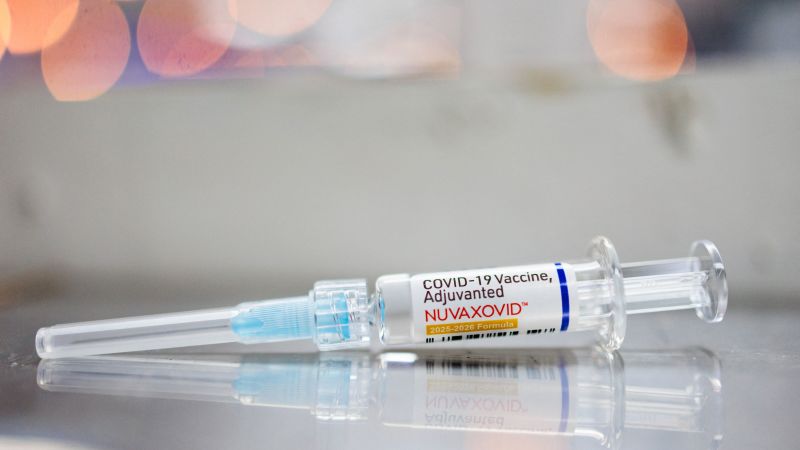
The WHO's TAG-CO-VAC recommends updating COVID-19 vaccine antigens to monovalent LP.8.1 to better target circulating SARS-CoV-2 variants, while noting that existing JN.1 lineage vaccines remain suitable. Ongoing surveillance and data collection are emphasized to adapt vaccine strategies as the virus evolves.
FDA Commissioner Martin Makary emphasized the need for greater humility and transparency from the government to rebuild public trust in health advice, criticizing recent communication issues and advocating for flexible, science-based decision-making.
A group of former FDA leaders criticized the agency's new vaccine safety policies, arguing that they undermine scientific evidence and could harm public health, especially regarding COVID-19 and flu vaccines, amid ongoing political influences on vaccine policy.
An FDA official proposed new, vague standards for vaccine testing that could hinder the development and access to vaccines, including demanding randomized controlled trials for vaccines like those for COVID-19 and influenza, which experts argue are impractical and could delay or restrict vaccine availability, especially for vulnerable populations like pregnant women and children.
The FDA's top vaccine official mentioned a review linking 10 children's deaths to COVID-19 vaccines, prompting calls for more transparency and scrutiny from health experts, who criticize the lack of published data and warn against politicizing vaccine safety.
A CDC vaccine panel presentation raised safety concerns about mRNA COVID-19 vaccines, but experts say these are based on misinterpretations or flawed science, and the vaccines are extensively tested and safe for the public.
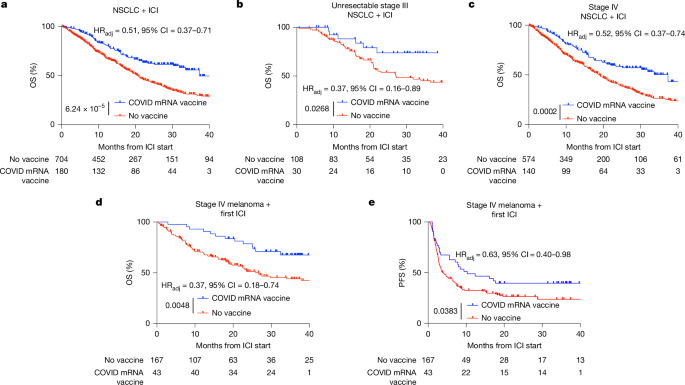
Research shows that COVID-19 mRNA vaccines can enhance the effectiveness of cancer immunotherapy by 'warming up' cold tumors, significantly improving survival rates in lung and skin cancer patients, potentially leading to a new approach in cancer treatment.
A study finds that COVID-19 mRNA vaccines, like Pfizer and Moderna, can boost the immune system to recognize and kill cancer cells, especially when combined with immunotherapy, potentially extending benefits to more cancer patients. The vaccines act as an immune alarm, helping to turn 'cold' tumors 'hot,' and are being tested in clinical trials for lung cancer.
A study by the University of Texas MD Anderson and the University of Florida found that mRNA COVID-19 vaccines not only protect against the virus but also nearly double the median survival time of cancer patients by boosting the immune system.
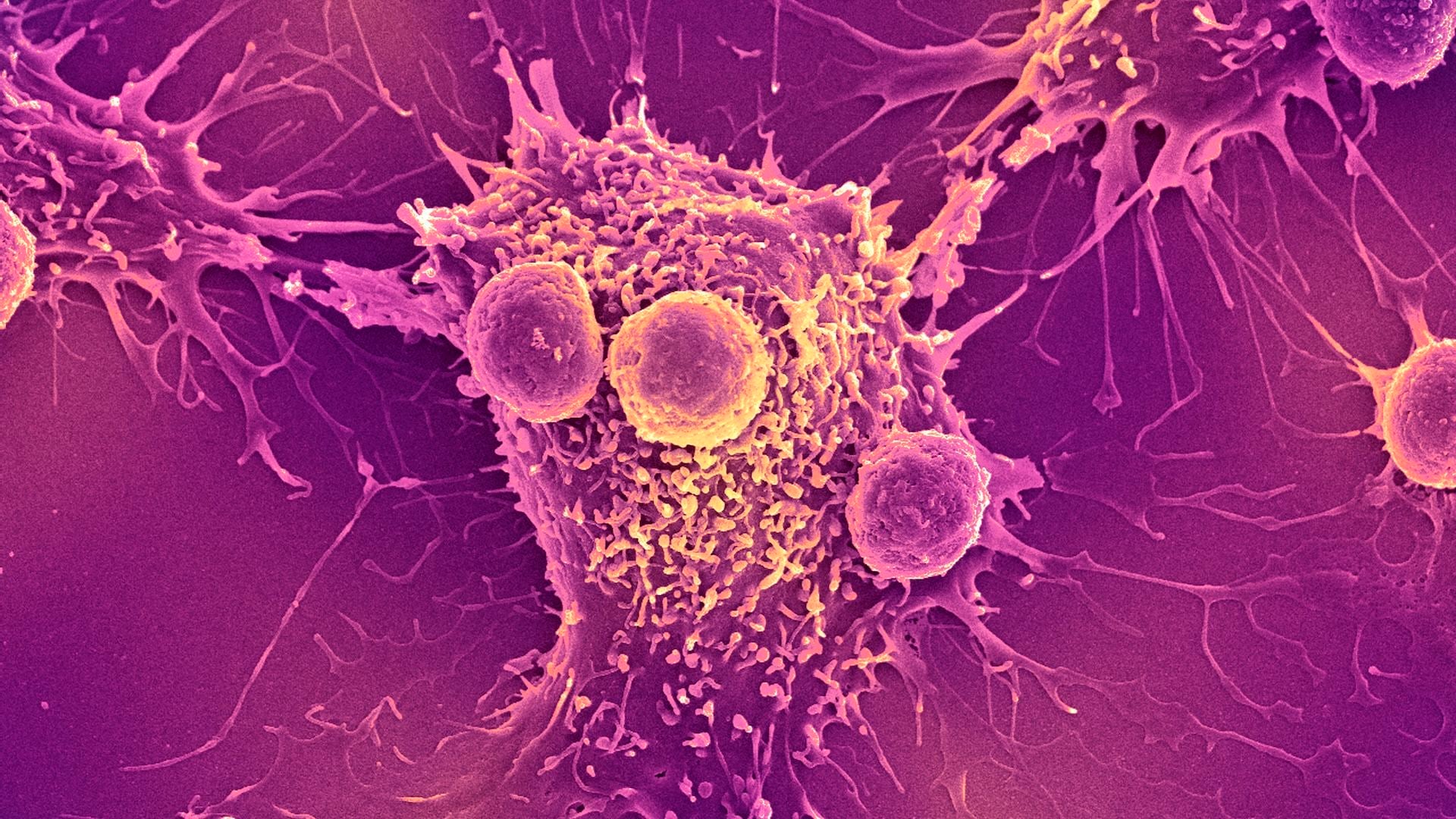
COVID-19 mRNA vaccines enhance the effectiveness of immune checkpoint inhibitors in cancer treatment by stimulating innate and adaptive immune responses, increasing tumor PD-L1 expression, and potentially restoring immune sensitivity in 'cold' tumors, leading to improved survival outcomes in patients with NSCLC and melanoma.
Preliminary research suggests that Pfizer and Moderna mRNA COVID-19 vaccines may enhance immune responses in some cancer patients undergoing immunotherapy, potentially improving survival rates, especially in lung and skin cancers, by acting as immune system stimulants beyond their role in fighting COVID-19.
A study presented at the 2025 European Society for Medical Oncology Congress suggests that COVID-19 mRNA vaccines may enhance survival in patients with advanced lung and melanoma cancers by sensitizing tumors to immunotherapy, nearly doubling median survival times when administered within 100 days of starting immune checkpoint inhibitors.
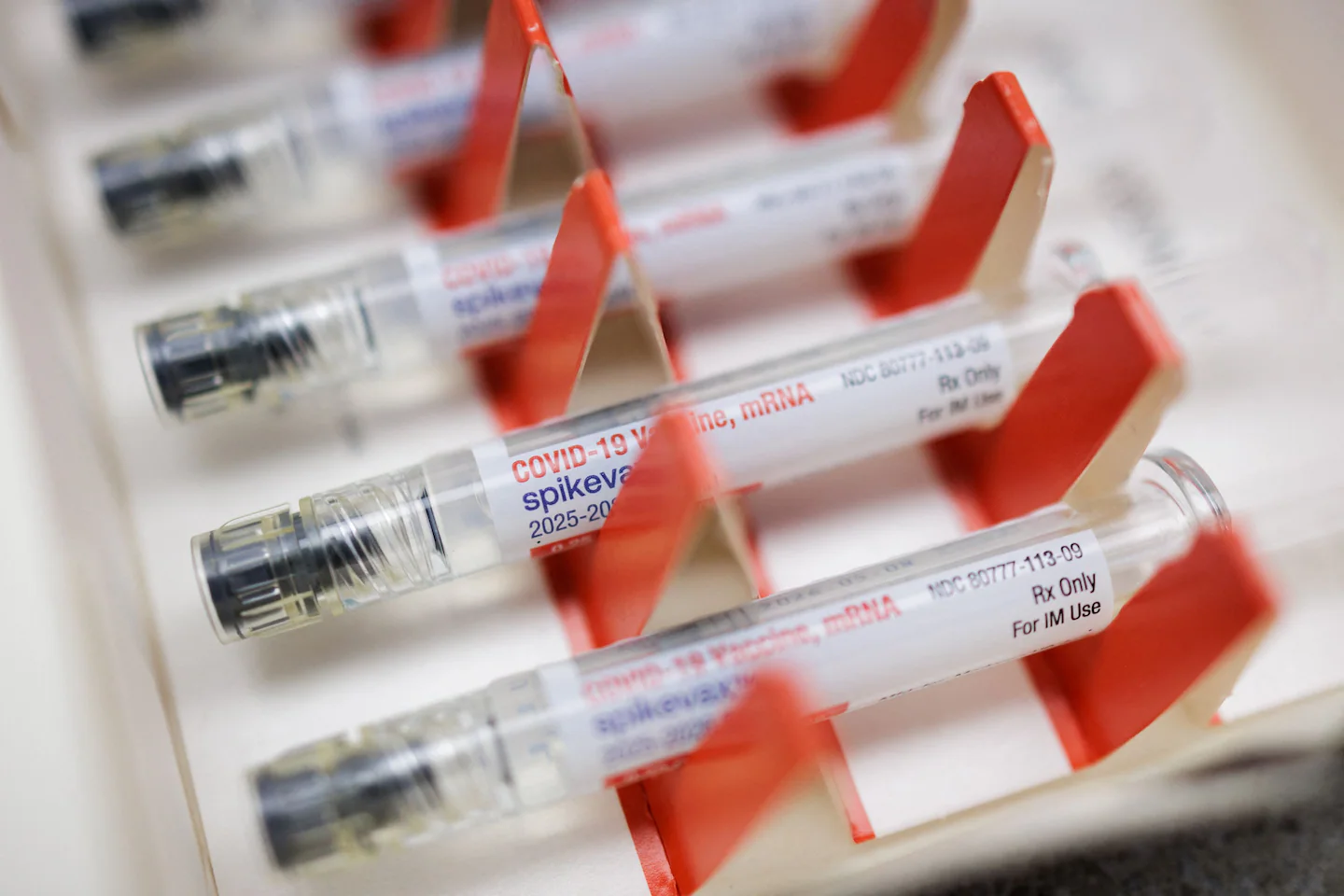
Updated COVID-19 vaccines for 2025-2026 are available, with new approval and recommendation processes that emphasize shared clinical decision-making, especially for certain age groups and high-risk populations. The vaccines are broadly accessible, but navigating eligibility and recommendations may be more complex due to recent regulatory and policy changes, potentially affecting vaccine uptake.
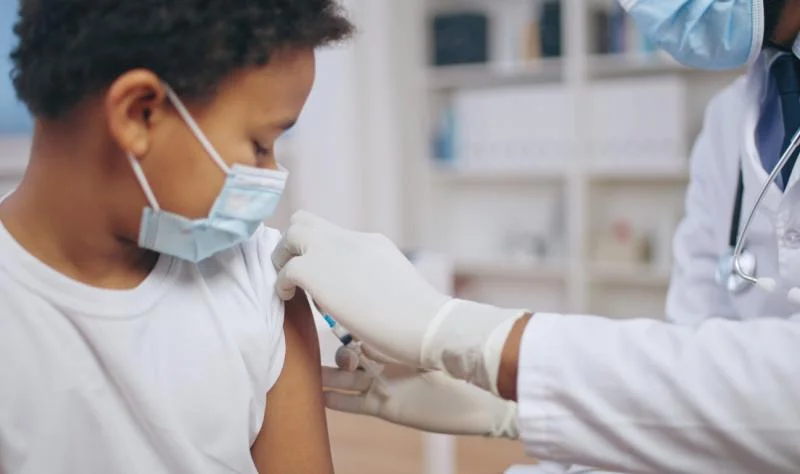
Low-income families in the US face delays in accessing Covid-19 vaccines for children due to administrative and policy disruptions, despite the vaccines being recommended and available in other contexts, leaving vulnerable children and their caregivers at risk.
Most Americans with health insurance will still get COVID-19 vaccines at no cost, despite CDC's new recommendation requiring shared clinical decision-making, which introduces some ambiguity about coverage obligations. Major insurers have committed to covering recommended vaccines at no cost through 2026, but some insurers may argue they are not required to cover vaccines not explicitly recommended by the CDC, especially under shared decision-making guidelines. Medicaid will continue to cover vaccines at no cost, but changes are expected for other vaccines like MMRV for children.