Josif Wittnik shares his experience with recurrent prostate cancer to raise awareness, emphasizing the importance of regular screenings and early detection, especially for high-risk groups, during September Prostate Cancer Awareness month.
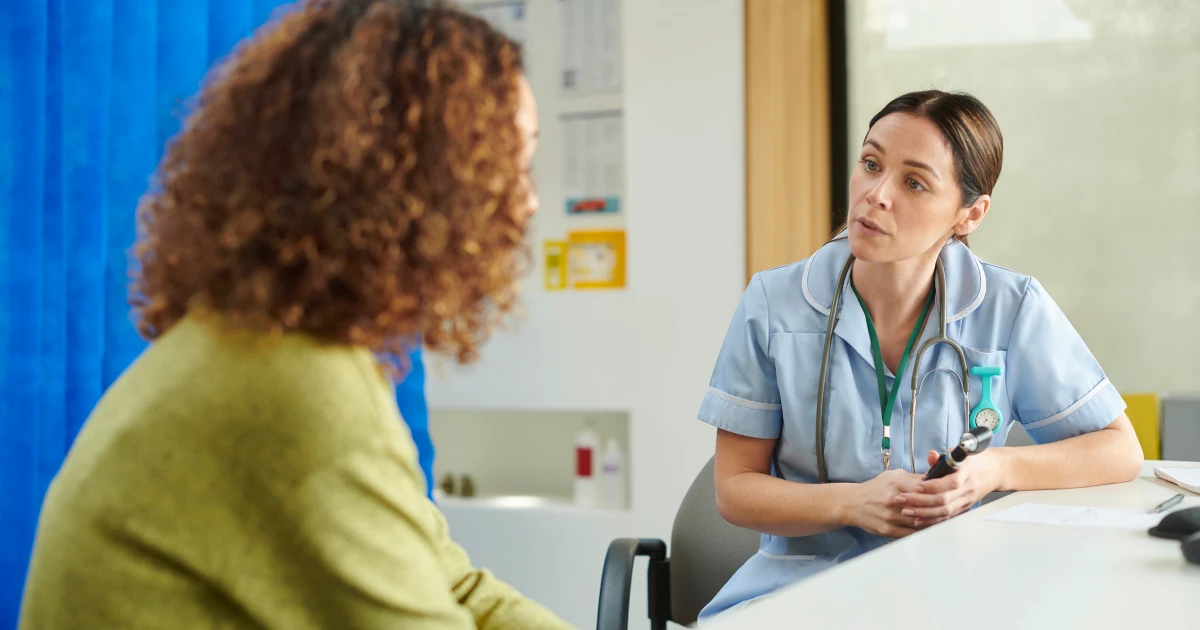
The article emphasizes the importance of comprehensive health screenings for women at different life stages, including tests for conditions like PCOS, endometriosis, breast cancer, and menopause symptoms, advocating for women to actively participate in their health care and be aware of necessary tests and preventive measures.
Advocates in the Bay Area are emphasizing the importance of universal screenings for hepatitis B to prevent liver cancer, a largely hidden health crisis, but enforcement remains challenging despite the potential to reduce sickness, expenses, and deaths.
To lower the risk of colon cancer, it is recommended to get regular screenings starting at age 45, maintain a healthy weight through balanced diet and exercise, eat more plant-based foods high in fiber, limit red and processed meats, reduce alcohol consumption, avoid smoking, and use smart cooking methods. Combining these healthy habits can significantly improve long-term colon health.
A study published in Nature Aging reveals that humans experience accelerated aging at two key life stages: around age 44 and again at age 60. These periods are marked by changes in metabolism, skin, immune function, and increased risk of cardiovascular disease. The study, which analyzed biological samples from 108 individuals, highlights the importance of regular health screenings during these times to monitor blood sugar, cholesterol, and other health indicators. Specific screenings for cancer, bone density, and kidney function are recommended to manage health risks associated with these aging crests.
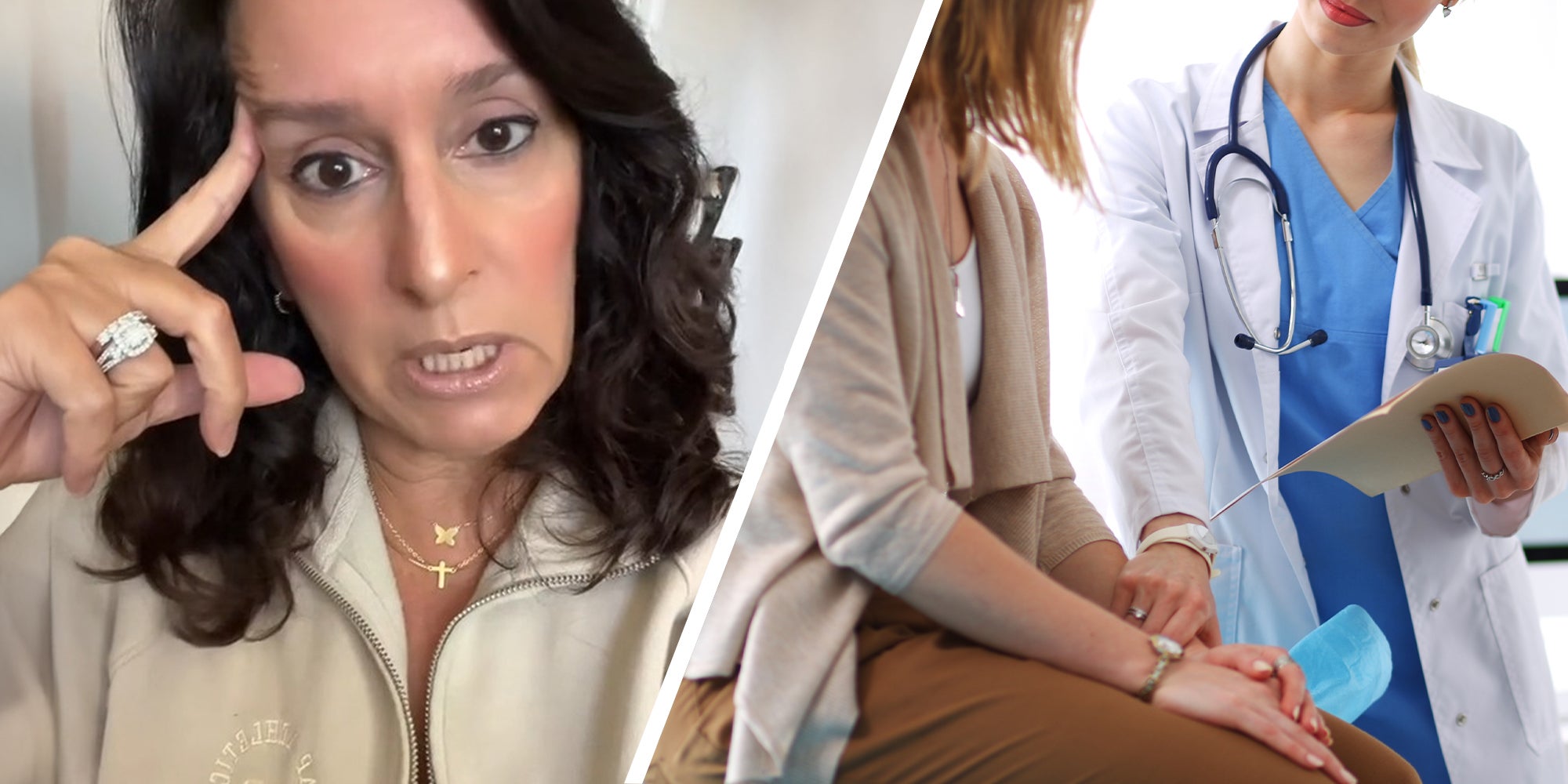
A nurse on TikTok, Michele, is spreading misinformation about cancer screenings, claiming that procedures like mammograms can cause cancer to spread and that radiation is harmful. Her statements are not backed by scientific evidence, and experts emphasize the importance of screenings for early cancer detection. The National Breast Cancer Foundation and other health organizations confirm that mammograms do not cause cancer to spread and that the benefits of early detection outweigh potential risks. Michele's claims have sparked controversy and concern among healthcare professionals.
The incidence of cancers, including colorectal, breast, liver, and ovarian, is rising among Gen X and Millennials, with no clear cause identified. Experts suggest that changes in diet, environment, and microbiome may contribute to this trend. Despite the increase, cancer mortality rates have decreased over the decades. Health professionals emphasize the importance of regular screenings and not dismissing symptoms in young adults, as early detection can significantly impact outcomes. Maintaining a healthy lifestyle and being proactive about health check-ups are recommended.
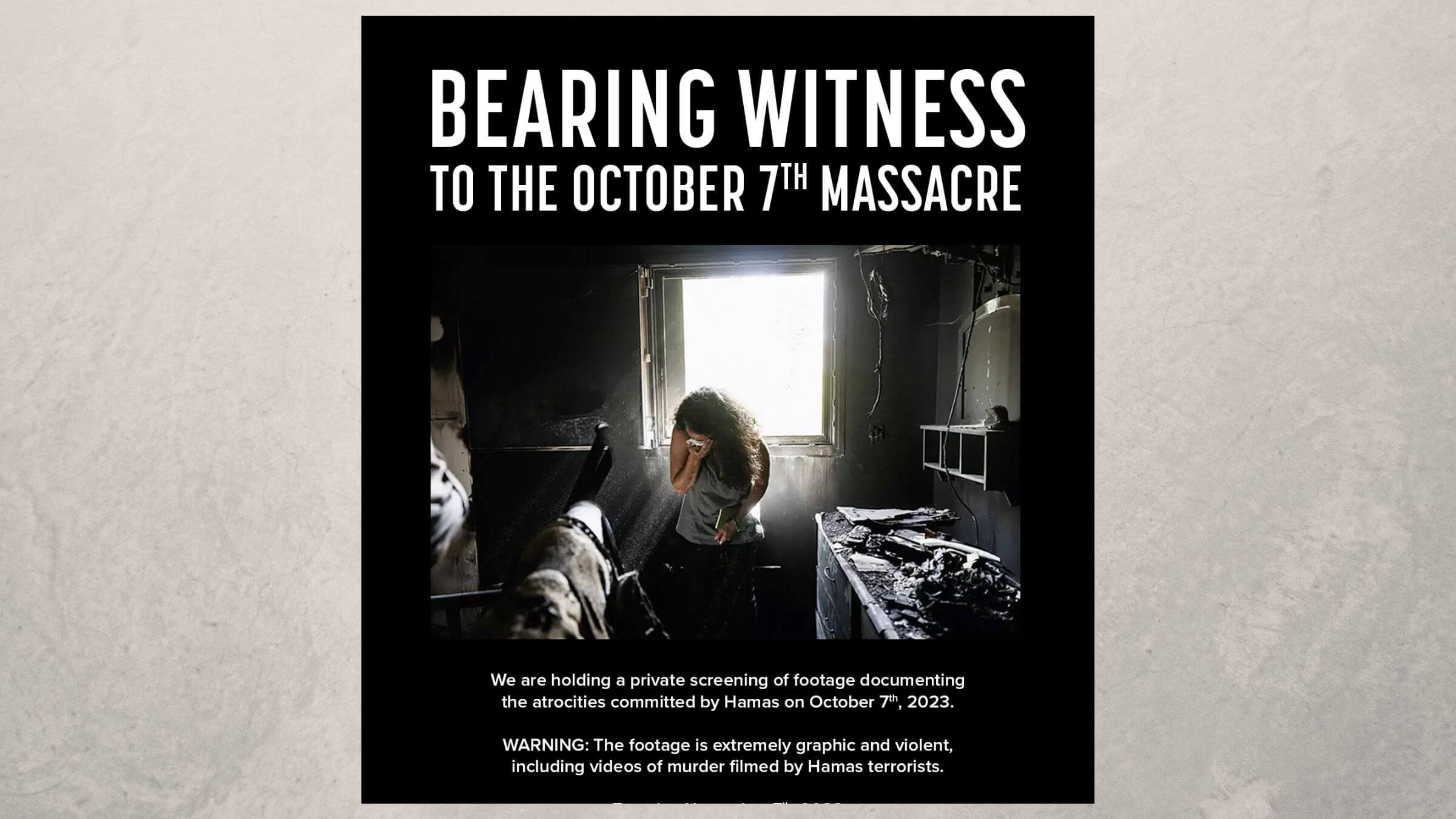
Jewish organizations and Hollywood celebrities are being invited to private screenings of a 43-minute film titled "Bearing Witness to the October 7th Massacre," which documents the atrocities committed by Hamas. The film includes graphic footage shot by Hamas gunmen themselves, showing unspeakable horrors such as decapitation attempts and the murder of children. The screenings aim to counter misinformation and denial of the massacres, which took place on October 7th and resulted in the deaths of 1,400 people, mostly civilians. Israel's response to the attacks has led to the deaths of thousands of Palestinians.
Colorectal cancer, typically associated with older adults, is increasingly being diagnosed in people under 40. Symptoms such as bleeding, bloody stool, stomachaches, fatigue, and weight loss should not be ignored, even in younger individuals. While current guidelines recommend colonoscopies at age 45 for those at average risk, individuals with a family history, obesity, or sedentary lifestyle may be at higher risk. Younger patients may need to consider earlier screenings or alternative tests, such as stool DNA tests, to detect blood in the stool. It is important to be proactive about one's health and push for answers if something feels off.
The state Department of Health in Hawaii is urging health care providers to increase screenings for syphilis, as the number of cases continues to rise. The focus is on pregnant women or those planning to become pregnant, in order to prevent the transmission of the disease to their babies.
A new study from Massachusetts General Hospital suggests that continuing colon cancer screenings for those over 75 and in good health can reduce the risk of colorectal cancer and related death by 40%. This contradicts the typical recommendation that routine screenings can stop after the age of 75.
Sharon McRae, a colorectal cancer patient, encourages people to get screened for cancer as she had no symptoms and no family history of cancer. Colorectal cancer is the second leading cause of cancer death in Iowa, and finding it early can save lives. Doctors recommend people to look out for symptoms like blood in their bowel movements, weight loss, and abdominal pain. Family history can indicate how early one needs to get screened, but most people should start getting colonoscopies at age 45 if they don't have symptoms or family history, but even younger if they do.