Tag

Protein Synthesis

All articles tagged with #protein synthesis

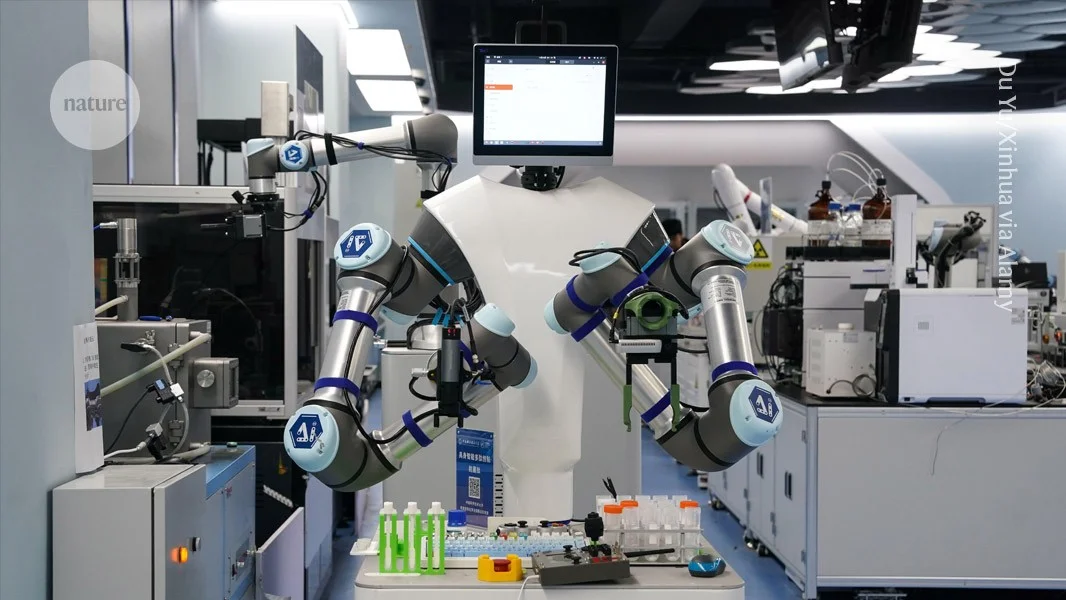
Top Nutrition Tips and Foods to Maximize Muscle Gains and Recovery

Originally Published 3 months ago — by SciTechDaily

Featured image for Top Nutrition Tips and Foods to Maximize Muscle Gains and Recovery
Source: SciTechDaily

A study found that lean pork enhances muscle growth after exercise more effectively than high-fat pork, challenging previous assumptions about dietary fat's role in muscle building, and highlighting the importance of whole, unprocessed foods for optimal post-exercise recovery.

Unraveling the Molecular Basis of Learning and Memory Formation

Originally Published 1 year ago — by Neuroscience News

Featured image for Unraveling the Molecular Basis of Learning and Memory Formation
Source: Neuroscience News

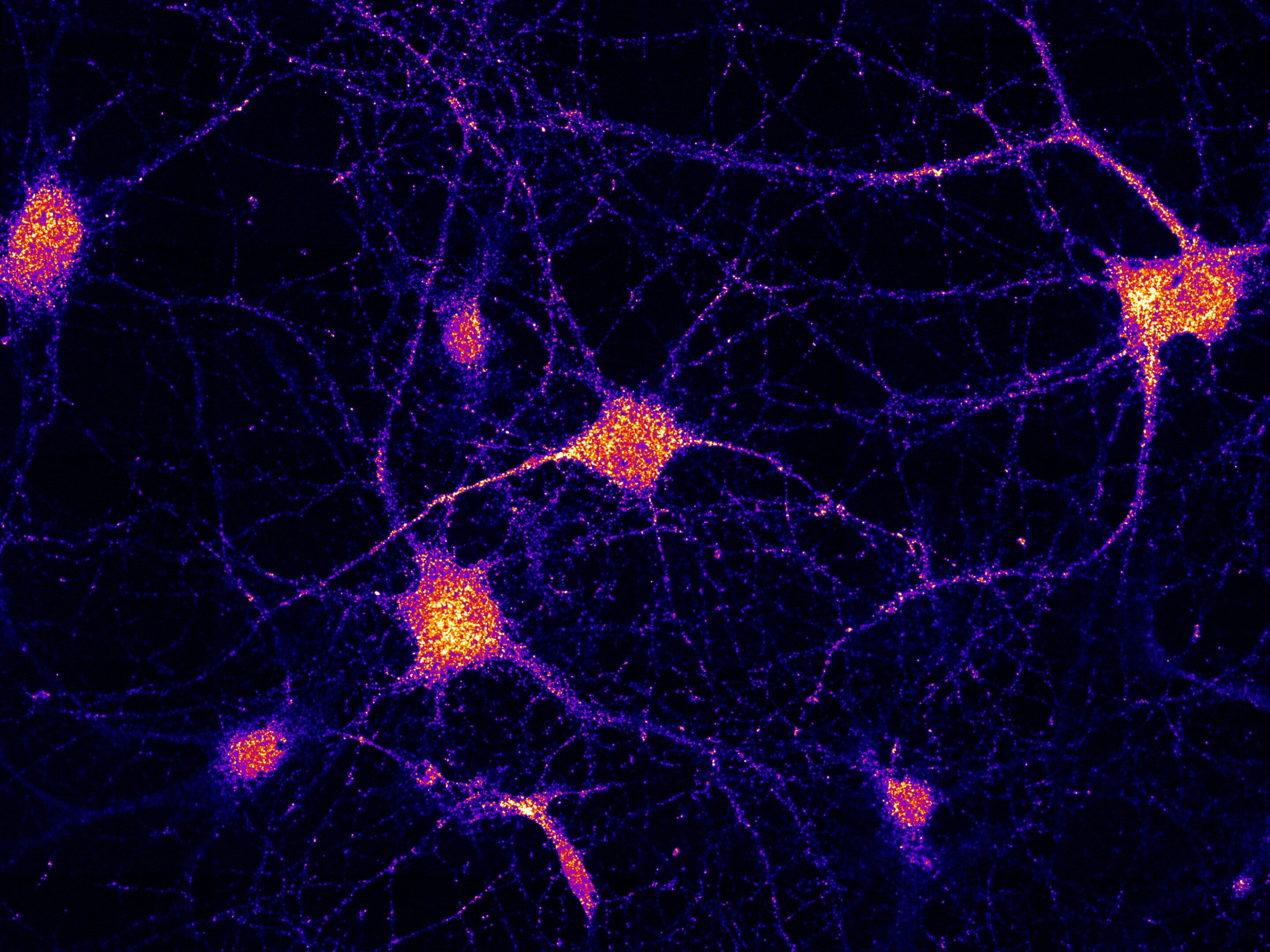
Researchers have developed a new platform, TurboID, to explore dendritic translation's role in memory formation and its implications for intellectual disorders, identifying 1,000 small proteins produced in dendrites during memory formation. The study highlighted the role of FMRP, a protein linked to Fragile X syndrome, in binding mRNA within dendrites, suggesting a new avenue for understanding intellectual disabilities. The development of dendritic-TurboID technology allows for unprecedentedly detailed analysis of protein synthesis in dendrites, offering potential for broad applications in neuroscience research.

"Methylpseudouridylation: Unraveling the Mystery of Ribosomal Frameshifting"

Originally Published 2 years ago — by Nature.com

Featured image for "Methylpseudouridylation: Unraveling the Mystery of Ribosomal Frameshifting"
Source: Nature.com

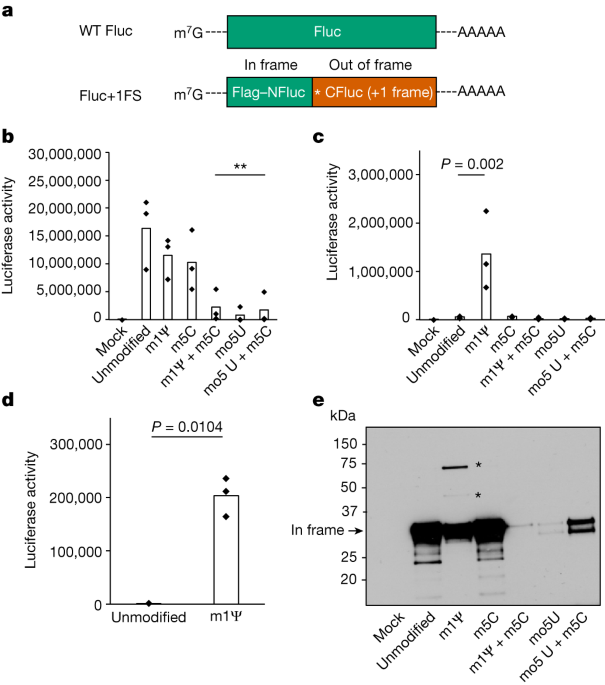
The presence of N1-methylpseudouridine (1-methylΨ) in mRNA can cause ribosomal frameshifting, leading to the production of +1 frameshifted polypeptides. This study investigated the effects of various modified ribonucleotides on mRNA translation and found that 1-methylΨ significantly increased frameshifting. Furthermore, it was observed that mRNA vaccines containing 1-methylΨ, such as the approved SARS-CoV-2 mRNA vaccines, can elicit off-target cellular immune responses due to the production of +1 frameshifted antigens. These findings highlight the importance of understanding the impact of modified ribonucleotides on protein synthesis and the design of mRNA-based therapeutics.

Maintaining Accuracy in Protein Synthesis: Insights from mRNA Reading Frame Maintenance

Originally Published 2 years ago — by Nature.com

Featured image for Maintaining Accuracy in Protein Synthesis: Insights from mRNA Reading Frame Maintenance
Source: Nature.com

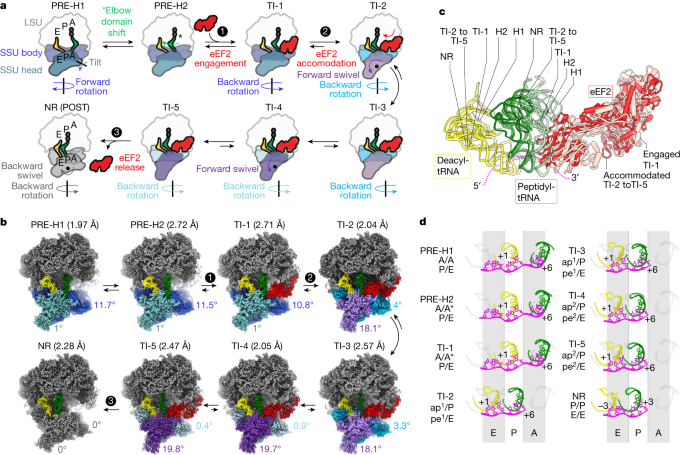
Researchers have made atomic coordinates and cryo-EM maps available for complexes involved in mRNA reading frame maintenance during eukaryotic ribosome translocation. The study sheds light on the mechanisms of translation elongation and the role of GTP hydrolysis in translocation, providing insights into the fidelity of mRNA translation and potential targets for selective inhibition of protein synthesis.

Revolutionary Methods to Enhance Gene Expression Deficiencies

Originally Published 2 years ago — by Phys.org

Featured image for Revolutionary Methods to Enhance Gene Expression Deficiencies
Source: Phys.org

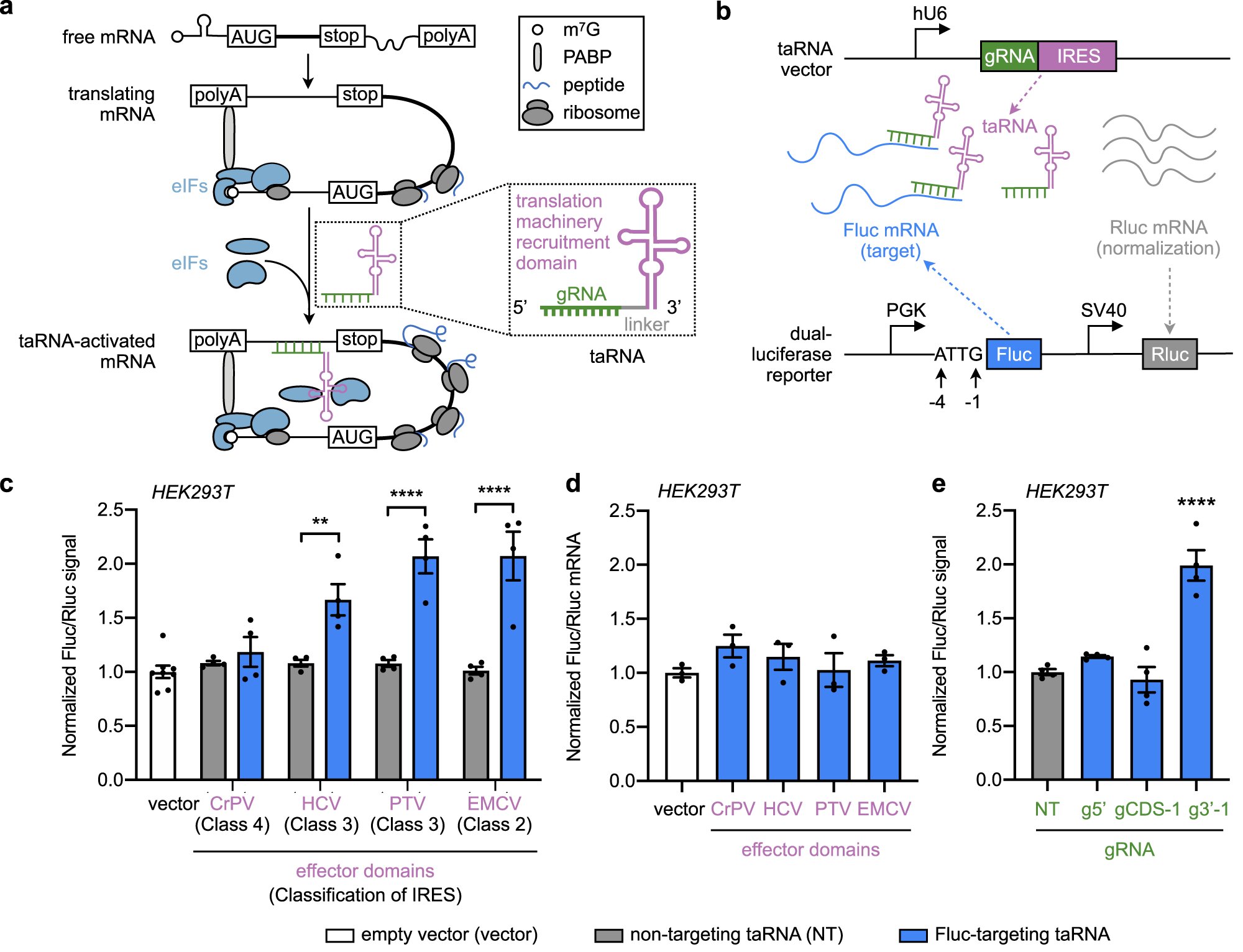
A new molecular technology called translation-activating RNAs (taRNAs) has been developed to regulate gene expression by binding to specific mRNA molecules and increasing protein synthesis. This technology offers a potential solution for diseases caused by insufficient gene expression, such as cancer and genetic disorders. In experiments, taRNAs successfully increased the levels of target mRNAs and proteins in human cells, including tumor suppressors and synaptic regulators. The findings demonstrate a promising strategy for treating diseases related to gene and protein expression insufficiency.

Harnessing Ribosomes: Unlocking the Potential of Chemical Libraries

Originally Published 2 years ago — by Phys.org

Featured image for Harnessing Ribosomes: Unlocking the Potential of Chemical Libraries
Source: Phys.org

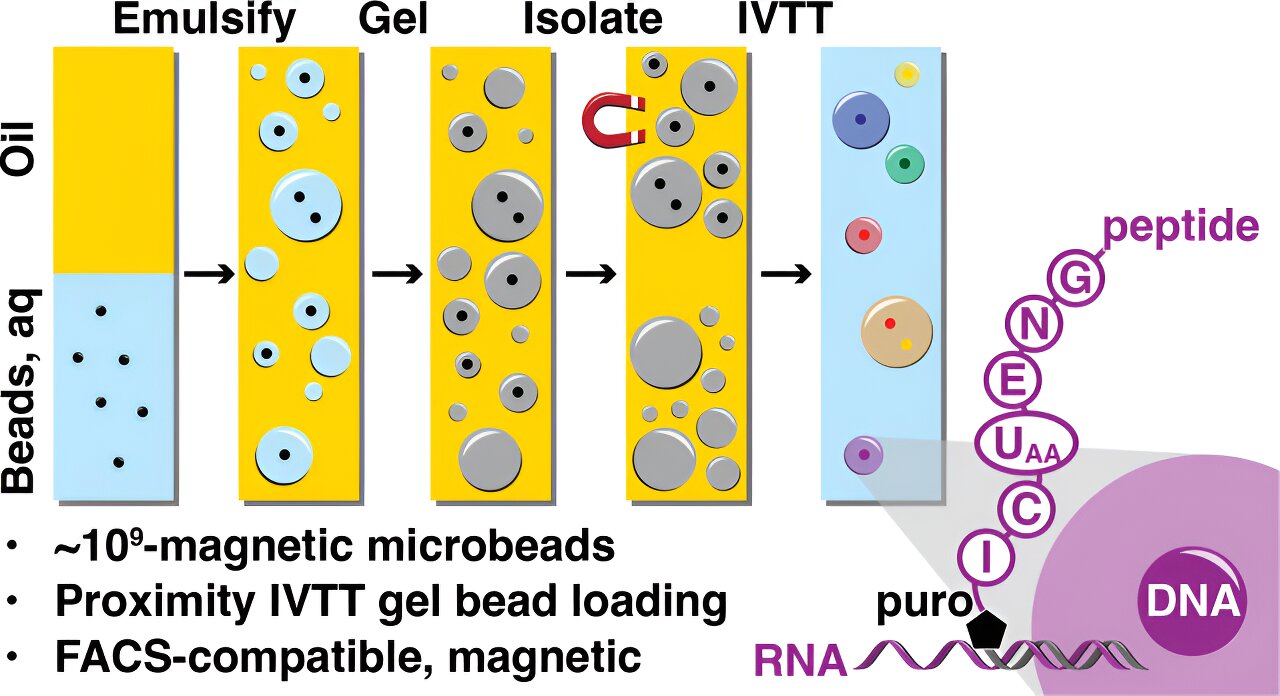
A research team at the University of California, Irvine has developed a new method for creating large collections of chemical compounds used in drug discovery by utilizing ribosomes, the molecules responsible for protein synthesis. This innovative technique replaces the labor-intensive process of manually synthesizing and screening chemical libraries, allowing for the rapid discovery of new drugs. The team successfully generated gel beads containing ribosomes, RNA polymerase, and DNA cores that encode specific peptide molecules. This approach enables the synthesis and screening of vast libraries in parallel, advancing pharmaceutical discoveries and potentially benefiting other fields such as enzyme engineering and material development.

"Unraveling the Link: Protein Synthesis and Cognitive Disorders"

Originally Published 2 years ago — by SciTechDaily

Featured image for "Unraveling the Link: Protein Synthesis and Cognitive Disorders"
Source: SciTechDaily

Researchers at RIKEN have discovered a link between overactive quality control in protein synthesis and neurodevelopmental disorders, which can inhibit neural growth and communication, leading to cognitive dysfunction. By studying mice lacking a key gene in ribosome-associated quality control, the team found that the overexpression of a signaling molecule called TTC3 curbs the extension of neurites, reducing communication between neurons and causing cognitive dysfunction. This finding could pave the way for new therapeutic strategies to target TTC3 or other signaling factors to treat cognitive disorders.

The Science Behind Muscle Building: Unraveling the Mystery of Individual Differences

Originally Published 2 years ago — by Livescience.com

Featured image for The Science Behind Muscle Building: Unraveling the Mystery of Individual Differences
Source: Livescience.com

Building muscle involves a complex interplay of factors, including protein synthesis, muscle damage, and genetic factors. Resistance exercises like weightlifting stimulate muscle growth by triggering protein synthesis and muscle repair. However, excessive muscle damage can hinder growth. Muscle fibers, which cannot divide, rely on satellite cells to donate nuclei for growth. Genetic factors, such as muscle fiber type and ribosome composition, can also influence muscle growth. While some individuals may have genetic disadvantages, various strategies like resistance training and protein intake can help optimize muscle growth for everyone.

Methylation Process Fully Defined by Scientists

Originally Published 2 years ago — by SciTechDaily

Featured image for Methylation Process Fully Defined by Scientists
Source: SciTechDaily

Researchers from UNSW Sydney have fully delineated the process of methylation, a key cellular procedure involving the addition of a ‘tagging’ methyl group to proteins, DNA, and other molecules, influencing cellular behavior and protein synthesis. This landmark study proposes a nearly complete picture of the methylation system, paving the way for new inquiries into the overall system function and potential applications in areas like baking, brewing, biofuel production, and disease treatment.

"Genetic Hacking: Empowering Proteins with New Abilities"

Originally Published 2 years ago — by Nature.com

Featured image for "Genetic Hacking: Empowering Proteins with New Abilities"
Source: Nature.com

Scientists are hacking the genetic code to expand the number of amino acids that can be used to create proteins, which could lead to the development of new materials and therapeutics. By modifying the cellular machinery responsible for protein synthesis, researchers have been able to incorporate non-canonical amino acids into proteins, creating molecules with new properties. They have also used this approach to create polymers and to genetically isolate cells. While much of this work has been done in vitro, researchers are working to apply these techniques to living cells and to create entirely new polymers with the same level of sequence definition as proteins.

Discovery of Missing Link in mRNA Delivery to Brain Cells.

Originally Published 2 years ago — by Phys.org

Featured image for Discovery of Missing Link in mRNA Delivery to Brain Cells.
Source: Phys.org

Scientists have discovered a protein complex, named FERRY, that links mRNA to intra-cellular carriers, and elucidates its role and structure. The discovery may lead to a better understanding of neurological disorders caused by FERRY malfunction and possibly to new medical targets. The results are detailed in two recent works, published back-to-back in the journal Molecular Cell.

Illuminating Human mRNA Decoding Mechanism.

Originally Published 2 years ago — by Nature.com

Featured image for Illuminating Human mRNA Decoding Mechanism.
Source: Nature.com

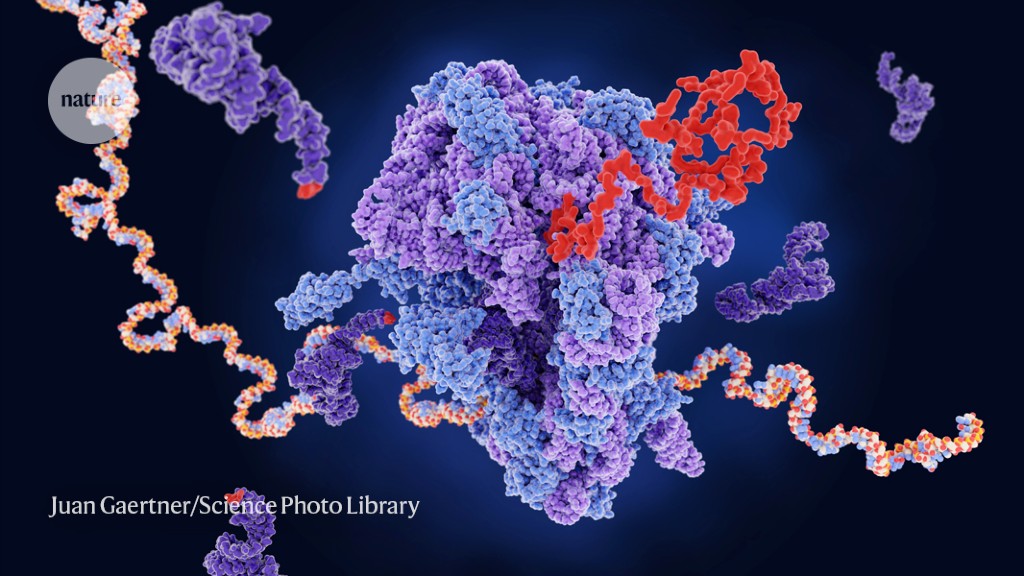
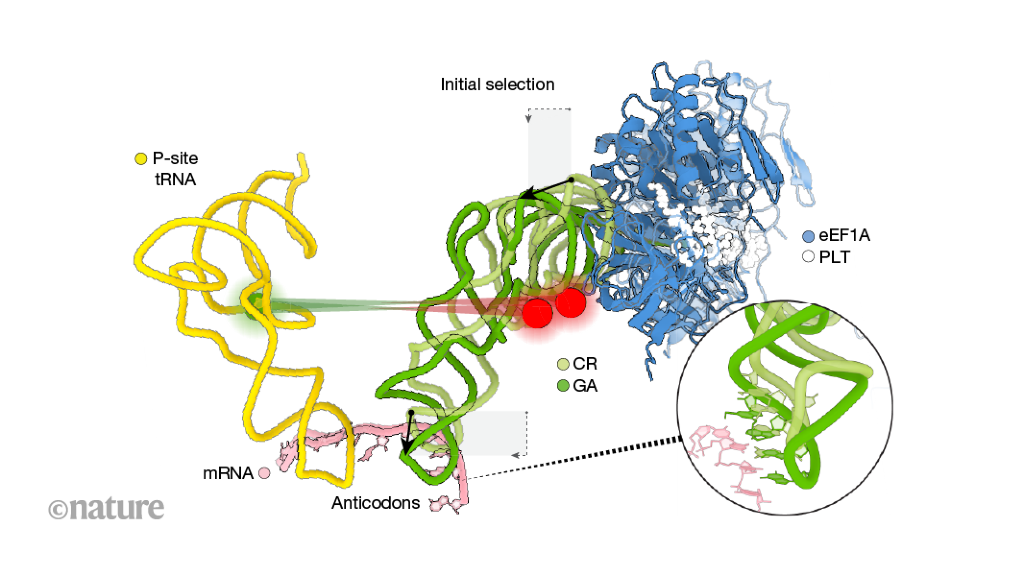
Researchers have used single-molecule imaging and cryo-electron microscopy techniques to investigate the mechanism of messenger-RNA decoding in humans and found that human ribosomes function differently than those of bacteria, explaining why they are slower and more accurate. Ribosomes use messenger-RNA sequences to synthesize proteins, and these findings shed light on the structural and kinetic differences in this process between cell-nucleus-bearing species and bacteria.

The Impact of Genome Doubling on Cancer Development and Chromatin Segregation.

Originally Published 2 years ago — by Nature.com

Featured image for The Impact of Genome Doubling on Cancer Development and Chromatin Segregation.
Source: Nature.com

Cells with doubled genomes experience a shortage of proteins that regulate DNA packing, leading to poor segregation of DNA structures and contributing to cancer development. The cells do not upscale protein synthesis to cope with the increase in DNA, according to a study published in Nature.