Tag

Cognitive Dysfunction

All articles tagged with #cognitive dysfunction

Long COVID Brain Fog Tied to Lung Function and Cognitive Decline

Originally Published 1 year ago — by University of Minnesota Twin Cities

Featured image for Long COVID Brain Fog Tied to Lung Function and Cognitive Decline
Source: University of Minnesota Twin Cities

A study by University of Iowa researchers suggests that sluggish gas exchange in the lungs may contribute to brain fog in long COVID patients. Using MRI to assess lung and brain function, the study found a potential link between impaired pulmonary gas exchange and cognitive dysfunction, as well as reduced brain gray- and white-matter volumes. The findings indicate that improving gas exchange could be a potential treatment strategy for cognitive issues in long COVID.


Managing Long COVID Brain Fog: Understanding and Strategies

Originally Published 1 year ago — by Neuroscience News

Featured image for Managing Long COVID Brain Fog: Understanding and Strategies
Source: Neuroscience News

Long COVID affects 7% of U.S. adults, often causing debilitating brain fog with symptoms like forgetfulness and difficulty focusing. While brain fog usually resolves, it significantly impacts daily life and work. Effective coping strategies and treatments, including lifestyle changes, cognitive strategies, and medications, are crucial for managing this condition.

"The Interconnected Impact of Global Stress and Inflammation"

Originally Published 1 year ago — by Neuroscience News

Featured image for "The Interconnected Impact of Global Stress and Inflammation"
Source: Neuroscience News

A new hypothesis proposes a link between chronic stress, inflammation, and impaired cognition at both individual and societal levels, potentially leading to a cycle of societal dysfunction and environmental degradation. The spread of stress and inflammation through digital communication, particularly social media, is seen as a contributing factor. The study emphasizes the need for multi-level interventions, including lifestyle changes, reduction in social media exposure, and educational initiatives to break this cycle and improve societal resilience to stress.

"Unveiling Cognitive Dysfunction in Long COVID: New Insights and Predictions"

Originally Published 1 year ago — by The BMJ

Featured image for "Unveiling Cognitive Dysfunction in Long COVID: New Insights and Predictions"
Source: The BMJ

Cognitive problems are common after acute SARS-CoV-2 infection, with up to a third of long covid patients experiencing persistent symptoms of cognitive impairment. The nature and trajectory of the impairment should be documented, and alternative diagnoses should be excluded. Self-management techniques, such as pacing and reducing cognitive load, may help patients manage their condition. While cognitive symptoms tend to improve over time, those with chronically persistent symptoms lasting more than 12 months have a lower chance of improvement. Referral to specialist multidisciplinary long covid services or cognitive disorders clinics may be beneficial for patients with severe, progressive, or persistent cognitive impairment.

"Neurological and Cardiovascular Impacts of Mild COVID-19: A Comprehensive Review"

Originally Published 2 years ago — by Nature.com

Featured image for "Neurological and Cardiovascular Impacts of Mild COVID-19: A Comprehensive Review"
Source: Nature.com

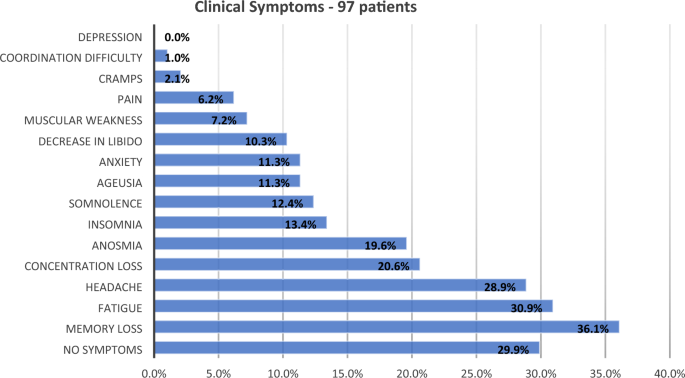
A study analyzed 97 individuals who had recovered from mild COVID-19 and found persistent symptoms such as memory difficulties, fatigue, and headache. Neuroimaging revealed subtle white matter abnormalities, with increased axial diffusivity but no significant changes in the default mode network functional connectivity. The study also identified cognitive dysfunction in a subset of patients. These findings highlight the need for further research into the long-term neurological and cognitive effects of mild COVID-19 infections.

"Unraveling the Link: Protein Synthesis and Cognitive Disorders"

Originally Published 2 years ago — by SciTechDaily

Featured image for "Unraveling the Link: Protein Synthesis and Cognitive Disorders"
Source: SciTechDaily

Researchers at RIKEN have discovered a link between overactive quality control in protein synthesis and neurodevelopmental disorders, which can inhibit neural growth and communication, leading to cognitive dysfunction. By studying mice lacking a key gene in ribosome-associated quality control, the team found that the overexpression of a signaling molecule called TTC3 curbs the extension of neurites, reducing communication between neurons and causing cognitive dysfunction. This finding could pave the way for new therapeutic strategies to target TTC3 or other signaling factors to treat cognitive disorders.