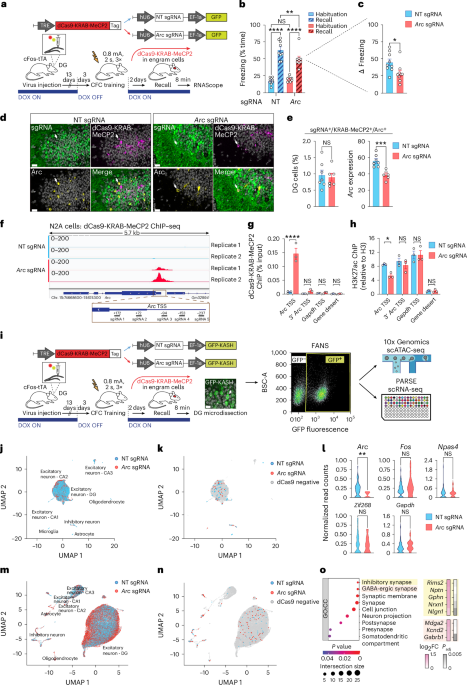
This study developed cell-type- and locus-specific epigenetic editing tools using CRISPR-dCas9 to modulate memory expression in engram cells, demonstrating that targeted epigenetic modifications at the Arc gene locus can bidirectionally regulate memory formation and retention in mice, with effects that are reversible and applicable beyond initial memory consolidation.
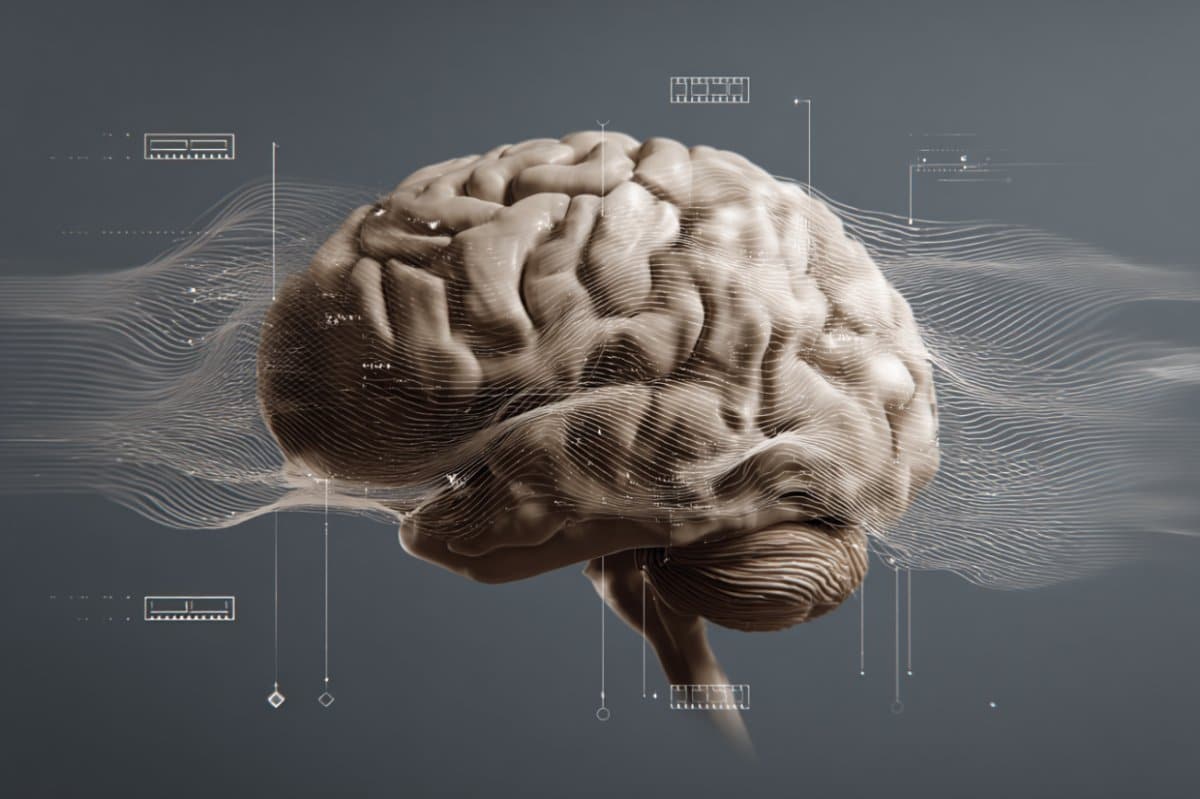
Researchers have discovered that ripple-type brain waves in the hippocampus mark the boundaries of memory episodes and coordinate with cortical areas during naturalistic experiences, providing new insights into how memories are structured and opening potential avenues for treating memory impairments.
New research reveals that slow-wave sleep enhances synaptic connections in the neocortex, optimizing it for long-term memory formation by transferring information from the hippocampus. This process occurs at specific moments during slow-wave oscillations, potentially improving memory retention techniques like electrical stimulation for cognitive impairments. The study used human brain tissue to demonstrate how these oscillations strengthen synapses, offering insights into targeted memory enhancement strategies.
A study from Durham University reveals that interneurons in the hippocampus act as 'traffic controllers' by regulating synchronized brain cell activity, crucial for learning and memory. Activating a single interneuron can trigger coordinated brain activity during rest, potentially aiding memory formation. This discovery suggests that dysfunction in interneurons may contribute to disorders like epilepsy, autism, and schizophrenia, and could lead to targeted therapies for these conditions.
Researchers have developed a new platform, TurboID, to explore dendritic translation's role in memory formation and its implications for intellectual disorders, identifying 1,000 small proteins produced in dendrites during memory formation. The study highlighted the role of FMRP, a protein linked to Fragile X syndrome, in binding mRNA within dendrites, suggesting a new avenue for understanding intellectual disabilities. The development of dendritic-TurboID technology allows for unprecedentedly detailed analysis of protein synthesis in dendrites, offering potential for broad applications in neuroscience research.
Scientists at the Albert Einstein College of Medicine have discovered that controlled DNA damage and inflammation within brain cells, specifically in the hippocampus, are essential for forming long-lasting memories. The study on mice revealed that mild shocks triggered an inflammatory response, leading to DNA repair and the creation of a 'memory assembly' dedicated to storing the experience. This research sheds light on a potential avenue for understanding and treating memory disorders, suggesting that carefully controlled inflammation may play an unexpected role in memory formation and storage.
Researchers have discovered that black-capped chickadees create a barcode-like memory each time they stash food, allowing them to reliably locate their hidden treats. By recording the birds' behavior and brain activity, scientists found that a different combination of neurons fired in the birds' hippocampus each time they stashed seeds, resulting in a unique barcode pattern. This mechanism is distinct from the formation of memories involving specific locations and suggests that the birds create specific episodic experiences when storing and retrieving food. The findings may have implications for understanding memory formation in humans and other mammals.
Researchers have discovered that the brain uses sharp wave-ripples in the hippocampus as a mechanism to select which daily experiences to convert into long-term memories during sleep. These ripples act as a natural tagging system, replaying and strengthening specific neuronal patterns during sleep to facilitate memory formation. Understanding this process may lead to future therapies or devices that can improve memory or mitigate traumatic recollections.
Researchers at Albert Einstein College of Medicine have discovered that DNA damage and brain inflammation play crucial roles in the formation of long-term memories within the hippocampus, challenging previous beliefs about inflammation in the brain. The activation of the Toll-Like Receptor 9 (TLR9) pathway following DNA damage in hippocampal neurons was found to be essential for memory encoding, cautioning against indiscriminate inhibition of this pathway due to its importance in memory formation and the potential risks of genomic instability.
Researchers have developed a new neural model that sheds light on the intricate mechanisms of synaptic plasticity, emphasizing the crucial role of interactions among adjacent synaptic connections in facilitating rapid learning and the consolidation of long-term memories. This breakthrough offers a comprehensive understanding of synaptic co-dependency, challenging the traditional view of isolated synaptic changes and providing novel insights into the dynamics and optimization of neural networks in the brain at the microscale.
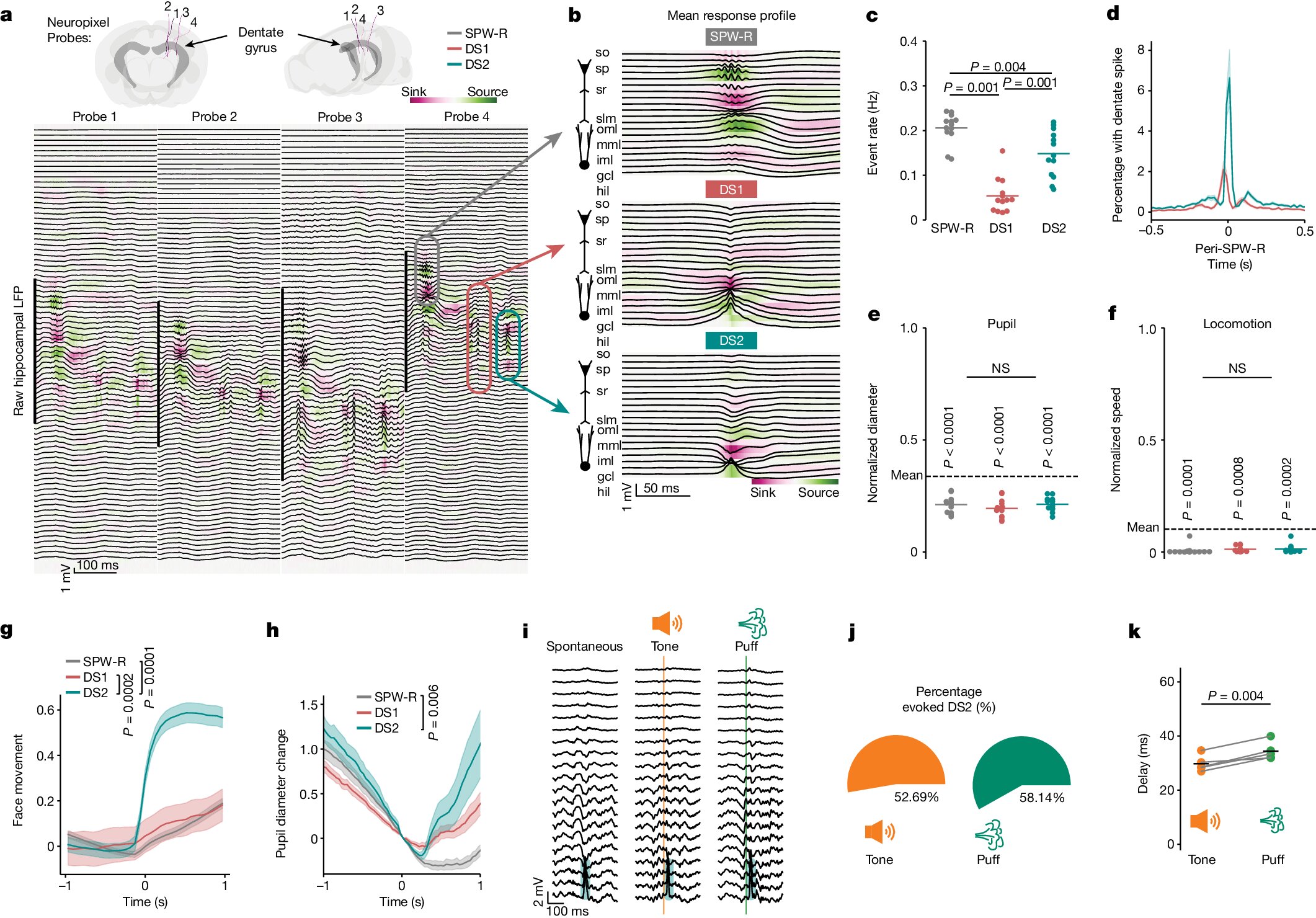
Researchers at Boston Children’s Hospital have uncovered the brain mechanism responsible for transitioning from daydreaming to alertness and memory formation, centered around activity in the dentate gyrus. This mechanism helps the brain realign cognitive focus to immediate realities and process new information, potentially offering insights into neuropsychiatric disorders such as ADHD, PTSD, epilepsy, and Alzheimer’s disease. The study, which analyzed mouse models, found that dentate spikes in the hippocampus play a crucial role in this shift and in associating memories with sensory stimuli, opening new avenues for targeted treatments.
Researchers at Boston Children's Hospital have discovered that a part of the brain called the dentate gyrus plays a crucial role in snapping our attention back from daydreaming and forming memories. This neural activity, known as dentate spikes, helps us quickly process new information and orient ourselves to our environment, as well as promote associative memory. The findings could have implications for understanding neuropsychiatric disorders such as ADHD, PTSD, and epilepsy, and may lead to new treatments for these conditions.
Researchers have identified the DEK gene as potentially responsible for the degeneration of neurons vulnerable to Alzheimer’s Disease (AD), particularly in the entorhinal cortex, a critical area for memory formation. Manipulating DEK levels in experimental models led to increased tau accumulation and neuron degeneration, suggesting a novel therapeutic target. This collaborative effort signifies a crucial step towards understanding and combating the selective vulnerability seen in AD, offering hope for preventing memory loss and curtailing AD progression by protecting these neurons.
Researchers have discovered that saturated fatty acids in the brain play a crucial role in memory consolidation, identifying key genes such as PLA1 and STXBP1 that regulate the formation of these fatty acids during neuronal communication. Mouse models lacking the PLA1 gene showed cognitive decline and lower levels of saturated fatty acids, indicating their importance in memory acquisition. This breakthrough offers new insights into potential treatments for neurodegenerative diseases like Alzheimer’s, providing a significant advancement in the management of memory-related disorders.
Researchers at Virginia Tech have discovered a new function of the protein RPT6 in the brain, revealing its dual role in both the proteasome complex and gene expression regulation during memory formation. This discovery provides new insights into memory processes and holds potential for therapeutic interventions in conditions such as Alzheimer’s disease and PTSD, offering promising implications for the treatment of memory disorders.