The former head of Pfizer R&D expresses concern about the future of the biopharma industry, highlighting past optimism about a productivity surge driven by genomic advances and new drug modalities, but implying that these expectations may not have been realized as hoped.
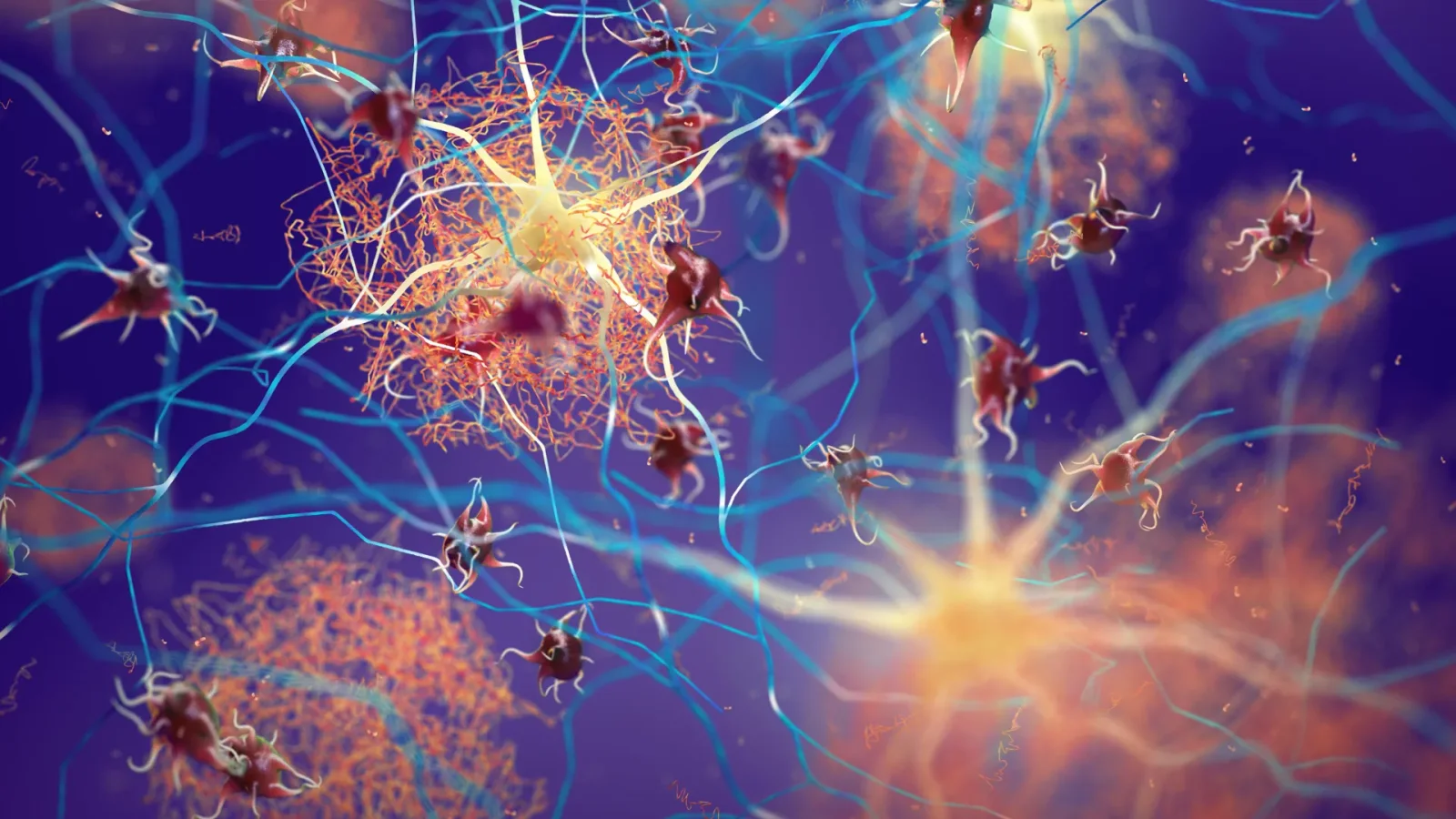
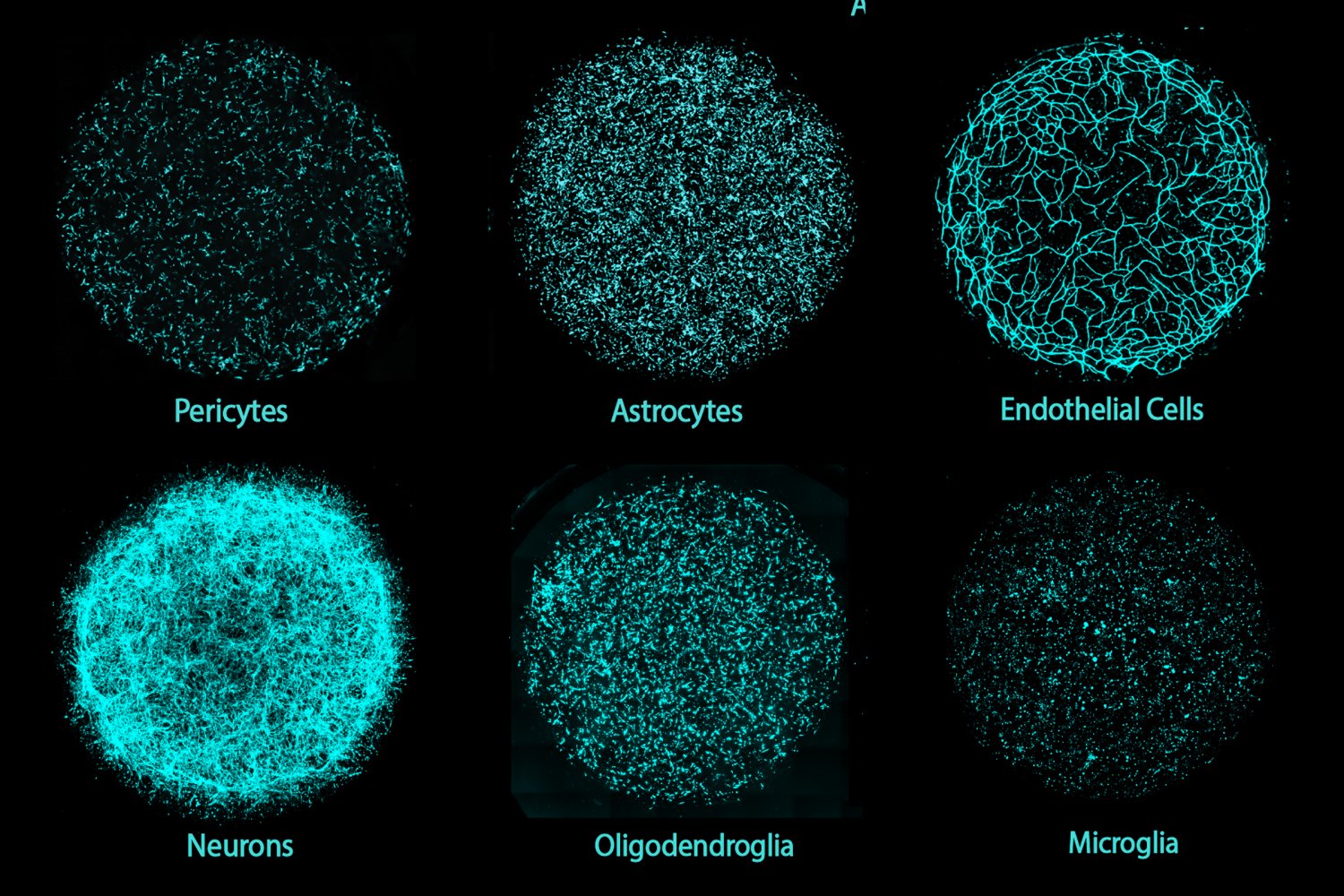
MIT researchers have developed a groundbreaking 3D human brain model called miBrains that integrates all major brain cell types, enabling more accurate disease research and drug testing, with potential for personalized medicine and Alzheimer’s disease insights.
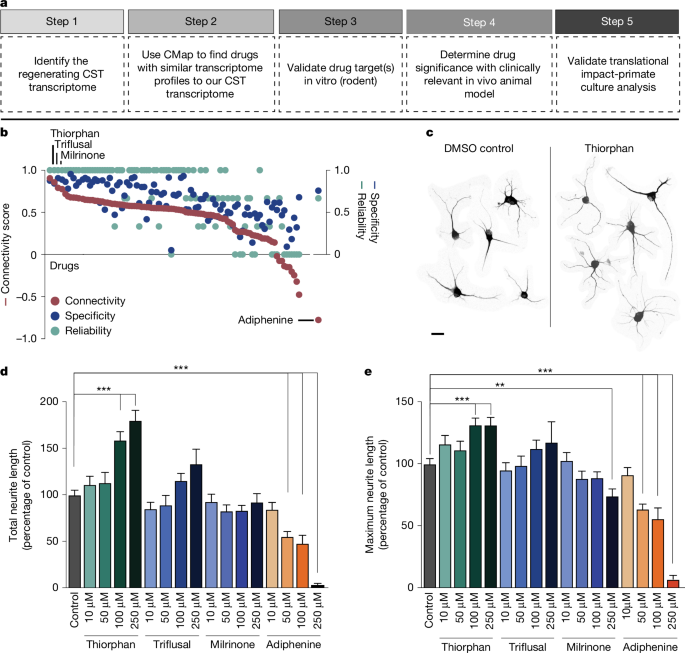
Researchers identified thiorphan as a promising drug to promote neural regeneration and functional recovery after spinal cord injury by using a bioinformatics-driven pipeline, in vitro and in vivo testing, and validation in primate and human neurons, showing its potential for clinical translation.
Eli Lilly is collaborating with Nvidia to build an AI-powered supercomputer aimed at accelerating drug discovery and development, enabling faster testing of potential medicines and expanding research capabilities through proprietary AI models accessible via Lilly's federated platform, Lilly TuneLab.
Eli Lilly and Nvidia are collaborating to build the pharmaceutical industry's most powerful supercomputer and AI factory to accelerate drug discovery and development, aiming to significantly reduce the time and costs associated with bringing new medicines to market, with full deployment expected by January 2026.
An AI model called DrugReflector, trained on gene expression data, significantly accelerates drug discovery by more effectively identifying promising compounds, doubling success rates when iteratively refined, and offering a powerful new tool for developing therapies.
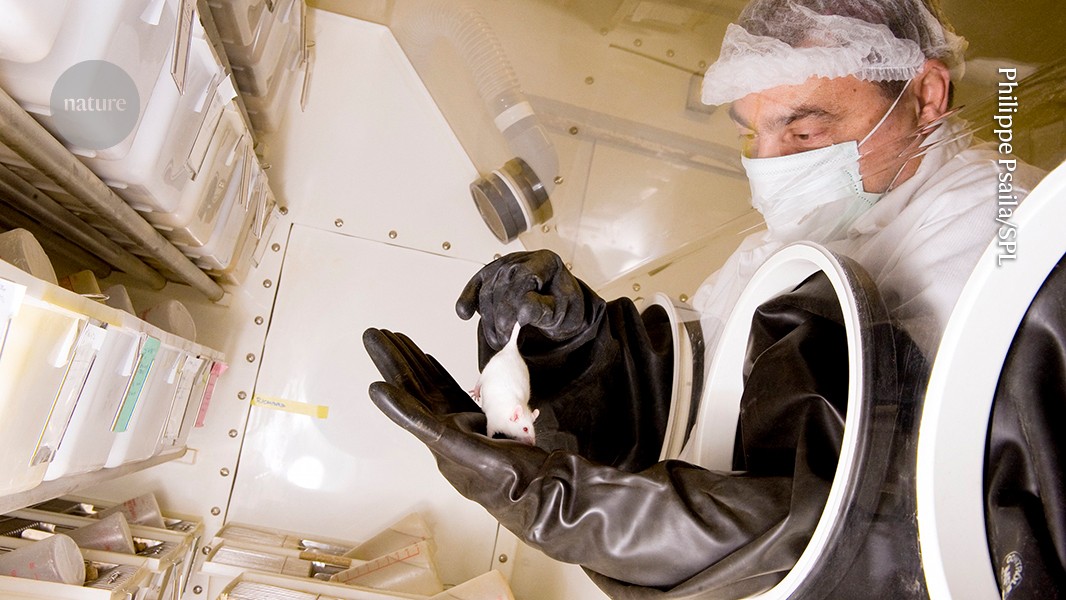
The article discusses the nuanced debate between traditional animal models and new approach methodologies (NAMs) in biomedical research, emphasizing that both have their strengths and limitations. It advocates for a balanced, model-specific approach rather than outright replacing animal testing with NAMs, highlighting technological advances and ethical considerations.
Scientists from Queen Mary University of London have discovered that the drug Rapalink-1 extends the lifespan of yeast cells by targeting the TORC1 pathway, and this process involves increased production of enzymes that convert gut bacteria-produced agmatine into chemicals linked to aging, offering insights that could inform human aging and health.
Researchers at McMaster University and MIT discovered a new narrow-spectrum antibiotic called enterololin that targets bacteria involved in IBD, using AI to predict its mechanism of action, significantly speeding up the drug development process and offering hope for better treatments for conditions like Crohn's disease.
The article discusses the discovery of a narrow-spectrum antibiotic guided by artificial intelligence and mechanistic studies, highlighting advances in antibiotic development and bacterial resistance understanding.
AI is being used to rapidly design thousands of potential antibiotics to combat rising antimicrobial resistance, with some candidates showing promise in early tests, but challenges remain in manufacturing and stability before they can be tested in humans.
Harvard researchers developed an AI model called PDGrapher that analyzes cellular connections to identify effective treatments for diseases like cancer, Parkinson's, and Alzheimer's, potentially accelerating drug discovery and improving treatment options.
Scientists at St. Jude have discovered that the protein midkine prevents the formation of toxic amyloid beta clumps associated with Alzheimer's, opening new avenues for potential treatments by understanding its protective mechanism.
MIT researchers developed a machine learning model called FastSolv that accurately predicts how well molecules dissolve in organic solvents, aiding drug development and potentially reducing environmental hazards. The model outperforms previous models and is freely available, with industry adoption already underway.
Researchers used AI to analyze snake and spider venoms, discovering hundreds of promising new antibiotic candidates capable of fighting drug-resistant bacteria, with 53 peptides showing effectiveness against pathogens like E. coli and Staphylococcus aureus, potentially leading to new treatments for antibiotic resistance.